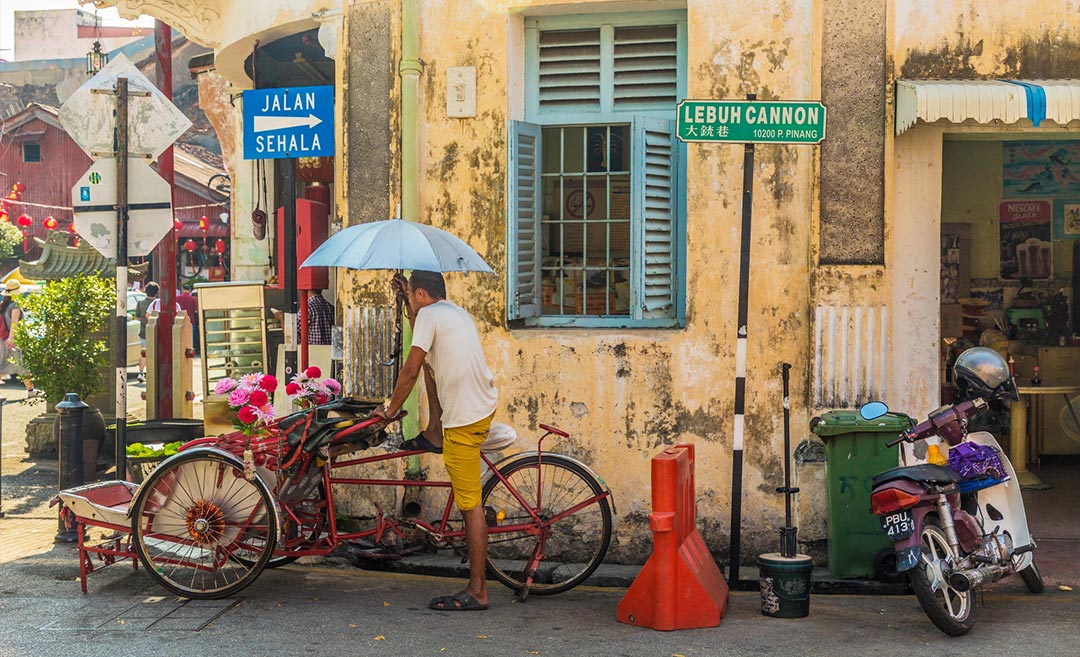
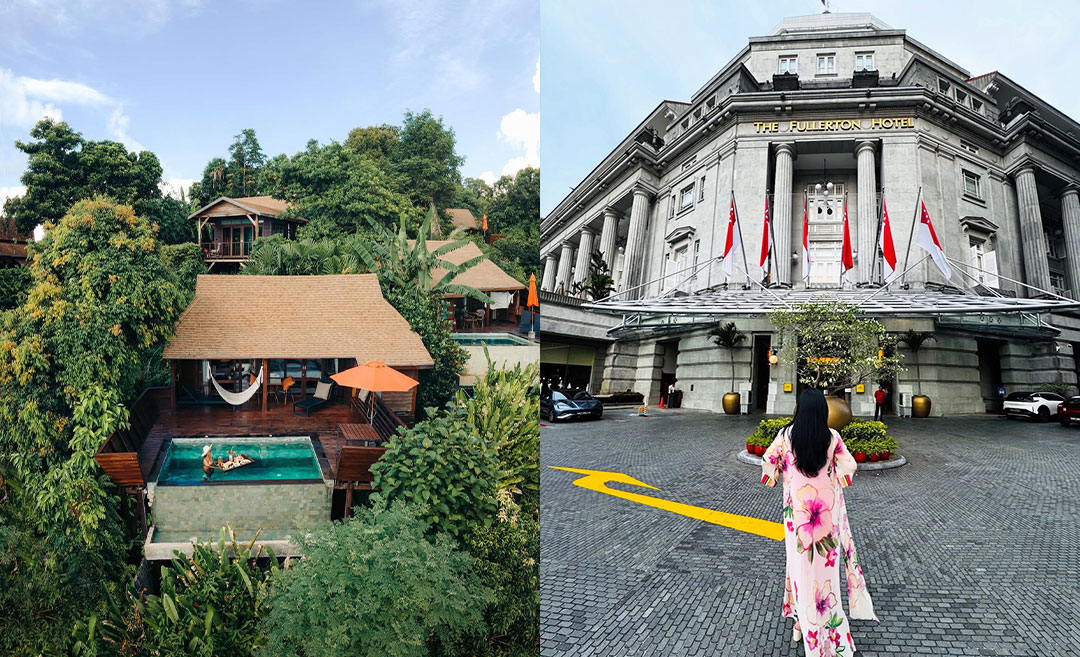
The surge in interest for secondary cities is often driven by a desire for world-class nature without the crowds. Semporna, accessible via the growing hub of Tawau, remains a primary draw for those looking to swap urban skylines for turquoise horizons.
Domestic travel in Malaysia is no longer just about the usual big-city gateways. New data from Traveloka shows Malaysian travellers are increasingly choosing secondary cities for domestic tourism, seeking slower, more immersive escapes closer to home.
In January alone, flight traffic to several secondary cities jumped significantly compared to late 2025, signalling a growing appetite for affordable, short-haul travel centred on culture, food trails, and nature-led experiences beyond Kuala Lumpur and Penang.
Malaysia’s Domestic Travel Map is Expanding
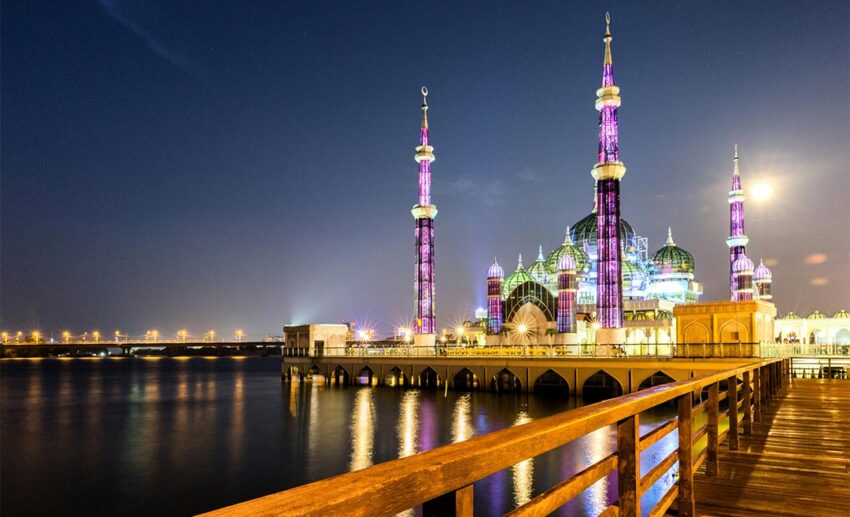
With a 39% rise in flight traffic, Kuala Terengganu’s blend of iconic heritage sites like the Crystal Mosque and its proximity to serene islands is reshaping the domestic travel map. 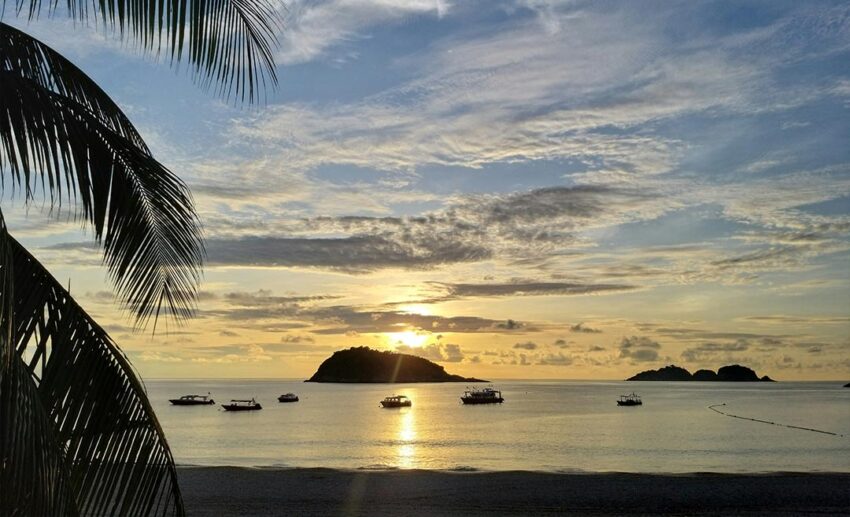
The quiet beauty of a Terengganu sunrise offers a different pace of travel—one that is increasingly favoured by Malaysians seeking short-haul escapes that feel worlds away from the capital.
Among the strongest performers:
- Kota Bharu saw a 30% increase
- Alor Setar recorded 38% growth
- Kuala Terengganu rose 39%
Meanwhile, East Malaysia continues gaining traction:
- Tawau grew by 8% domestically and 18% internationally
- Sandakan saw a 26% rise
The shift comes as Visit Malaysia 2026 continues to drive efforts to diversify tourism beyond traditional hotspots and encourage travellers to explore new destinations.
Why Travellers are Looking Beyond the Usual Hotspots

According to Traveloka, several factors are driving the change:
- Better domestic flight connectivity
- Government initiatives boosting local tourism
- A growing desire for short-haul, affordable escapes
- Rising interest in culture, food, and nature-led experiences
From night markets and heritage streets to rainforest trails and island gateways, secondary cities offer a different pace of travel. Examples include:
- Craft traditions and markets in Kota Bharu
- Paddy-field landscapes in Alor Setar
- Seaside food trails in Kuala Terengganu
- Wildlife encounters in Sandakan
- Access to Semporna and Sipadan via Tawau
Together, these destinations highlight that many Malaysians are rediscovering the country’s lesser-known corners and reshaping domestic tourism one trip at a time.
A Shift Toward Slower, Closer Travel
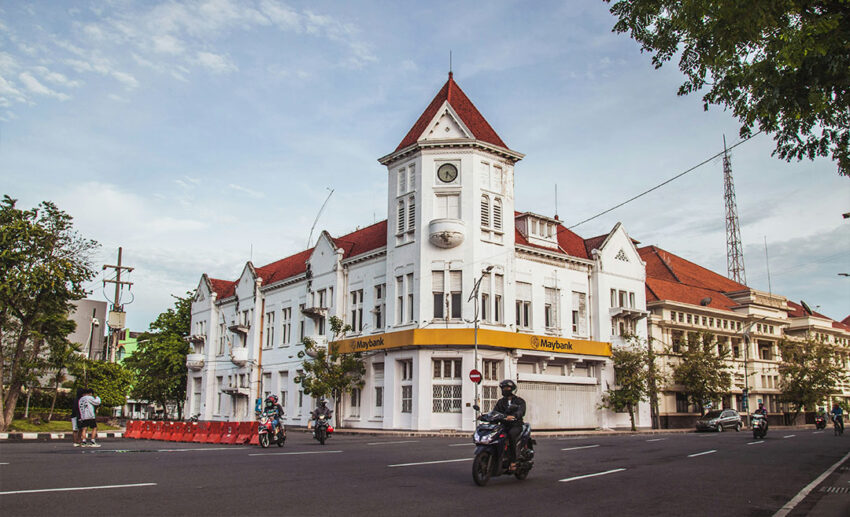
The data also highlights where Malaysians are heading internationally. Within Southeast Asia, Indonesia remains a top choice, with popular destinations including:
In East Asia, major urban hubs continue to dominate interest:
The rising interest in secondary cities reflects a broader mindset change: travellers are increasingly drawn to destinations that feel more culturally rich, affordable and accessible.
Rather than chasing long-haul itineraries, many are rediscovering Malaysia’s lesser-known corners, and reshaping domestic travel in the process.
Traveloka
All photos are courtesy of Traveloka, unless otherwise stated.