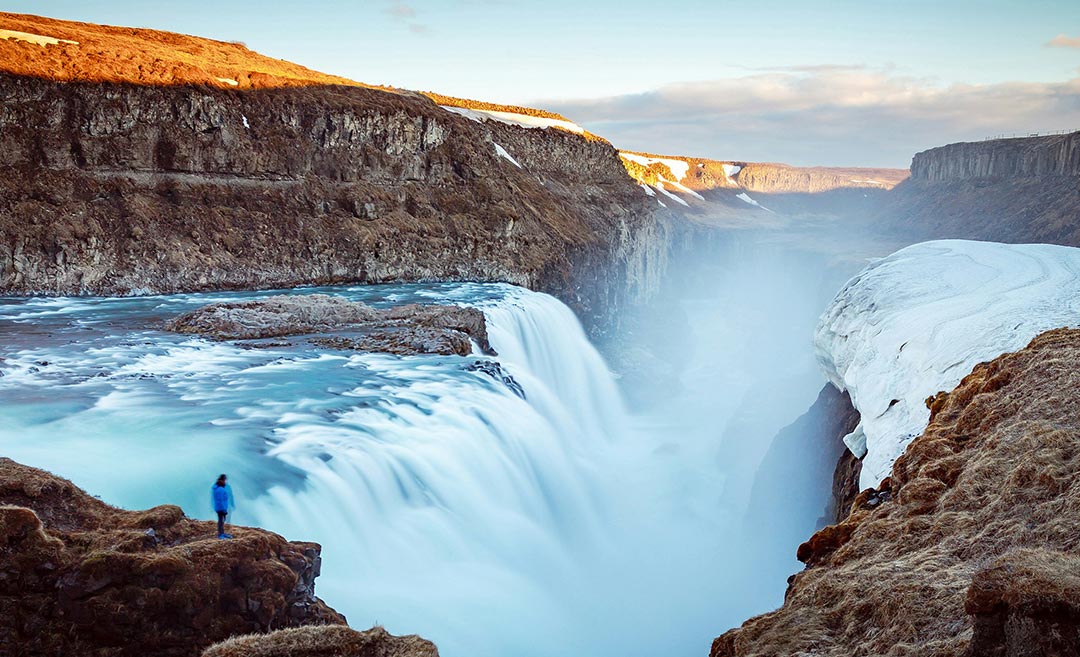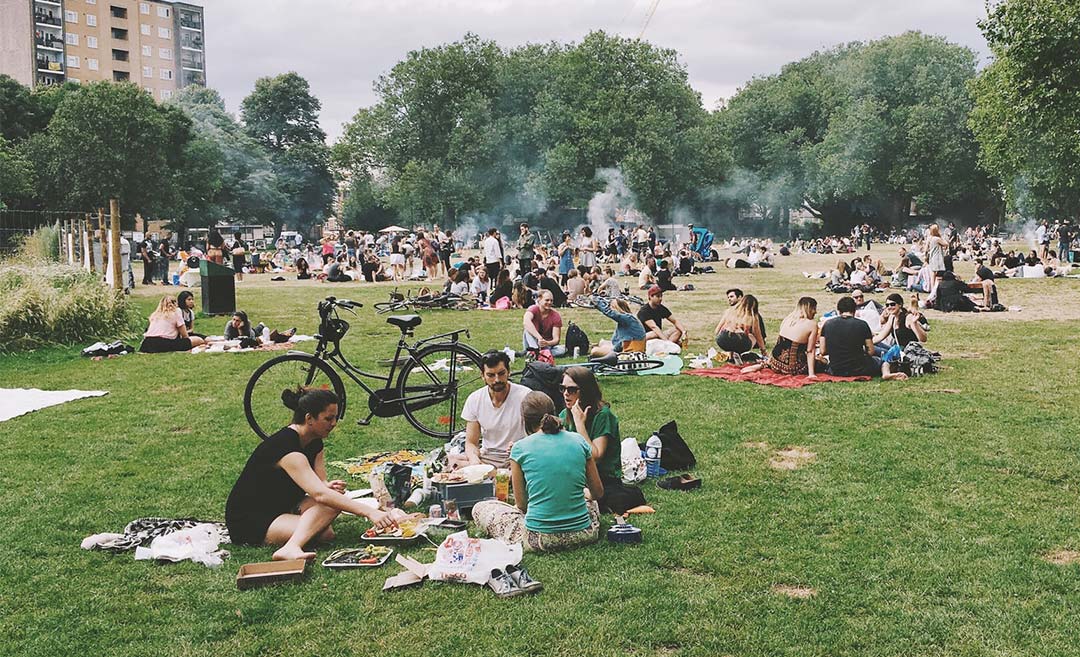
Climate change and shifting weather patterns are forcing travellers to rethink when, where and how they plan holidays. (Image by s_jakkarin)
Weather plays a crucial role in modern holiday planning. Endless rain can quickly ruin a tropical island escape, while unusually warm winters and reduced snowfall can disrupt ski holidays in destinations such as Austria.
The impact of climate change on travel is becoming increasingly clear. News headlines regularly warn of approaching typhoons in the Philippines, the growing effects of El Niño in the Pacific, and scientific evidence that summer seasons are lengthening in cities such as Sydney.
Researchers at the University of British Columbia recently reported that Sydney’s summer season has lengthened by around 50 days since 1990, according to findings published in Environmental Research Letters. Lead author Ted Scott and his team analysed weather data from ten global mid-latitude cities and found that summer had extended by an average of 15 days every decade. Sydney’s warming trend was more than double that of many other cities studied, including Tokyo, Paris, Reykjavík, and St Petersburg.
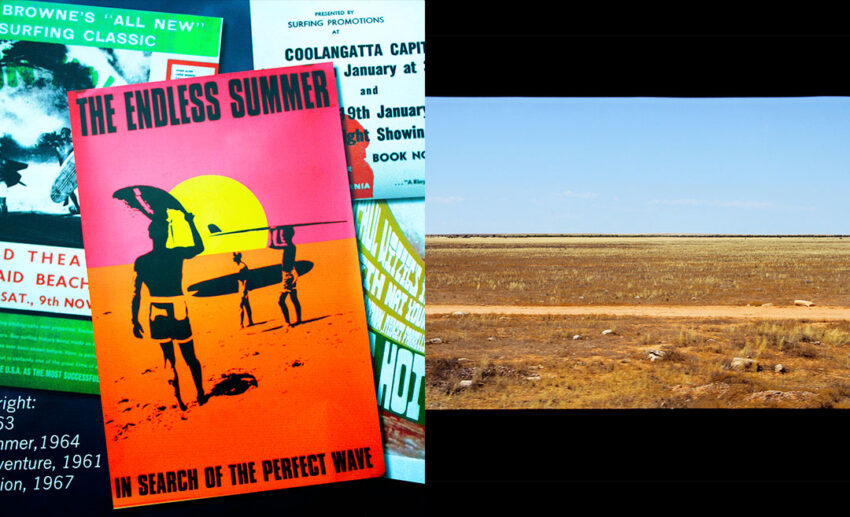
Longer summers may appeal to surfers and outdoor enthusiasts, but they also bring challenges. Higher temperatures, bushfires, and extreme weather events can significantly affect travel planning and destination choices.
In tropical north-west Australia, Cable Beach in Broome remains a major attraction, offering swimming, watersports, spectacular sunsets and its famous camel rides.
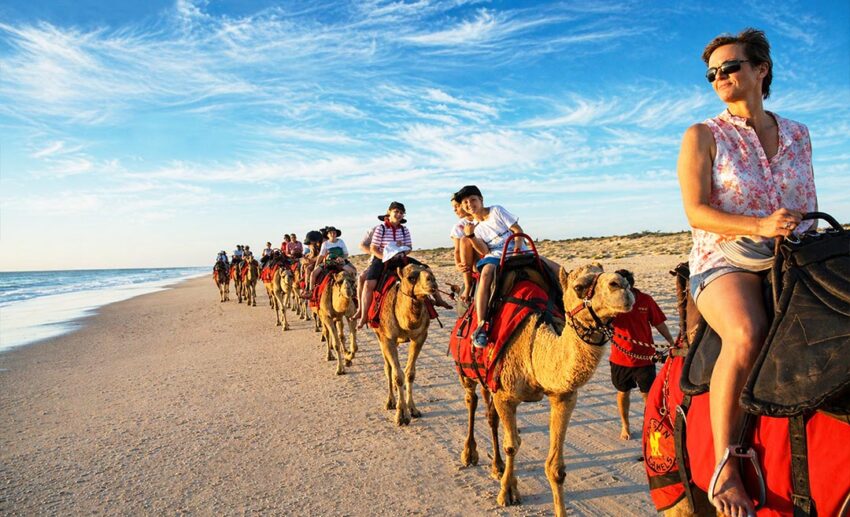
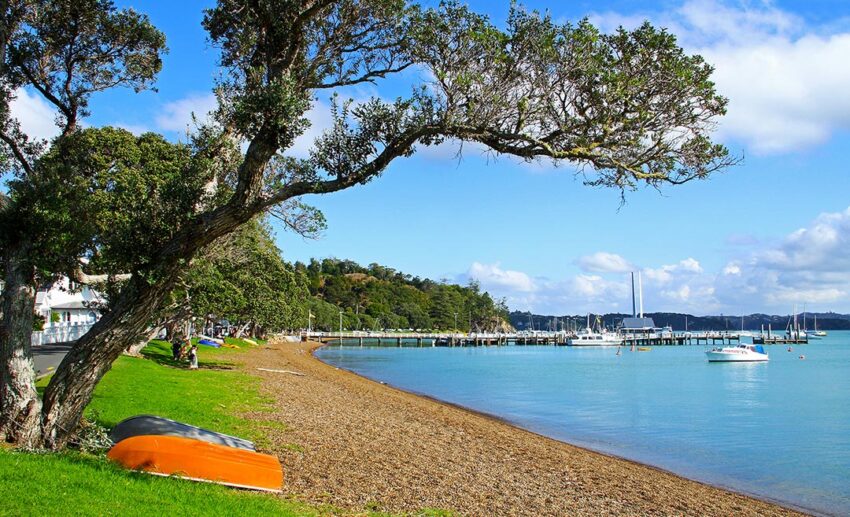
Australia is not alone in offering exceptional beach holidays, but seasonal timing is becoming increasingly essential. In New Zealand, South Island beaches are best enjoyed during summer, while the Bay of Islands in the North Island offers broader year-round appeal.
Cooler destinations
As global temperatures rise, many Malaysian travellers are reconsidering traditional beach holidays in favour of cooler destinations. Recent Trip.com research indicates a 74 per cent year-on-year increase in searches for cooler destinations since the beginning of 2026, highlighting the rise of the ‘coolcation’.
Popular options include Yunnan, Inner Mongolia, Sapporo, Australia, and New Zealand. These destinations generally involve shorter travel times than traditional European alternatives, an increasingly relevant factor as geopolitical uncertainties affect long-haul travel routes.
Australia’s Snowy Mountains, along with ski destinations such as Mount Buller, are becoming increasingly attractive alternatives to European ski holidays.
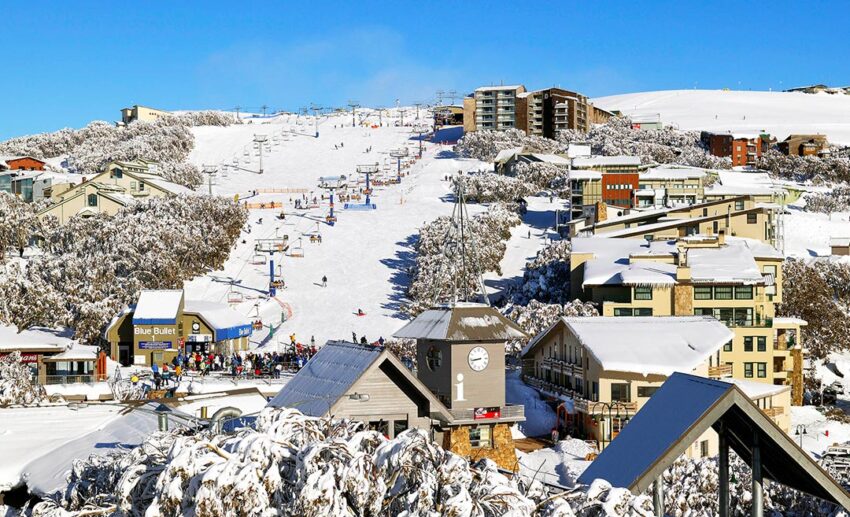
Even closer to Malaysia, Japan remains highly popular for winter sports, while South Korea and China also offer extensive ski infrastructure. India’s Gulmarg resort in Jammu and Kashmir is an emerging option, although travellers should prepare carefully for altitude-related health risks.
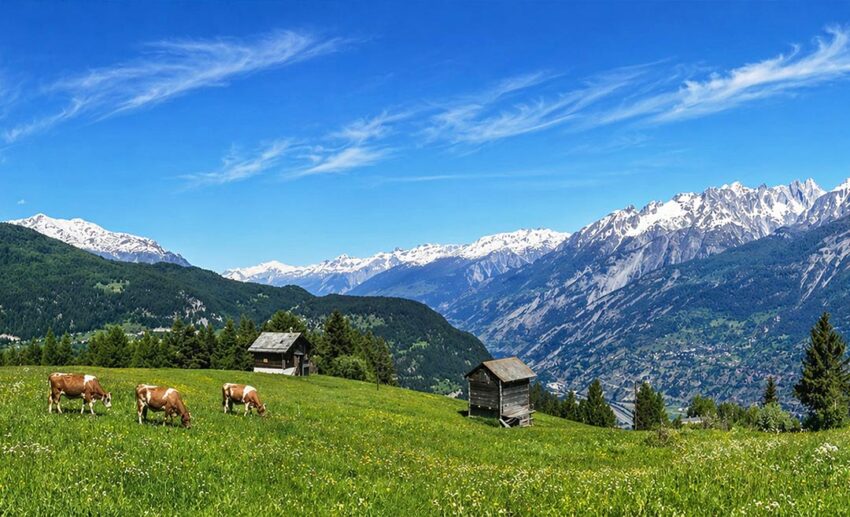
Travel in a warming world
Climate change is rapidly reshaping global travel patterns, influencing destination choices, transport systems and seasonal travel planning. Asia, home to many of the world’s most sought-after destinations, is particularly vulnerable. Coastal resorts from the Maldives to Phuket and Bali face growing threats from rising sea levels and environmental degradation. With the Maldives averaging just 1.5 metres above sea level, even modest rises pose serious long-term risks to the island nation.

Timing matters
Travelling to the Middle East or parts of Africa during peak summer can expose visitors to dangerously high heat levels, while visiting typhoon-prone regions such as the Philippines or Vietnam during storm season can lead to major disruptions in their travel plans.

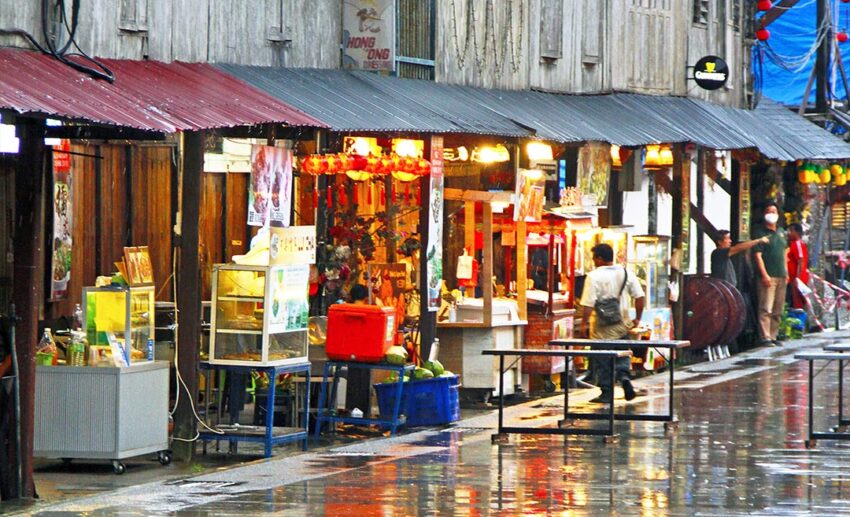
In Malaysia, monsoon rains can also dramatically affect travel experiences, from island holidays to night markets.
Natural calamities
Beyond weather, travellers must also contend with natural disasters, including earthquakes, volcanic eruptions, avalanches, bushfires, floods, and tsunamis. Such events have repeatedly altered global tourism patterns, sometimes permanently. The 2004 Indian Ocean tsunami, for example, significantly changed how travellers perceive coastal destinations in affected regions.
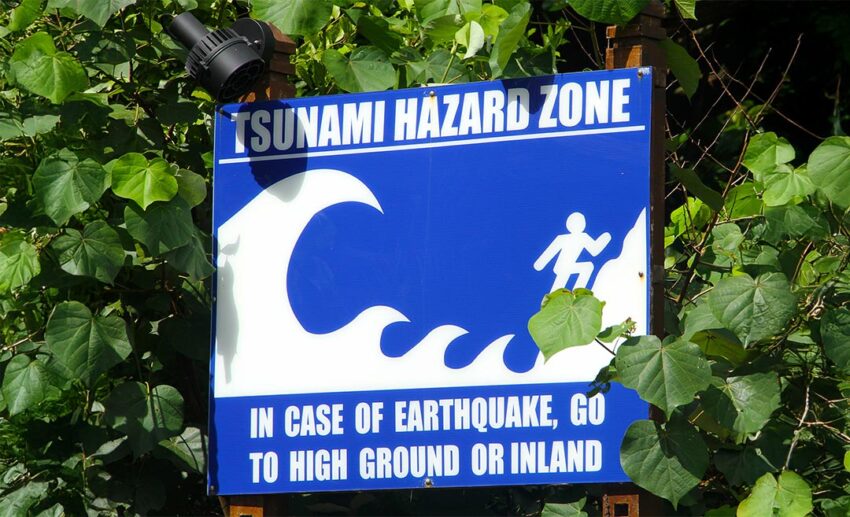
While forecasting and preparedness have improved, nature remains beyond human control.
As climate patterns continue to evolve, travel is entering a new era in which flexibility, sustainability and preparedness are becoming just as important as the destination itself.
Zafigo Pro Tips: Navigating the new climate reality
The world is changing, and our packing lists and itineraries must follow suit. Here is how to stay ahead of the weather and travel with confidence.
Counter-cyclical timing
Travel during shoulder seasons (the weeks between peak and off-peak). This not only avoids extreme peak-summer heat but also reduces the strain on local infrastructure, making your trip more sustainable.
The climate-ready kit
Prepare for volatile weather by carrying a high-quality, lightweight raincoat and a compact UV-rated umbrella. In a warming world, an umbrella is just as useful for shade as it is for a monsoon downpour.
Health & hydration
Extreme heat increases the risk of dehydration and sunstroke. Carry an insulated, reusable water bottle and electrolyte sachets. If you are exploring high-altitude spots like Gulmarg or Yunnan, allow two days for acclimatisation to avoid altitude sickness.
The digital shadow
Stay informed without the panic. Download local weather apps (like the Bureau of Meteorology for Australia) and use offline maps via Maps.me. Knowing exactly where the nearest indoor shelter or cooling centre is located is a vital safety precaution for solo female travellers.
The flexible itinerary
When travelling with children, always have a Plan B indoor activity. If a heatwave or storm hits, having a pre-saved list of museums, indoor play centres, or cinema times keeps the holiday moving without exposing little ones to extreme conditions.
All photos are by and courtesy of the writer, David Bowden, unless otherwise stated.