Malaysia tops Southeast Asia’s tourism rankings again, drawing travellers with food, cities, beaches, nature and great value. (Image by fiz_zero)
For the second year in a row, Malaysia has emerged as the most visited country in Southeast Asia. By the start of 2026, the country welcomed over 38 million international visitors, officially overtaking Thailand, long seen as the region’s tourism heavyweight. But beyond the numbers, Malaysia’s rise feels easy to understand once you arrive.
Travel here is simple and affordable, offering a variety of safe solo travel options that mix city life, food adventures, beaches and rainforests in a single trip.
Easy to visit, easy to navigate
One of the biggest reasons behind Malaysia’s tourism boom is accessibility. Visa-free entry for travellers from several major markets, especially China, has lowered the barrier to entry. Flight connectivity has also improved, with more direct routes into Kuala Lumpur and regional airports.
Once you’re in the country, travel is straightforward. Public transport in major cities is reliable, ride-hailing apps are widely used, and domestic flights make hopping between states quick and affordable.
Kuala Lumpur: A city of layers
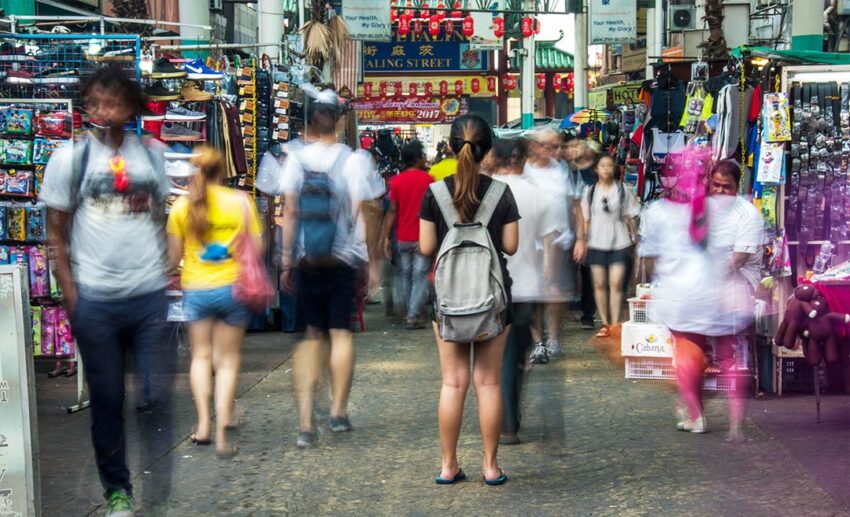
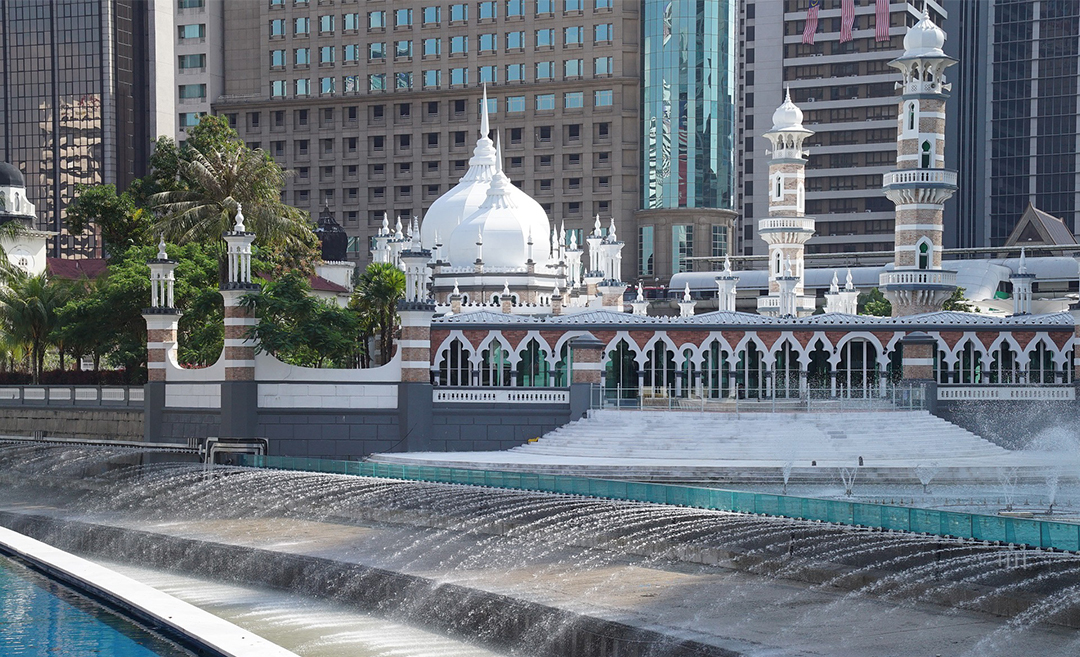
Most journeys begin in Kuala Lumpur, a city that manages to feel both fast-paced and laid-back at once. Glass towers rise next to old shoplots, while street food stalls sit just minutes away from upscale malls. You can spend your morning visiting mosques or temples, your afternoon shopping or cafe hopping, and your evening eating roti canai under fluorescent lights at a gerai (roadside stall).
Kuala Lumpur also works well as a launchpad. From here, beaches, heritage towns, and highlands are only a short flight or drive away, making it easy to experience different sides of Malaysia in a single trip.
Penang: Culture, heritage, and food traditions
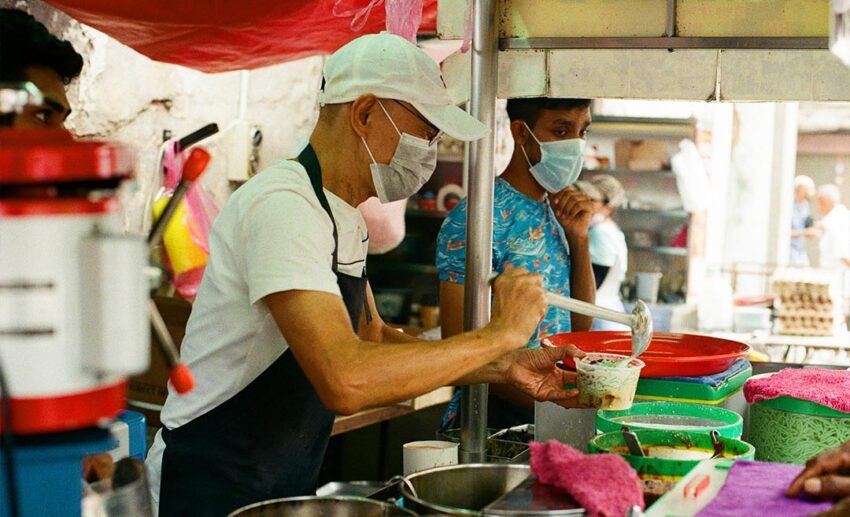
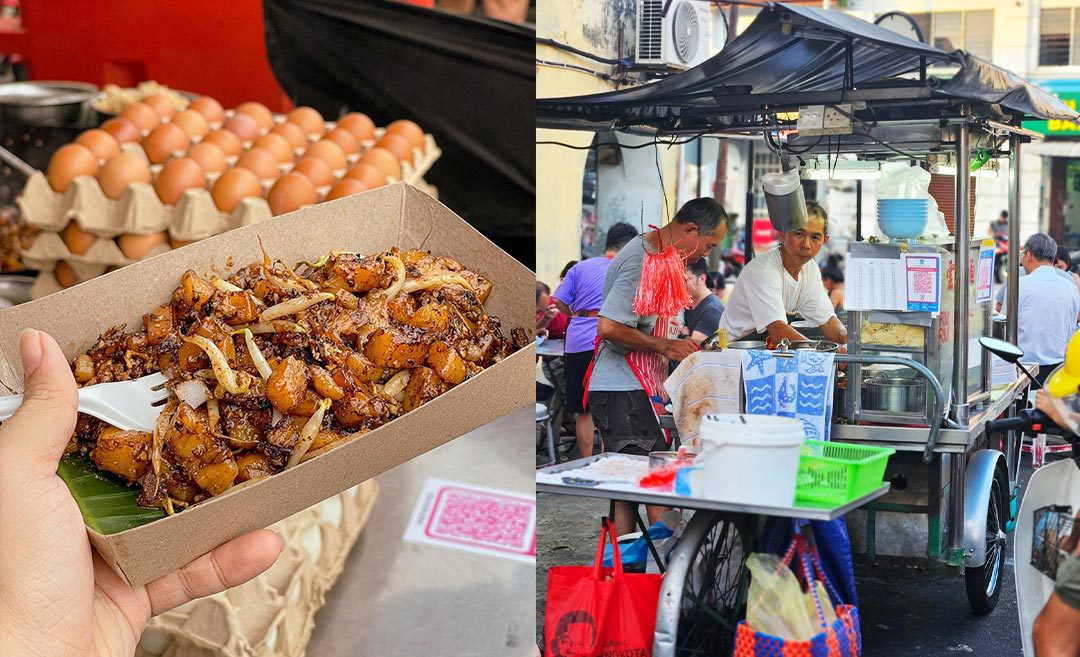
If there’s one place travellers rave about, it’s Penang. The island’s capital, George Town, blends colonial architecture, street art, and one of Southeast Asia’s most celebrated food scenes. Walking its streets feels like moving through layers of history, with Chinese clan jetties and houses, Indian temples, and Malay mosques all within blocks of each other.
Food alone is reason enough to visit. Hawker stalls serve char kway teow, nasi kandar, and cendol that locals (and repeat visitors) swear by.
Langkawi: Slowing down by the sea
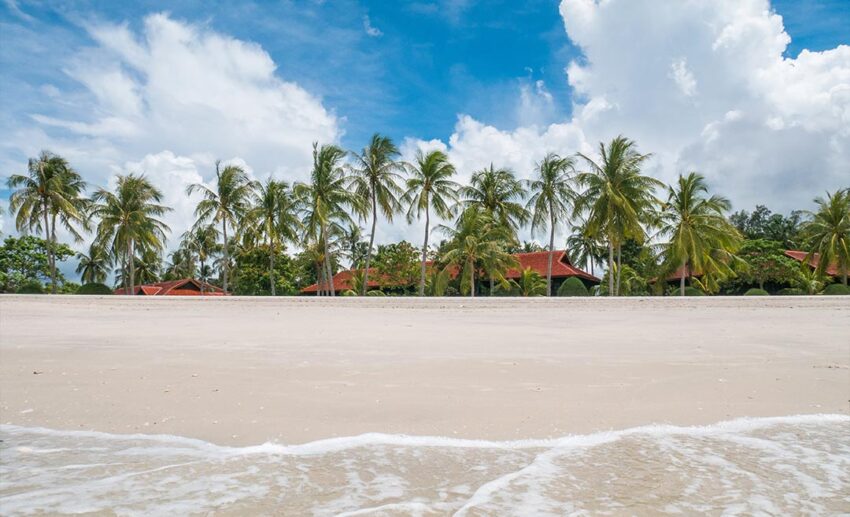
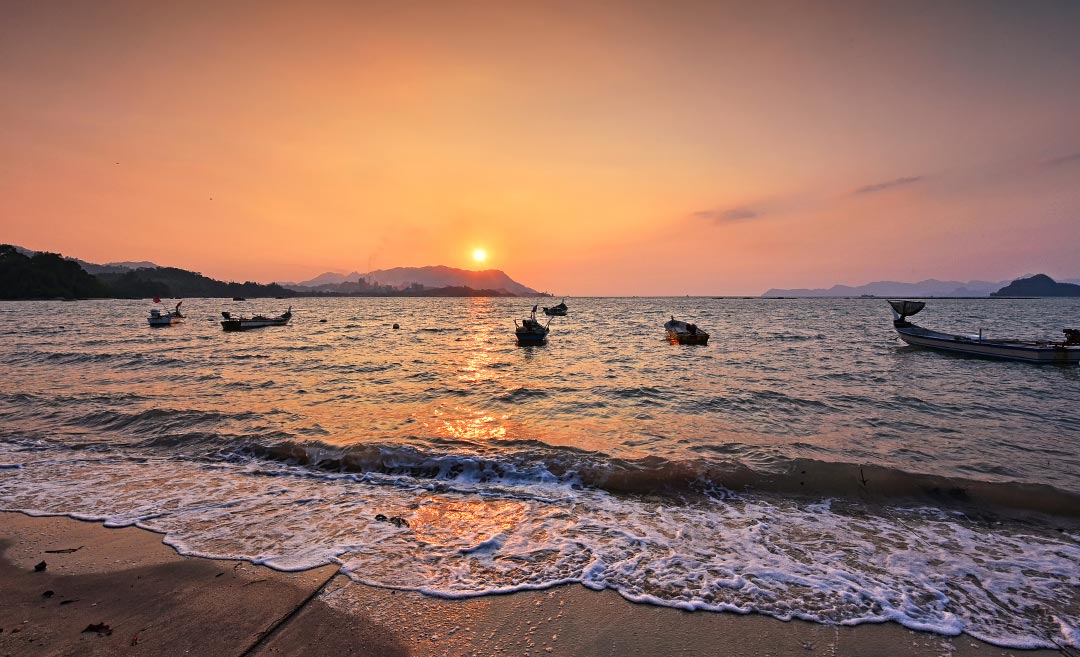
For those craving sun and sea, Langkawi delivers a completely different rhythm. Life here slows down, and that’s the point. Days revolve around beach walks, boat tours, and sunsets over calm waters. It’s a favourite for couples and families looking to unwind after busy city travel.
Langkawi’s duty-free status also adds to its appeal, making meals, shopping, and accommodation surprisingly good value.
Borneo: Beyond the peninsula
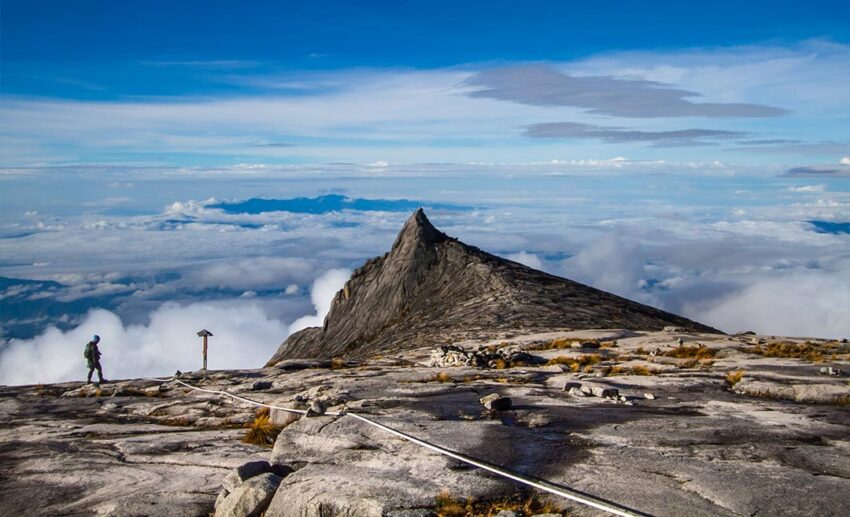
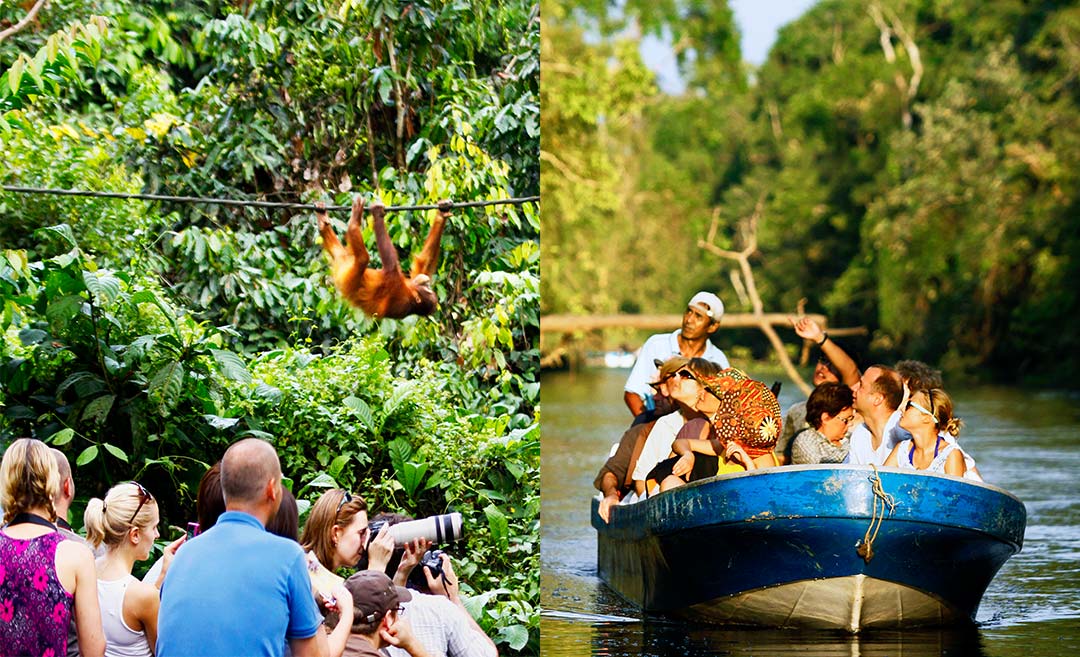
Malaysia’s appeal doesn’t stop at urban centres and islands. East Malaysia, in Sabah and Sarawak, draws travellers looking for rainforests, wildlife, and cooler mountain air. From orangutan sanctuaries to climbs up Mount Kinabalu, the experiences here feel rawer and more immersive. For nature lovers, it adds another dimension to what Malaysia can offer.
More than just celebrating a comeback, Malaysia is actively shaping the world’s idea of a must-visit destination. As part of the Visit Malaysia 2026 (VM2026) campaign, the nation has set its sights on welcoming about 43 million international visitors this year. From culturally immersive festivals and culinary showcases to nature adventures and city experiences, the VM2026 calendar spans over 300 events across the year, designed to highlight the country’s warm hospitality and diverse offerings.