
Breaking the myth that seeing the world is an exclusive luxury begins with a single, intentional step toward designing travel into our everyday lives. (Image by aimenda123)
If there is one myth we do not subscribe to, it is that travel is a luxury. The idea that seeing the world is reserved only for those with excess wealth has become increasingly common in an age of social media highlight Reels and influencer-driven aspiration. While these curated glimpses can make travel appear out of reach, the reality is far more grounded.
Travel is fundamentally built on openness, curiosity, and the willingness to make it a part of your life rather than treat it as an occasional reward. With the right financial habits, planning strategies, and a shift in how we view spending, it becomes less about affordability in the abstract and more about structure and prioritisation.
Resourcefulness, consistency, and small financial adjustments can take you further than you might expect. Here are practical ways to save, plan, and prepare for that dream trip you have been holding at the back of your mind.
Build a dedicated travel savings fund
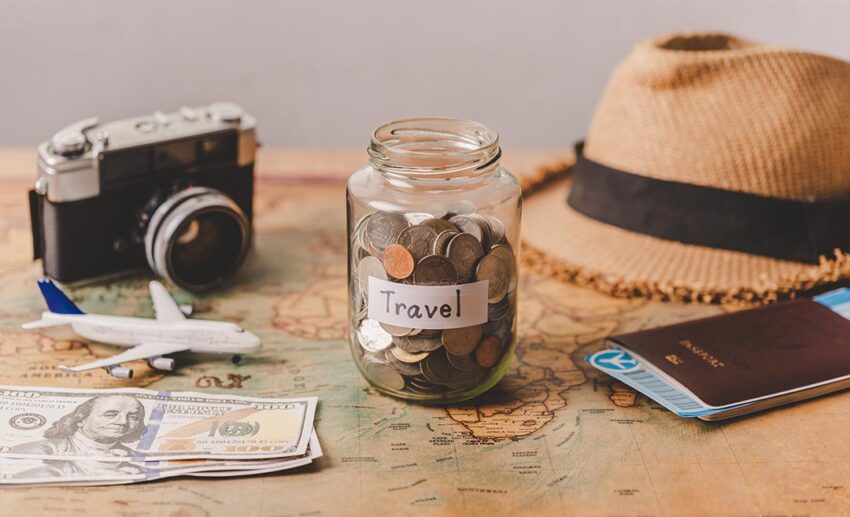
The first step to making a trip possible is to take it as seriously as you would any other investment. Set up a high-yield savings account for your travel and holiday fund, separate from your everyday spending account, so you’re less tempted to dip into it for other expenses.
If you can, adopt the “pay yourself first” approach by transferring a fixed portion of your income into your travel fund every month instead of saving whatever is left over. Better still, automate the process with a recurring transfer. If you prefer managing your money digitally, apps like BigPay and GX Bank let you create dedicated savings spaces—called Stashes and Saving Pockets, respectively—making it easier to set aside money for different travel goals without mixing it into your everyday spending. A small shift in how you save can transform travel from an occasional luxury into a financial priority.
Make the most of your credit card rewards
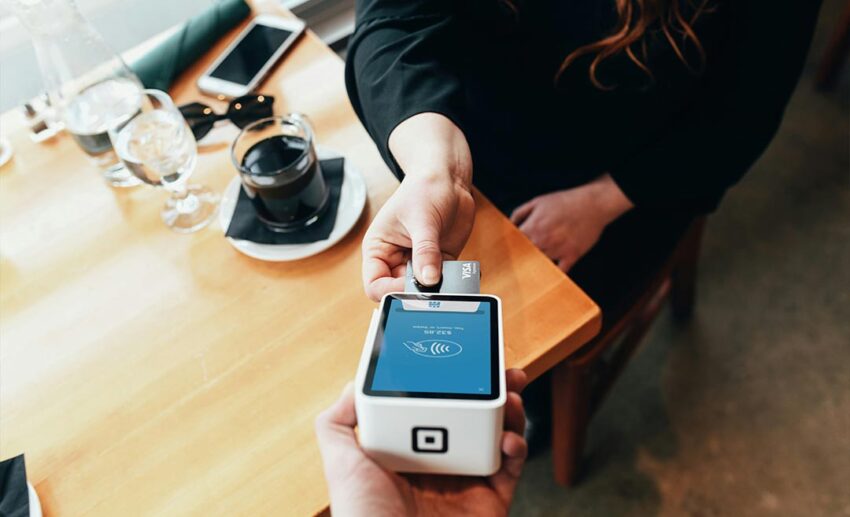
Many credit card providers offer travel-related benefits, including reward points, exclusive booking discounts, lounge access, complimentary travel insurance, and loyalty perks. Check with your provider to see which benefits you’re already entitled to.
Some travel and airline-branded cards also let you convert everyday spending into air miles, helping reduce the cost of more expensive flights. In Malaysia, cards such as the Maybank 2 Cards and UOB PRVI Miles are popular among frequent travellers because they allow cardholders to earn points or miles through everyday spending, which can later be redeemed for flights and other travel rewards.
Keep pre-travel spending low

Whether you’re travelling somewhere cold or heading off on an adventure that requires specialist gear, it’s easy to spend a large portion of your budget before you’ve even left home. Planning ahead helps keep those costs under control. Book flights, accommodation, transport, and activities early whenever possible to secure better prices. Where available, choose refundable bookings or free cancellation options—they may cost slightly more upfront, but can save you significantly if your plans unexpectedly change.
When it comes to clothing, luggage, and travel gear, consider borrowing from friends or family before buying new. You can also look to local thrift stores, many of which stock winter clothing, jackets, boots, and other travel essentials at a fraction of the retail price. Shops such as Jalan Jalan Japan and 2nd STREET Malaysia are popular for affordable second-hand winter wear, while platforms like Carousell can be useful for finding pre-loved luggage and travel gear. If you’re after more fashion-forward pieces, REFASH is another option worth exploring.
Visit a travel expo before you book
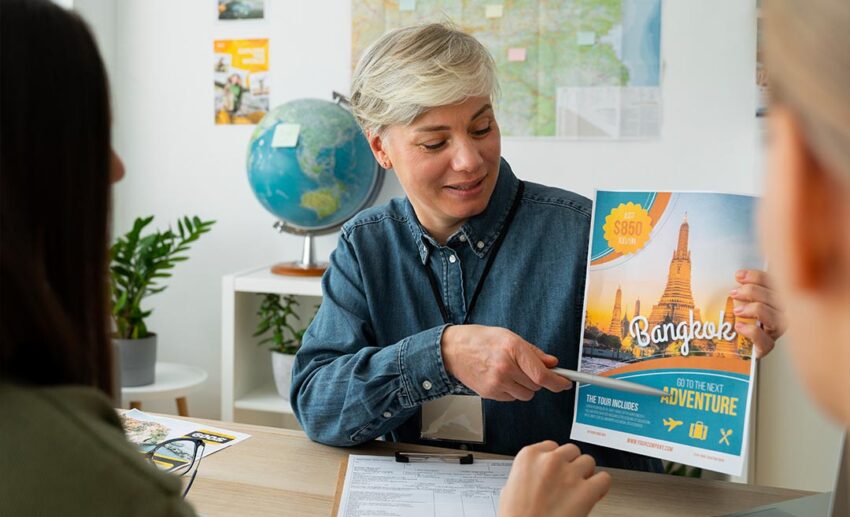
Travel expos offer the chance to compare holiday packages, flights, hotels, and tours in one place. Rather than spending hours switching between websites, you can speak directly with travel providers, compare prices, ask questions about your itinerary, and sometimes access event-only promotions.
In Malaysia, MATTA Fair remains one of the country’s largest travel expos, while GoTravel Expo and the AirAsia Travel Fair are also worth keeping an eye on.
Let apps do the heavy lifting
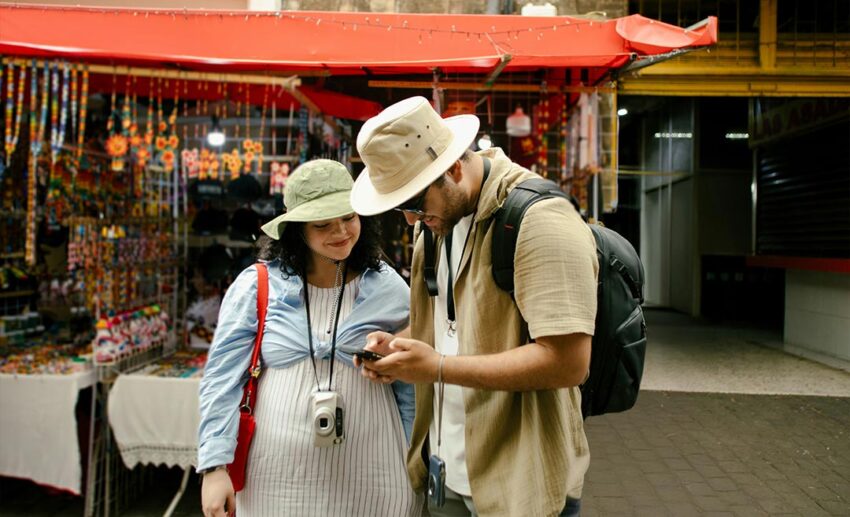
From cashback platforms like ShopBack to booking platforms such as Booking.com and multi-currency apps including Wise and BigPay, some of the best travel tools already live on your phone. Depending on your travel style, they can help you earn cashback, compare prices, stack promo codes, track overseas spending, and stay informed about flash sales.
Pick a side hustle to boost your travel fund

When your primary income is already committed to living expenses, emergency savings, and long-term financial goals, setting aside money for travel can feel impossible. A side hustle creates an additional income stream that lets you fund your travels without compromising your other priorities.
Flexible work through platforms like Grab Malaysia, NinjaVan, and FoodPanda can be a practical way to earn extra income around your existing schedule. If you’re creative, platforms like Etsy, Facebook Marketplace, and Shopee make it easier to sell handmade products, digital downloads, or pre-loved items. If you have expertise in subjects such as languages, coding, or school-level academics, tutoring can also become a reliable source of travel savings.
Travel through work and cultural exchange

Travelling doesn’t always require a large budget. Work exchange and cultural exchange programmes allow you to swap your time and skills for accommodation, meals, or other essentials while gaining meaningful experiences abroad.
Opportunities can include housekeeping, pet sitting, tutoring, farming, and community projects. They are particularly valuable for students, recent graduates, career-break travellers, or anyone looking to experience a destination more deeply while keeping costs down. Platforms like WorldPackers offer opportunities around the world, while Malaysia also has conservation-focused volunteer programmes for those interested in environmental work.
Travelling will always require some level of financial commitment, but it doesn’t have to remain an unattainable goal. More often than not, seeing the world is more and more about planning with intention, spending with purpose, and recognising that meaningful travel can take many forms. The journey begins long before you board a plane—and sometimes, it starts with the smallest financial habit.