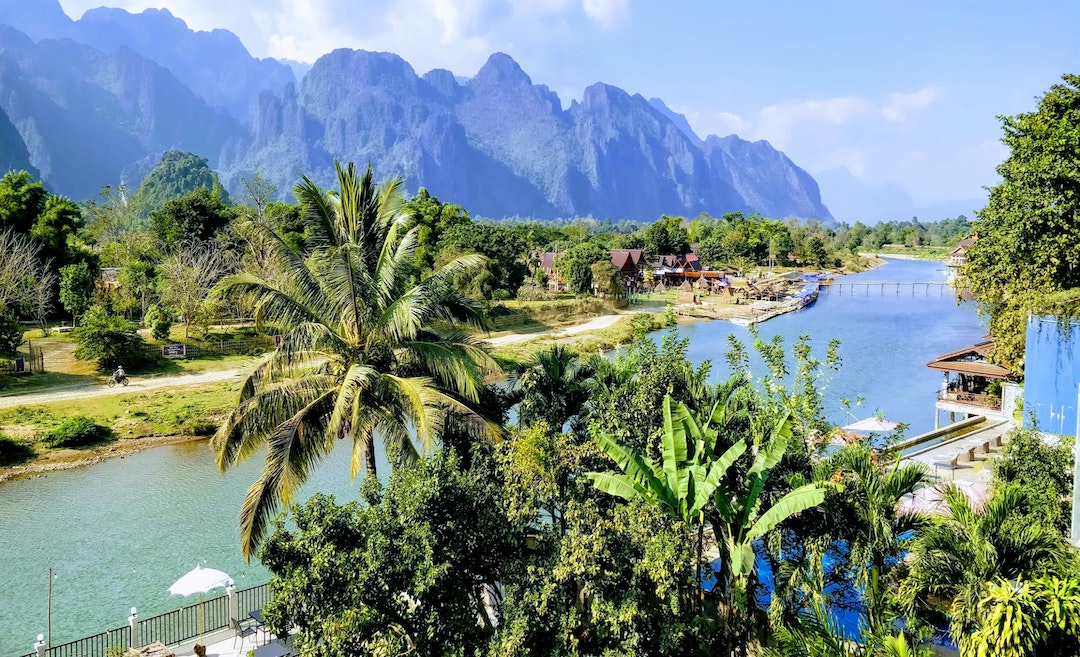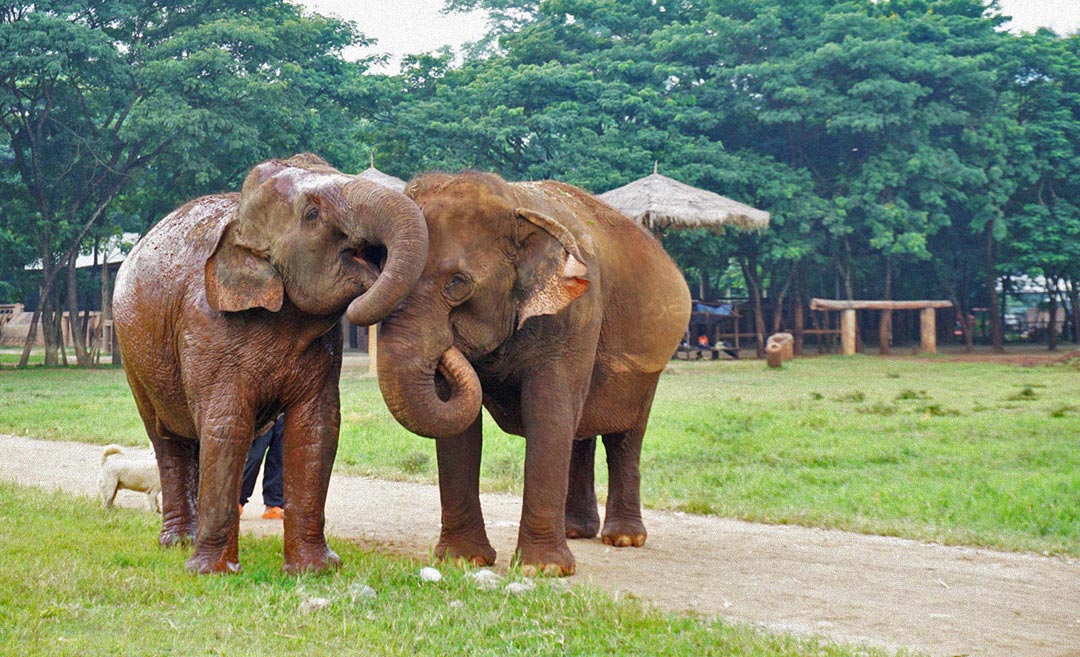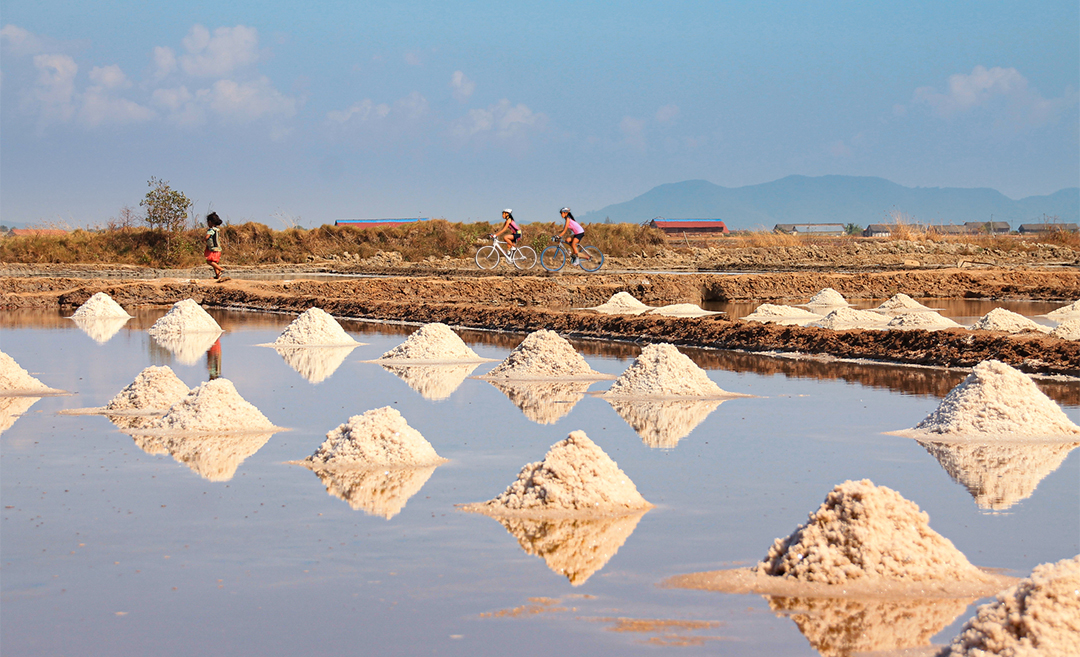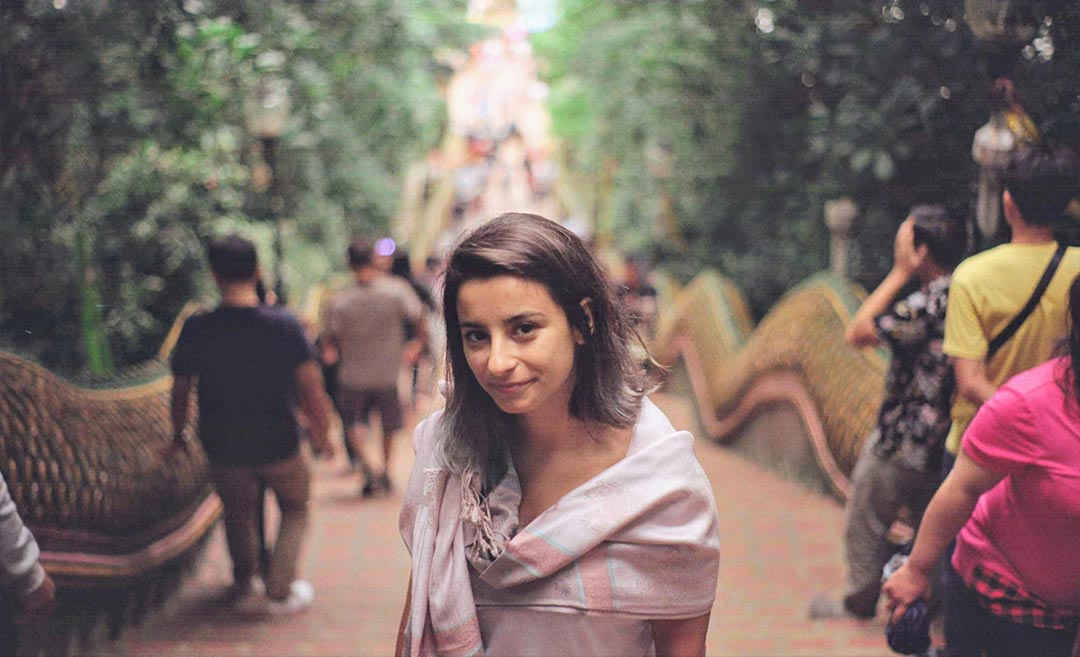
In the quiet pockets between peak rushes, life slows to an unhurried pace, allowing for a warm, genuine connection with the places you visit. (Image by Fred Moon)
For years, I sat with unease. I, too, yearned to see the idyllic, otherworldly destinations influencers post on Instagram. But I’d also seen and read enough to wonder what I’d be contributing to when I rocked up. Reports about overtourism have a way of nestling in the back of your consciousness: islands and beaches closed, locals being priced out, sacred sites and environmentally fragile places facing queues you wouldn’t wish upon your worst enemy.
My desire to travel remained, but I refused to be part of the problem. My question went from “Should I go?” to “When should I go?”
Let’s talk shoulder season travel. These beautiful pockets between peak rushes when crowds have lessened significantly, and life hushes to an unhurried pace. Prices drop. Availability becomes a certainty. And the version of a place you get to know in those quiet in-betweens is the one that leaves your soul with a warm afterglow.
For a woman travelling alone, the lower volume does more too. It gives you room to move more freely, comfortably, to feel genuinely safer and more at ease in a way a packed high-season street doesn’t allow. This shift changes more than just logistics; it changes your entire nervous system.
Angkor, Cambodia
June—October
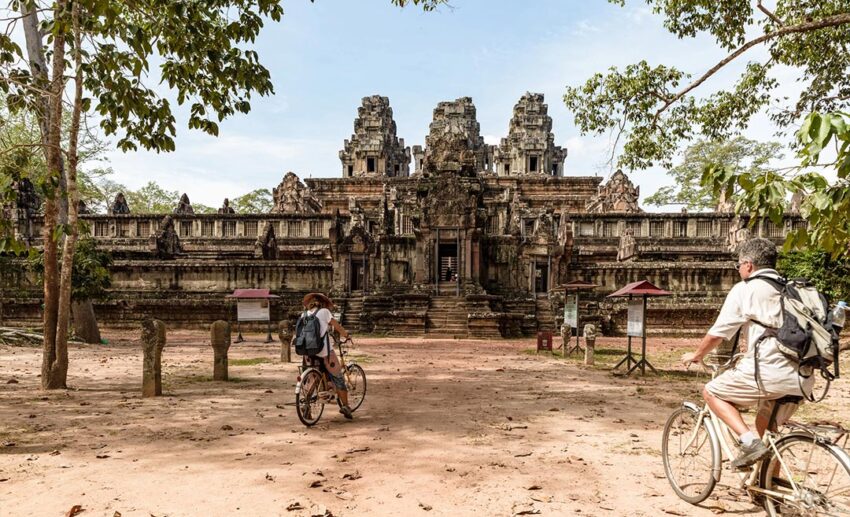
The crowds clear when the clouds roll in for the rainy season. What’s left is an enormous, largely empty landscape of sandstone and jungle, where you can roam one of the minor temples for what seems like a lifetime without coming across another person. I hired a tuk-tuk (kâng bey) for three days, and we worked out routes and timing together over coffee. We’d start before dawn each morning to reach the outer temples (“the big circuit”) with ample time for me to explore in peaceful solitude, capturing reflections in puddles left by tropical showers as morning light unveiled ancient wall carvings. I really did feel like Lara Croft.
Tip: Consider renting an electric bike if the weather permits!
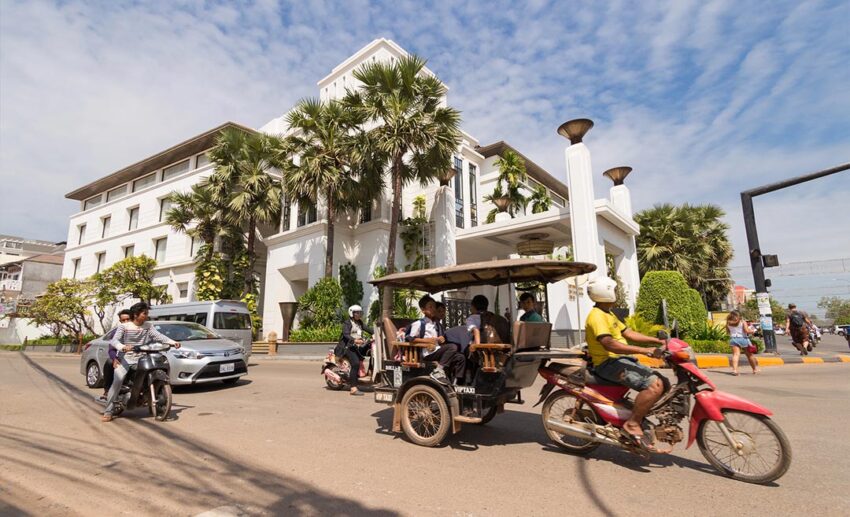
Rooms in Siem Reap that are usually fully booked months in advance during peak season were available at a fraction of the cost, even when booking last-minute. For a solo woman, the lower visitor numbers also meant easier, less cut-throat negotiations or hard sells, as well as more attentive service.
✈️ Ultimate Travel Guide: 10 Things To Know About Siem Reap
Chiang Mai, Thailand
June—October
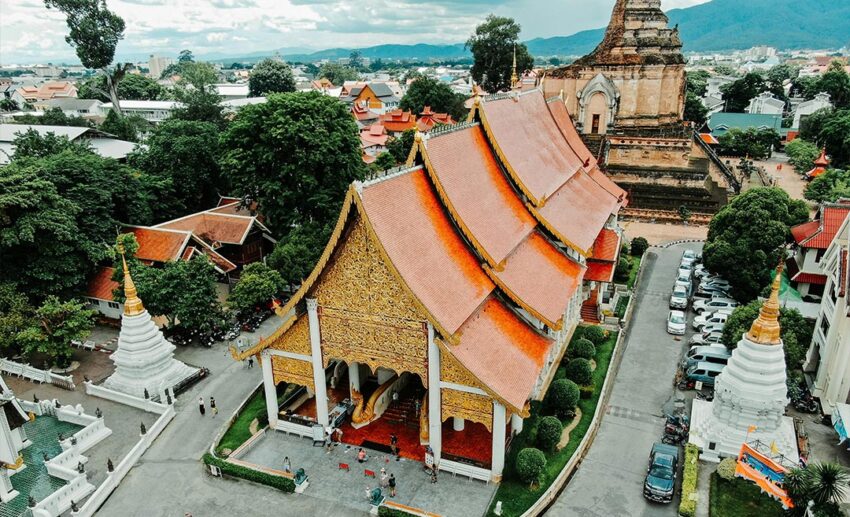
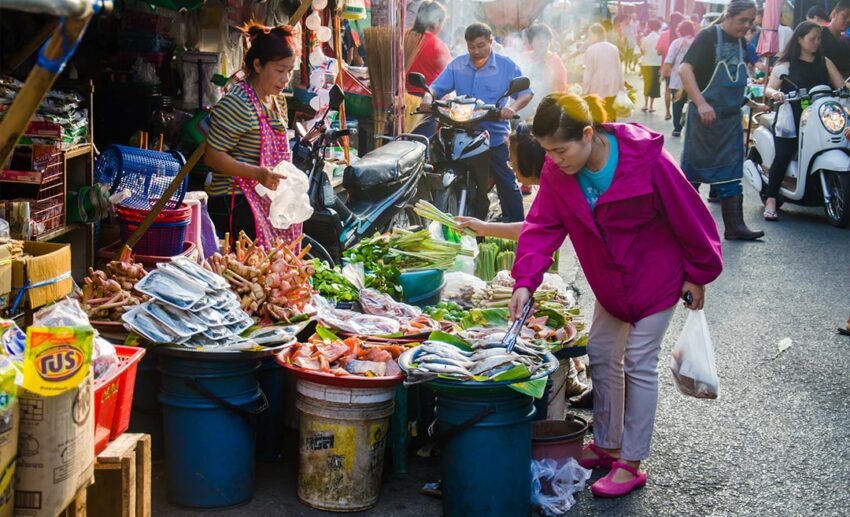
June sees the beginnings of the monsoon. It’s also when most visitors head South. Markets feel far less like a mosh pit. Things are so much calmer; interactions with locals feel lighter, less transactional. Premium-priced resorts take bookings at nearly half the usual price — and you’ll enjoy the facilities practically to yourself. Sure, it rains a little more, but the surroundings experience a rebirth of baby leaves and vibrant greens.
When you’re navigating alone, having to figure out logistics when things are busy, hectic, and fully booked is exhausting. I’m a person who likes to arrive somewhere and see how things unfold. The shoulder season gives me that freedom without having to pre-book or pre-plan every step of my trip.
✈️ Chiang Mai Travel Guide: 9 Tips & Things To Know Before Going
Luang Prabang, Laos
May—September
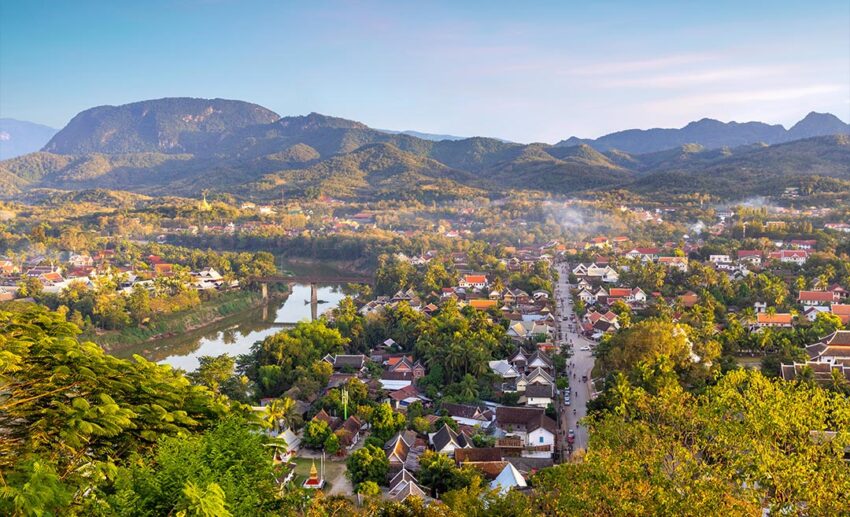
The Mekong runs high and brown in September, while the monks’ alms-giving procession at dawn unfolds in genuine calm. No tour groups lined up three-deep with cameras at the ready. I stood at a respectful distance and felt unexpectedly moved as it dawned on me that I could soak up the simple pleasures of everyday life without tip-toeing around crowds.
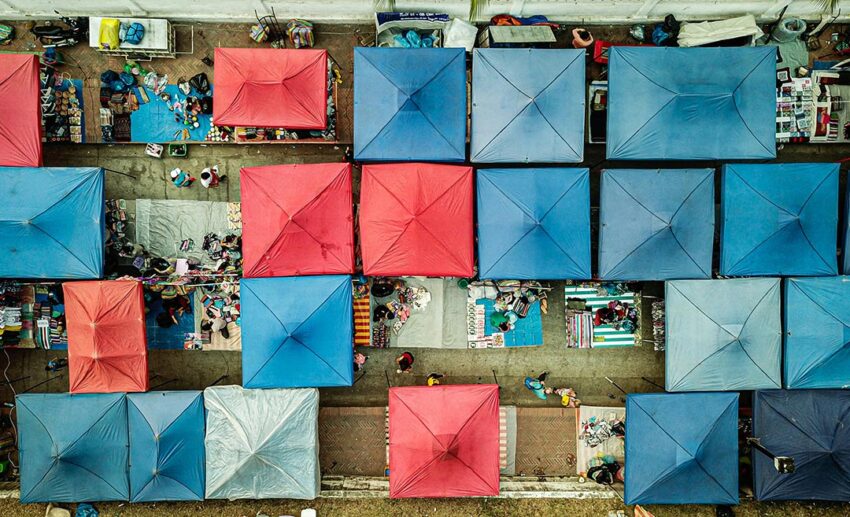
At another point during my visit, a lady at the night market spent a good half an hour explaining fabrics to me and what each regional pattern meant, asking where I was from and being tickled by my background. There was a quality of warmth and attention I’d never experienced while travelling during peak season.
✈️ 10 Tips For Women Travelling To Luang Prabang, Laos
You might get caught in the rain more. Transport might run less often. But what you won’t encounter is the constant feeling of being on high alert — whether for safety or simply competing for everything from rooms to someone’s attention. Instead, you get moments that are unplanned, unhurried, authentic, and I’d go out on a limb to say that’s what happens when a place isn’t at capacity.
As a woman travelling alone, that absence of friction has been one of the biggest game-changers for me on so many levels.