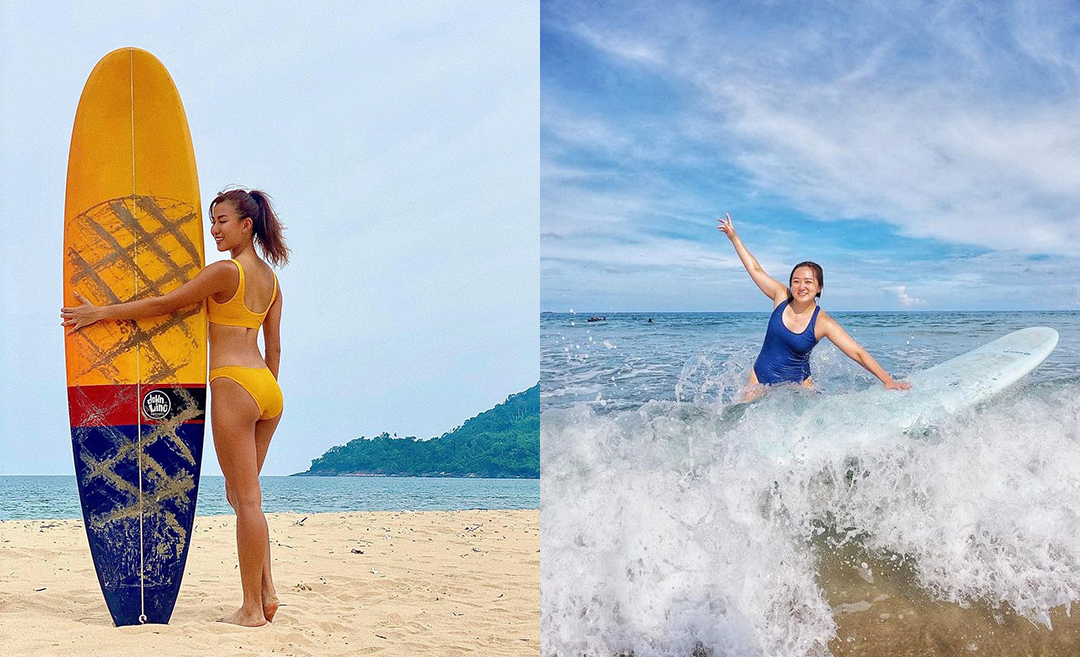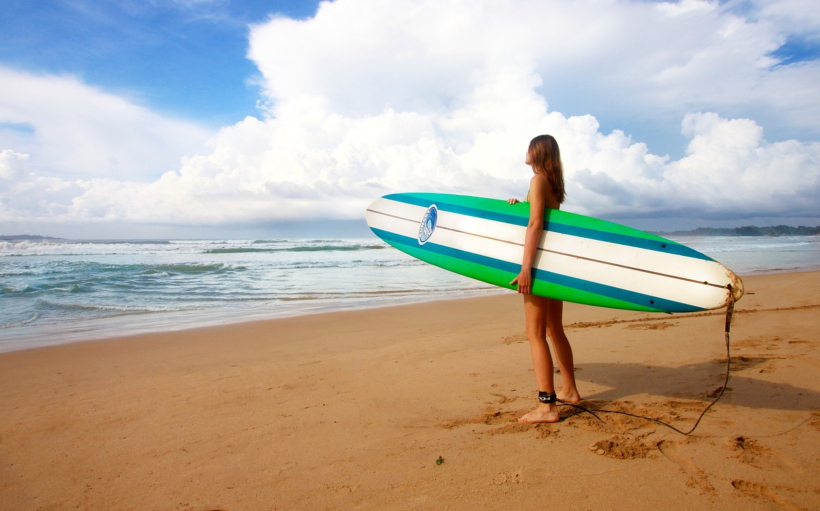
Southeast Asia’s best surfing spots range from beginner-friendly beaches to world-class reef breaks for experienced surfers. (Image by Ivan Torres)
With warm waters, tropical coastlines, and plenty of places to learn, Southeast Asia is a great region to try surfing, whether you’re a complete beginner or a seasoned surfer looking for your next challenge. You don’t necessarily have to plan an entire holiday around the sport, either. A surf lesson can easily become a new experience to add to a beach getaway, while more serious surfers can build an entire trip around the waves.
From Bali’s well-established surf scene to quieter breaks in Sabah, here are some of the best surfing spots in Southeast Asia, with options for different experience levels.
Canggu in Bali, Indonesia
Bali has been in the spotlight for many years and continues to be a surfer’s paradise, with plenty of beaches and surf schools catering to everyone from first-timers to experienced riders. Canggu, in particular, has become one of Bali’s best-known surf hubs, so don’t expect the quiet, under-the-radar experience it may once have offered.
For beginners, Batu Bolong is the place to start, with slower, more manageable waves and plenty of surf schools offering lessons. The beach can get crowded, however, so an early-morning session is your best bet for calmer conditions and fewer people in the water. More experienced surfers can head towards breaks such as Echo Beach and Pererenan when conditions are suitable.
The dry season, generally from April to October, is a popular time for surfing in Bali, although conditions vary between beaches. If you’re new to the sport, let your instructor assess the waves before heading out — bigger is not necessarily better when you’re still learning.
Best for: First-timers, beginners, and experienced surfers who want to be close to Bali’s surf scene.
Nha Trang, Vietnam
Vietnam may not be the first country that comes to mind when you think about surfing, but Nha Trang has a small yet established surf scene. Located along the South Central Coast, the city offers warm water, a lively beach atmosphere, and waves that can be suitable for different levels when conditions are right.
The main surfing season falls during the northeast monsoon, roughly from November to March, when the coast can receive more consistent swells. The rest of the year can be considerably flatter.
Bai Dai, or Long Beach, is one of the more accessible places for beginners, while reef breaks around the Nha Trang area can offer more of a challenge to experienced surfers. As always, conditions depend on the swell, wind, and tide, so check locally before paddling out.
Best for: Beginners and intermediate surfers who want to combine surfing with a wider Vietnam holiday.
Phuket, Thailand
Phuket is a good option if you want to add surfing to a conventional beach holiday. The island’s west coast comes alive during the southwest monsoon, roughly from May to October, bringing rideable waves to beaches including Kata, Kamala, Nai Harn, and Kalim.
Kata Beach is one of the most accessible places for beginners, with a sandy-bottomed beach break and plenty of surf schools and board rentals. The waves are generally manageable for learning, although they can become more powerful as swells increase. More experienced surfers can look towards breaks such as Kalim and Surin when conditions are suitable.
The best surfing conditions tend to fall between June and September, making Phuket’s so-called green season a surprisingly good time to swap the sun lounger for a surfboard. The waves are not necessarily the biggest in the region, but that can be exactly what makes Phuket appealing if you’re learning or simply want to have some fun in the water.
Best for: Beginners, casual surfers, and travellers who want to fit a surf session into a wider beach holiday.
Mentawai Island in West Sumatra, Indonesia
Off the coast of Sumatra lie the Mentawai Islands, a chain of islands and islets famed for their world-class waves. Unlike Bali, this is not somewhere you simply squeeze a two-hour surf lesson into your itinerary. For serious surfers, the Mentawai Islands can be the reason for the trip itself.
The islands are exposed to consistent Indian Ocean swells and are home to famous breaks including Kandui, Bank Vaults, Rifles, and many others. The main surf season generally runs from around March to October, with different breaks coming into their own as the winds and swells change. September falls within this prime surfing window.
This is firmly a destination for experienced surfers, especially those comfortable with reef breaks and powerful waves. Beginners and less experienced surfers would be better off choosing one of the region’s gentler beach breaks before taking on the Mentawai lineup.
Best for: Experienced and advanced surfers planning a dedicated surf trip.
Sabah, East Malaysia
A quick search for surfing in Malaysia will often lead you to Cherating in Pahang, one of the country’s better-known surf destinations. But head north to Sabah and you’ll find another option at the Tip of Borneo.
Kudat’s beaches around Tanjung Simpang Mengayau have become increasingly popular with local surfers and are known for their seasonal waves and beautiful, relatively quiet coastline. The area can offer gentler waves for beginners, while bigger swells provide more of a challenge for experienced surfers.
The surf is seasonal rather than year-round. The northeast monsoon, generally from late in the year into the early months, is the main window for more consistent waves in Kudat, although conditions can vary. If you’re planning a trip specifically to surf, check local conditions before you go.
For beginners, the biggest draw is that you can learn in a less crowded setting than some of Southeast Asia’s better-known surf towns. And if you’re travelling with friends who don’t surf, there’s plenty to do around the Tip of Borneo when you’re not in the water.
Best for: Beginners and intermediate surfers looking for a quieter Malaysian surf escape.
Siargao, Philippines
Known as the Surfing Capital of the Philippines, Siargao draws surfers from all over the world to its famous breaks. The island’s most iconic wave, Cloud 9, is a powerful, hollow right-hand reef break and a thrilling prospect for experienced surfers — but it is not where beginners should start.
If you’re new to surfing, there are gentler options around General Luna, including Jacking Horse, where many surf schools run lessons. The important thing to remember is that many of Siargao’s breaks are over coral reef, so taking a lesson with an experienced local instructor is especially worthwhile when you’re learning.
The main surf season generally runs from late August into November, with September often bringing consistent conditions and October and November producing some of the island’s bigger swells. If you’re a beginner, however, you don’t necessarily need to chase peak surf season. Smaller waves at the right breaks can make for a much better learning experience.
Best for: Everyone from first-timers to advanced surfers, as long as you choose the right break for your level.
The Nusa Islands in Bali, Indonesia
Just a short boat ride from Bali, the Nusa Islands — Nusa Penida, Nusa Lembongan, and Nusa Ceningan — offer a quieter alternative to the main island’s increasingly busy surf scene.
Nusa Lembongan is the main draw for surfers, with several breaks including Playgrounds, Lacerations, and Shipwrecks. Playgrounds is one of the more accessible spots, while the more powerful reef breaks are better left to experienced surfers. Conditions can change significantly with the swell and tide, so beginners should only head out with proper guidance.
The Nusa Islands are also a good choice if surfing is just one part of your holiday. You can spend the morning in the water and the rest of the day exploring beaches, snorkelling, diving, or simply enjoying the island pace.
Best for: Beginner-to-intermediate surfers, experienced surfers, and travellers who want surfing to be one part of a broader island getaway.
Lombok, Indonesia
If you’re looking to learn how to surf without feeling like you’ve been thrown into the deep end, Lombok makes a great alternative to busier Bali. The island’s south coast has a mix of gentle sandy-bottomed breaks for beginners and more challenging waves for experienced surfers.
Selong Belanak is one of the best places on the island to start, thanks to its long sandy beach and relatively gentle waves. Surf schools and instructors are easy to find, making it a straightforward place to book a first lesson. Tanjung Aan and the sheltered waves around Gerupuk can also suit surfers who are ready to progress beyond their first few sessions.
For more experienced surfers, the big-boy waves lie elsewhere. Desert Point, also known as Bangko-Bangko, is famous for its powerful left-hand barrels and is firmly in advanced territory.
The main surf season on Lombok generally runs from around May to October, when the south coast receives more consistent swells. September and October can be particularly appealing for travellers looking to combine favourable surf conditions with a quieter island escape.
Best for: Beginners who want room to learn, as well as intermediate and advanced surfers looking to progress.
Editor’s note: This article has been substantially updated in September 2026 to reflect current surf conditions, seasons, and the needs of travellers at different experience levels. Surf conditions can change with the weather, swell, wind, and tides, so always check local conditions and seek guidance from a qualified surf instructor before heading into the water.