Retracing my grandmother’s wartime journey through Kuala Lumpur and Singapore transformed familiar sights into a deeply personal story of survival, memory, and heritage. (Images by Jessica Holmes)
There’s something strange about standing on an ordinary street and realising that, almost 80 years earlier, your grandmother stood there too.
In 2016, I travelled to Kuala Lumpur and Singapore with my grandmother’s story in the back of my mind. My grandmother, Joan, was born in Kuala Lumpur in 1930 and spent her early childhood there.
When the Japanese invasion of Malaya forced her family to leave, they travelled to Singapore hoping to find a ship that would take them to safety. Instead, the boat they boarded was bombed, and Joan, then just 11 years old, became one of thousands of civilians caught up in the Japanese occupation. She was eventually interned alongside some of the female members of her family in Muntok camp on Bangka Island in Sumatra.
I had known the broad outline of this story for most of my adult life. But knowing what happened and standing where it happened turned out to be two very different things.
Seeing Kuala Lumpur through my grandmother’s childhood
I began the trip in Kuala Lumpur, the city my grandmother had once called home. Joan was born there on 2 October 1930 and attended the Convent of the Holy Infant Jesus (known today as Convent Bukit Nanas). The family left Kuala Lumpur as the Japanese advance made staying there impossible, eventually heading south towards Singapore in January 1942.
I obviously couldn’t see Kuala Lumpur exactly as she had known it. Nearly eight decades had passed. Buildings had changed, roads had shifted, and the city had grown into the enormous, energetic metropolis it is today.
Knowing what happened and standing where it happened turned out to be two very different things.”
But that difference was part of what made the experience so interesting.
Travel usually encourages us to look forward. We arrive somewhere new and ask: What should I see? Where should I eat? What shouldn’t I miss while I’m here?
This time, I was constantly looking backwards.
Instead of simply seeing Kuala Lumpur as a destination, I was trying to imagine it as the place where a little girl had gone to school, wound up her siblings, played with her friends, and lived an ordinary childhood before war abruptly changed everything.
Following my grandmother’s wartime route to Singapore
From Kuala Lumpur, I followed her journey south towards Singapore.
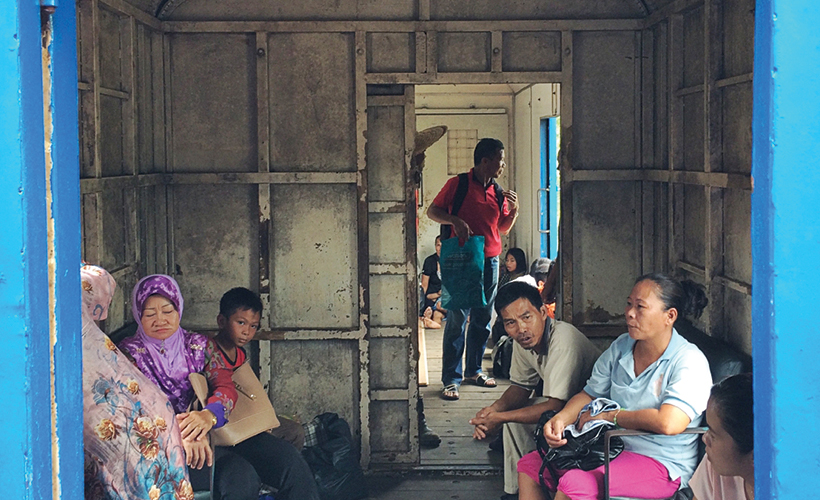
For my grandmother, it was a journey made with her family in fear, and with the hope of escape. For me, it was a comfortable, modern trip by air between two fascinating cities. I couldn’t help comparing the two journeys, with a knot in my stomach.
Singapore fell to Japanese forces on 15 February 1942, beginning more than three years of Japanese occupation. In the days before the surrender, civilians desperately tried to leave the island by boat. Joan and her family were among them.
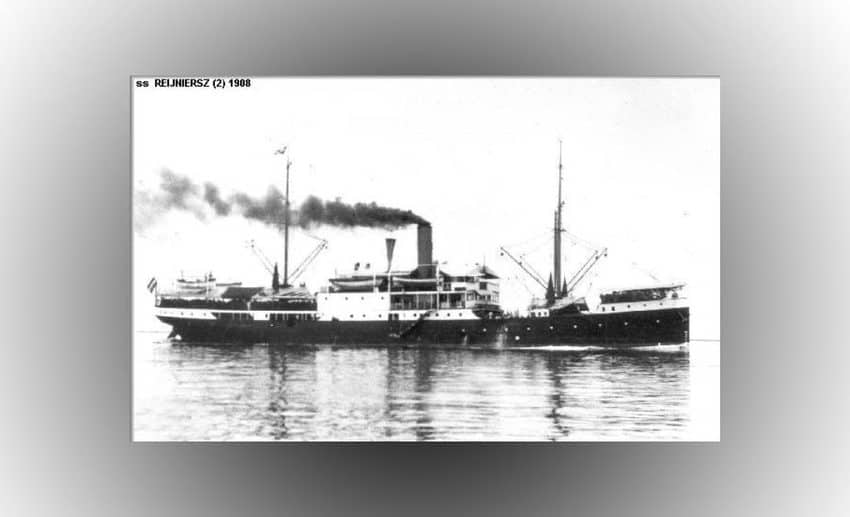
Their boat, the HMS Giang Bee, was bombed on 13 February. Some members of the family were lost at sea, while the survivors eventually reached Muntok on Bangka Island. From there, the women and children were separated from the men and taken into internment.
Hearing about those details is one thing. Looking out across the water and knowing that your family once travelled across it and abandoned ship into life rafts, never seeing members of their family again, is another.
Suddenly, Singapore wasn’t just somewhere I was visiting. It was one of the places that had shaped the life of someone I loved, and in turn, me.
Finding a street that was part of my family story
One of the most unexpectedly emotional moments came when I found the Singapore street where my great-grandmother had lived after the war: Nallur Road off the Upper East Coast Road.
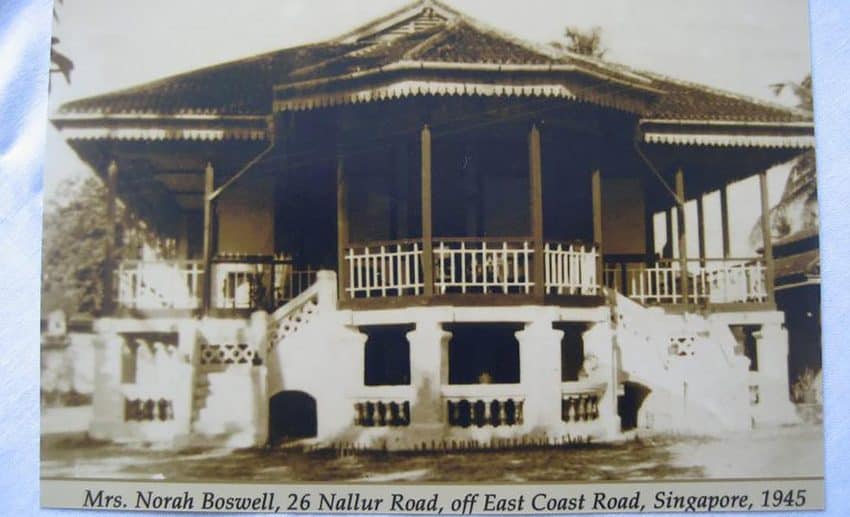
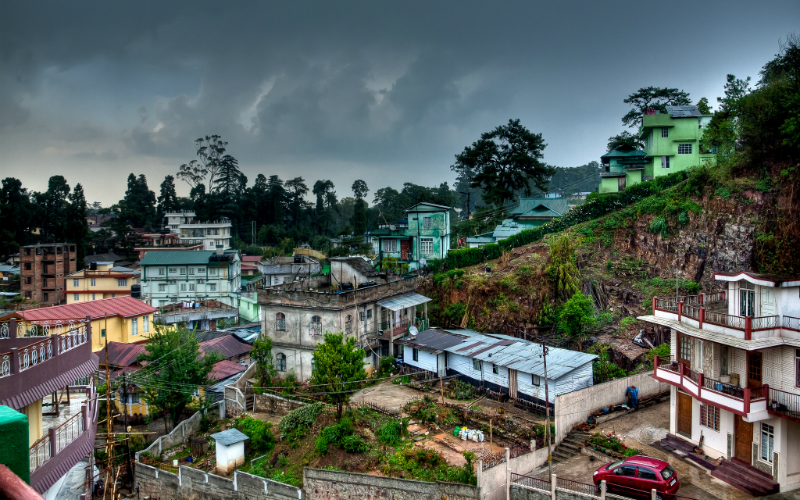
The house was long gone. In fact, all the houses along the street had been knocked down and rebuilt, and the area was far more commercial than residential. Being out towards the airport and away from the centre made it feel a little strange. There was nothing to suggest that my family had ever lived there. Still, I stood there for much longer than I expected.
It made me realise that ancestry travel isn’t necessarily about finding preserved landmarks. Sometimes the places that matter most look completely unremarkable.
The street itself didn’t tell me anything. But I was quite literally standing where my great-grandmother had once stood, in a place where she had returned after the war and tried to rebuild her life. Knowing its place in my family history gave it a different weight and meaning.
Changi: When history became personal
I didn’t make it to Bangka Island itself to visit the Muntok Peace Museum. It’s remote and, with the time I had, getting there would have meant a much bigger detour than I could manage. Instead, I visited the Changi Chapel and Museum in Singapore, which tells the story of Singapore’s wartime occupation and the civilians and military personnel who were imprisoned during it.
We often travel to escape our own stories… But travel can also do the opposite: it can help us understand where we came from.”
It wasn’t the place where my grandmother was interned, but the museum helped me understand more about what she and so many other civilians experienced during the Japanese occupation.
The history of the occupation and civilian internment was harrowing. After the Giang Bee was bombed, my grandmother and the other surviving women and children were eventually taken to Muntok, where they were interned in increasingly difficult conditions. Disease, starvation, and exhaustion took a terrible toll, and many people didn’t survive. My grandmother did.
She returned to Singapore after the war, finished her education and trained as a clerk-typist. She later worked for the RAF, where she met my grandfather, a British RAF officer. Eventually, they moved to England together and built their life there.
Standing in the museum, I found myself thinking less about the dates and historical details and more about the enormous gap between the frightened 11-year-old girl who had been caught up in the war and the grandmother I knew decades later.
It was emotional, but not simply because it was sad. There was something unexpectedly healing about being there. For the first time, the story I’d grown up hearing felt less like a distant chapter of family history and more like something I could begin to picture for myself.
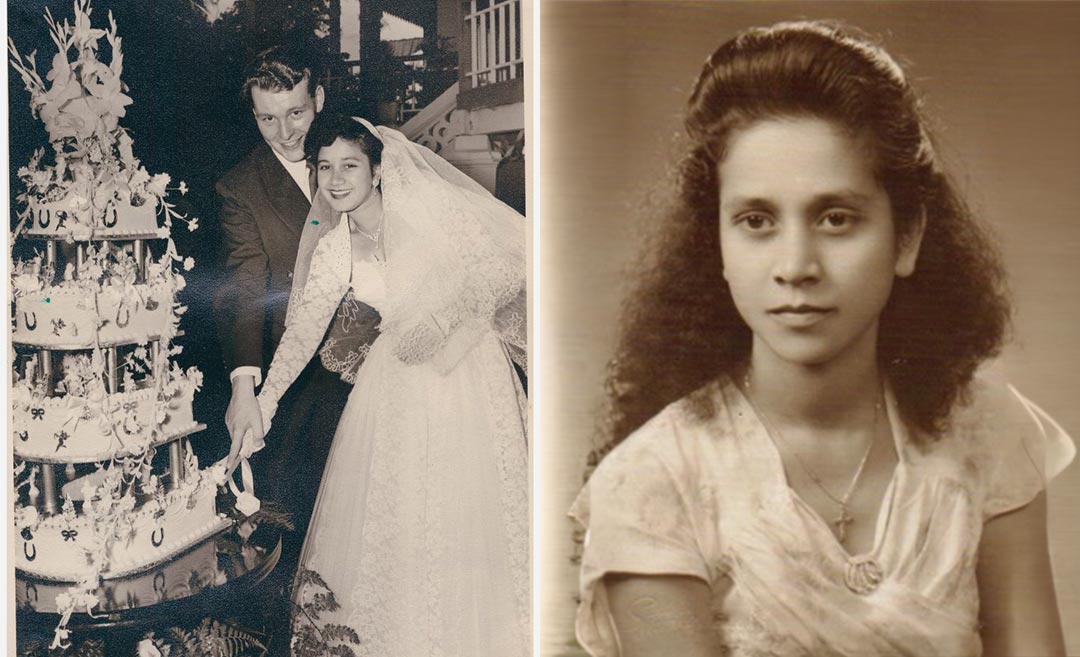
For years, her story had existed in my mind as a collection of things that had happened to someone I knew. Travelling to those places helped me understand that she hadn’t simply been a victim of history. She had been a child, a daughter, a student, a young woman, a worker, a wife and eventually a grandmother. The journey made her feel closer than ever.
Why travel with your ancestry in mind
We often travel to escape our own stories. We go somewhere new to experience something different, to switch off or to become temporarily anonymous. But travel can also do the opposite: it can help us understand where we came from.
Following my grandmother’s footsteps took me beyond the usual tourist attractions and gave me a different way of seeing Kuala Lumpur and Singapore. I noticed streets rather than just landmarks. I thought about migration rather than movement. I looked at maps and coastlines and wondered what those same places had meant to someone else.
Most importantly, it changed the way I think about ancestry. You don’t need a famous family tree or a grand historical discovery. Sometimes one person’s story is enough to give an entire country a new meaning.
Planning your own ancestry travel journey
If you’re thinking about taking a similar journey, a little preparation can make it much more manageable:
Talk to your relatives first. Speak to older family members while you can. Ask about names, addresses, schools, jobs, favourite places, and the ordinary details that might never appear in official records.
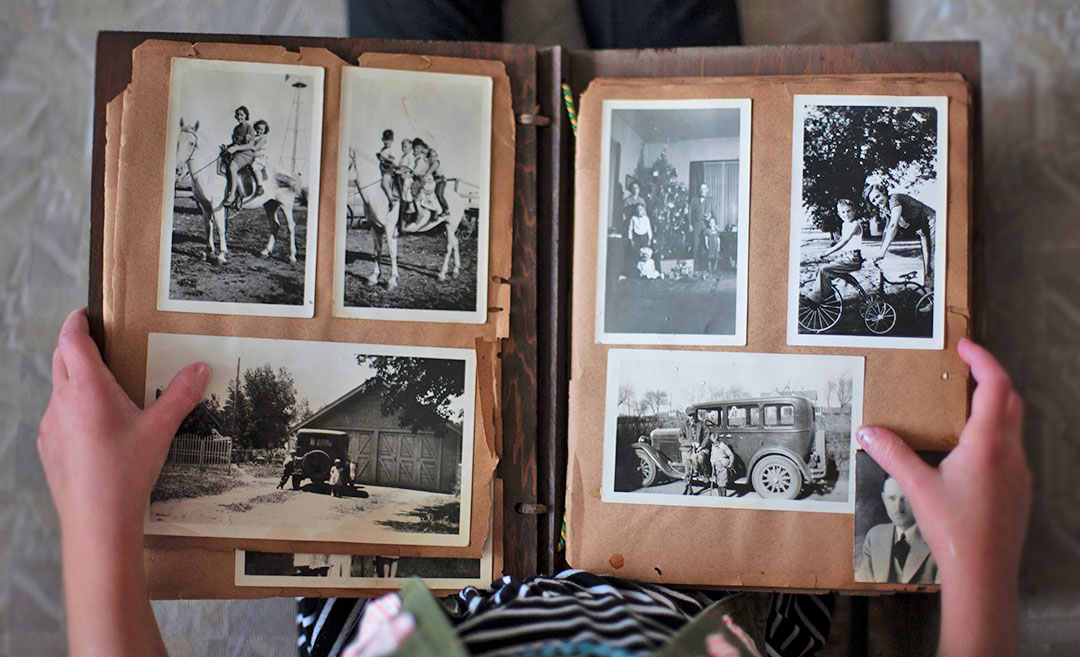
Collect family documents and photographs. Old photographs, letters, passports, diaries, certificates, and even handwritten notes can help you work out where someone lived and travelled.
Build a timeline before you go. Plot the places and dates on a map. You may discover that a journey you thought was simple actually crossed several countries or happened over a much longer period.
Use local museums and archives. Museums, archives, memorials, and historical collections can add context to a family story and help you understand what was happening around your relatives at the time.
Leave room for difficult emotions. You might uncover things you weren’t expecting. Ancestry travel can be joyful, fascinating, and deeply upsetting all at once.
Let the trip be a trip, too. You don’t have to spend every moment researching. Eat the local food, wander, sit in a cafe, and experience the place as it is today. Your ancestors’ lives are part of the story, not the entirety of it.
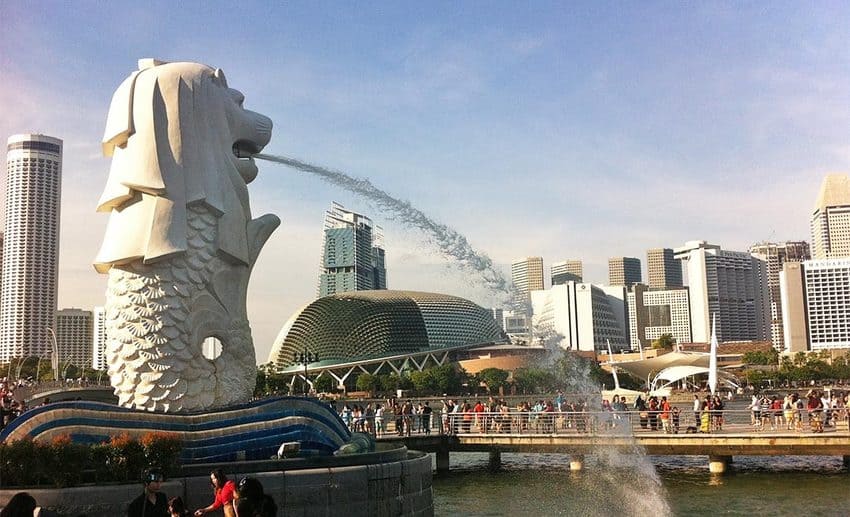
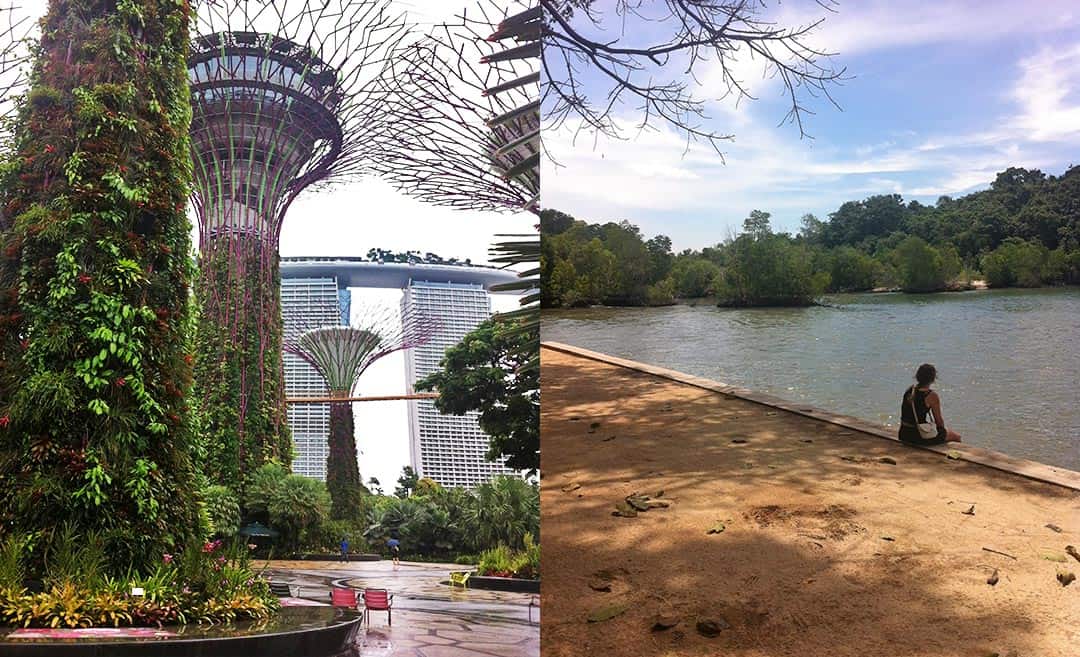
Exploring modern Singapore today, where contemporary landmarks sit atop layers of personal and shared family history. (Image: Jessica Holmes) 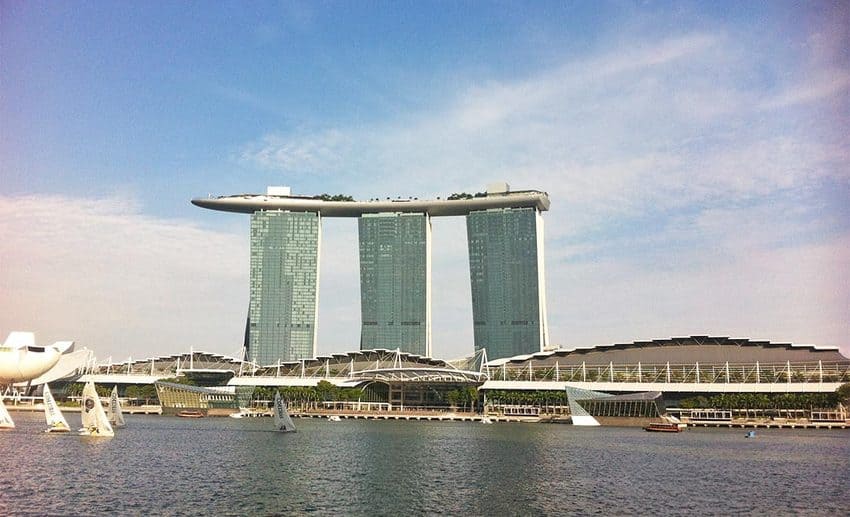
Exploring modern Singapore today, where contemporary landmarks sit atop layers of personal and shared family history. (Image: Jessica Holmes) 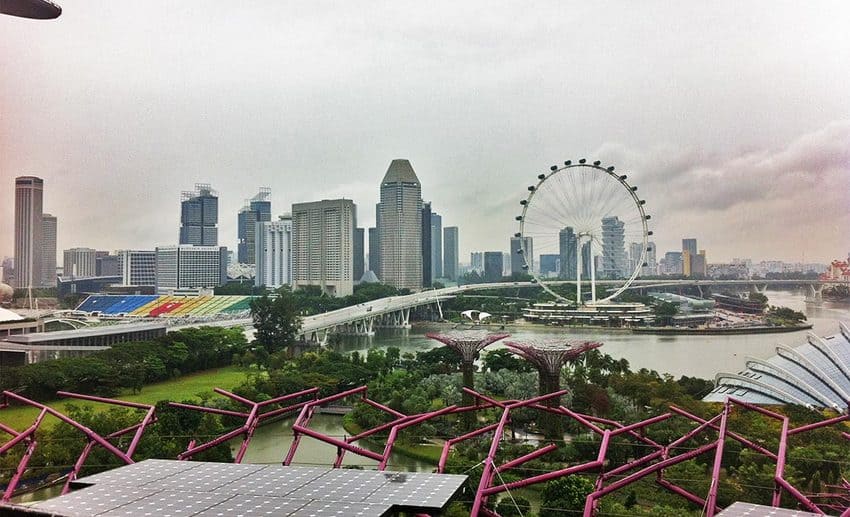
Exploring modern Singapore today, where contemporary landmarks sit atop layers of personal and shared family history. (Image: Jessica Holmes)
Maybe the greatest surprise of following my grandmother’s footsteps was that I wasn’t trying to recreate her journey. I couldn’t.
Her journey was made under circumstances I can barely imagine. Mine involved passports, maps, comfortable transport, and the freedom to decide where I wanted to go next.
But by travelling through some of the same places, I was able to see her story in three dimensions. And somewhere along the way, the places became part of my story too.