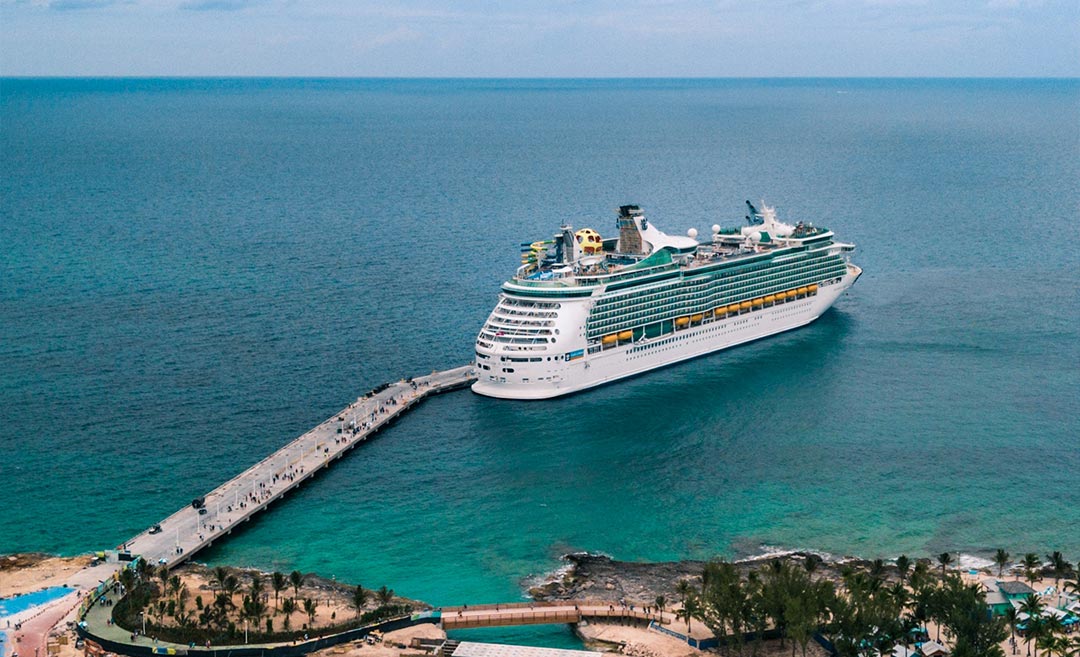
A first-hand Mekong river cruise review, following the waterways from Siem Reap to Ho Chi Minh City through Cambodia and Vietnam. (Image by Compagnie Fluviale du Mekong by CroisiEurope)
The flight path into Siem Reap’s new airport crosses Tonle Sap, the Great Lake of Cambodia. It is the region’s largest inland lake and a defining feature of the country’s geography.
I planned to visit the temples of Angkor before taking a river journey through Cambodia and Vietnam, following the waterways that flow into the East Sea near Ho Chi Minh City.
In recent years, the introduction of luxury cruisers has made it possible to explore these rivers in comfort. When the opportunity arose to travel aboard the RV Toum Tiou II, I took it.

Beginning in Angkor
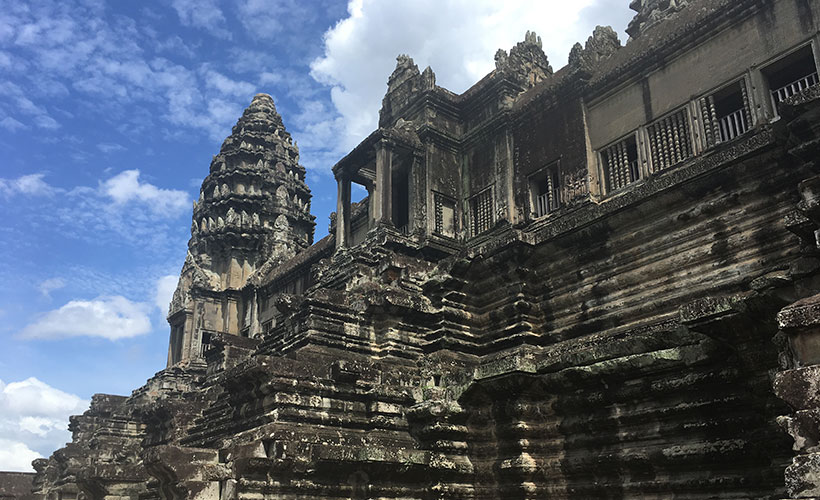
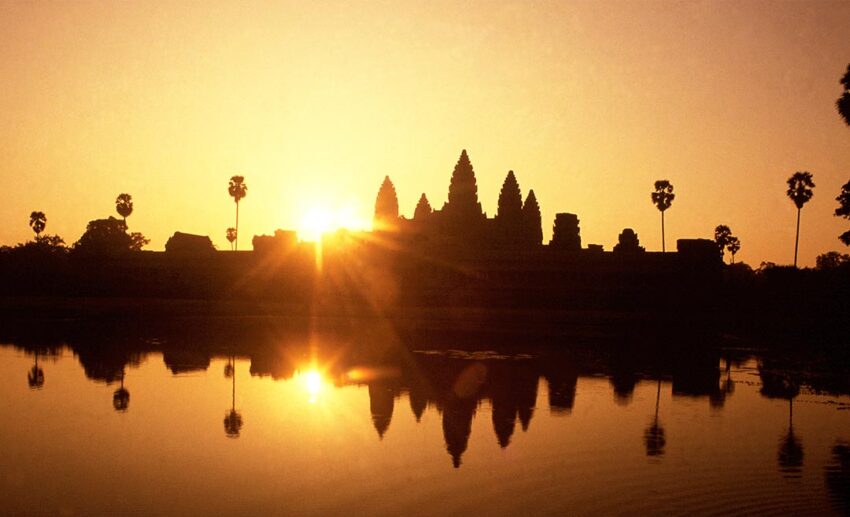
Few travel this far without first visiting Angkor, the UNESCO World Heritage Site. Best known for Angkor Wat, the world’s largest religious monument, the site also includes hundreds of other temples spread across the plains.
From the ninth to the fifteenth centuries, Angkor was one of Asia’s most powerful empires, and, at its height, it was the world’s most densely populated urban area, with some one million inhabitants.
When water levels are high, cruise vessels can cross the Tonle Sap. However, when I travelled in August, levels were low, so we travelled by coach to Koh Chen on the Tonle Sap River, which flows from the lake. There, we boarded the Toum Tiou II for our eight-day cruise.
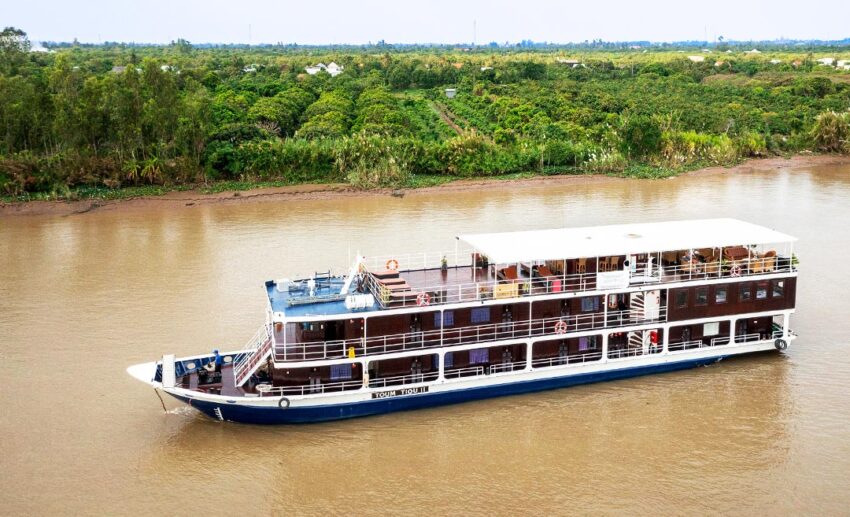
Cruise comforts
The cabins are compact but comfortable, and it’s best to travel lightly with a soft bag that can be stored beneath the bed. The ship has 14 cabins and carries no more than 28 passengers, which makes for an uncrowded journey. My timber-lined cabin was well equipped, with air conditioning, a shower, a toilet, and a comfortable bed.
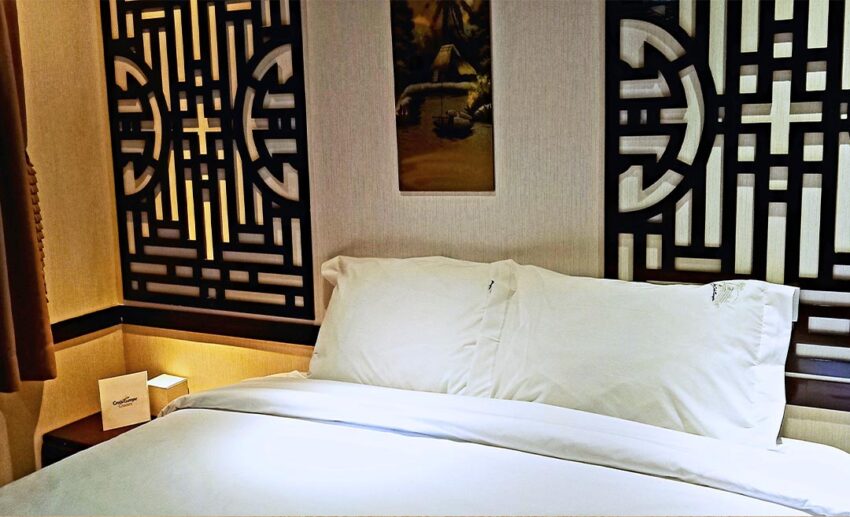
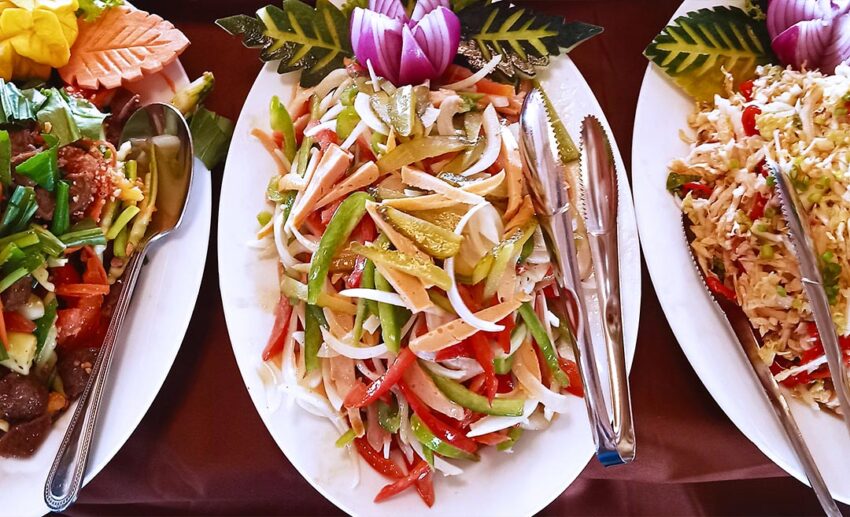
Public areas include a restaurant and a covered sundeck with rattan chairs and loungers. Passengers can opt for a fully inclusive package, which covers all drinks, or pay for them individually. Massage therapies are also extra.
Cambodian countryside
On the second day, we cruised upriver towards Kampung Chhnang, where the river meets the lake. The cruise offers a discovery programme highlighting the cultures and natural features of both Cambodia and Vietnam.
We set out for a guided visit to a village. Shore excursions typically take place in the morning and afternoon, with options to cycle or travel by minibus. In rural Cambodia, seasonal rhythms shape daily life, especially the rice-growing cycle. The Tonle Sap experiences a unique annual phenomenon in which the river reverses its direction, flowing upstream from the Mekong back into the lake.
During the monsoon, the lake can swell to as much as five times its dry-season size. Communities along its edges must be mobile, relocating as water levels rise and fall. Ethnic groups, including those with Vietnamese heritage and Khmer Muslim Chams, live in stilt houses or floating homes adapted to these conditions.
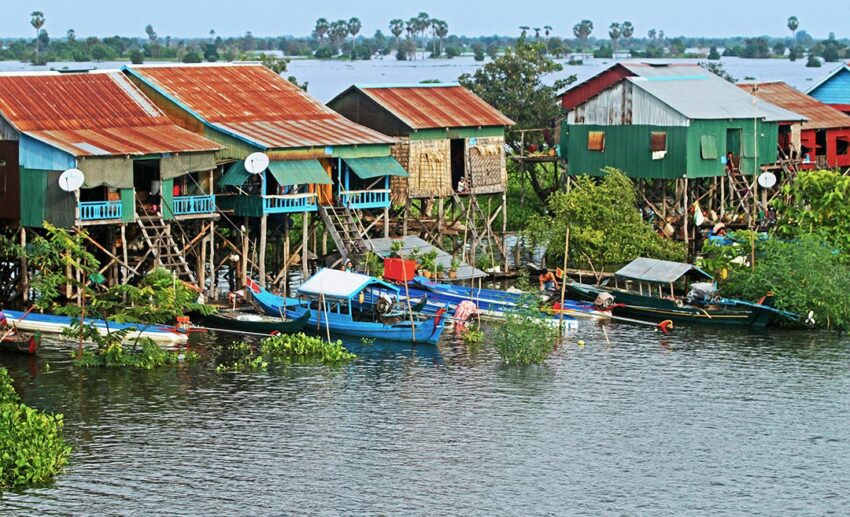
Scientists suggest that Tonle Sap is the world’s most productive freshwater ecosystem, even more so than the Amazon River. Trees within the lake’s flooded forests aren’t only spawning grounds for fish; they’re also a wildlife habitat, especially for birds, which roost and feed here.
Kampong Chhnang is the principal town, strategically located at the lake’s eastern end. It’s a bustling market town where people get on and off ferry boats that head across the lake to Siem Reap. We alighted to visit a rural pottery works, a sugar palm farm, and the atmospheric market.
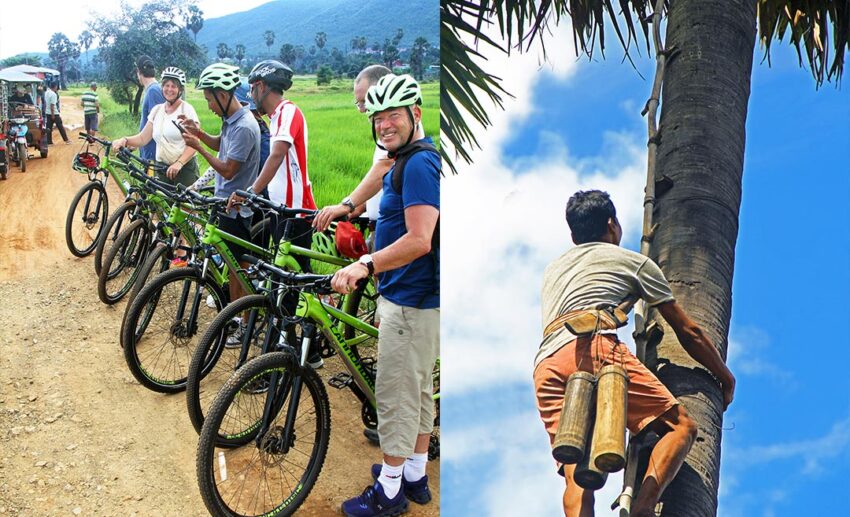
The town is renowned for its pottery, used to make water containers and cooking pots. The sugar palm is another important resource providing material for hats, thatching, and palm sugar. We admired a farmer climbing a palm to collect the sap, which was then heated to make syrup or crystalline blocks similar to gula Melaka.
Passing through Phnom Penh
Phnom Penh has developed rapidly since peace was restored in 1991. The Royal Palace and National Museum were our principal stops in the morning.
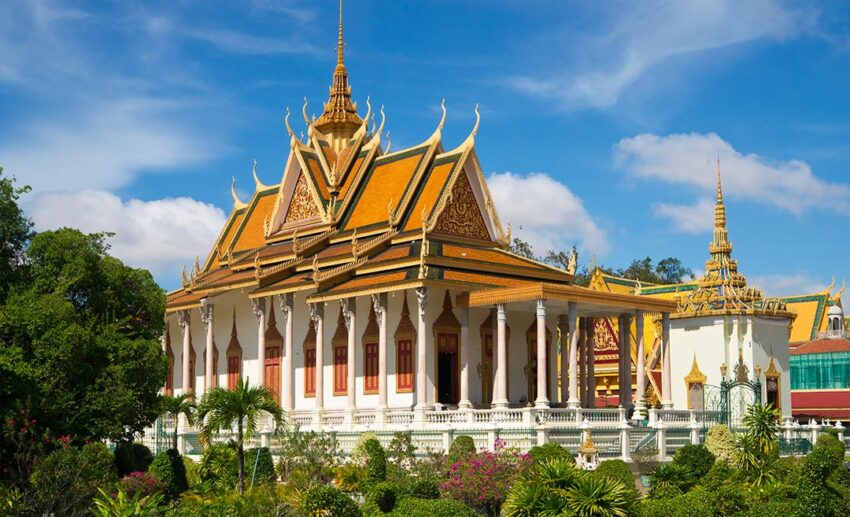
Phnom Penh sits at the confluence of the Tonle Sap, Bassac, and Mekong Rivers. The Mekong, first mapped in 1866, flows for 4,350 km from the Tibetan Plateau, through the Yunnan Highlands, and to its delta and the East Sea.
Crossing into Vietnam
Early on day five, we completed Vietnamese entry formalities while enjoying another sumptuous breakfast prepared by the chefs. We then rode the cable car up Sam Mountain to admire the river and the agricultural lands of both countries.
After lunch, we visited the Tra Su Forest for a boat journey, paddling through the flooded forest where birds roost. Evenings were reserved for relaxed drinks on the sun deck, followed by three-course dinners.
The cruise revealed two distinct worlds: sleepy rural Cambodia and the bustling economic life of riverine Vietnam. Markets such as Sa Dec, which we reached on day six, are lively and focused on fresh produce. In the late morning, we joined a cooking class at a village restaurant. Spring rolls and Vietnamese pancakes were prepared and eaten before we set off on a cycling and kayaking excursion.
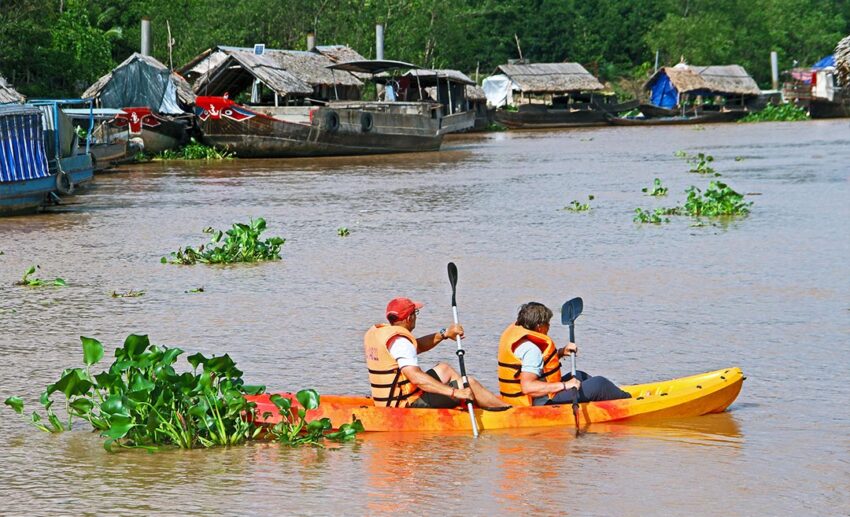
On day seven, we woke on the river near the busy Mekong Delta city of My Tho. Even at sunrise, the water was crowded with boats of all types. At Thoi Son Island, we sampled local fruits before continuing by sampan along a canal lined with nipa palm.
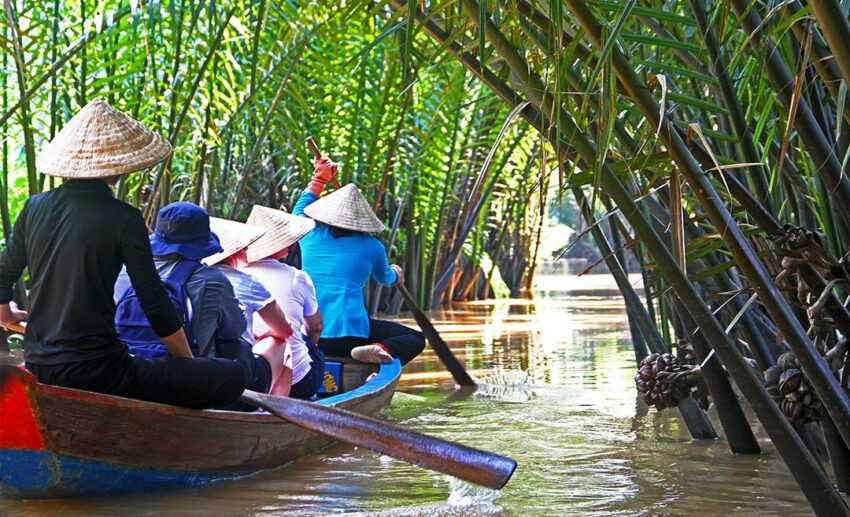
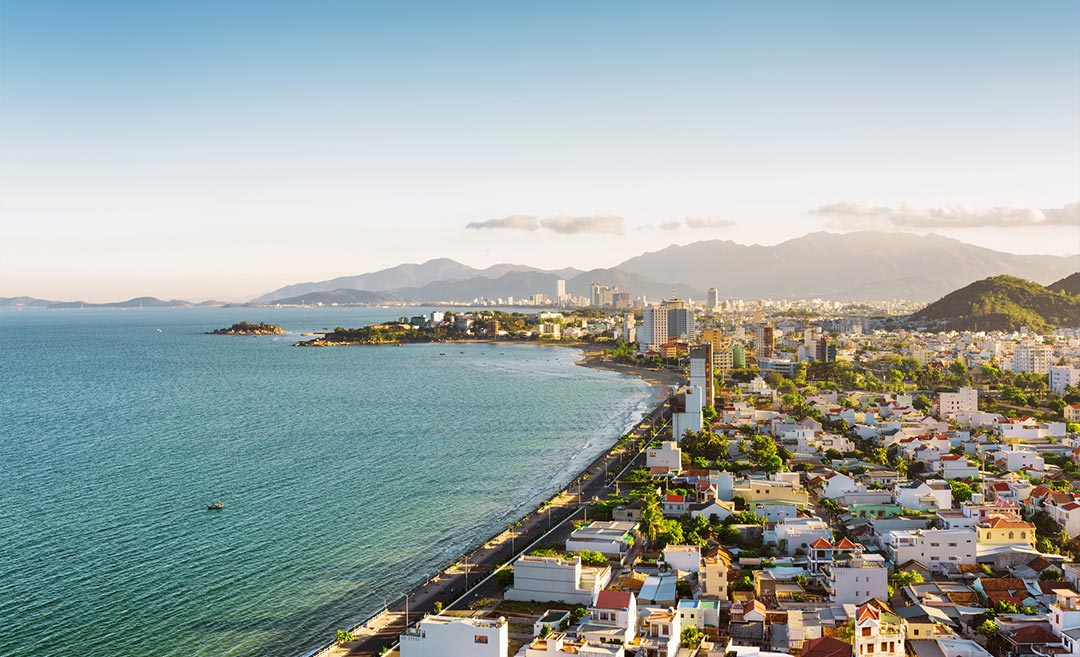
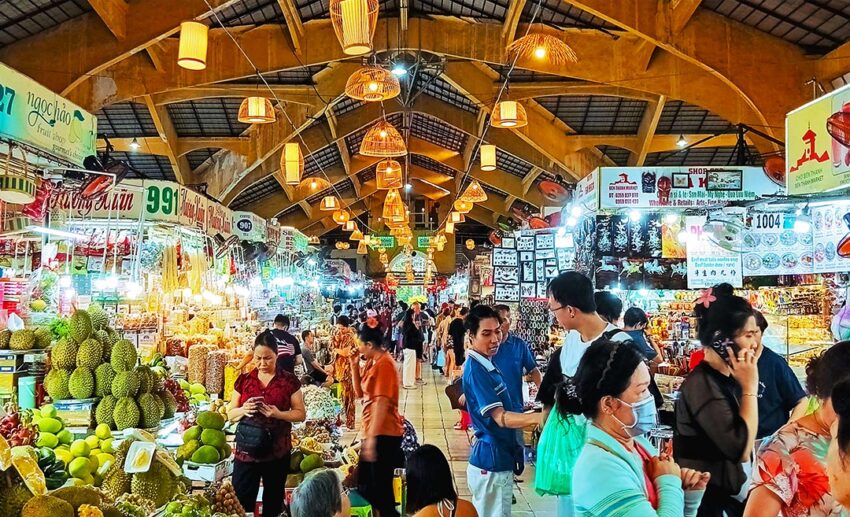
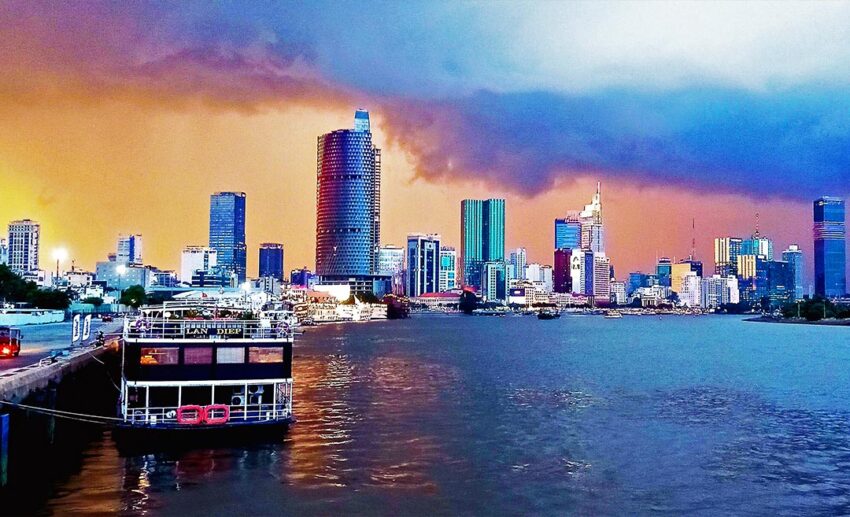
We docked later that afternoon in Ho Chi Minh City, where we spent two nights and visited temples, Flower Street, Book Street, Nôtre-Dame Cathedral, Independence Palace, and Ben Thanh Market. Our guide, as in Cambodia, knew his territory intimately, offering deep insights into Vietnamese culture.
Overall, the Toum Tiou 11 offers an adventurous and relaxing journey into the lives of those who depend on the Mekong River for survival.
Quick tips
- CroisiEurope Cruises operates eight-day cruises between Koh Chen (Cambodia) and Ho Chi Minh City (these cruises are offered in both directions).
- Plan your visit carefully: heat, humidity, and rain affect comfort. February–April is the hottest, driest period.
- Entry to both countries for Malaysians is visa-free, but other nationalities may require visas.