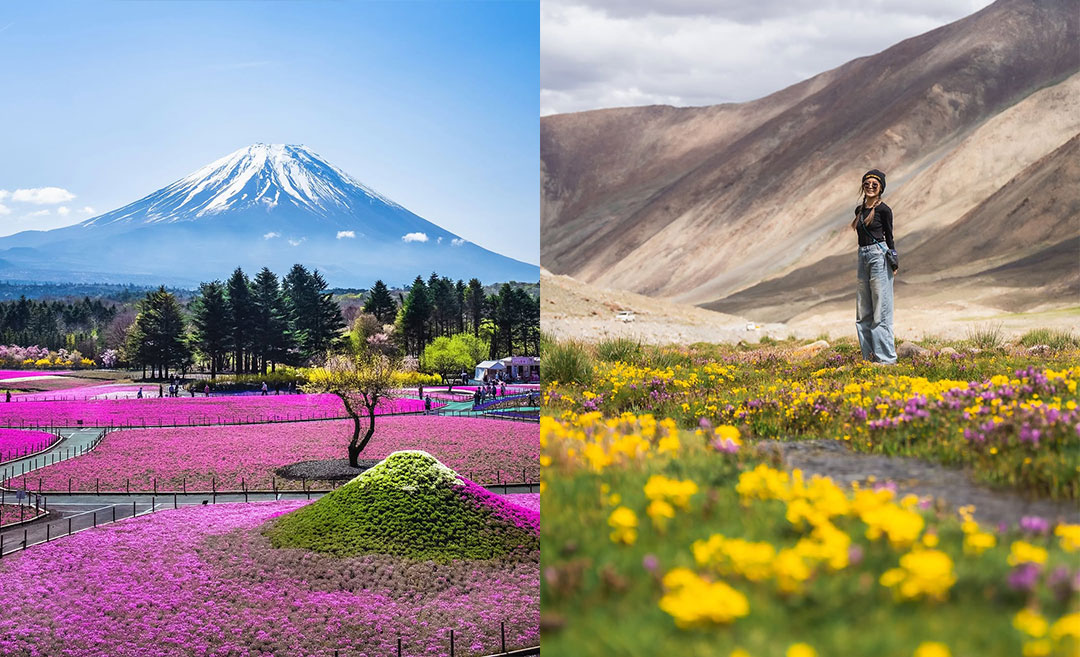
A perfect social media grid is a pleasure to look at, but when the priority shifts to documenting rather than experiencing, travel risk becoming performative. Capturing the ideal shot shouldn’t mean missing out on the moment. (Image by ASMedvednikov.mail.ru)
A good social media grid is always aesthetically pleasing to look at. Who doesn’t love the occasional self-admiring moment? However, putting your social media documentation above all when it comes to travelling may risk you missing out on the real things worth cherishing and make a fun activity feel performative.
In an era shaped by overtourism and digital noise, many trips are quietly being shaped by visually lush but emotionally empty habits that prioritise aesthetics over meaningful travel experiences. While using social media as a travel tool is not inherently negative, it can pull you away from being fully present during a trip. As a result, you may return home from your travels with plenty of beautiful photos but fewer lasting memories.
Consider this a handbook to help you ditch common travel habits and plan more meaningful, emotionally rich trips.
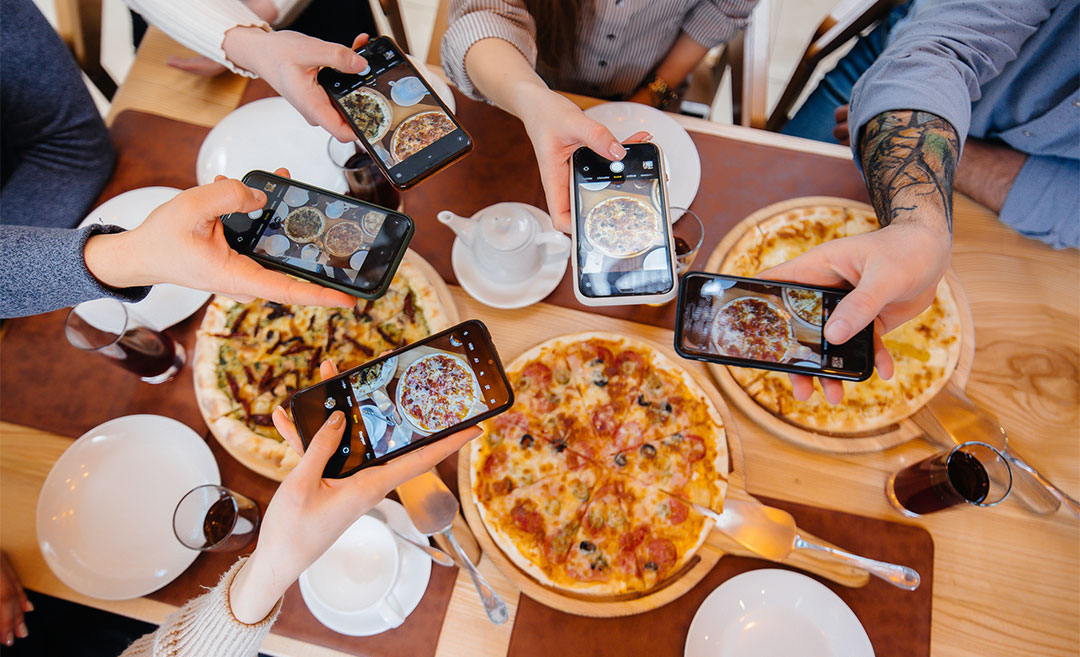
The Viral Trap: Exclusively Eating at “Trending” Spots

It goes without saying that some of these spots earned their “viral” status for valid reasons. However, revolving your gastronomic journey entirely around these places is likely to add unnecessary stress. Firstly, queues and crowding can turn meals into a checklist rather than an experience. Secondly, you may end up overpaying for food you could find more authentically and affordably somewhere else. Can you imagine missing out on local gems just for the sake of getting to tell everyone that you visited a TikTok-famous spot?
Instead, balance one viral spot with neighbourhood cafes, markets, or street food recommended by locals. This small shift often leads to richer cultural exchange, unexpected conversations, and meals that feel far more memorable than any trending restaurant.
Frames Over Feelings: Planning Itineraries Around Photo Spots
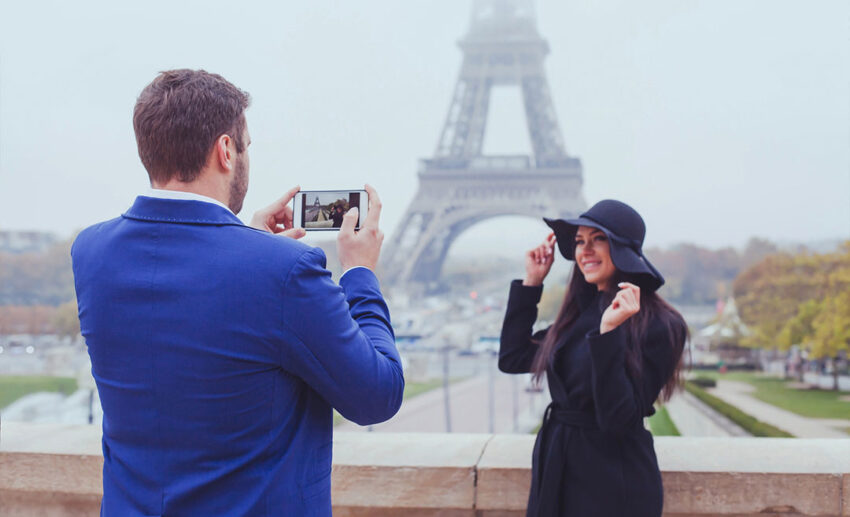
The easiest way to document a trip is undoubtedly the strategic pictures taken every so often to make sure there are things to remember the special moments by. After all, you may not be there again anytime soon. Despite that, avoid planning your complete itinerary based on photo spots alone. It is likely not the best idea, considering how many other experiences you will be missing out on when you are seeing everything through your phone lens.
Instead, pace the itinerary so you are investing your travel time in something else worth remembering, alongside visiting iconic photo spots. Take a chance on the off-the-beaten paths and leave room for experiences that cannot be captured in a single photo.
The Exhaustion of Excess: Fitting Too Many Places Into One Trip
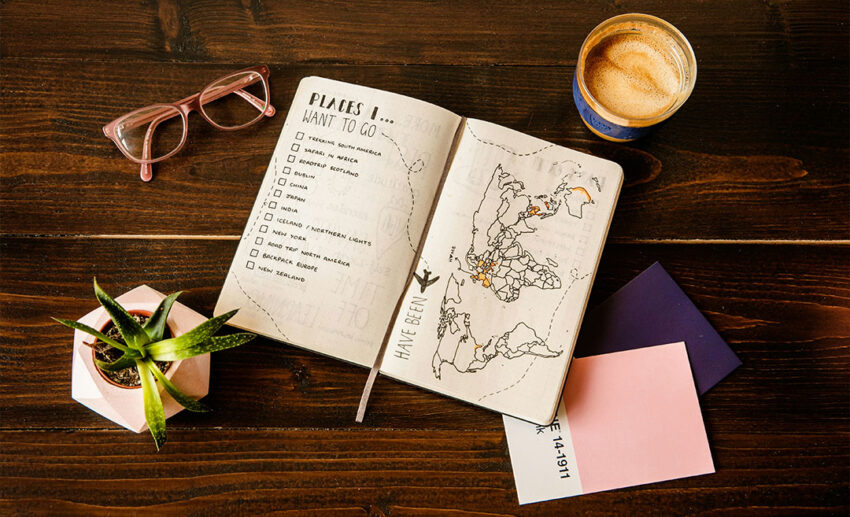
In any case at all, avoid biting off more than you can chew. Like other general pieces of good advice, this applies just as well to planning a trip. It is important to listen to your body. Instead of forcing yourself to tick off every single landmark, pick the top three to five places you want to visit most, according to the duration of the trip.
Give yourself room to breathe in between and take a longer time to enjoy each place you visit, so you are not simply rushing through your itinerary just to prove you were there. Slowing down often helps each experience leave a stronger impression.
Chasing the Empty Frame: Waking Up Early Just to Beat the Crowds

The most satisfying kind of vacation photo is when you somehow managed to get a shot in front of an iconic, typically crowded backdrop with no passersby in sight. Many would say that the best way to achieve this is by being an early bird, which can be true. However, if your main goal is to do this at every location by rising early every day of the trip, it can get bothersome real quick.
If you are waking up early at all, aim for something more than just a nice picture. Use the time to your advantage by getting coffee from a local cafe or taking a walk around the neighbourhood you are staying in for a fresh breath of morning air. Consider the nice picture more as a plus point to the experiential trip.
The Costume of Travel: Over-curating Outfits for the Aesthetic
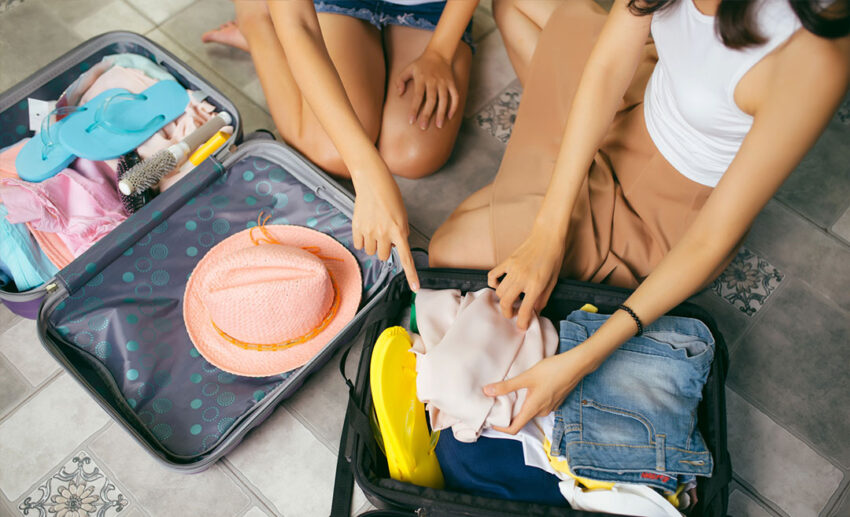
To be fair, I myself am guilty of doing this. But by no means is this supposed to encourage a totally careless approach to packing suitable outfits for the places you are going to. Having a well-thought-out plan for this is always best to boost your comfort and confidence while you are constantly on the go.
Over-curating here refers to the micro-assessment you might be doing about outfit details purely to fit the aesthetics for each specific destination. Dressing for the destination’s palette is always fun for your inner whimsy, but if you are spending unnecessarily on new outfits for a specific trip, it may be a clear sign to ditch this habit. Go easy on yourself and make do with what you have. You might even thank yourself later for that extra cash to spend on a cute, handcrafted bag at the local flea market.
Travel does not have to be perfectly curated to be meaningful. Every trip can become more memorable and personally rewarding when we let go of performative habits and embrace more intentional choices.
Zafigo Pro Tips: The “Presence Over Pixels” Travel Checklist
Here’s a gentle recalibration for your next trip. Use these steps to ensure your journey is felt, not just filmed.
[✓] The pre-trip purge: Move your social media apps into a folder on the last page of your phone. Social media documentation can make travel feel performative. This physical barrier helps break the auto-pilot scrolling habit.
[✓] Establish analogue hours: Designate a window (e.g., 9 – 11 am) where your phone stays untouched. Use this time to explore a local market or a park. As Aina noted, waking up early shouldn’t just be about beating the crowds for a photo; use that fresh morning air to be in the neighbourhood simply.
[✓] The “wait-to-post” rule: Commit to only posting photos once you are back at your accommodation for the night, or even better, once you have returned home. This prevents you from missing out on the real things worth cherishing while you’re busy drafting captions and checking notifications in the middle of a meal.
[✓] Swap the lens for a pen: Bring a small notebook. When you feel the urge to take a strategic picture of a view, try writing down three sensory details instead: a specific smell, the temperature of the breeze, or a snippet of a distant conversation.
[✓] Intentional charging (with a safety-first mindset): In safer and busier city centres, try leaving the power bank behind. When your phone hits 10%, let it be the signal that your digital day is over. This naturally forces a slower pace and encourages you to listen to your body, as Aina advised. Note: Only do this if you aren’t visiting secluded areas or relying on your phone for vital navigation.
[✓] Ask a local, not an algorithm: Instead of searching for the next spot on TikTok, ask a shopkeeper or your host for their favourite quiet corner. This avoids the unnecessary stress of queues and leads to real cultural exchanges.