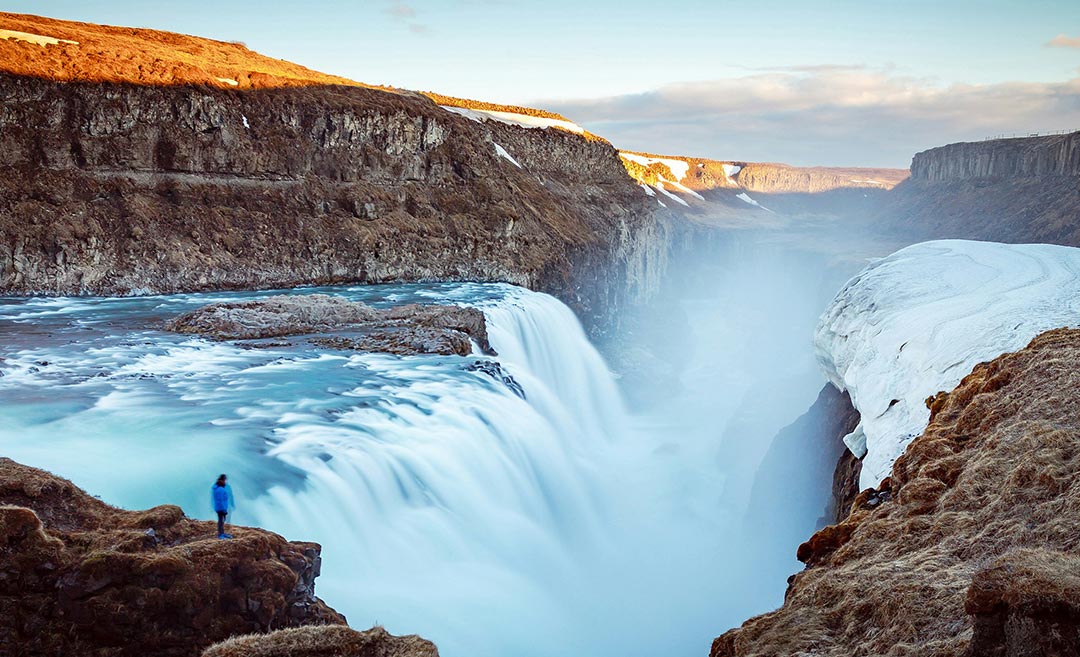
Choosing the right window for destinations like Iceland means you can experience the raw power of Gullfoss Falls in the warmth of the midnight sun rather than battling the elements. (Image by Khamkéo)
Travel planning used to be straightforward because you followed the calendar. Everything is booked around peak seasons, and you trusted that the experience would match the expectation. Summer meant long days outdoors, and winter meant either snow or sun. Rainy seasons? They were something to work around, not with.
But climate change is reshaping when the best time to visit many destinations actually is. Heatwaves now stretch into shoulder months, cities become difficult to explore by midday, and traditional peak season often brings crowds and extreme weather.
More travellers are now planning trips around climate and comfort rather than just popularity. Because the difference between a trip you love and one that feels slightly off often comes down to choosing the right time to travel. These destinations prove how much better travel can feel when you time your trip well for international travel comfort.
1. Lisbon, Portugal
Best time: June to early July, or September
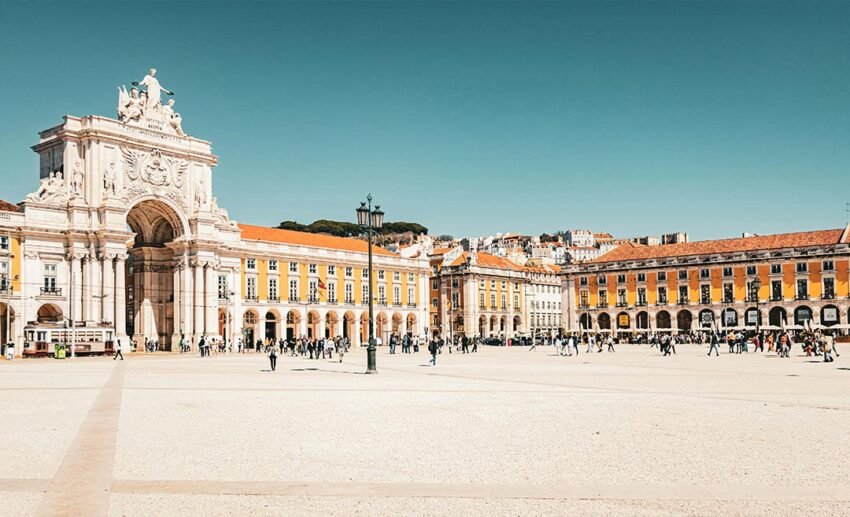
Lisbon works because it takes the edge off what European summer has become. While inland cities can easily hit 35°C in July and August, Lisbon stays more manageable, usually in the mid-to-high 20s, thanks to Atlantic breezes.
If you’re planning it right, go just before or after peak season. Late June still feels lively, but you won’t feel overwhelmed, and September is slightly cooler with more breathing room. You can comfortably walk between neighbourhoods, sit outside for meals, and plan your day around what you want to do, not where the nearest air-conditioning is.
2. Cape Town, South Africa
Best time: November to March
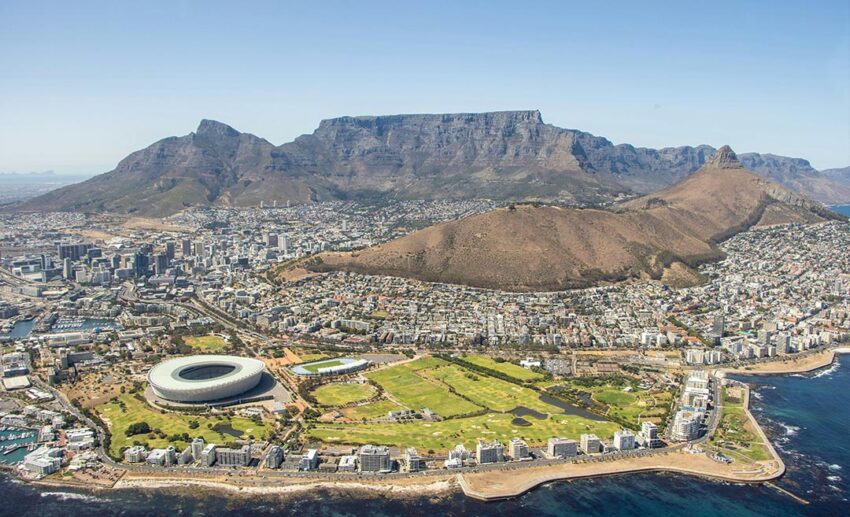
Cape Town is a reminder that you don’t always have to follow your own hemisphere’s seasonal calendar. It’s summer runs from November to March, making it a great option when much of the world is heading into winter.
The weather sits comfortably between 25–30°C with low humidity and plenty of sun. The coastal winds help keep things from feeling heavy, so you can comfortably spend full days outdoors. Hiking, beach time, and vineyard visits become easy to plan.
3. Ubud, Indonesia
Best time: November to March, with flexible planning

Ubud in the monsoon season simply asks you to shift your mindset. Rain usually comes in short, heavy bursts later in the day, so you plan around it. Mornings are for exploring.
Afternoons are slower: cafes, massages, maybe just doing nothing for a bit. In return, you get a quieter Ubud and better value across the board. It’s less about avoiding the rain and more about moving with it.
4. Iceland
Best time: June to August
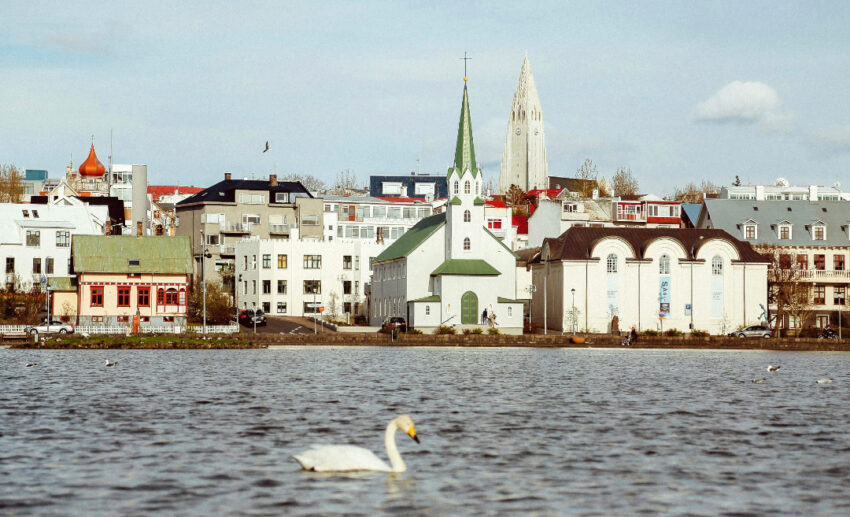
If you’re trying to avoid heat, Iceland is an easy choice. Even in summer, it stays cool, and long daylight hours mean you can do more without feeling drained.
From a planning perspective, this is when infrastructure opens up. Roads to remote areas become accessible, tours run consistently, and weather disruptions are less frequent. Here, peak season still aligns with optimal conditions, making it worth committing to. You’re not second-guessing the weather every day, which makes planning a lot easier.
5. Seoul, South Korea
Best time: April to May, or October

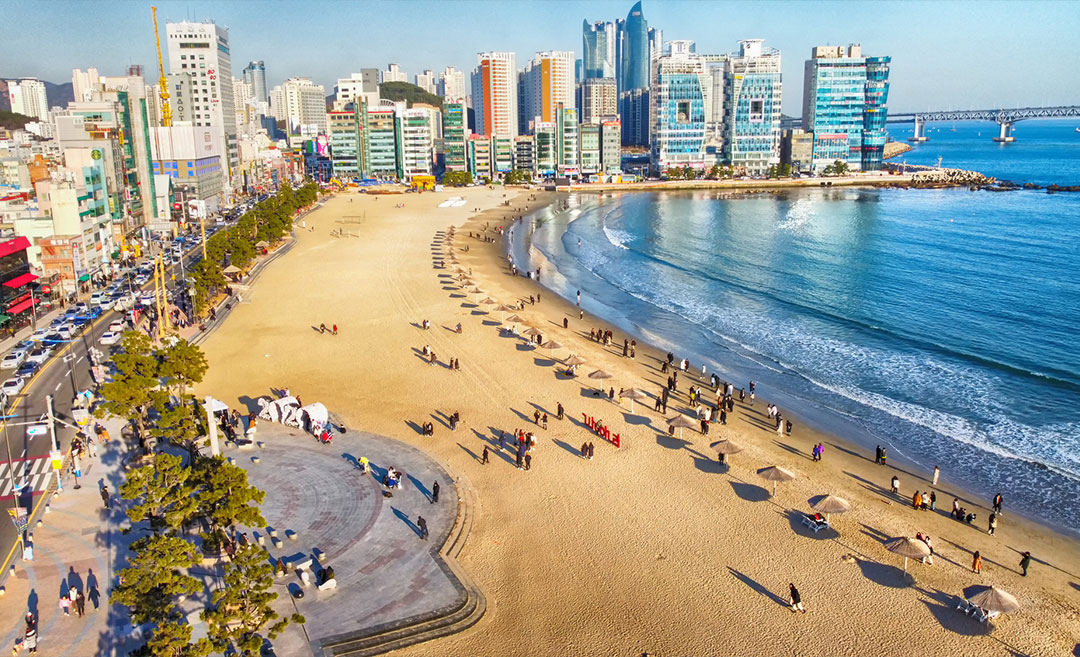
Seoul is highly seasonal, and the experience shifts dramatically depending on when you visit. Summers are hot and humid, often exceeding 30°C with heavy rainfall.
Spring and autumn bring mild temperatures between 10–25°C and lower humidity. These conditions make walking, which is central to exploring Seoul, far more enjoyable. If you are planning a city-based itinerary with long days out, these windows are not just preferable, they are essential.
6. Swiss Alps
Best time: June to September
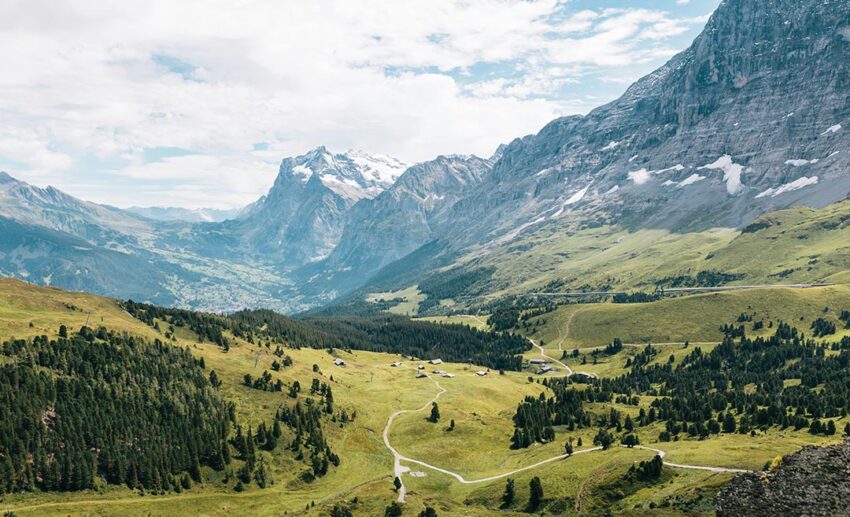
When everything else is heating up, the Swiss Alps stay cool. Even in summer, temperatures usually sit between 10-20°C, which makes being outdoors feel a lot more manageable.
If you’re planning an active trip, this is when the region truly shines: hiking, lake swims, and long days outdoors, or just simple walks, all without exhaustion.
7. Singapore
Best time: February to April
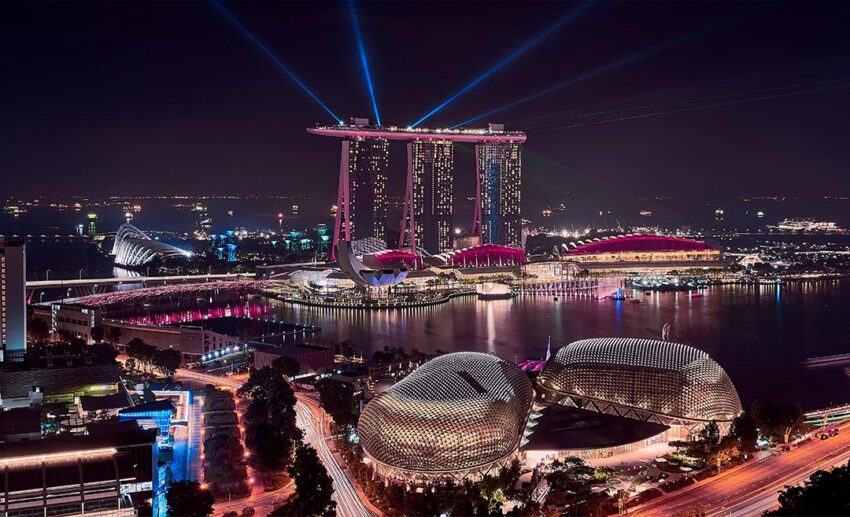
Singapore is warm year-round, but February to April tends to be slightly drier, which helps when exploring. What makes it great besides being such a safe city, is how well the city is designed for its climate.
Indoor spaces, efficient transport, and flexible itineraries make pacing your day simple. Start early, take breaks, and head back out later. It’s less about avoiding the heat and more about pacing yourself properly.
8. Kerala, India
Best time: June to September for wellness, December to February for general travel
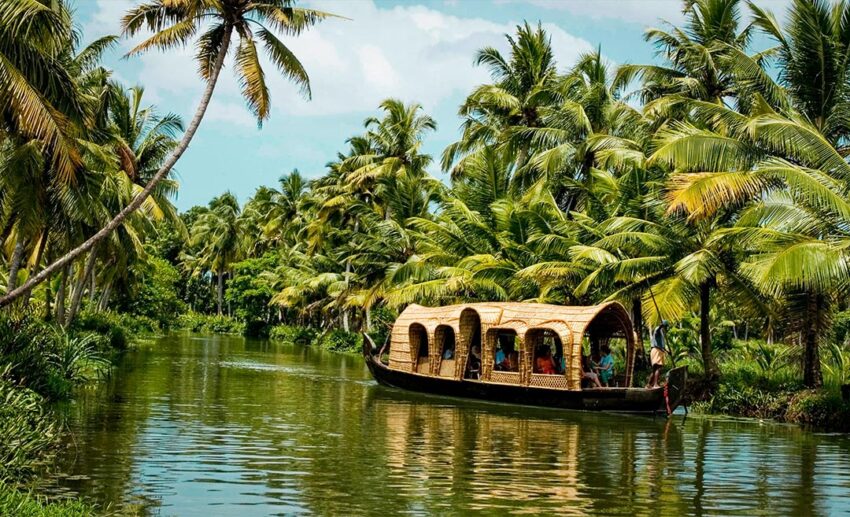
Kerala is one of those places where I think timing depends entirely on your intention. Kerala is a destination where timing depends on intention. For wellness trips, the monsoon season makes sense because it’s quieter, cooler, and geared towards slowing down.
For sightseeing, exploration or gastronomic adventures, the dry season offers clearer weather and easier travel. It’s less about right or wrong timing and more about the experience you want.
Choosing the best time to visit a destination isn’t about perfect planning — it’s about travelling smarter. When your timing aligns with climate and comfort, every trip becomes easier and far more enjoyable.