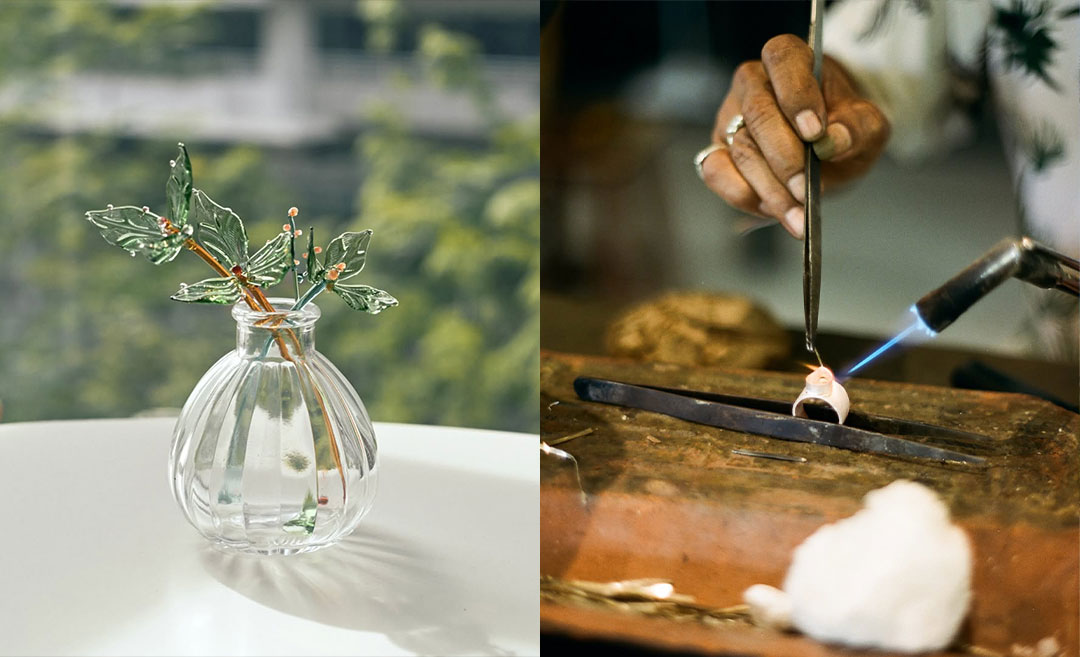
From lampworking glass in Seri Kembangan to traditional silversmithing in Ubud, Asia’s craft-led workshops are recalibrating travel by prioritising slow, tactile learning over fast-paced sightseeing. (Left image by @bearylampwork; Right image by @alasarum.silver)
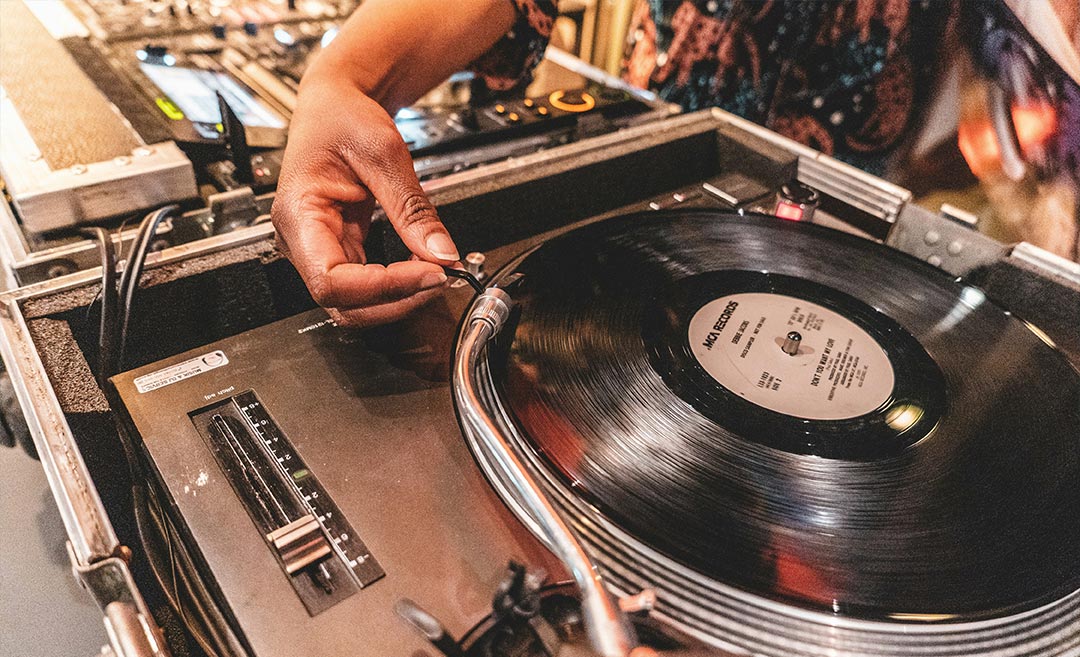
2026 has been declared the “Year of Analogue” by online communities embracing slower living and tactile hobbies. There seems to be a collective return to leisurely, hands-on pastimes. The paradox of analogue living is that less is, in fact, more. Less information invites more curiosity. Less scrolling offers more clarity. And less “connectivity” creates room for real community.
This mindset is also influencing the way we travel. More travellers are seeking hands-on travel experiences and hobby-led trips that prioritise creativity, learning, and meaningful person-to-person connection.
In this article, we explore why this shift is happening and why destinations across Asia are at the forefront of this analogue travel movement, shaping how immersive, craft-led travel experiences are designed and experienced today.
We are seeking to build real community
Travelling has a unique loneliness to it, especially for solo travellers. We plan and pay to experience independence, freedom, and beauty, but once the novelty wears off, we’re confronted with the reality of a world where communication has never been easier, yet connection feels all too rare.
There is a growing longing for community, and craft-based workshops are a fantastic way to make friends and exchange ideas while learning a new skill together. In Kyoto, visitors learn traditional indigo dyeing and kintsugi. In Chiang Mai, pottery and Lanna textile weaving studios welcome beginners. In Penang and Singapore, urban craft collectives host small-group workshops where travellers create alongside locals. These spaces naturally spark conversation and connection, turning strangers into collaborators for an afternoon.
We want our homes to have pieces from our travels
There’s a special satisfaction that comes with having a home filled with stories of our travels. Collecting little objects of affection from our trips is a time-honoured way to hold on to memories and share stories with those welcomed into our abode.
Asia has become a hub for traveller-made souvenirs rooted in heritage craftsmanship. In Bali, silver-smithing villages like Celuk invite visitors to create custom jewellery. In Vietnam, lantern-making workshops in Hoi An allow travellers to design their own silk lanterns. In South Korea, traditional seal carving and mother-of-pearl craft classes are gaining popularity. Apart from learning age-old practices taught by local artisans, you gain a keepsake that is uniquely yours.
A growing desire for multigenerational travel experiences
We seem to be losing a core part of travel: finding activities that suit multiple age groups. With younger generations focused on digitally driven experiences and budget constraints, while older generations prefer comfort and structure, planning trips together can be challenging.
Travelling with multiple generations offers the chance to create lasting memories and pass on stories and shared history. And traditional crafts naturally lend themselves to multigenerational travel. Batik painting in Malaysia and Indonesia, calligraphy in Japan and China, and Thai fruit carving workshops offer hands-on activities that appeal across age groups. They allow families to learn together while connecting with regional heritage.
Keeping old art forms alive
Contrary to our fears, artificial intelligence cannot replace human craftsmanship, and the reignited desire to pursue analogue hobbies proves this. Although technology continues to shift the creative landscape, some art forms require a tangible, time-consuming process and skill developed over years.
Glass blowing, batik, pottery, sculpting, painting, and basket weaving are just a few traditional practices becoming popular travel experiences. By participating, travellers help sustain artisan communities and keep traditional knowledge alive. Indulging in them also makes room for creative innovation and invention, which are necessary skills in tackling a modern world.
The resurrection of home videos, physical photo albums & travel journals
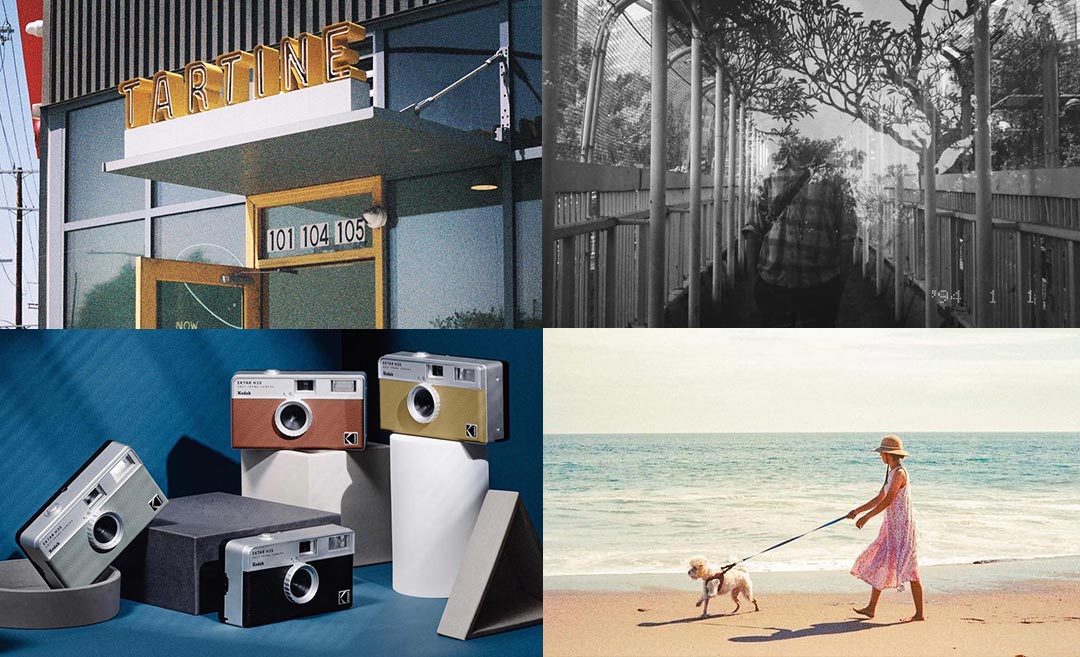
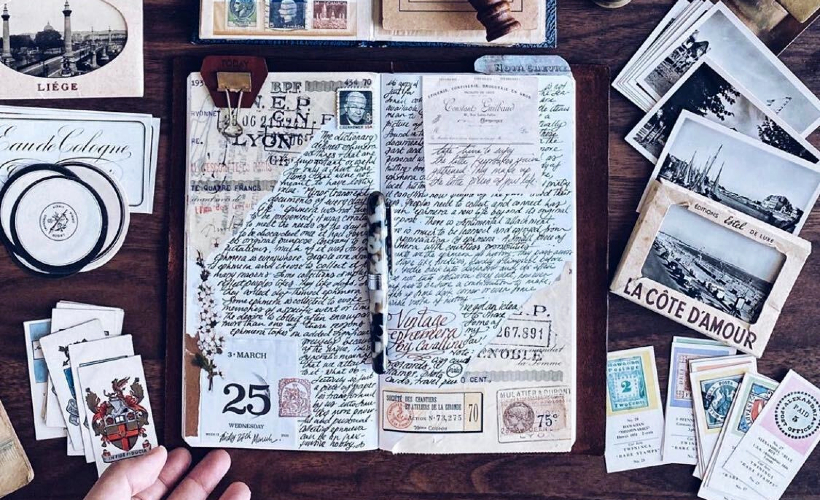
There is nothing wrong with digitally documenting our travels, but we have to admit, analogue documentation has its charms. Recording home videos, learning how to use film cameras, and adopting the habit of physically journalling travel memories are not just old ways of romanticising our lives. They encourage intentional and thoughtful storytelling.
A 36-exposure film roll makes us consider each shot carefully. Handwritten anecdotes encourage us to be present and notice moments we might otherwise overlook.
Even if you prefer digital documentation, taking an old-school approach occasionally — whether using a disposable camera or going through your parents’ storage to see if the old camcorder still works — can transform how you remember your travels.
Cities like Tokyo, Seoul, and Taipei have thriving film photography scenes, with speciality camera shops, photo walks, and zine communities inspiring travellers to document their journeys offline.
A desire to repair the natural world
Not all analogue hobbies are about making something new; some focus on repairing what’s broken. Overconsumption, urban development, and mass tourism have contributed to environmental strain.
Hobby-led travel is increasingly linked to environmental stewardship. Practices like thrifting, upcycling, and gardening encourage sustainable practices, healthier consumer habits, and reduced waste that restore the natural ecosystem. Beyond that, a lot of programmes, from reef restoration to urban farming and composting, can be found throughout Southeast Asia.
Now we don’t claim this is a cure-all method for greed-induced climate change, but if one little step in the right direction can help make our world a better place, that is a step worth taking. After all, we all want to experience travelling and living in places that are beautiful, clean and safe for us, our children, and all living things we are privileged to share this earth with.
In a world that often demands our attention be fragmented, analogue travel calls us back to what is real.