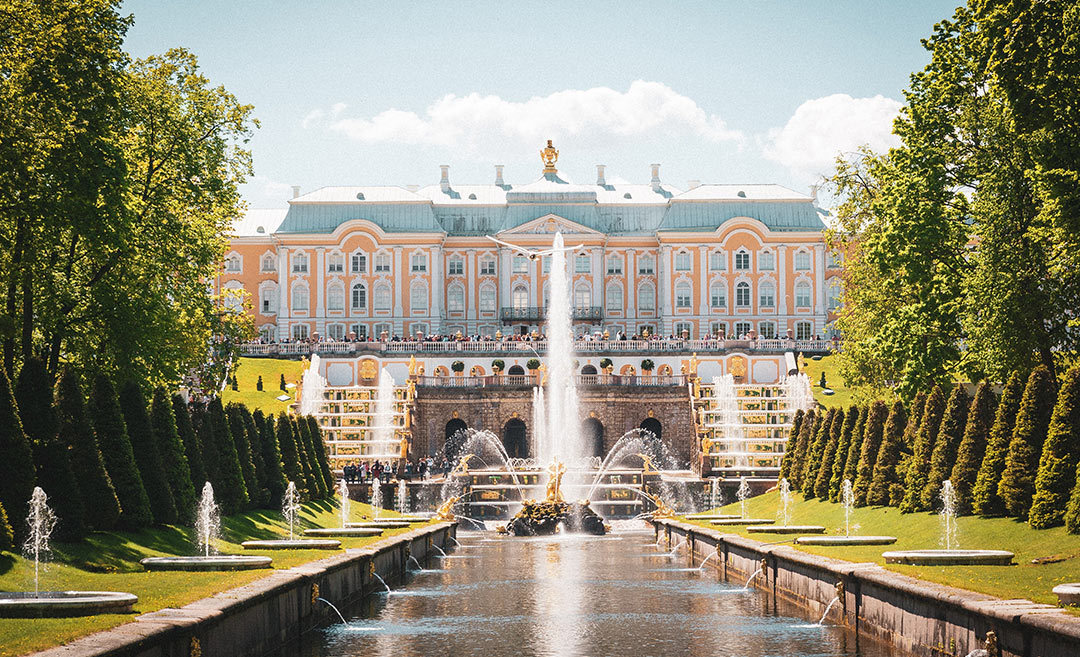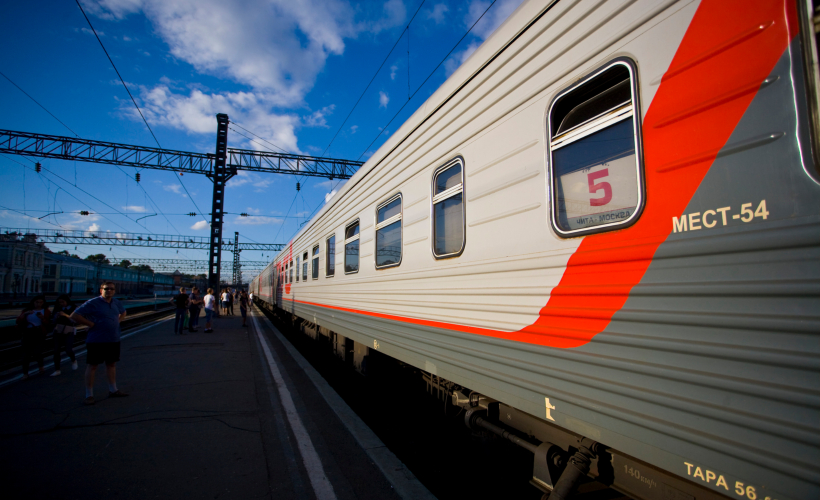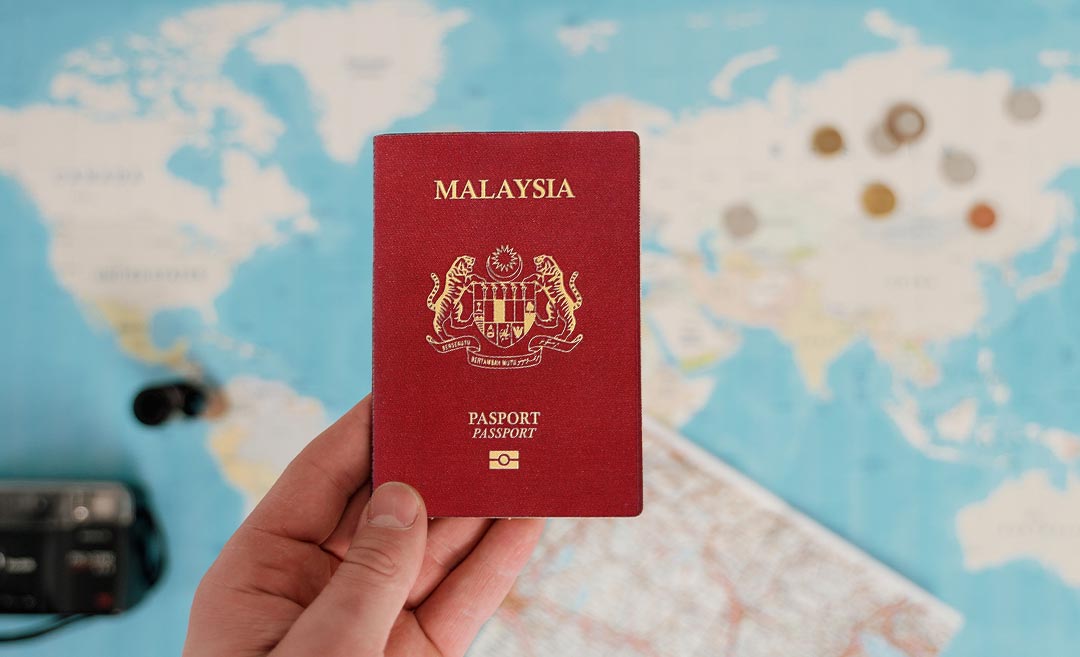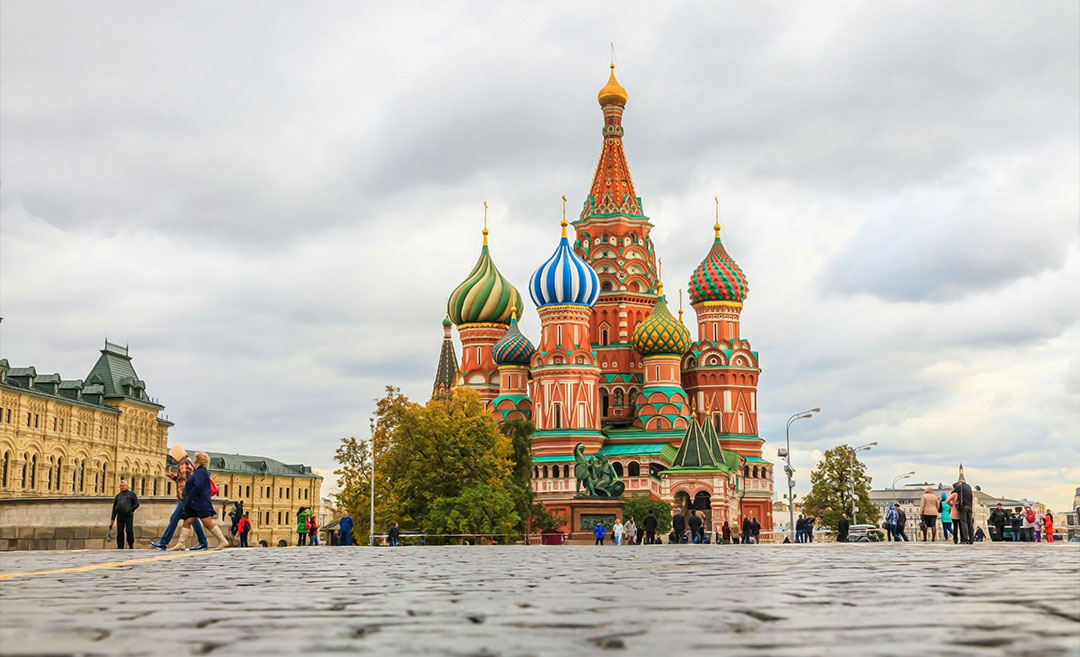
While Russia’s proposed visa waiver simplifies entry, steep flight costs and limited connectivity may still limit mainstream Malaysian holiday demand. (Image by Getty Images)
Russia may soon become one of the latest destinations Malaysians can visit without a visa. According to Russian officials, talks regarding visa-free travel for Malaysians could conclude as early as 2026, positioning the country alongside Indonesia and Kuwait for mutual entry agreements.
The proposal forms part of Russia’s broader efforts to encourage international tourism and strengthen travel ties with selected markets. While discussions are ongoing and no agreement has yet been finalised, Malaysia has been identified as one of the priority countries for negotiations.
For Malaysian travellers, the changing Russia visa requirement naturally raises an intriguing question: if the visa requirement disappears, would Russia suddenly become a more attractive holiday destination?
Visa-free travel makes things easier, not necessarily cheaper
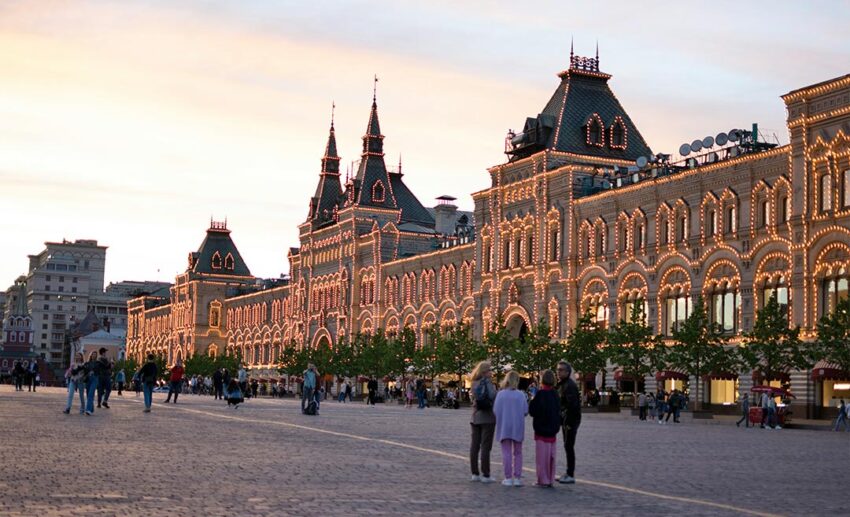
At present, Malaysians can already enter Russia using an electronic visa (e-visa), which is completed online and typically requires travellers to apply several days before departure. Removing that step would undoubtedly make travel more convenient. For spontaneous travellers, eliminating paperwork, application fees, and waiting times reduces friction and makes Russia feel more accessible.
But when it comes to choosing where to spend precious annual leave and travel budgets, convenience is only one part of the equation.
Part of a bigger travel trend
Russia’s proposal also comes amid a broader global trend of countries easing entry requirements to attract international visitors. Across Asia and beyond, governments have increasingly introduced visa waivers, electronic visas, and simplified entry procedures as they compete for tourism revenue and seek to encourage cross-border travel.
For Malaysians, who already enjoy relatively strong passport access globally, visa-free entry is often viewed as a welcome bonus rather than the deciding factor. Affordability, flight availability, and the overall travel experience frequently carry greater weight.
Can you get there affordably?

The biggest factor isn’t visas but the cost. Unlike popular regional destinations such as Thailand, Vietnam, Indonesia, or Japan, travelling to Russia typically involves long-haul flights and higher transportation costs. Direct air connectivity between Malaysia and Russia remains limited, often requiring transit through hubs such as Dubai, Doha, Istanbul, or other major cities.
Even if visas become unnecessary, the overall cost of reaching Russia could still place it outside the budget range of many leisure travellers.
More than a weekend escape
Getting there requires a long journey, and most travellers would want to set aside at least a week or more to make the trip worthwhile. Unlike destinations closer to home, Russia isn’t somewhere you can easily squeeze into a long weekend. For adventurous travellers, that’s part of the attraction. For others, the distance alone may be enough to keep it on the “one day” list.
Travelling in Russia can also feel very different from travelling elsewhere in Asia. While international visitors will find plenty of tourist infrastructure in major cities, English is not as commonly spoken as in destinations such as Singapore, Japan, or Thailand. Street signs, menus and day-to-day interactions can sometimes require a little patience and creativity.
But that’s also where some of the appeal lies. For travellers who enjoy immersing themselves in a completely different culture, Russia offers an experience that feels refreshingly unfamiliar.
Perception matters too
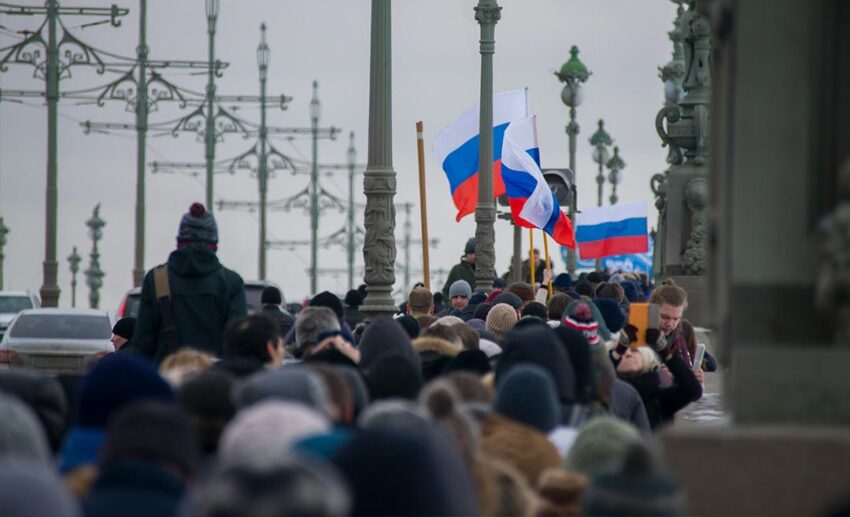
Practical considerations are only part of the equation. Traveller perceptions can also influence destination choices. In recent years, Russia has occupied a more prominent place in global headlines, and some travellers may approach the destination with curiosity, while others may remain hesitant.
Whether fair or not, destinations are often shaped by the stories travellers hear about them. A visa-free agreement can remove administrative barriers, but changing perceptions typically takes longer.
Will visa-free travel change everything?
Probably not, but it could spark curiosity. While Russia is not yet a mainstream destination of choice for Malaysians, there are signs that interest is growing. According to Russia’s Ministry of Economic Development, the number of Malaysian visitors to Russia doubled in the first quarter of 2025 compared to the same period a year earlier, suggesting that demand was already increasing even before discussions of visa-free travel began.
A growing interest in more unconventional and experience-led travel may also work in Russia’s favour. As some travellers look beyond familiar destinations, the country’s culture and vast landscapes could become part of the appeal.
A visa-free agreement would remove one administrative hurdle and make Russia easier to consider for a holiday. Yet factors such as airfare prices, flight availability, travel time, and traveller perceptions are likely to have a greater influence on whether Malaysians ultimately choose Russia over other destinations.
In that sense, the proposal may be less about triggering an immediate tourism boom and more about putting Russia on the radar of travellers who may never have considered it before. Whether they ultimately book the trip is another question entirely.