
Solo holidays are exciting, but what do you do when things go wrong? From getting Bali Belly to safety issues, here are tips on dealing with emergencies. (Image by Jacob Lund.)
Freedom, independence, and self-discovery are the few charms that solo travelling offers, but it does come with its own challenges. No matter how well you plan and organise for a trip, sometimes things go wrong. We’ve listed a few issues that may come up while you’re travelling on your own and what you can do in those situations.
1. Language barriers in an emergency

When you’re travelling to a place where you don’t speak the local language, it’s best to go prepared with a few keywords or phrases you might need, especially for emergencies.
In an emergency, where there is a language barrier, maintain a calm demeanour when seeking help and communicate your needs through a translator app or by using visual aids. Have apps like Google Translate and Duolingo on your phone so you can reach for them when you need to.
Be friendly—people are generally willing to help so there is no cause for panic. Learning the basic greetings and how to say “please” and “thank you”, are good for fostering connections with the locals.
2. Dealing with sickness and accidents
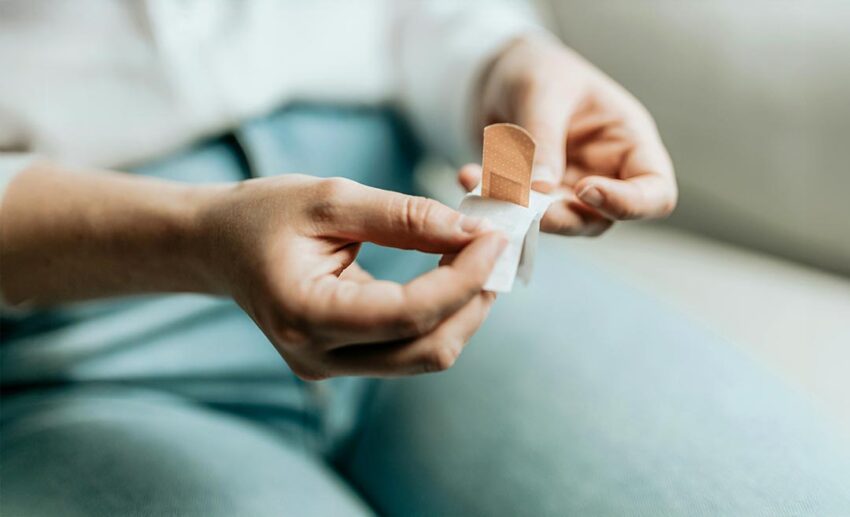
No one likes getting ill on holiday but some things can’t be avoided. So, whether it’s an awful case of the Bali Belly or you’ve scraped your leg from falling off a bike, these are some simple ways to handle the matter.
Bali Belly or Traveller’s Diarrhoea
Proper hygiene is essential when travelling abroad as contamination can occur through food, water, and unclean environments. When dealing with a stomach bug, it is important to hydrate (drink bottled water to be safe), wash your hands and utensils before using them, and eat food from proper restaurants. Avoid street vendors and raw food until you are feeling better. Hydration salts are good for replacing lost fluids and preventing dehydration. For prolonged cases of diarrhoea and vomiting, seek medical attention.
Cuts and open wounds
It is always good to carry a travel-friendly first aid kit in the event of an injury. Even a minor cut can lead to an infection if it is not dealt with properly. Clean the wound with a disinfecting alcohol wipe and apply antiseptic on the wound before bandaging it. Ask your hotel or accommodation for a first aid kit if you do not have one or head to the closest pharmacy. If the wound is more severe or gets worse with time, seek medical attention.
Stings and bites
In the event that you do get stung, scratched, or bitten by an insect or animal while travelling, tend to the wound as quickly as possible. Some wounds may only need to be cleaned and disinfected while others might require medical intervention. Read Tropical Wildlife: Survival Guide To Bites, Stings & More, for further information.
3. Losing documents, luggage, or personal items
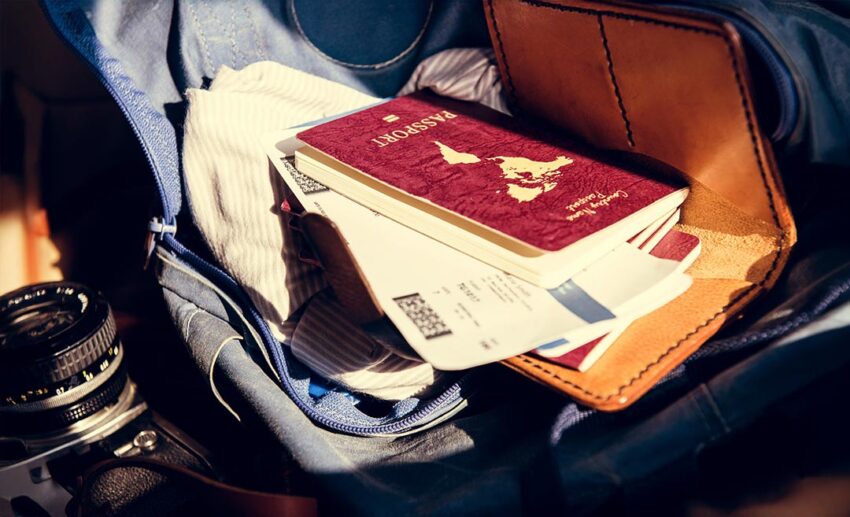
When it comes to solo travelling, having travel insurance can spare you from unnecessary stress and loss. Most travel insurances cover unexpected circumstances including lost luggage, cancelled or delayed flights, medical expenses, certain emergencies, and accidents.
Our advice is to always keep essential items on your person or in your carry-on luggage. Keep soft copies of all your documents, IDs, and bookings. It is also good to set aside some emergency cash for your travel in case you lose your credit cards.
4. Handling harassment and safety concerns

When travelling alone, you will have to assert strong boundaries and call out inappropriate behaviour should the situation call for it. However, if you feel unsafe, remove yourself from the situation and inform someone you trust immediately. If the harassment escalates, document the incident and report it to your hotel, and if necessary, the police or appropriate authorities.
Additionally, share your location with trusted family members or friends and inform them of your whereabouts often while travelling. Keep a written list of important contacts like family members’ phone numbers, your hotel, and emergency hotlines in case your phone runs out of battery.
5. Managing scams and false advertising

Picture this: you walk into your hotel room and it looks nothing like the photos – we’ve all been there. Whether you are booking accommodation, a tour experience, or rentals for your travels, do some thorough research before making the booking.
Look at customer reviews, social media tags, and call to ask more questions about the services. Make your bookings with reputable websites that offer secure payment methods. There are many fake travel and e-visa sites that appear to be real while promising incredible deals. Remember, if a deal sounds too good to be true, it probably is.
6. Cancelled flights and being stranded
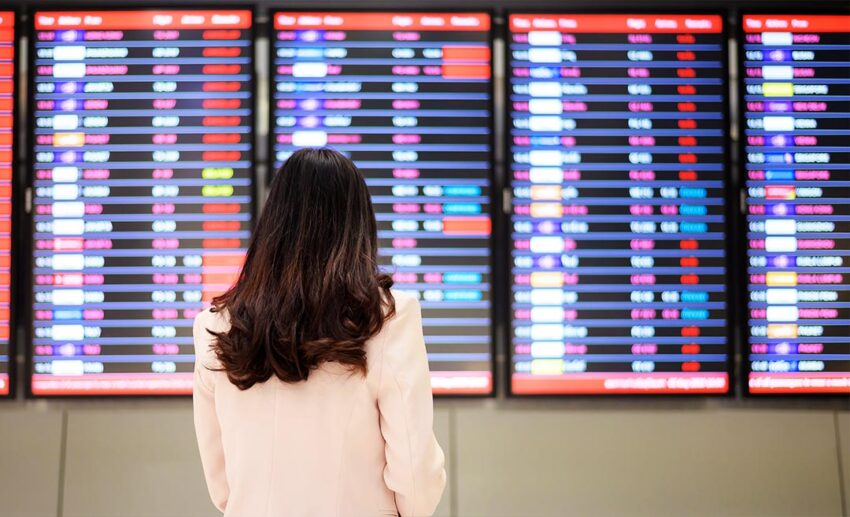
When your flight is delayed or cancelled, the first thing to do is to approach the airline to book you the next possible flight to your destination. They would also look after your meals and accommodation in case of a longer delay.
If you have checked in your luggage, let the airline know so they can retrieve it before your next flight. Travel insurance companies will usually make up for the cost of your delay, so keep a record of documents for the cancelled flight and the new booking in order to claim your insurance.
7. Receiving bad news while you are away from home

There are some things you simply can’t prepare for when you are travelling, and sometimes that is receiving unfortunate news from home. This may include receiving difficult news concerning work, a crisis at home, or that something has happened to a loved one. In the event of such things, take some time to process the news before making a decision on what to do next.
If you have decided to cut your trip short and book a flight home, inform your hotel and call the airline. Some travel companies may offer a compassionate fare if you need to get home to your family urgently. If travelling home immediately is not an option, find ways to cope with the news by reaching out to friends and loved ones, and focus on simple tasks one day at a time.