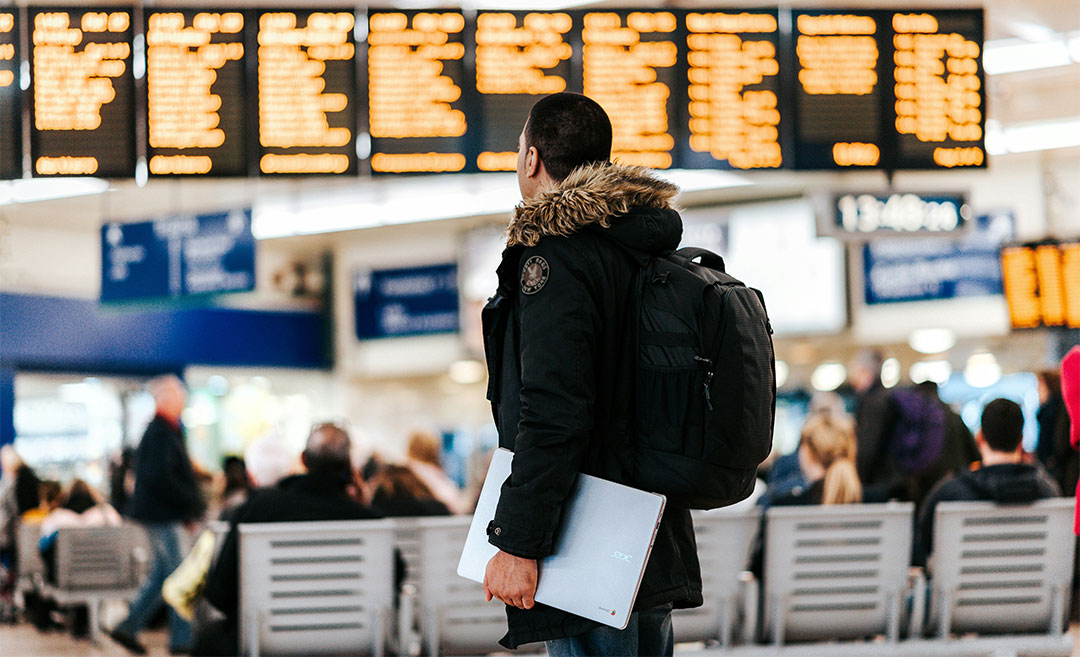
The dread of a disappearing flight: watching the boards as global events turn travel plans upside down. (Image by Anete Lūsiņa)
It was the end of February 2026, just days before I was due to fly out of Kuala Lumpur. Reports of the US-Iran war spread like wildfire, filling me with dread and anxiety. I kept checking whether my flight to Budapest via Istanbul would be delayed, or worse, cancelled. With airspace closures expanding and fears of stray missiles growing, I wasn’t sure if I should even take the chance.
But I lucked out. Both my flights were on time. No delays, no issues.
My partner, however, wasn’t as lucky. He was due to depart from Bali a week after I landed in Europe, but his Singapore–Paris flight via Bahrain was cancelled. And the same route I had taken suddenly surged from RM1,500 to over RM25,000 one way.
We racked our brains trying to get him to Belgium (where we planned to reunite) without spending a literal fortune. Then it dawned on me: why not reroute completely and avoid the affected airspace altogether?
Why not fly to Almaty, Kazakhstan, first?
The route might be longer (it turned out to be a LOT longer), but it avoided travelling through WANA (West Asia and North Africa). In the end, his flight route was:
Bali → Singapore → Shanghai → Almaty → Istanbul → Brussels
It cost him about RM3,000 and roughly 60 hours door-to-door. Not exactly ideal, but doable, and a fraction of what the main alternatives were going for.
What helped us rebuild the route? Here’s the toolkit we used.
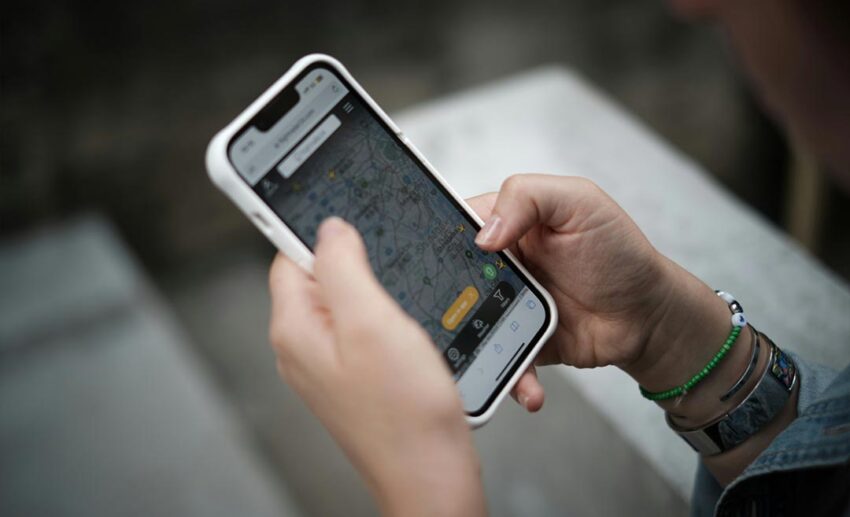
Draw a mental map first
When the obvious routes are blocked or extortionately priced, think geographically rather than by airline or usual hubs. Ask yourself: which major airports sit outside the affected airspace? For us, Central Asia (Almaty, Bishkek, etc.) became viable waypoints. It felt as if we were routing around a roadblock.
Use explore mode and multi-city search
These are lifesavers when finding alternative, affordable routes. Instead of searching one route at a time, switch to multi-city and string together legs manually. You’ll find routes the algorithm would never think to put together. Google Flights, Kayak, Skyscanner, Momondo, trip.com, and Booking.com became our go-to tools. Plug in your departure city and see what appears.
Check airline policies on cancellations before you do anything
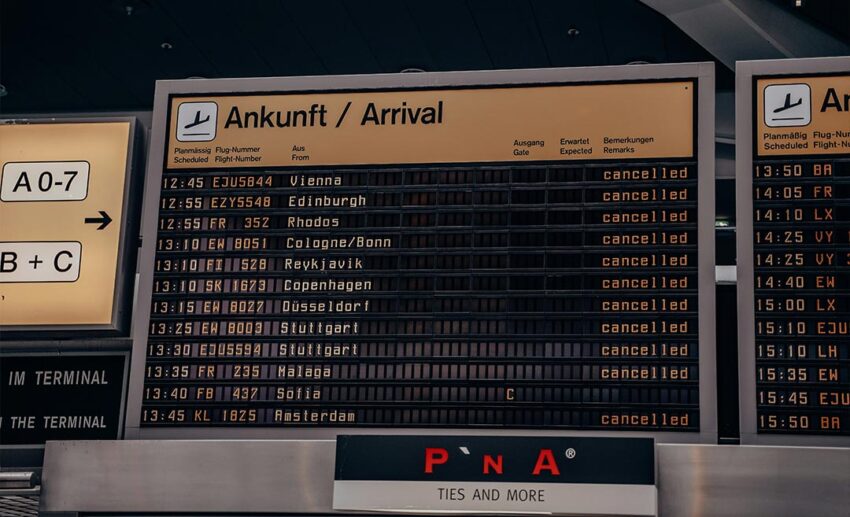
When a flight is cancelled, most airlines operating under EU261 or UK261 are legally obligated to offer you a full refund or rerouting at no extra cost. This right holds even when the disruption is war-related. One important caveat: airlines can use the “extraordinary circumstances” clause to avoid paying the additional cash compensation (EUR250–EUR600) when cancellations are caused by conflict or political instability. Your refund and rerouting rights remain intact regardless, but don’t go in expecting a payout on top of your refund. My partner got a full refund on his cancelled leg, which offset his self-assembled route significantly. And don’t let airlines push you towards vouchers unless you genuinely want one. You’re entitled to cash back.
Set price alerts before you need them
Think of tools like Google Flights alerts as an early warning system. They watch prices 24/7 and ping you the moment a fare moves. Google Flights even shows whether prices are low, typical or high for a route, helping you decide whether to book immediately or wait. In a fast-moving situation like my partner’s, a conflict-driven spike can happen overnight. But even 12 to 24 hours of warning can be the difference between RM3,000 and RM8,000. The moment you book a trip through a region that might be geopolitically unstable, set a tracker on your key routes.
Travel insurance is useful, but read the fine print
His policy covered “trip disruption due to civil unrest or conflict”. If yours doesn’t have that clause, it won’t pay out for war-adjacent disruptions. Definitely worth checking before you buy your next policy.
When flexibility becomes your best travel skill

Would I recommend a 60-hour Bali-to-Brussels odyssey? Probably not. But when the alternative is spending RM25,000 or being stuck on the other side of the world for who knows how long, building your own Frankenstein-style route isn’t half bad.
The biggest takeaway wasn’t even about flights. It was about staying calm enough to think laterally, even when things felt urgent and hopeless. Once we stopped fixating on the “normal” route and started looking at the map differently, the solution became clear.
Sometimes getting to where you want to go in times of tumult just means taking the very, very long way around. If 2026 has taught us anything, it’s that travel now rewards flexibility and creative thinking. The route may not be perfect — but the journey can still happen.