In-flight theft is rising worldwide. Here’s how women travellers can protect their carry-on bags and valuables. (Image by Lukas Souza)
We’re used to worrying about lost luggage after landing. You know, that carousel anxiety of “will my bag make it?” What most of us don’t expect is that our belongings might quietly disappear while we’re still mid-air.
Yet across Asia and beyond, authorities have been flagging a rise in in-flight theft: organised crime syndicates boarding commercial flights with the sole intention of stealing from other passengers’ carry-on bags—mid-flight, mid-nap or even mid-Christopher-Nolan-movie.
It sounds dramatic. It also sounds like one of those rare things you assume would never happen to you. But the way these thefts happen, subtle, strategic, almost invisible, is exactly why so many passengers don’t realise anything is wrong until hours (or days) later.
Not just pickpockets: How in-flight theft syndicates operate
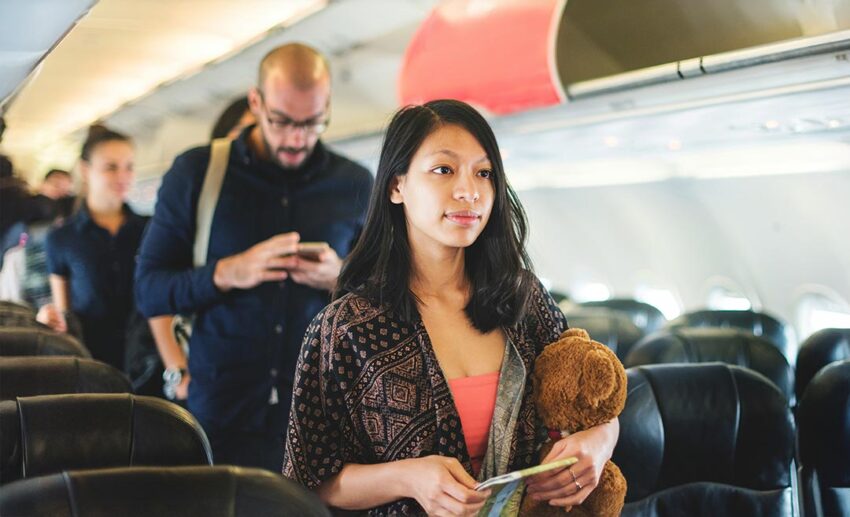
This isn’t a case of one opportunistic traveller rifling through a bag on impulse. Reports point to small, coordinated groups, often two to four people, who book flights specifically to target other passengers. It sounds ludicrous, but here we are. And they don’t look suspicious at all.
In fact, they often blend in perfectly: dressed like regular travellers, sometimes even flying premium cabins to avoid scrutiny. One person may keep watch, another may open overhead compartments, while a third creates a distraction—standing up repeatedly, pretending to look for something, or timing their movements during meal service or when cabin lights are dimmed.
The goal isn’t chaos but instead precision, quiet precision.
Rather than stealing an entire wallet, which would definitely be noticed, the thieves often take only high-value cash or a single card. Some even replace stolen notes with lower-value currency, banking on the assumption that most people don’t count their money mid-flight.
Why you might not notice
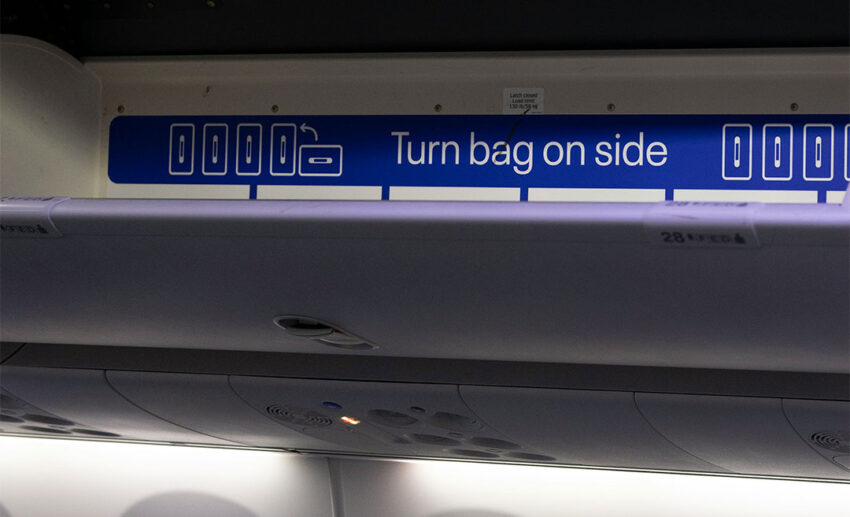
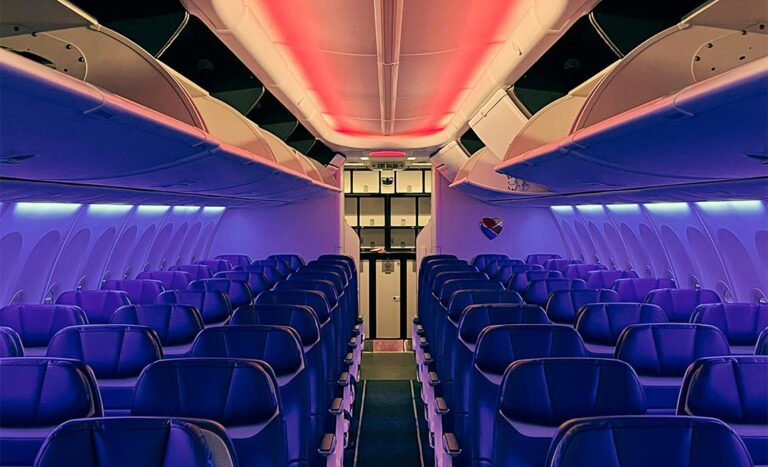
Here’s the uncomfortable truth: overhead bins aren’t as “personal” as we think they are. Anyone can open any compartment. And in a darkened cabin, with passengers sleeping, watching movies or moving around, it’s surprisingly easy for someone to access a bag without raising suspicion.
Long-haul flights are particularly vulnerable because people fall asleep deeply, and jackets and eye masks go on, which means awareness goes down.
What’s more, many travellers only realise something’s missing after landing, when they’re already in another city, another country, another timezone. By then, it’s almost impossible to trace when or where the theft occurred.
Airlines do take security seriously, but discreet in-flight theft is one of the hardest crimes to detect unless someone is caught in the act or reported immediately.
The bags thieves look for

Not all cabin bags are equally appealing. Syndicates tend to target:
- Soft-shell carry-ons that can be opened quickly
- Bags without locks
- Backpacks stowed overhead instead of under the seat
- Luggage belonging to sleeping passengers
- Bags that appear to hold valuables like designer totes, business bags, camera backpacks
And yes, frequent flyers aren’t immune. In fact, travellers who move cash between countries or carry multiple currencies can be especially attractive targets.
The smart-traveller shift: How people are adapting
The good news is that you don’t need to go completely paranoid when travelling, just travel slightly smarter. Seasoned flyers are already adjusting their habits, quietly, deliberately, and it’s worth taking notes:
1. Keep valuables with you, not above you
Passports, wallets, cash, jewellery, laptops—these should never live in an overhead bin. Use a crossbody bag, sling or pouch that stays on you or under the seat in front at all times, even when you sleep.
2. Lock your cabin bag (yes, even onboard)
A simple lock or secured zipper isn’t foolproof, but it adds friction, and friction is often enough for a thief to move on to an easier target.
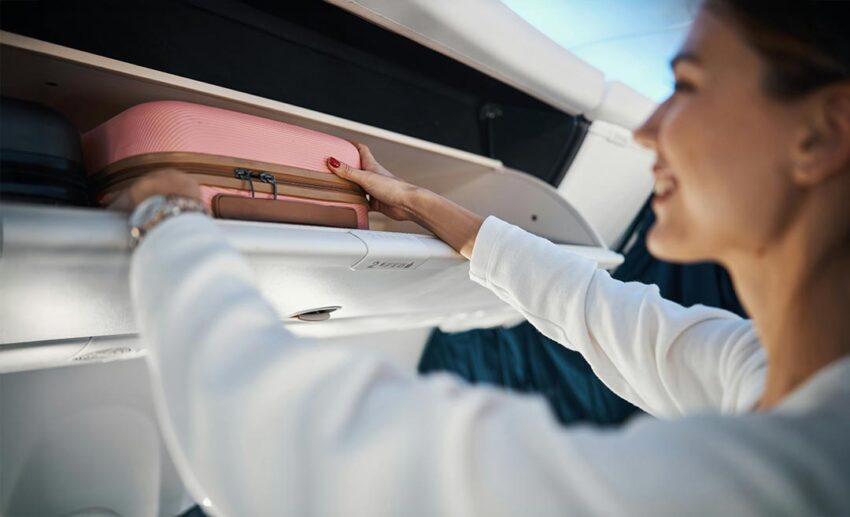
3. Think about how you stow your bag
If you must use the overhead bin, place your bag so the zipper faces inward, not outward. Some travellers prefer putting their bag in a bin across the aisle so they can see when someone opens it.
4. Stay alert during “busy” moments
Meal service, boarding, landing prep, and lights-off periods are prime opportunities for these sneaky syndicates. You don’t need to stare people down, but instead just be aware of who’s opening bins near you and how often.
5. Trust your instincts — and the cabin crew
If someone repeatedly opens compartments that don’t appear to be theirs, quietly let a flight attendant know. Cabin crew are trained for a lot of difficult situations, and they’ll know just what to do and do it discreetly too.
Replacing fear with awareness
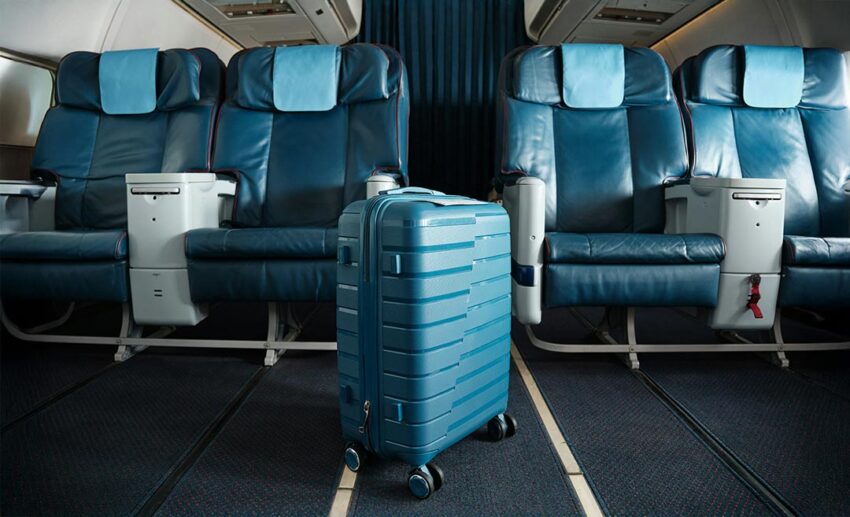
Air travel is still overwhelmingly safe, and the vast majority of passengers will never experience in-flight theft. But as with any form of travel, awareness and being well-informed is your best defence.
Think of this less as something to be afraid of, and more as a reminder: the cabin is a shared space. Your bag is not a vault. And a few small habit changes can protect your belongings, and your peace of mind, from take-off to touchdown.
Because the only surprise you should have at 30,000 feet is an unexpectedly good in-flight meal and not missing belongings.
Zafigo Tips: Quick cabin-bag safety checklist

Keep it close: Always carry passports, cash, cards, jewellery, and electronics on your person or under the seat.
- Lock it down: Use a small luggage lock or secure zippers on overhead-stowed carry-ons.
- Position strategically: Place your bag with the zipper facing inward or across the aisle so you can see it.
- Stay alert during distractions: Meal service, lights-off periods, boarding, and landing prep are prime opportunities for thieves.
- Observe overhead activity: Notice who’s opening bins near you, especially multiple times.
- Don’t hesitate to alert crew: Cabin crew can intervene discreetly if something feels off.
- Minimal cash principle: Only carry what you really need for the flight. Split larger amounts between secure pouches or your travel companions.
- Travel smart, not paranoid: Awareness over fear always, because small precautions protect both your stuff and your peace of mind.