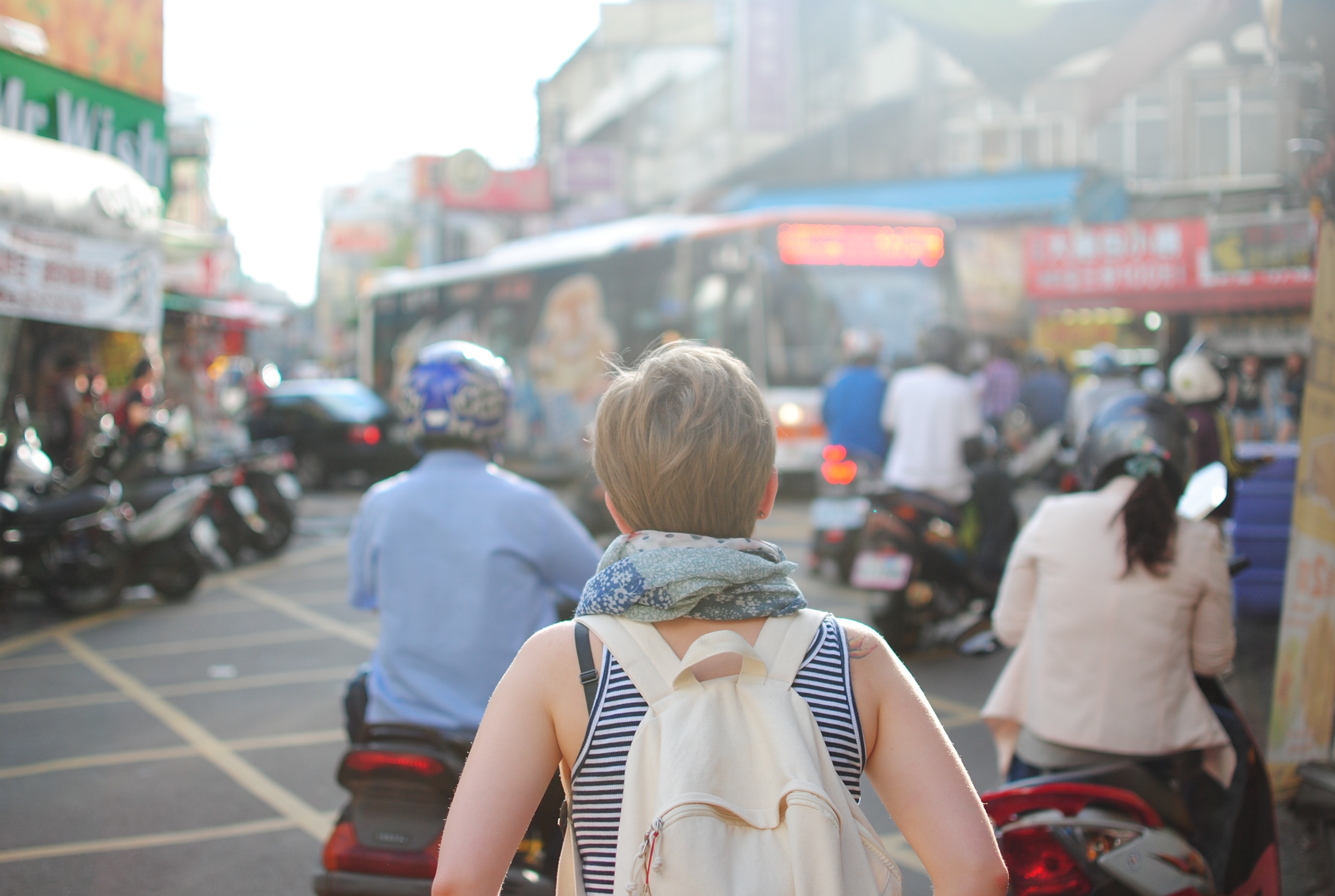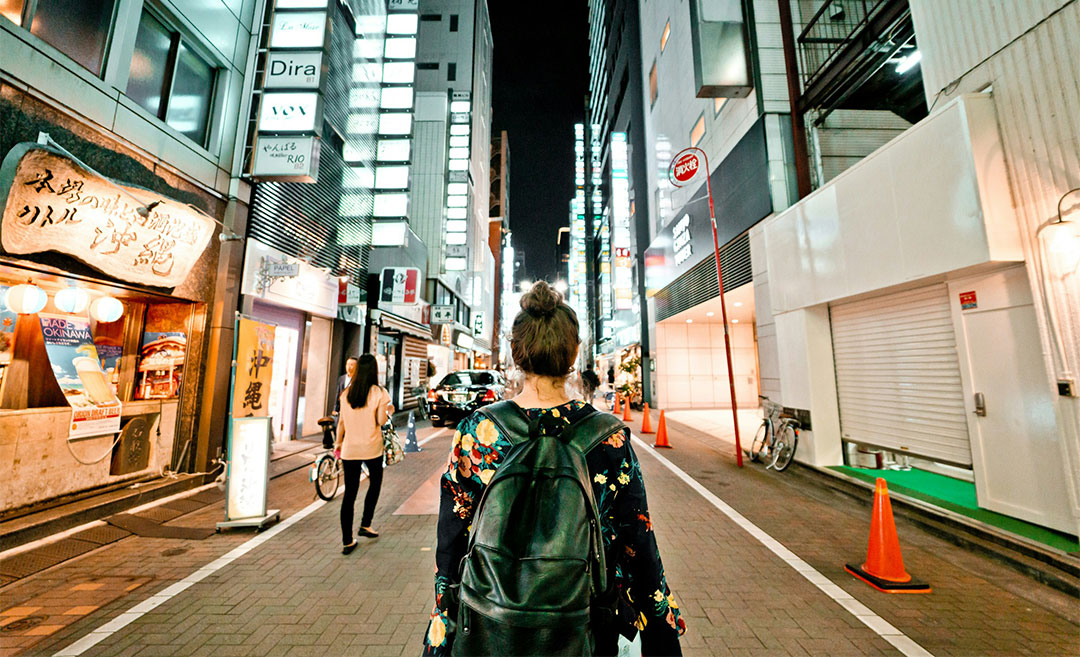
Starting July 2025, travel to Japan gets pricier and more complex, with dual pricing, visa changes, tax refund tweaks, and a stronger yen driving up costs. (Image by Jezael Melgoza.)
Travelling to Japan is about to look a little different. Starting in July 2025, international tourists will face new fees, additional paperwork, and increased steps at the airport. The country, long known for its hospitality and ease of access, is tightening policies to handle record visitor numbers and preserve its cultural and natural landmarks.
If Japan’s on your travel list, here’s what you’ll need to know and budget for before you go.
The new dual pricing and what it means for tourists
Come July 2025, the cost of experiencing some of the country’s most iconic destinations is set to rise, at least for foreigners. Under a newly introduced dual-pricing system, international tourists will pay more than locals at select attractions across Japan.

Visitors from Malaysia heading to the sites with dual pricing will need to budget for slightly higher costs, sometimes up to double what locals pay. The new pricing will initially roll out at a handful of key locations:
- Junglia Okinawa (opens July 2025):
Tourists: JPY8,800 (approximately RM258) | Locals: JPY6,930 (approximately RM200)
A nearly 30% difference for this upcoming nature-themed park. - Niseko Ski Resorts (Hokkaido):
Tourists: JPY6,500/day (approximately RM190) | Locals: JPY5,000/day (approximately RM147) - Temples and Shrines (nationwide, pending approval):
Tourists: JPY1,000 (approximately RM30) | Locals: JPY500 (approximately RM15)
Likely candidates include popular destinations such as Kyoto’s Kiyomizu Temple and Nara’s Todaiji Temple. The policy isn’t nationwide—at least not yet. It targets hotspots that see high international traffic and costly maintenance demands.
Digital visas and tax refund changes
Beyond pricing, Japan is laying the groundwork for two other big changes:
Digital visa waiver (JESTA, by 2030)
Japan plans to implement an online travel authorisation system similar to the U.S. ESTA or Europe’s ETIAS by 2030. Over 70 visa-exempt countries, including the U.K., Australia, Canada, and Singapore, will eventually need to apply online before entry. It’s expected to include a small fee and require basic personal information. The launch date and exact requirements are still under review.

Updated tax-free shopping (Starting 2026)
From November 2026, tourists will no longer have taxes automatically deducted at stores. Instead, you’ll pay full price—including Japan’s 10% consumption tax—then claim a refund at the airport before departure. To qualify, you must keep your receipt, submit a refund claim within 90 days of purchase and allow enough time at the airport to process your request. More information can be found here.
Stronger Yen, weaker Ringgit, and what it means for your budget
Beyond new fees and systems, travellers from Malaysia—and much of Southeast Asia—are also feeling the pinch from exchange rate shifts. The Japanese yen has strengthened in recent months, while the Malaysian ringgit has weakened. The result? Everything from hotel stays to ramen bowls now costs more in real terms.
Budget 10–15% higher than your original estimates to avoid surprises, especially if you’re heading to high-demand spots with the new dual pricing in place.