Travelling in your 40s isn’t about doing less. It’s about travelling with greater confidence, intention, comfort, and self-awareness. (Image by Getty Images)
A sharp pain in my lower back sent me into an anxiety episode as I got out of bed in a windowless hotel room. This was already the second time in a year that a muscle spasm had made standing up straight an agony. I’d noticed that, in recent years, I’d become not only more prone to aches and sprains, but also less resilient to stress. While I understood it was the cumulative effect of years spent hunched over a desk finally catching up with me, it was still frustrating for it to happen while travelling for a two-day conference.
Travelling in your 40s often means becoming more aware of what your body and mind need, and accepting that the way you travel naturally changes with age. After all, entering your 40s means never quite knowing when your body or nervous system will betray you.
In the past few years leading up to the big four-oh, my travel style has gradually evolved alongside those changing needs. Because let’s face it, you can’t expect to travel the same way in your 40s as you did in your 20s or even your 30s. Your body, priorities, finances, and outlook inevitably change. Change is the only constant, and perhaps it’s something worth embracing rather than resisting.
My trip, my way
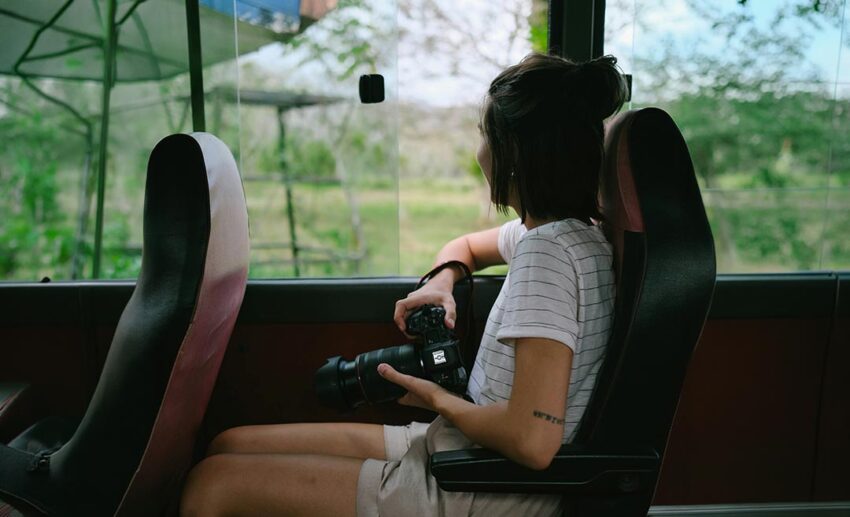
There was a time when it thrilled me to hop on a bus with just a backpack and check into a hostel where I shared a dorm room with strangers, some of whom I ended up befriending and exploring the city with. Forgoing some basic comfort when travelling somewhere unfamiliar used to feel like part of the adventure, like you’re the main character of a story going on a quest.
Back then, my priorities were different and so were the things I was willing to put up with. So, a longer commute, a bed in a shared space and less privacy were trade-offs I was willing to make for being able to travel on a lower budget.
As the years go by, many things I used to compromise and tolerate have become non-negotiable. I’d rather fly than endure hours on the highway in a crowded bus. When it comes to accommodation, shared spaces and facilities won’t do anymore, because I cannot function with less sleep as well as I used to. Thankfully, I’m in a better financial position now than I was in my 20s, so I’m willing to pay a little extra for comfort.
Who wants to be a tourist all the time?
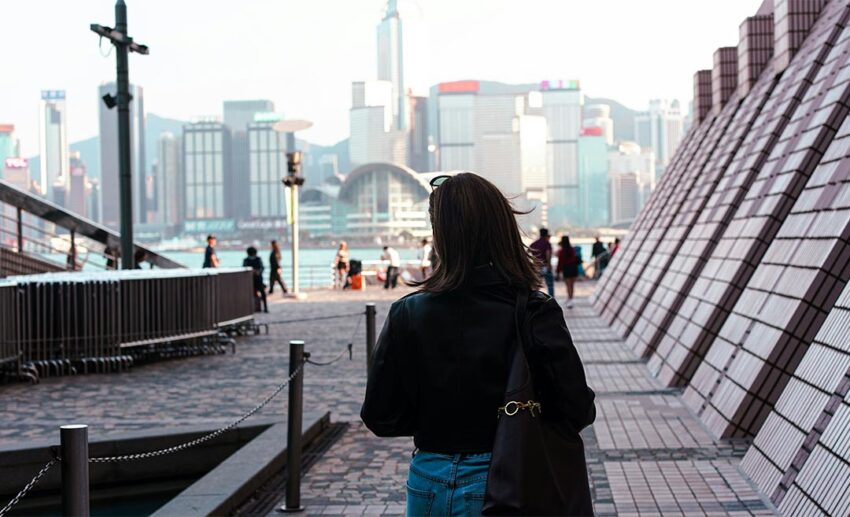
In my 20s and early 30s, visiting somewhere new was all about checking off as many boxes of attractions to see as possible. When you are going on a trip you’ve been working up towards for months, having a nagging sense of Fear of Missing Out (FOMO) is understandable. But FOMO tends to quickly suck the fun out of travelling and make the whole experience rushed and stressful. By the end of the trip, it often feels like nothing happened at all.
I’ve given up the need to maximise the day and instead prioritise my well-being over the need to do and see it all. Now, I seek to experience life like a local as much as I can, because I don’t want to just learn about a culture, but also get a feel for it. That means opting for longer stays with a less packed itinerary, sometimes forgoing the common tourist attractions, and leaving room for unstructured days to discover things about a destination on my own.
Quality over quantity
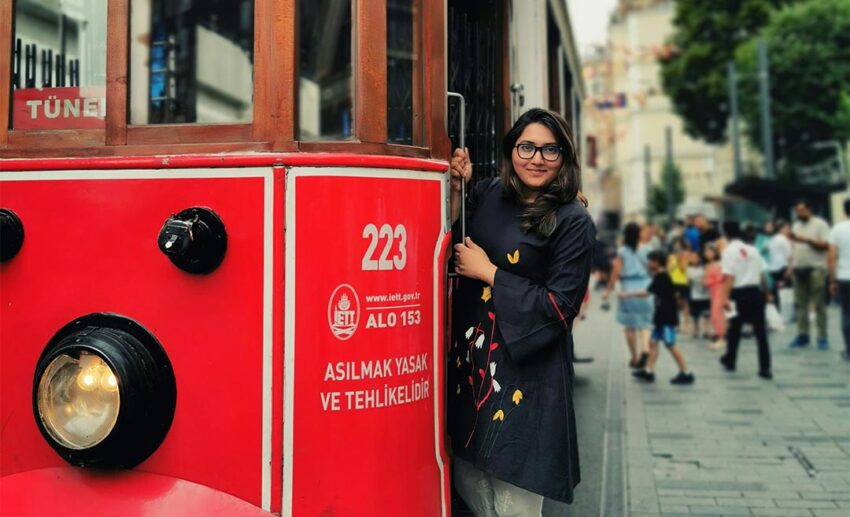
As someone who wasn’t able to travel as much as I’d like in my 20s and am now trying to catch up in my 40s, FOMO sometimes sneaks up on me when the subject of country count comes up. It’s hard not to feel a sense of underachievement for not having been to as many places as the next person. But comparison really is the thief of joy.
Moreover, everyone experiences a destination through their own individual lens. The best travel memories that make for the kind of stories you keep telling around the dinner table are usually not found in travel guides. Sure, it’s fun to keep track of how many countries I’ve been to, but it’s more important to curate experiences that are uniquely my own.
So, whenever an opportunity arises to travel, I make it a priority to plan the types of trips to places that have something of particular interest to me. It could be an event or an aspect of a culture that intrigues me; I would travel there just to experience that one thing. That includes repeat destinations where I can further discover the parts that I have missed in previous visits.
With age comes fearlessness

I used to smugly roll my eyes whenever I heard people quote the famous Carl Jung phrase, “Life begins at 40”. I found it to be such a self-consoling cliché to cope with the realities of ageing and missed opportunities. That was until I arrived at that milestone myself.
While midlife may bring about some changes to the mind, body, and energy that require us to reshuffle our priorities around, it also brings with it greater self-awareness, maturity from lived experience, and a freedom to live more fearlessly and authentically from having outgrown many societal expectations. All of which will help enrich our adventures.
Travelling in your 40s may look very different from travelling in your 20s, but different doesn’t mean diminished. If anything, it means travelling with greater clarity about what truly matters. The destinations may change, the pace may slow, and the priorities may shift, but the adventure is no less meaningful.