
Navigating body changes during perimenopause is much easier with community, conversation, and shared understanding. (Image by Jogendra Singh)
We tend to talk about menopause as though it happens overnight. One day you have periods, the next they stop, and that is that. The reality is considerably less tidy.
Perimenopause is the transition leading up to menopause, a life stage where fluctuating hormones can quietly alter your sleep, temperature regulation, mood, and menstrual cycle. It can last for several years, and the experience is entirely individual. Some women notice distinct symptoms, while others experience subtle shifts easily chalked up to stress, getting older, or simply having a packed itinerary. As our travel priorities evolve across different stages of life, this transition is particularly easy to overlook on the road.
You may wake up at 3am and blame the hotel mattress. You might feel unusually hot on a trip that would once have been perfectly comfortable. Your period arrives two weeks earlier than expected, and you spend the first morning of your beach holiday wondering why you bothered planning around a calendar.
Most of the time, these moments are just travel. Sometimes, they reflect how our bodies are navigating a new chapter.
When perimenopause disrupts sleep while travelling

There are few things more capable of throwing a holiday off course than a bad night’s sleep. Jet lag is an obvious culprit, but perimenopause can make sleep less straightforward even when you have not crossed a single time zone. Difficulty sleeping, waking during the night, and night sweats are all common during the transition.
And once you have had a few broken nights, everything else can feel harder. The early morning tour suddenly seems very early. That full day of sightseeing looks rather ambitious. Even deciding where to have dinner requires more enthusiasm than you can muster.
It does not mean you need to build your next holiday around getting eight uninterrupted hours. But if sleep has suddenly become less reliable, it may be worth looking at what else has changed rather than assuming every restless night is simply the price of travelling.
When hot flushes change how you experience a destination

There is enjoying the warmth, and then there is standing in front of the hotel air-conditioner at midnight, wondering why it has taken on the importance of a family member.
Hot flushes and night sweats are among the better-known symptoms of perimenopause. They can come on suddenly, bringing a feeling of heat and sweating that may be followed by chills. For someone who has always loved hot-weather holidays, that can be a strange adjustment.
You might find yourself seeking shade more often, reconsidering the midday walking tour, or waking up uncomfortable despite being in an otherwise perfectly pleasant room. None of this means you have to give up tropical destinations. It is simply useful to know that a change in how you experience heat can be part of the transition. Sometimes, the most valuable thing you can pack is an understanding of why your body suddenly seems to have strong opinions about the weather.
When perimenopause makes your period unpredictable
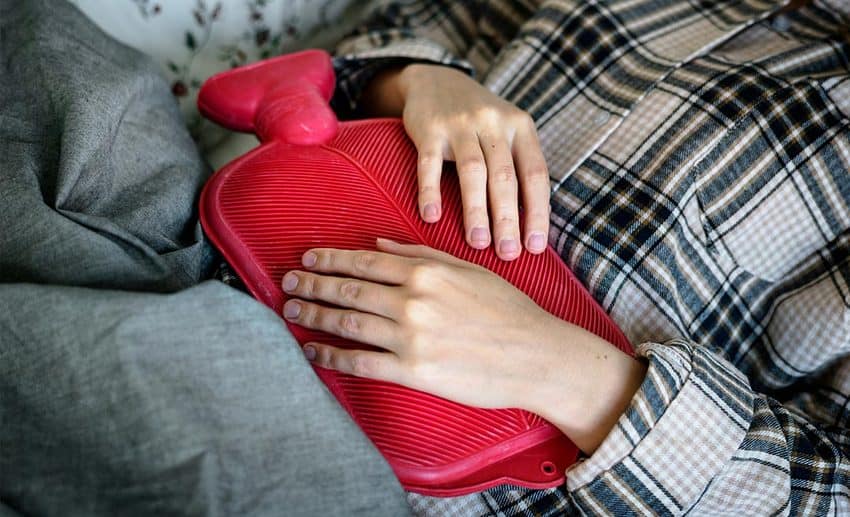
Travel already involves enough things you cannot control. Your period changing its schedule is an unwelcome addition.
During perimenopause, periods can become shorter, longer, heavier, lighter, or less predictable. You may skip one altogether and then find it returns when you have stopped expecting it.
This is particularly useful to know if you are the sort of traveller who plans around your cycle. Perhaps you have always known roughly when your period will arrive and suddenly find that your usual calculation no longer works. A hiking trip, long-haul flight, or beach holiday can become a little more complicated when you are not quite sure what your body has planned.
Keeping track of your cycle can still be useful, even when it is becoming irregular. It gives you a clearer picture of what is changing and can provide useful information if you want to discuss those changes with your doctor. And one important reminder: irregular periods do not mean you can no longer become pregnant. Ovulation can still happen during perimenopause, so contraception may still be necessary.
When perimenopause brings brain fog on the road

Everyone forgets something while travelling. The hotel room number, perhaps. The name of that restaurant someone recommended. Occasionally, even where you put your phone while holding it in your other hand. But if you have noticed that you are becoming more forgetful or struggling to concentrate in ways that feel new, you are not necessarily imagining it.
Difficulty concentrating and so-called brain fog can occur during perimenopause. They are generally mild, but can still be frustrating, particularly when you are trying to navigate an unfamiliar place, keep track of bookings, or remember which train you were supposed to take.
Again, it is not about blaming every forgotten passport on your hormones. It is about recognising a pattern if one exists.
Not every new symptom is necessarily perimenopause
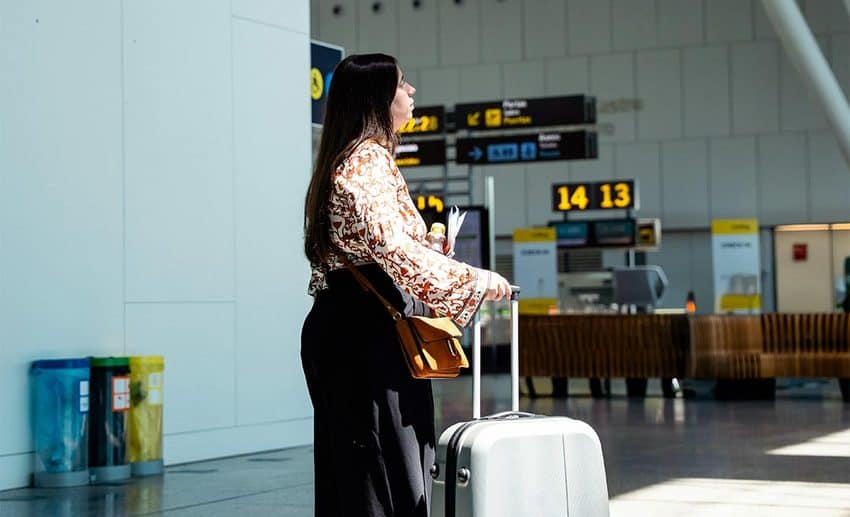
The most useful thing to know about perimenopause is also the easiest to forget: not everything is perimenopause. It can be tempting to put every new ache, unusual period, headache, or bout of exhaustion down to hormones. But these symptoms can have other causes, too. Particularly heavy or unusual bleeding, persistent symptoms, or anything that concerns you is worth discussing with a healthcare professional.
There is no single test that neatly tells every woman, “Yes, this is perimenopause.” Healthcare professionals generally consider symptoms, menstrual changes, age, and a person’s medical history when assessing whether they may be in the transition.
That is also why recognising the stage matters. You do not need to diagnose yourself every time you feel tired on holiday. But if several changes have started appearing at once, it is worth paying attention.
Perimenopause does not mean putting travel on hold

None of this is to suggest that perimenopause comes with a new set of travel restrictions. You can still book the long-haul flight. You can still hike, spend two weeks island-hopping, travel somewhere hot, stay out late, or pack an itinerary so full that your friends question your sanity.
You may simply find that your body has become a slightly less predictable travel companion.
Perimenopause does not have to dictate where you go or what you do; sometimes, understanding the changes your body is going through is enough to make travelling through them feel more manageable.