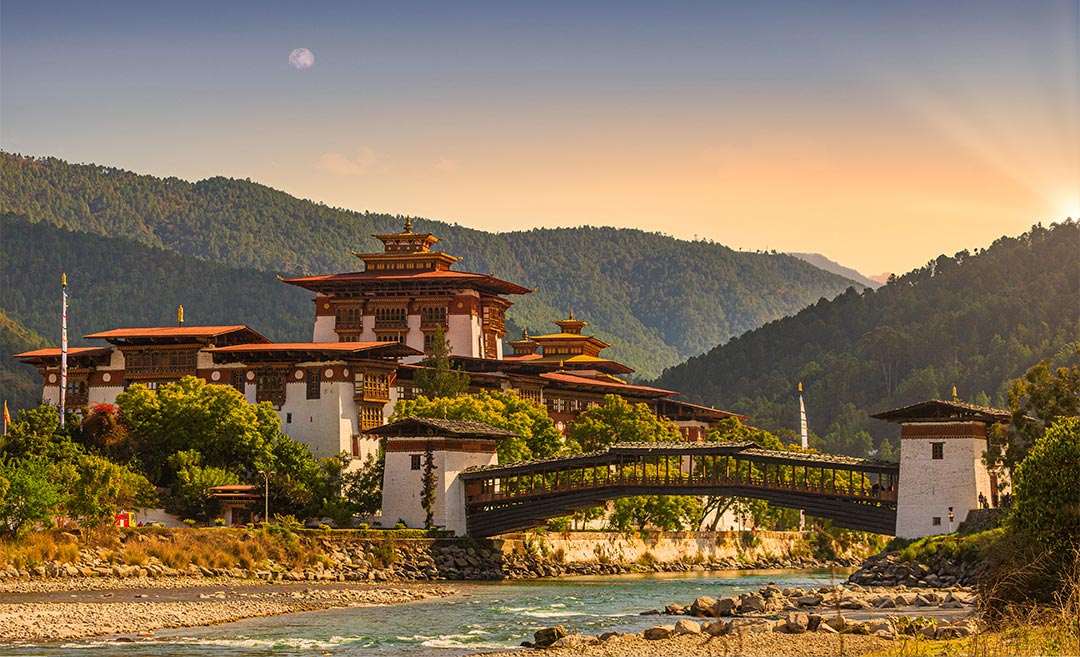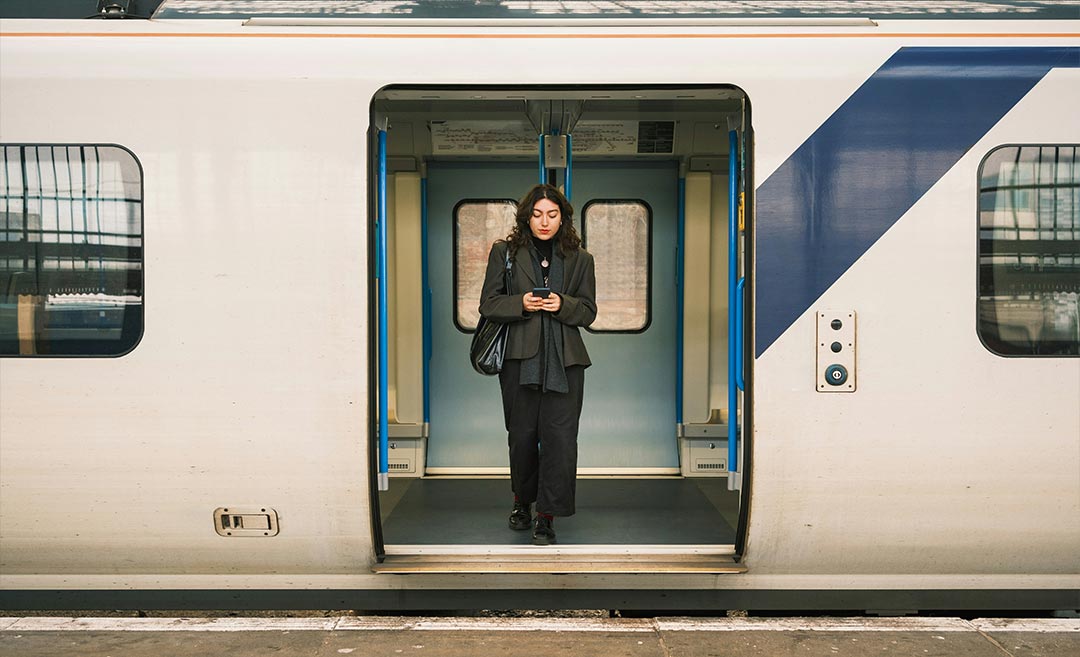
Letting go of a rigid itinerary doesn’t mean being unprepared; it’s about using the tools we have to navigate the unknown with a bit more confidence. (Image by Fellipe Ditadi)
As an anxiety disorder sufferer, having to contend with uncertainty is a constant exercise in emotional regulation. That is why winging it on a trip without any prior knowledge of a destination doesn’t always sit well with me. One thing can go wrong, and a thousand thoughts of doom-and-gloom can send my entire nervous system spiralling.
What I have learned over the years is that anxiety is often rooted in fear of the unknown. We plan to create a sense of control, believing preparation protects us from the worst. But courage is not the absence of fear; it’s being afraid and doing it anyway. And there is no better exercise in courage and self-trust than travelling somewhere unfamiliar without an itinerary.
So what does travelling without an itinerary actually look like in practice?
It looks like redefining the value of your time

There is perhaps no fear greater than the FOMO. In travel, it’s the irrational fear that if you don’t plan the perfect itinerary, you might miss some of the best experiences a destination has to offer, and your trip will feel like a waste of time and money. In truth, there is no such thing as a “perfect trip.” Everyone experiences a destination differently, which is why it’s more sensible to focus on enjoying a trip your way rather than stressing over what you might miss.
Let’s be real: there’s only so much we can see and do at a destination in one visit. As a writer, photographer, and urban sketcher, FOMO sometimes comes in the form of pictures I didn’t take, the places I didn’t sketch, and the stories I didn’t capture.
I overcome this by reminding myself that I can always return. Granted, some trips may be once-in-a-lifetime experiences. But thinking of each trip as the first of many relieves the pressure and urgency to do and see everything at once.
It looks like building a trip around your current self

Over the years, I’ve noticed how much our priorities change at different life stages. Here’s a harsh reality: we often become more conservative with age. I used to laugh at this notion until I reached my mid-thirties. You become less resilient to stress, function poorly on little sleep, grow more risk-averse, and generally crave predictability.
It stands to reason that your travel plans should work around your comfort, not the other way around.
Think about your compromises and non-negotiables. For instance, I no longer stay in backpacker hostels with shared facilities because I value peace and privacy. So when planning a trip, my priority is securing a safe and comfortable place to rest at the end of the day. Once accommodation is sorted, I shortlist nearby attractions. To avoid choice paralysis, and depending on the time I have, I would usually take note of no more than three touristy things of interest; it could be a museum, a famous cafe, or an event happening.
Since I enjoy understanding the places I visit, most of my pre-travel research becomes a mini crash course in local history and culture. It gives me context while leaving room for spontaneity when I’m finally there. The goal is to know and plan just enough to travel safely — everything else can be figured out as you go along, especially now that we have technology to aid us.
It looks like trusting the “hiccups” to tell the story
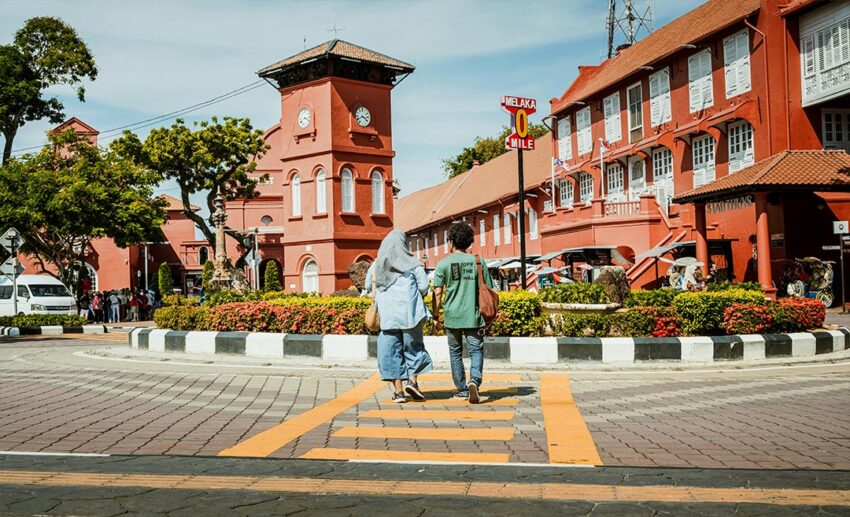
The one time I completely winged a trip, I was less of a worrywart and even less savvy traveller. I chose a festive long weekend to take a solo trip from Kuala Lumpur to Melaka — arguably the worst timing possible.
I booked a hostel bed for under RM30 per night when most places were fully booked or beyond my budget. Armed with a backpack, I arrived at the crowded bus station only to discover tickets to Melaka were sold out until the next morning.
I spent the night at the station and lost a night of my hostel booking. When I finally checked in, the “dorm” was an attic room in an old shophouse with foam mattresses on the floor. On the first day, I came back from an outing to the cleaner, mistakenly placing some of my belongings in lost-and-found. As if things couldn’t get any worse, the hostel double-booked the dorm, leaving me to sleep on the lobby couch.
Despite the hiccups, I was determined to make the most of the trip. I explored the heritage district on foot, discovered a museum by accident, befriended a couple from the US who treated me to pizza by the river, and had a friendly chat with an older traveller from China who had unknowingly taken my bed in the dorm.
More than a decade later, I still remember this trip fondly. It reminds me that – besides not leaving crucial aspects such as logistics up to chance – even the best plans can fall apart, and the best memories often are the result of things not going your way.
Not having a packed itinerary frees you up to explore and discover a destination at your own pace, on your own terms. Because in the end, the most rewarding and meaningful journeys are those tailored to fit you, based on your own choices and preferences.
The Spontaneity Scale: What to Plan vs. What to Leave

To travel without an itinerary, you don’t need to leave everything to chance. You just need to secure the “bones” of the trip so your mind is free to wander.
- Arrival & base: Always book your first two nights’ stay and your airport transfer.
- The “one” rule: Shortlist just one must-see per city to act as your daily anchor.
- Safety sync: Keep offline maps downloaded and your emergency contacts accessible.
- The mid-day gap: Leave the hours between 11am and 5pm blank for organic discovery.
- The local lead: Ditch Yelp; eat where you see a crowd of locals or follow a shopkeeper’s tip.
- The pivot: If you love a place, stay. If you don’t, move on. Trust your intuition over your original plan.
Zafigo Pro-Tip: Think of preparation as the “hardware” and spontaneity as the “software.” You need the hardware to function, but the software is where the actual experience happens.