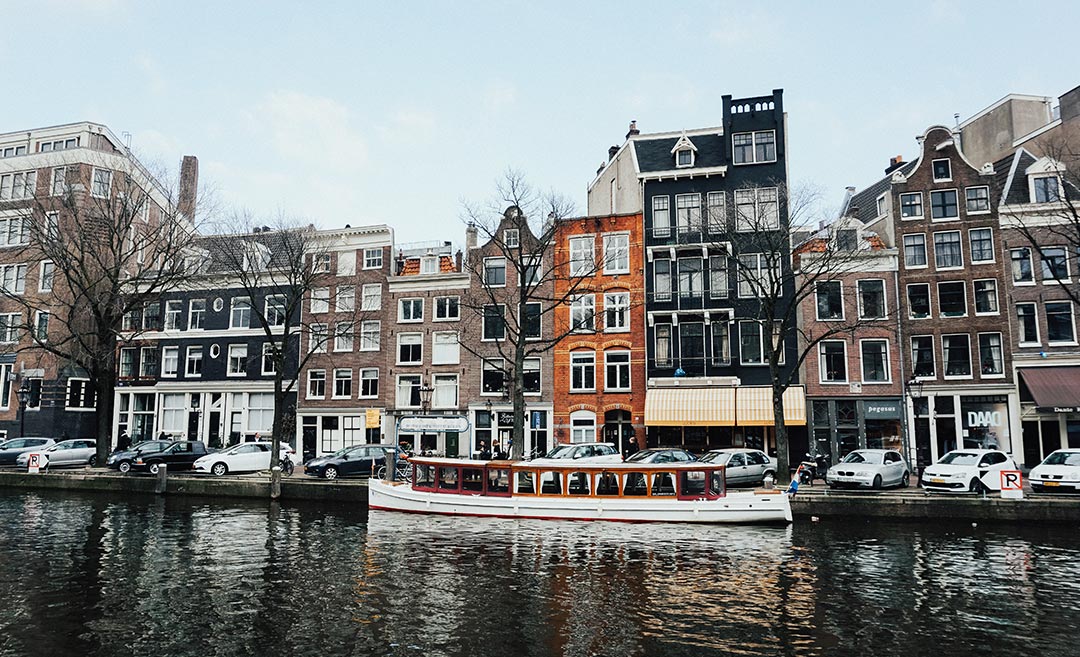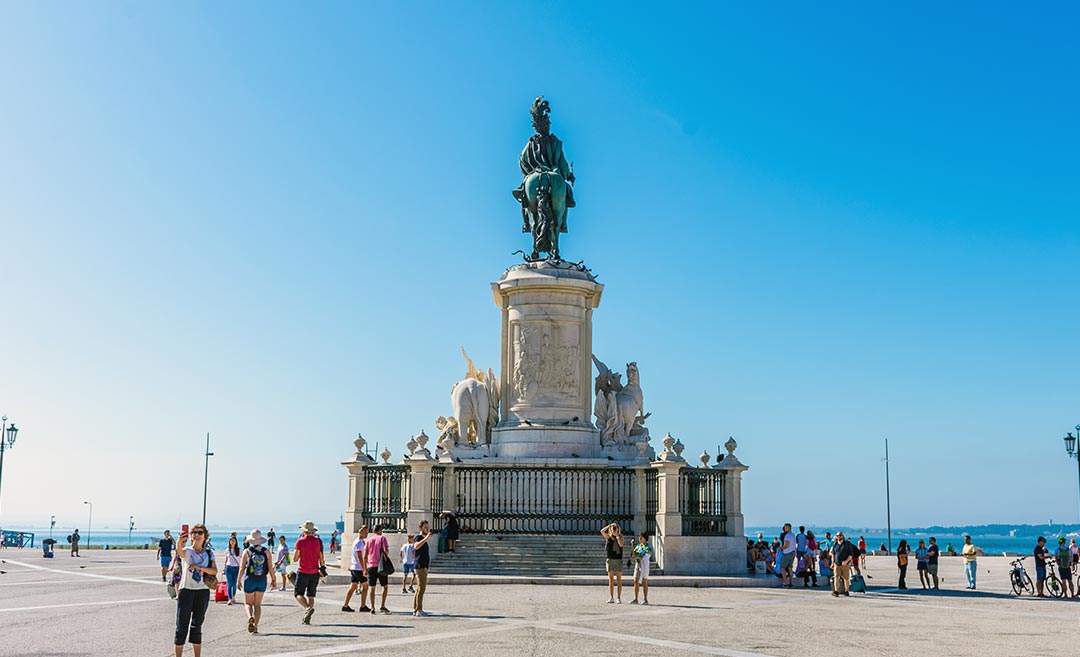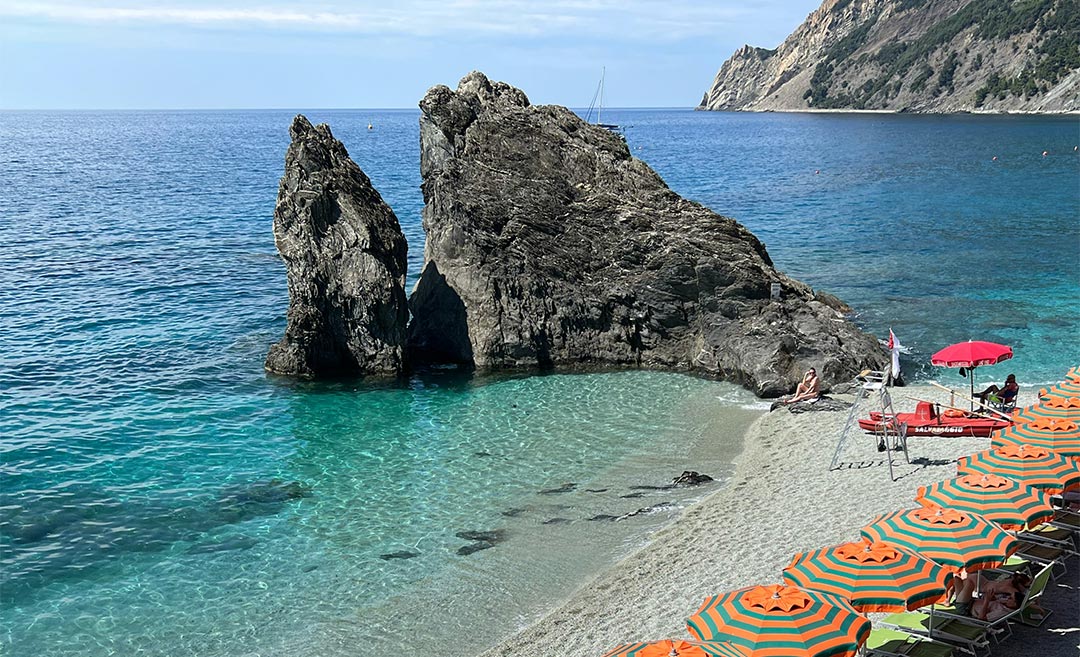
Setting off on a new chapter: Taking the leap to move to Europe is the ultimate form of lifestyle design, but building a real life here means moving far beyond the postcard fantasy. (Image by mae black)
More women are using extended stays, working holidays, relocation test-runs, and remote work opportunities to explore what living in Europe as an expat might actually look like. But building a life in Europe is very different from visiting it as a traveller.
For women considering relocation to Europe, the appeal is easy to understand. From vibrant cities and diverse cultures to strong public transport systems and easy access to neighbouring countries, Europe offers countless possibilities. At the same time, relocating comes with practical considerations that can be easy to overlook when you’re viewing a destination through a holiday lens.
Whether you’re considering a temporary move, long-term expat life, or simply exploring the idea, here are the key things to think about before relocating to Europe.
Look beyond the holiday experience
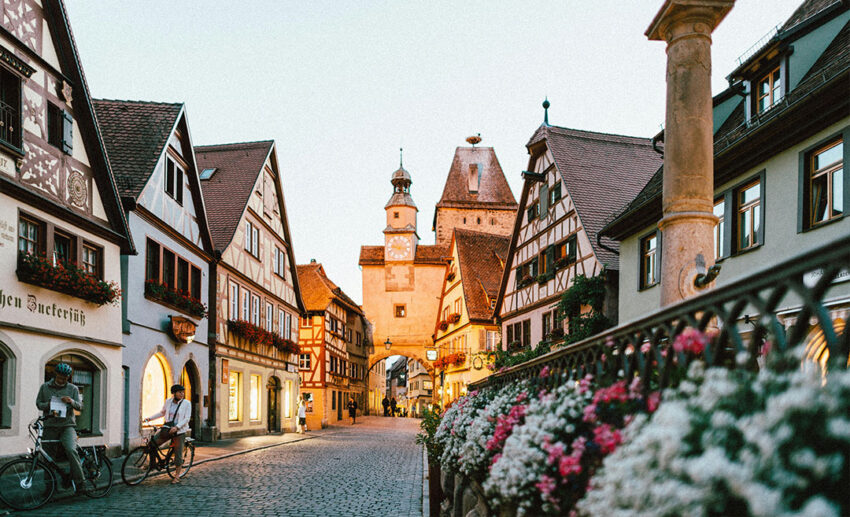
One of the biggest mistakes people make when considering a move abroad is assuming that the version of a place experienced on holiday reflects everyday life there.
A city that feels exciting for a week may feel very different after a few months of grocery shopping, commuting, paying bills, and navigating bureaucracy in a language you don’t speak fluently.
Before committing to a move, spend time considering what daily life might actually look like. Think about where you would live, how you would get around, whether you would have access to the things that matter most to you, and what your social life might realistically look like once the novelty wears off.
The more you can experience a destination as a resident rather than a tourist, the better prepared you’ll be to make an informed decision.
Finding the right fit
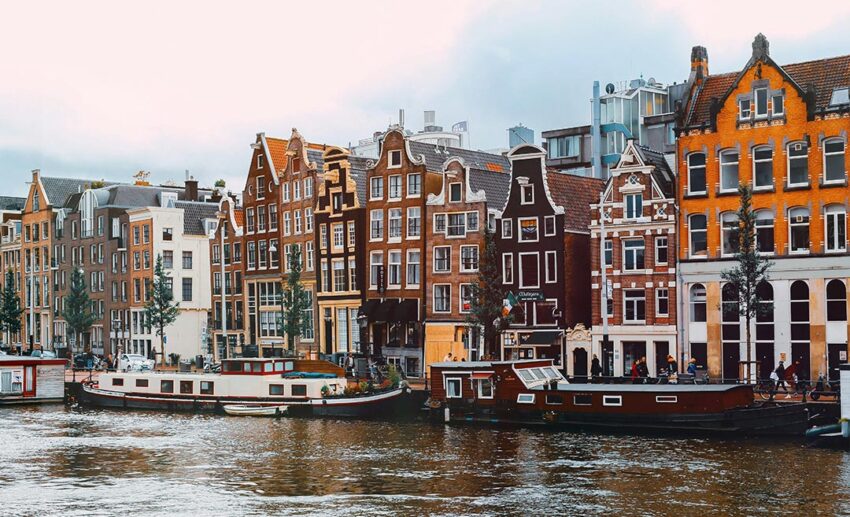
Europe is incredibly diverse, and choosing the right location for living in Europe involves much more than simply picking a country you’ve enjoyed visiting.
Think about your priorities. Do you thrive in fast-paced cities, or do you prefer a slower pace of life? Are you looking for career opportunities, cultural experiences, outdoor activities, or affordability?
Cities such as Amsterdam remain popular thanks to their international communities, cycling culture with bike-friendly streets, and progressive attitudes. Zurich is known for its high quality of life and excellent infrastructure, while Barcelona attracts many newcomers with its climate, culture, and lifestyle.
And let’s not forget about Barcelona, where you can soak up the sun on the beach by day and immerse yourself in the city’s rich culture by night. Whatever your priorities, there’s a European destination out there waiting to welcome you with open arms.
However, the “best” destination is ultimately the one that aligns with your goals, personality, and lifestyle preferences.
Understanding local culture
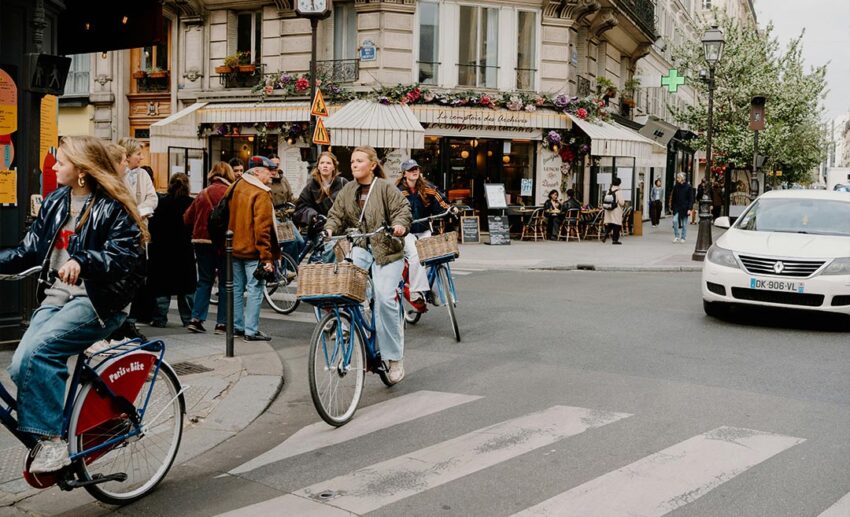
Europe is made up of countless cultures, languages, and social norms, each offering its own way of life.
From the warmth of Southern Europe to the quieter social customs often associated with Scandinavia, adapting to a new culture can be both exciting and challenging.
Learning a few phrases in the local language can go a long way towards building connections and showing respect. Observing local customs, understanding workplace culture, and remaining open to different ways of doing things can also make the transition smoother.
Cultural differences aren’t obstacles to overcome. They’re part of what makes living abroad such a rewarding experience.
Navigating visas and legal requirements

Every European country has its own visa, residency, and work permit requirements, and understanding them should be one of the first steps in your planning process.
The rise of remote work has also introduced new visa options in some countries, including digital nomad visa Europe programmes and long-stay permits designed to attract foreign professionals.
Research is essential. Requirements can change, and what applies in one country may not apply in another. Make sure you understand what permissions you’ll need, how long you can stay, and whether your intended work arrangements are legally permitted.
Patience is also important. Administrative processes often take longer than expected, and having all your paperwork prepared in advance can save significant stress later.
If you need help navigating the system, reach out to expat support groups or legal assistance services. Websites like ExpatWoman and ExpatFocus offer valuable resources and advice for expats living in Europe.
Safety still matters
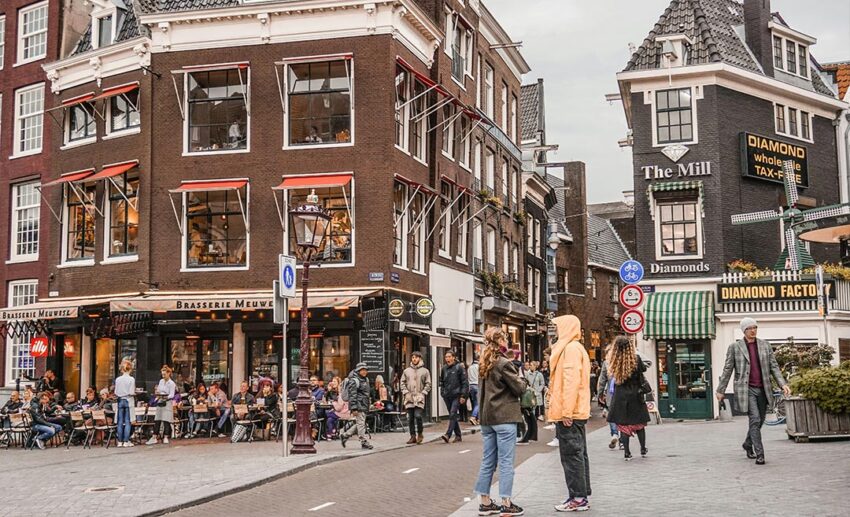
For women moving abroad, safety remains an important consideration.
While many European cities consistently rank highly for safety and quality of life, it’s still important to familiarise yourself with local customs, neighbourhoods, and common scams.
Some practical habits include:
- Trusting your instincts if a situation feels uncomfortable.
- Using reputable transport options, particularly late at night.
- Staying aware of your surroundings in crowded tourist areas.
- Learning local emergency numbers and services.
- Keeping informed about local news and developments.
As with any destination, preparation and awareness go a long way.
Healthcare and insurance

Healthcare systems vary significantly across Europe, making it important to understand what coverage you’ll have access to before you arrive.
Some countries offer public healthcare access to residents, while others rely on a combination of public and private services. Depending on your visa status, you may be required to purchase private health insurance before arrival.
Even if you’re moving to a country with an excellent healthcare system, comprehensive expat travel insurance remains one of the most important investments you can make. It provides protection against unexpected medical expenses and offers peace of mind as you settle into a new environment.
Building a life, not just a social calendar

One of the biggest challenges of expat life in Europe isn’t finding things to do—it’s creating a sense of belonging.
Many newcomers find support through local community groups, hobby clubs, language exchanges, volunteering opportunities, and expat networks. Online communities can also be valuable sources of information and connection.
At the same time, building a life abroad often means making an effort to engage with local communities rather than remaining entirely within expat circles.
Meaningful friendships take time, but creating routines and becoming part of a community can transform a destination from a place you’re staying into a place that feels like home.
Living abroad can be one of the most rewarding decisions you’ll ever make, but it’s rarely as simple as falling in love with a destination during a holiday.
The practical realities of housing, healthcare, visas, finances, and community matter just as much as the scenery and culture. Taking the time to understand how a place fits into your long-term goals can help you move beyond the fantasy and make decisions that genuinely support the life you want to build.
After all, the question isn’t just whether you could move to Europe. It’s whether you can create a life there that feels like your own.
Editor’s Note: This article was originally published in 2024 under the title “Your Guide To Working And Living Abroad In Europe As A Woman”. It has since been updated by the editor to reflect current information, including evolving remote work opportunities, visa pathways, and considerations for women exploring long-term relocation and expat life in Europe.