
Here’s why the cheapest flight isn’t always the smartest choice for business travel, and what to consider before you book. (Image by tonefotografia)
When you’re travelling for business, it’s tempting to book the cheapest fare and be done with it. After all, work trips aren’t exactly holidays. So, why spend more?
But here’s the thing: choosing the lowest fare can sometimes cost you more in time, energy, and productivity. Whether you’re self-employed, part of a small team, or just trying to make smarter choices with your travel days, it’s worth looking beyond the fare.
Here are five common mistakes business travellers make when booking flights, and why the cheapest ticket isn’t always the best value.
1. “Cheapest” doesn’t mean best value

Airline ticket prices have risen significantly in recent years, so we understand why grabbing the lowest fare can feel like a win. But if that $300 savings comes with eight-plus hours of extra travel time, long layovers, or an inconvenient red-eye flight, you might be setting yourself up for a difficult trip.
What could you be losing? Productivity, energy, and recovery time. That cheaper fare could cost you more in ways that don’t show up on your receipt.
Tip: When booking flights, think about how your itinerary affects your energy and schedule. Prioritise flights that work with your plans, not just the lowest fare.
2. Sorting by price alone misses the bigger picture

We’ve all done it: filtered flights by “lowest price” first. But that search logic often overlooks what really matters on a business trip: flight duration, stopovers, arrival times, and overall comfort.
A cheaper flight might mean arriving too late (or too tired) for an important meeting, or losing an entire day to travel fatigue.
Tip: Use booking tools that let you compare flights based on factors beyond price. Looking at duration, departure times, and layovers together can help you find an option that balances cost with convenience.
3. Your wellbeing matters more than ever
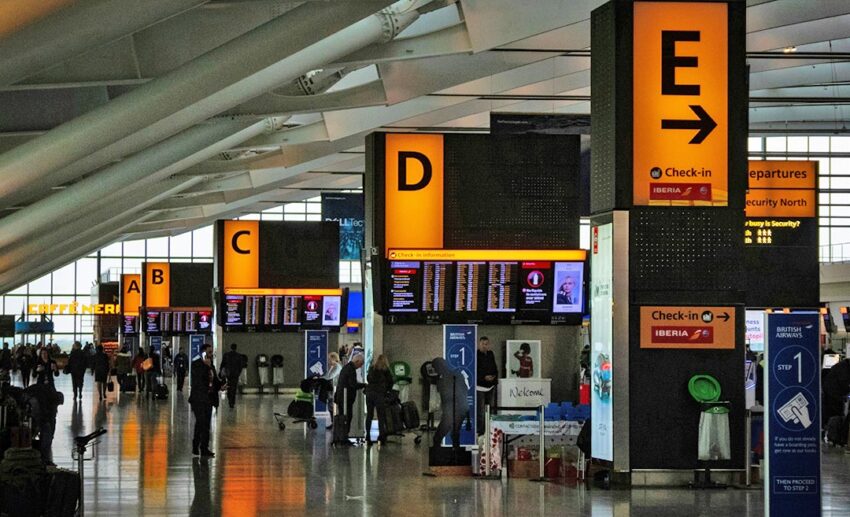
Business travel doesn’t have to mean toughing it out. Burnout is real, and forcing yourself through multi-leg journeys or overnight flights to save a little money can leave you foggy-headed, irritable, and exhausted.
That doesn’t just affect how you feel; it can also affect how you show up for meetings, presentations, and conversations once you arrive.
Tip: Avoid red-eye flights when possible. Set personal limits on maximum travel time or the number of layovers you’re willing to accept, especially if you have a packed schedule waiting for you at your destination.
4. Missed time = missed opportunities

Every extra hour in transit is an hour not spent working, resting, preparing, or doing something that matters.
That “cheaper” flight from Kuala Lumpur to Dublin with a much longer journey may have saved you a few hundred dollars — but at what cost?
It could mean losing an evening you could have spent preparing for a meeting, or needing an extra day to recover after arriving. That doesn’t always make it the better deal.
Tip: Pay attention to your total travel time. Add up each leg of the journey and consider what your time is worth. Is the saving really worth the trade-off?
5. You rarely look at what you could have booked

We tend to click, book, and move on. But taking a moment to compare your options before confirming your flight can help you make better decisions.
Look at the cheapest option, the fastest option, and the one that offers the best balance. Over time, you’ll start noticing what actually works best for your schedule, energy levels, and travel habits.
Tip: Use platforms that offer side-by-side comparisons and keep track of what works for you. The best choice may not always be the cheapest one, but it should be the one that supports your trip’s purpose.
Smarter travel starts with better questions

Instead of asking: “What’s the cheapest fare?”
Start asking:
Is the departure time reasonable?
How many stops are involved?
What’s this flight going to cost me in energy?
Will I arrive ready for what’s ahead — or spend my first day recovering?
Looking beyond price isn’t indulgent; it’s practical. Because in the end, the goal isn’t simply the cheapest trip. It’s the smartest one.