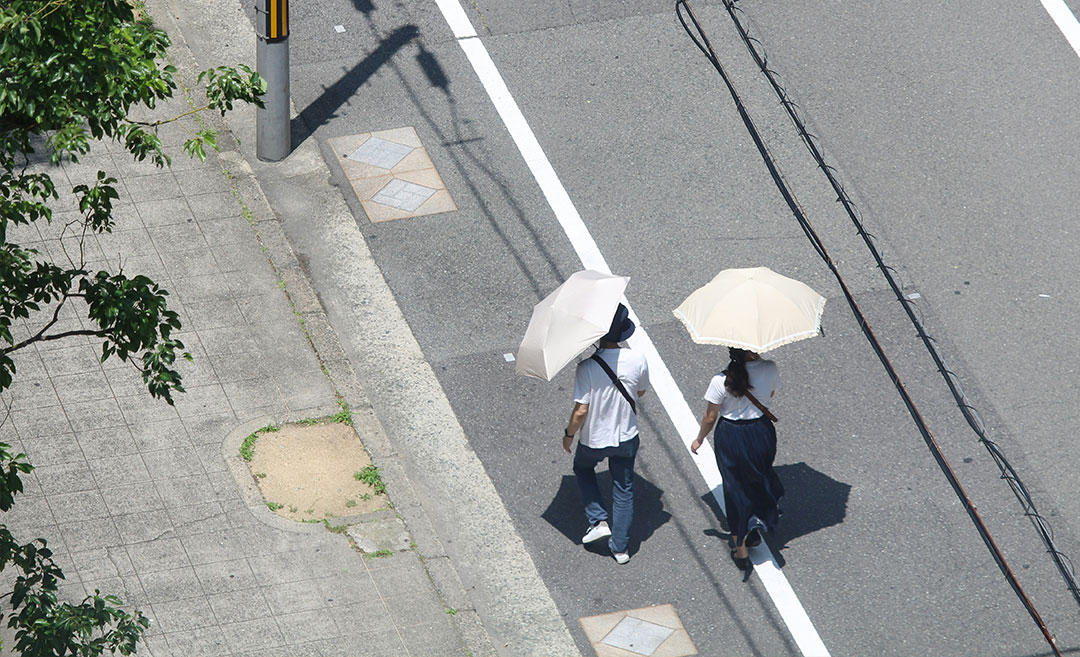
MetMalaysia’s Super El Niño forecast means travellers should plan for hotter weather, possible haze, and flexible outdoor itineraries across Malaysia. (Image by Josh Kirk)
Malaysia’s weather could become significantly hotter over the coming year after the Malaysia Meteorological Department (MetMalaysia) warned that a potential Super El Niño may develop, with the strongest impacts expected between March and May 2027. While the forecast is no reason to cancel holidays, it is something both international visitors and Malaysians planning trips around the country should factor into their travel plans.
According to MetMalaysia, the climate pattern could bring reduced rainfall, higher temperatures, and an increased risk of haze if conditions develop as forecast, with temperatures potentially surpassing Malaysia’s previous record highs.
How a Super El Niño could affect travel in Malaysia
Unlike the monsoon seasons that bring heavy rain, El Niño typically results in hotter, drier conditions across much of Malaysia by reducing rainfall. MetMalaysia expects northern Peninsular Malaysia, along with Sabah and Sarawak, to experience some of the more noticeable impacts. Sabah, in particular, has historically felt stronger El Niño effects because of its geographical location closer to the Pacific.
For visitors, this may translate into warmer sightseeing conditions, greater risk of heat stress during outdoor activities and, if regional fires occur, occasional haze affecting visibility and air quality. Before travelling, it’s worth checking MetMalaysia’s forecasts, national park advisories, and air quality updates, particularly if your itinerary includes hiking, island excursions, or wildlife experiences.
Outdoor activities may require more flexible planning
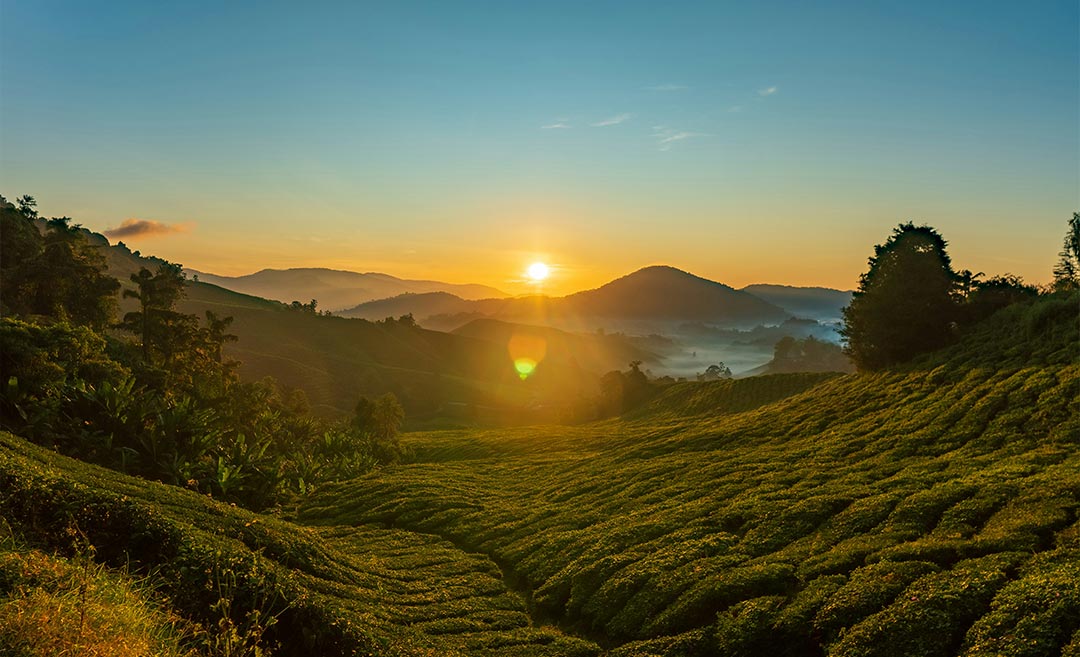
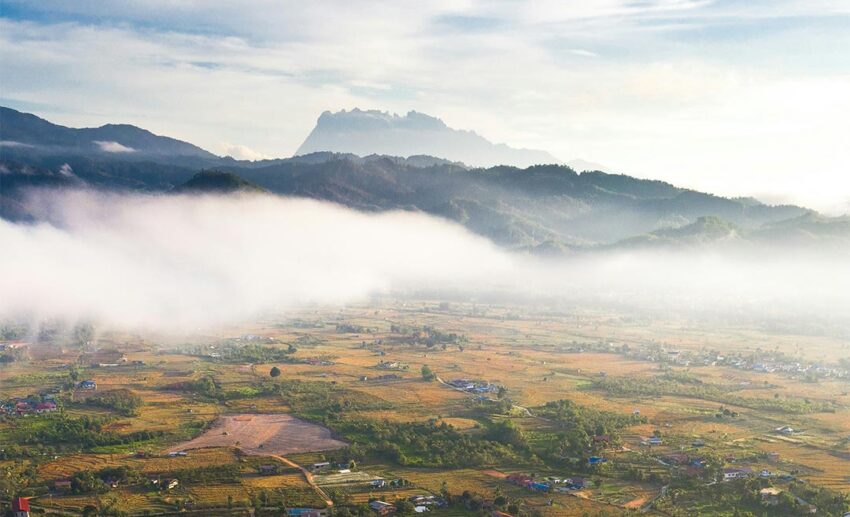
Malaysia’s rainforests, mountains, and islands remain some of its biggest attractions, even during an El Niño period. Rather than cancelling outdoor plans altogether, travellers should be prepared to adjust their itineraries if conditions change.
Depending on local conditions, some outdoor attractions or hiking trails may temporarily restrict access if authorities determine conditions have become unsafe. Hiking may also become more challenging during the hottest part of the day, while wildlife may be less active. Most island holidays are unlikely to be significantly disrupted, although haze, if it develops, could occasionally affect visibility for snorkelling, diving, and boat excursions.
Weather conditions will vary across Malaysia
One important point is that Malaysia rarely experiences identical weather nationwide. While northern Peninsular states may experience hotter and drier conditions, weather elsewhere can still vary from week to week. Likewise, East Malaysia’s vast landscapes mean Sabah and Sarawak may experience different local conditions despite both being forecast to feel stronger El Niño influences than usual.

For international visitors planning multi-destination itineraries, checking local forecasts for each stop rather than relying on a national outlook can help travellers plan more effectively.
For Malaysians planning weekend getaways or outdoor adventures, checking local weather forecasts, trail conditions, and park advisories before leaving can also help avoid unnecessary disruptions.
Travellers with asthma or other respiratory conditions should also monitor local Air Pollutant Index (API) readings if haze develops.
The message from authorities is simple: be prepared, not worried. For now, the forecast is simply another factor to consider when planning a trip.
MetMalaysia continues to provide forecasts, updates, and early warnings through its website and the myCuaca weather app.