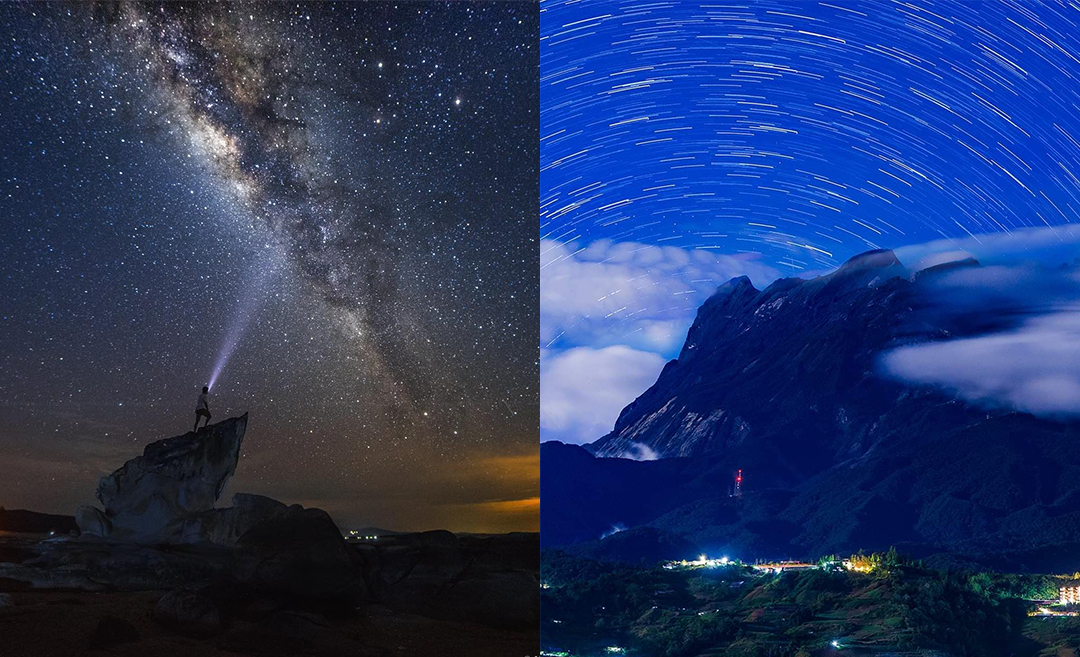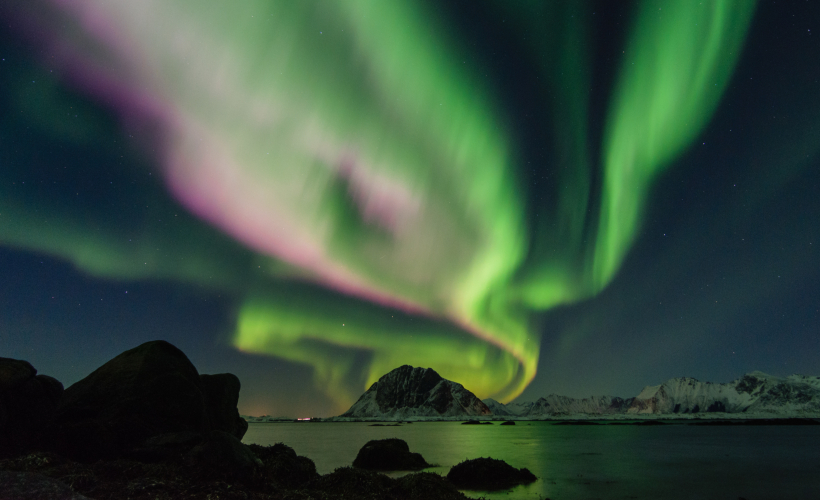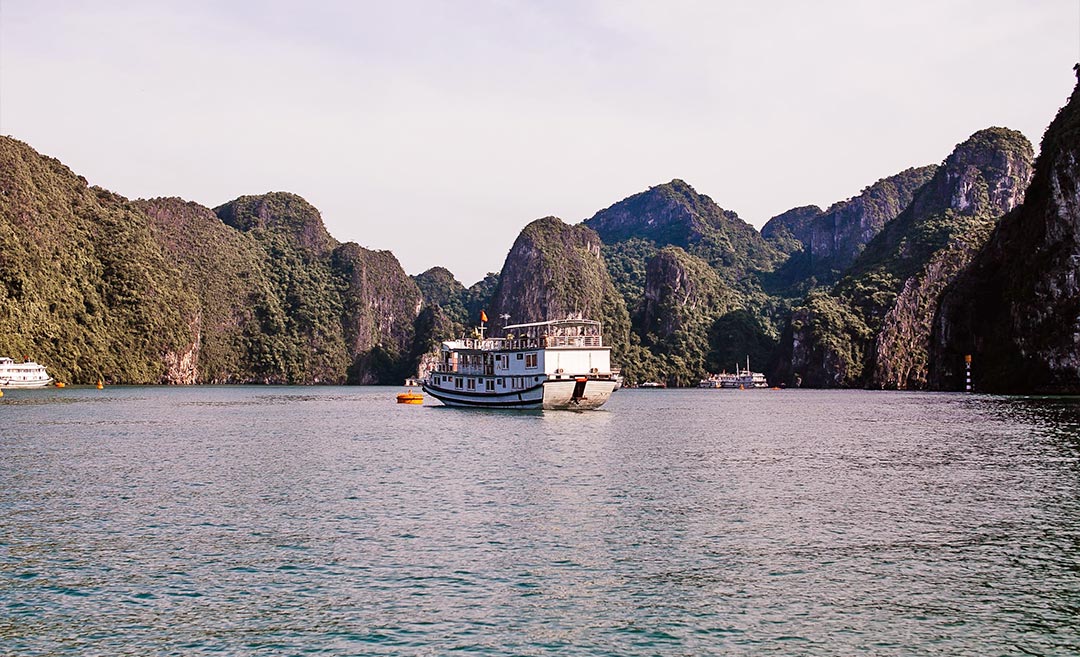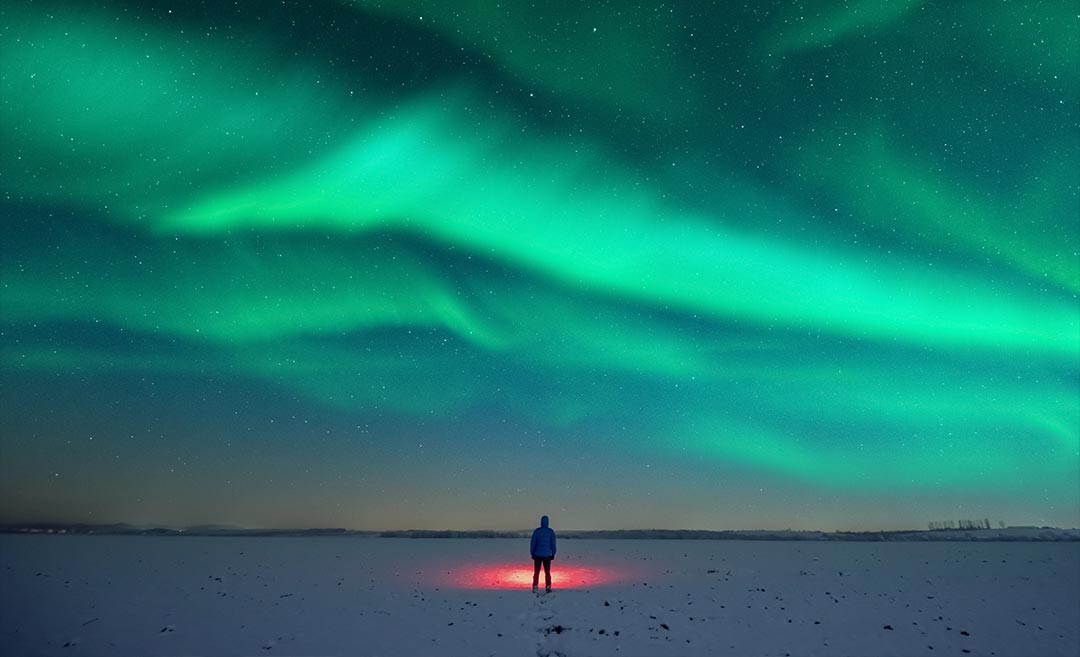
When the sun sets, the world recalibrates. Noctourism isn’t just about beating the heat; it’s about finding moments that only happen in the dark. (Image by Ivan Kmit)
Starting the day at the crack of dawn is a typical travel habit for many travellers. Though cliché, it helps beat crowds in tourist-heavy destinations and maximises sightseeing time. However, as daytime heat becomes increasingly unbearable in many parts of the world, nighttime experiences, or “noctourism”, are gaining popularity among travellers seeking cooler and more immersive experiences.
Instead of letting climate change disrupt your plans, why not rethink how you travel? Swap sun-scorched itineraries for after-dark adventures that are not only more comfortable but also offer a refreshing alternative to conventional travel experiences.
Cliffside glamping and stargazing
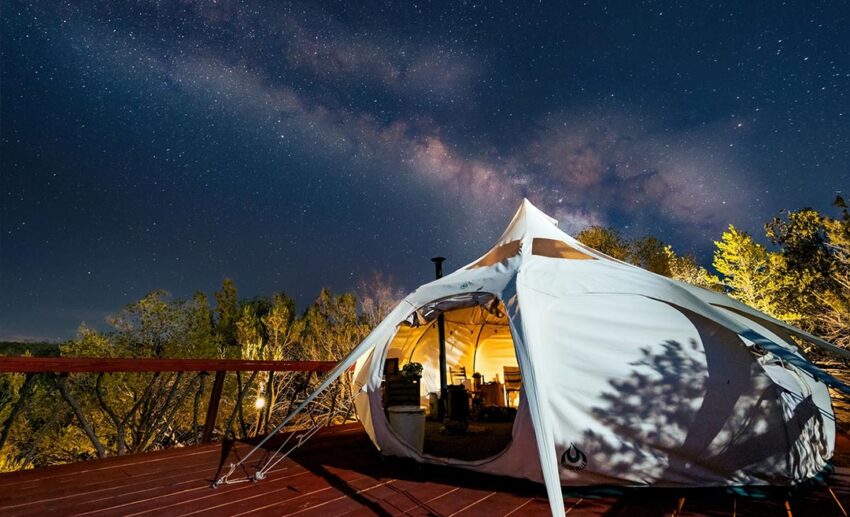
Interest in stargazing excursions can range from a short drive out of the city or an elaborate flight or train ride to the ideal locations for the activity. The only thing that can elevate that is to combine it with a cooling glamping stay by a hillside. From as near as spots in our very own Cameron Highlands to as far as Ladakh, India, hillside glamping with the intention of stargazing offers so much more than a luxurious stay, since ideal stargazing locations generally have minimal light pollution for the best star visibility, which also happens to be better suited for nature escapes.
Safety tip: Stay vigilant while navigating uneven terrains in the dark if you are planning to venture slightly away from your accommodation for the experience.
Logistics: Arrive before sunset, as locations tend to be remote and pre-arrange transport as needed for ease of access to the glamping site.
Instead of active afternoons in generic camping experiences, savour the natural surrounding greenery of the daytime view, enjoying low-energy activities like reading in the comfort of your fancy tent before gradually shifting to a more attentive evening for stargazing. With luck or perhaps a strategic timing on your part, you might even catch the chance to simultaneously do some comet-spotting.
Amazonian night boat ride
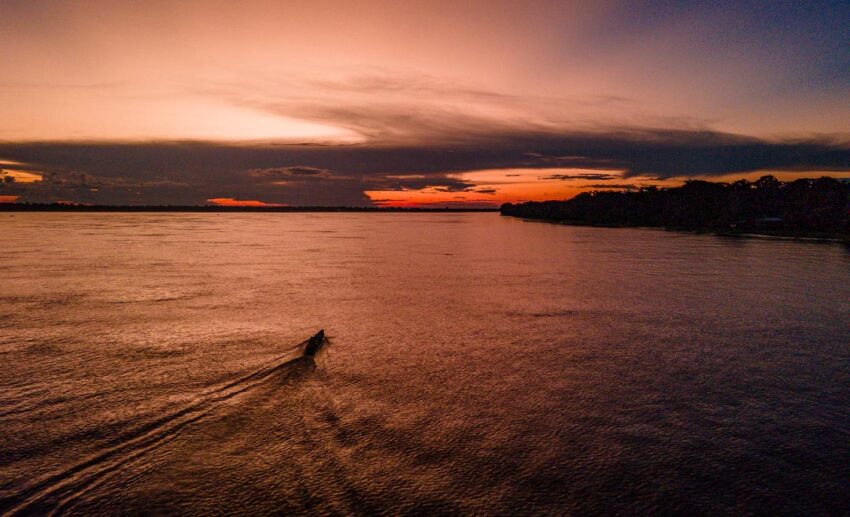
They say the jungle truly comes alive at night. As the boat cruises through winding streams within the Amazon rainforest, you will get to experience the extent to which this is true. What makes this experience particularly tied to the Amazon, rather than replicated elsewhere, is the sheer scale and biodiversity of the ecosystem as the largest tropical rainforest on Earth. The wildlife activity you could expect to witness and hear through the boat ride alone should justify it just as much.
Safety tip: Make sure to embark on the journey with the company of an expert navigator and dress appropriately for the occasion.
Logistics: Bookings in advance with certified guides are typically necessary, as schedules would revolve around river conditions and weather.
A typical outing should begin after dinner, just after the sun has gone down, leading into a gentle ride along the river, relishing in the sounds of nature and wildlife before returning to your accommodation under darkness.
Cultural after-dark walk
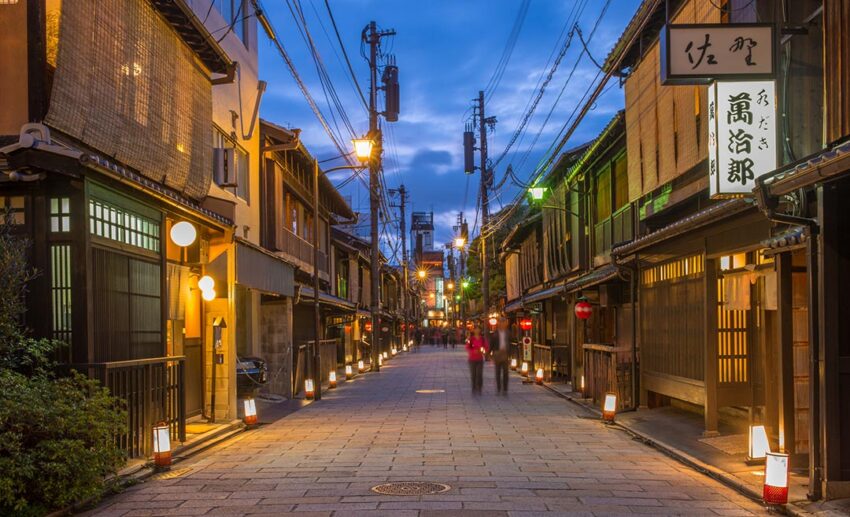
Apart from being shopping capitals, urban destinations can offer some of the best backdrops to discover unique cultural experiences, just as they shed their daytime intensity after dark. Depending on where you are heading for your next trip, there are plenty to enjoy at night in these settings beyond night markets and dive bars. In Kyoto, evening walks through the softly lantern-lit Gion district allow glimpses of traditional ochayas or teahouses and the chance to spot a real geisha darting in or out of them between appointments if you are lucky. Intimate venues across the old town of Seville, Spain, on the other hand, offer a look into a vibrant fusion of music, dance and heritage identity through their evening flamencos.
Safety tip: Stay within well-lit areas, walk through guided routes, and plan return transport, as public options may become limited late into the night.
Logistics: Bookings in advance are potentially required according to experience, and there are usually fixed evening time slots for them.
These cultural night tours are generally manageable enough, even if you are planning on ditching guide services for a self-guided tour. Head out after sunset for a light dinner before going on your chosen excursion and discover cultural experiences that come alive as the city gradually slows for the night.
Night safari
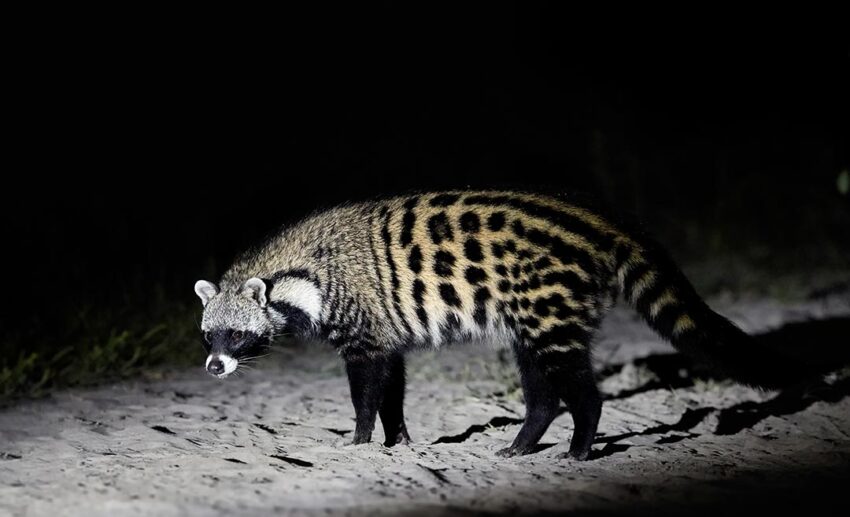
Night safari tours are a perfect alternative to Amazonian nocturnal boat rides, and not just for easier accessibility to the activity. It is also less risky if you are not feeling adventurous enough for a post-dinner activity. When safari is mentioned, the destination that naturally comes to mind is Africa. However, you can opt for something even less dramatic through night safari experiences offered by local zoos. While not as elaborate, you can expect similar sensory experiences of sensing the atmosphere shift as nocturnal wildlife becomes more active while riding on the buggies provided on the site. However, if you are keen on being adventurous, without travelling far, our very own Taman Negara in Pahang does offer a night safari and night jungle walk that will take you through the nature trail while being guided by their licensed nature guides.
Safety tip: Stay close to and adhere to the assigned tour guides and dress appropriately for the extreme type of excursions.
Logistics: Bookings in advance may be required for some, and arrangements should be made independently for transportation to and from the site unless readily provided in the tour package.
For this type of excursion, it is best to head out as early as you can, just in case there are specific time slots available in certain zoos. This is especially important if you do not plan on making bookings in advance for the tours.
Aurora viewing
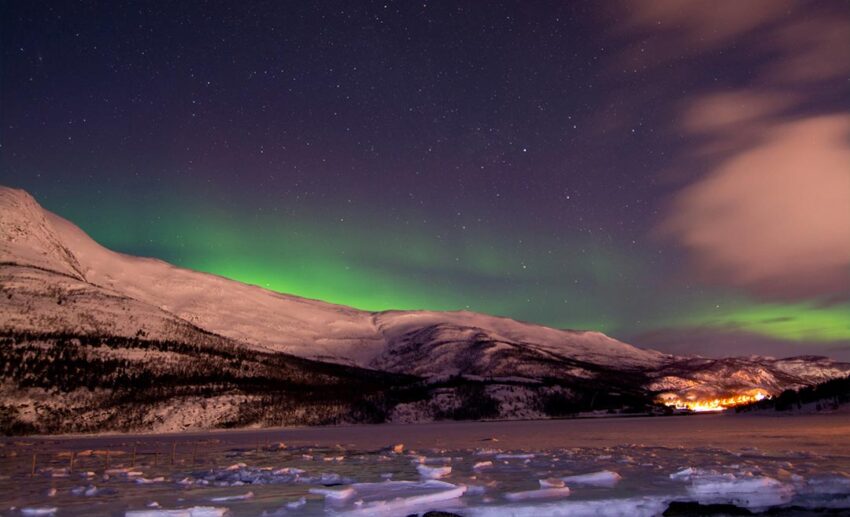
Unlike most of the other excursions, Aurora viewing requires thoughtful planning around specific timeframes, so it takes more preparation than luck and spontaneity. In most destinations where they are visible, this timeframe, otherwise referred to as the Aurora season, typically runs from September through March, with occasional early appearances by August through mid-April. Similar to stargazing, the key factors are darkness and cloudless skies. Iceland may be the most renowned destination for this excursion, but it can also be seen in other regions like Alaska, northern Canada and perhaps even Chile or Australia in rare southern polar conditions.
Safety tip: Avoid travelling alone in isolated areas and carry essentials like a flashlight, a charged phone and some emergency supplies, especially if the viewing spot is situated far away from your accommodation.
Logistics: Book guided tours if necessary, arrange reliable transportation and wear insulated clothing suitable for sub-zero temperatures.
In complete contrast, the environment for this activity is far colder than you are likely used to, so it is best to spend the daytime resting and conserving body heat before heading out early in the evening to maximise chances of catching clear skies and strong aurora activity. If you want to skip the hassle altogether, simply book one of the many available accommodations that are situated strategically near the viewing sites.
Ultimately, noctourism proves that meaningful travel does not end when the sun sets. As rising temperatures continue reshaping how we explore the world, after-dark experiences offer travellers a whole other immersive way to connect with culture, wildlife, and nature beyond the daytime rush.