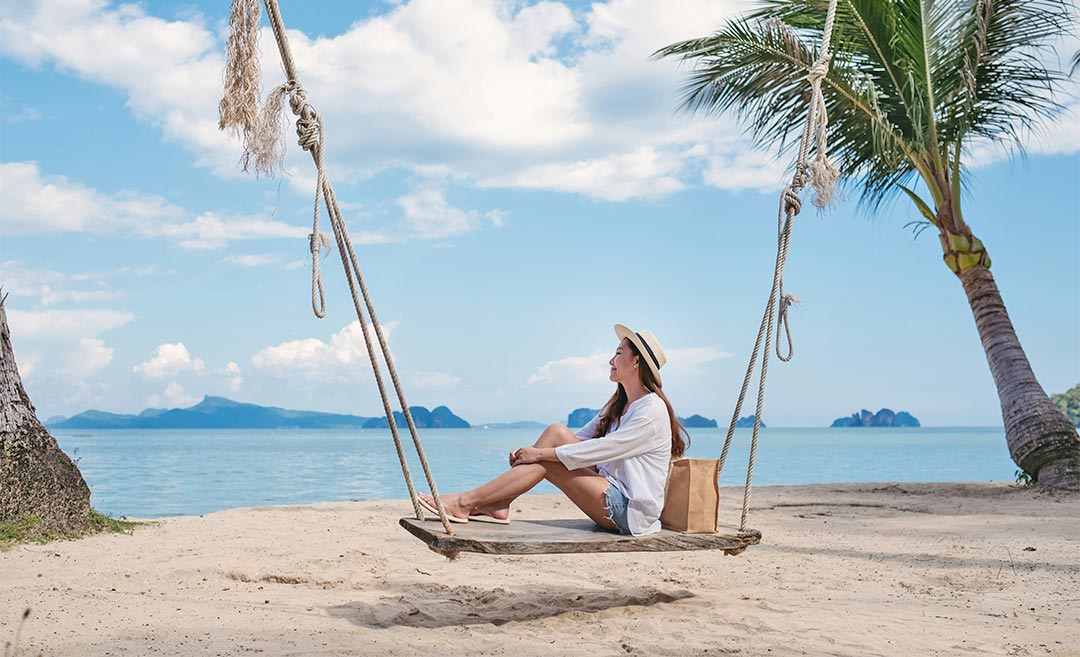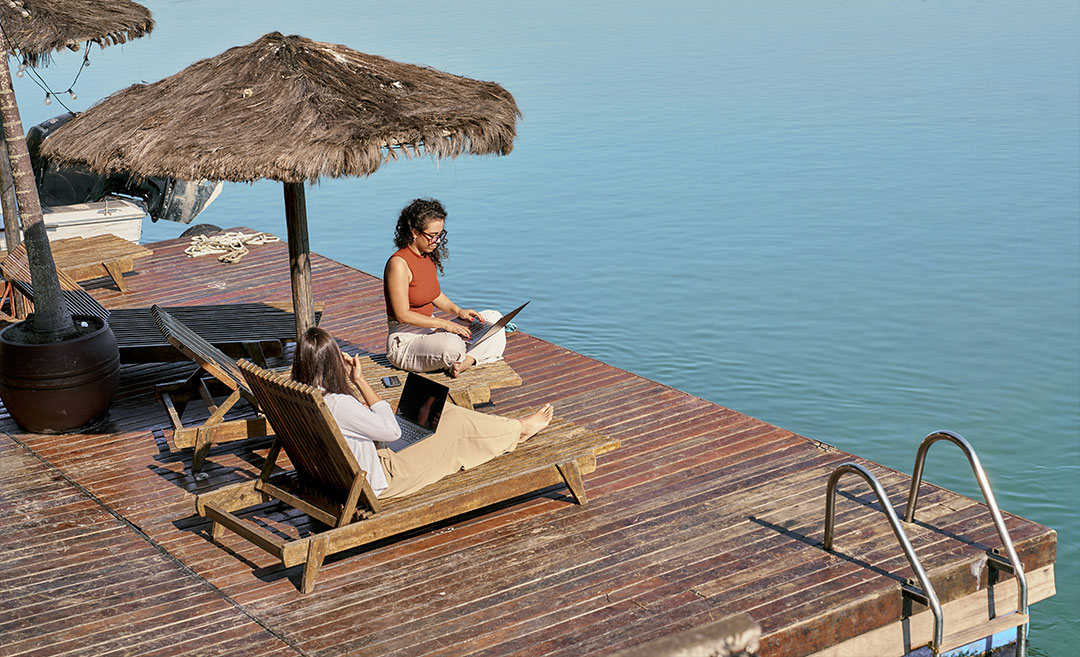
Thinking of embracing a nomadic lifestyle? Ask yourself these five practical questions before trading routine for continuous travel. (Image by Molly the Cat)
In 1986, newly divorced American author Rita Golden Gelman, then 48, decided to live the life she had always imagined. She sold her house, parted with most of her possessions, packed what was left, and began travelling from country to country without a permanent address. The first 15 years of her nomadic lifestyle are documented in her memoir, Tales of a Female Nomad, which continues to inspire adventurous women around the world.
While Gelman’s courageous and unconventional lifestyle is inspiring, it isn’t for everyone. Living a nomadic life means you trade stability for uncertainty, and the reality doesn’t always match the dream. Before you throw caution to the wind on a whim to chase your globe-trotting dreams, ask yourself these five questions.
1. Can you handle the uncertainty of nomadic life?
We often take for granted how grounding it is to have a place to call home, a job to wake up to, and a salary at the end of the month. There is certainly safety in mundaneness and routine.
A nomadic life requires living in the present moment while making peace with uncertainty. After all, part of the fun of travelling is to be surprised. But while that can be exciting for many, it can be very anxiety-inducing for some. So, if you’re the sort of worrywart who cannot sleep peacefully without knowing what’s in store in the coming weeks – where you’ll be based, what your next meal will be, and where the next source of income will come from – the nomad life may not be for you.
It’s not a lack of courage; it’s knowing your limits and choosing what is best for your nervous system and, in turn, your overall well-being.
2. Can you live minimally?

When one thinks about dropping everything and setting off to see the world, the first thing that usually comes to mind is the monetary cost, but that is actually the least of your concerns. In this age of remote working, it is possible to earn an income anywhere in the world with an internet connection. The bigger concern is whether you can make your money stretch by forgoing luxuries and living with just the bare essentials fitted into one suitcase.
The nomad’s life is one of freedom and mobility, unencumbered by possessions. If you have shelves of cherished collectables you cannot part with or enjoy treating yourself regularly on payday, you may want to reconsider a life on the go.
3. Are you at the right phase of life to drop everything?
If you have a family with school-aged children to care for, the nomad life may not be in the cards for you at the moment. If you are partnered, will your other half be on board with your decision and perhaps join you on the journey? Or will you have to go your separate ways?
What about your career goals and ambitions? It may be a good idea to put your long-term travel plans on hold when your career is gaining momentum. Perhaps take this opportunity to gain financial stability before giving up the security of a regular pay cheque.
While you take stock of life’s priorities, you have to factor in your health as well. Are you fit enough to handle the physical demands of extensive travel? Do you have a condition that requires easily accessible medical attention and medication? Healthcare practices and drug regulations differ from country to country. If you have specific medical needs, you will have to be willing to do your homework before extensive travel.
4. Can you adapt to life beyond the tourist trail?
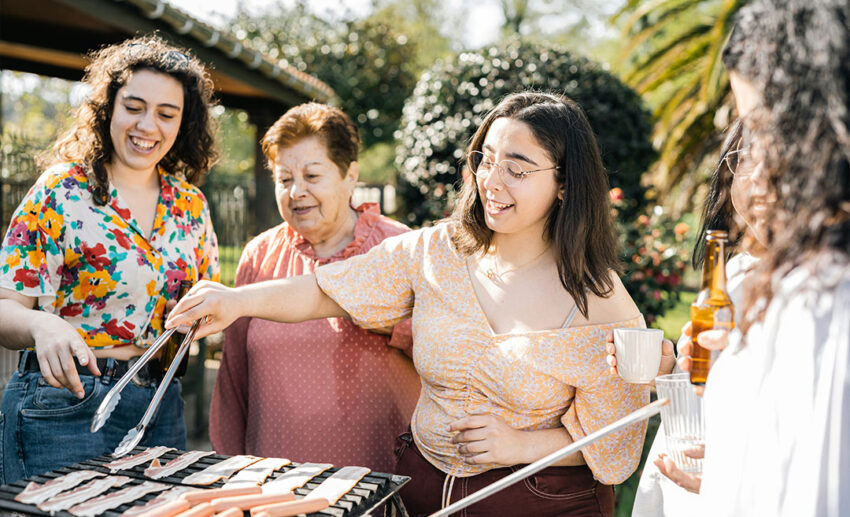
What makes Gelman’s memoir so compelling is that during her nomadic years, she didn’t just observe the cultures she travelled through, but participated in them. In her own words, “People are my passion. Unlike a traditional nomad, when I go somewhere, I settle in with the locals long enough to share the minutes of their days, to know the seasons of their lives, and to be trusted with their secrets. I have lived with people in thatched huts, slept in their gilded palaces, and worshipped with them at godly ceremonies and dens of black magic. I have also cooked with women on fires all over the world.”
When you are sojourning from place to place, you cannot expect to always be a tourist. You will have to adapt to your new temporary home, including learning the local language, acquiring a taste for the food there, and adopting a way of life that is far from what you are familiar with.
You also have to consider the possibility of things not going as planned. For instance, something unexpected, such as a natural disaster or political upheaval, can happen where you are forced to leave a country. Do you have a contingency plan in the event of a worst-case scenario?
5. Is there a practical way to try nomadic living first?
Fortunately, nomadic life doesn’t have to be all or nothing. It doesn’t have to be a way of life either; it can just be a phase. So, if the world is calling you but you cannot afford to leave everything behind at the moment, perhaps you can plan and prepare for a gap year of long-term travel and nomadic living. If that is too daunting a feat, you can always opt for a shorter period of living abroad.
Nevertheless, as the saying goes, if there is a will, there is a way. As women like Gelman and many others have proven, there is more than one way to experience the world, and that age and economic status are not barriers. So, be realistic and practical while keeping an open mind.