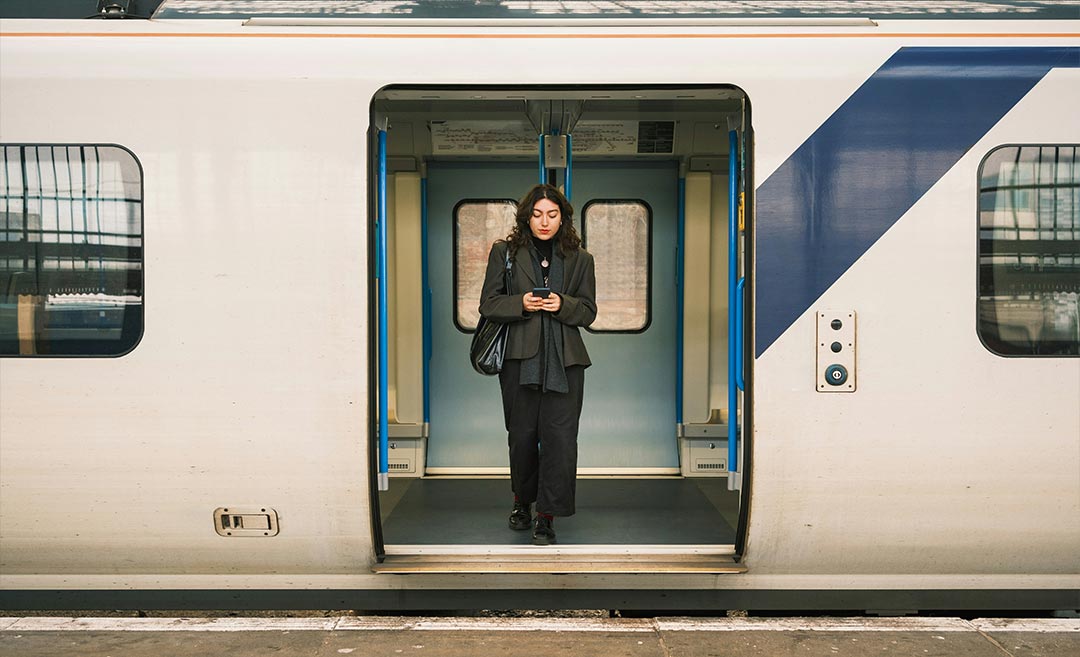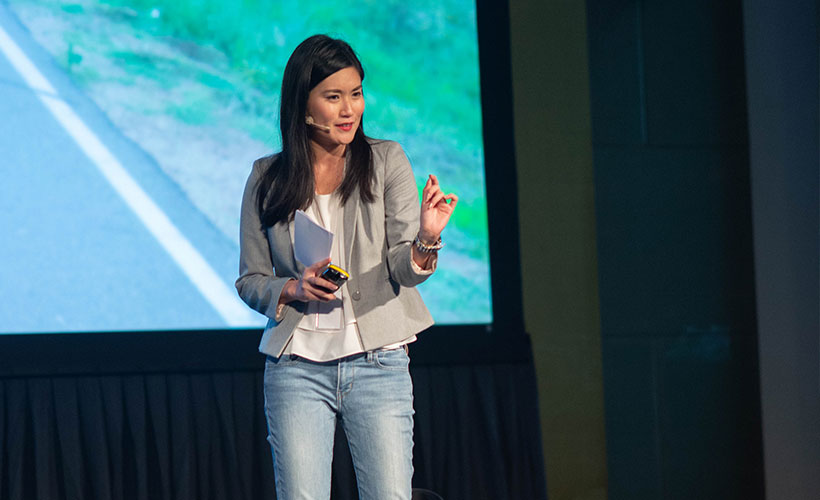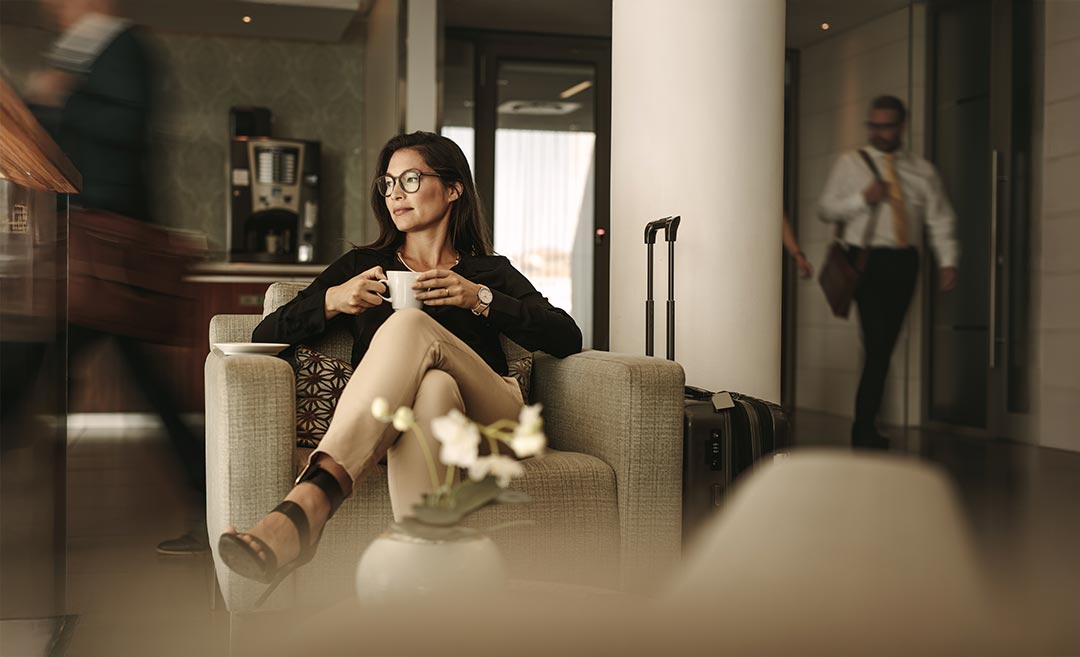
Building travel confidence starts with small, solo wins—like mastering the art of the independent meal. (Image by Pablo Merchán Montes)
The subject of fears and phobias is a touchy one and is often reduced to something irrational, exaggerated, or imagined. But not all fears are bad. Some fears are instinctual, keeping us safe and aware of immediate danger. However, some fears trick us into believing we are in danger even when we aren’t, and these can quietly limit our confidence, independence, and willingness to travel.
So how do we know if a fear needs to be addressed? It’s simple: if it is disruptive, causing stress, anxiety attacks, or affecting your relationships, there is good reason to believe that fear needs attention.
This article is not about touching snakes or jumping out of airplanes. We’re not suggesting unnecessary public displays of death-defying stunts. This is about overcoming travel fears and managing travel anxiety in ways that help you grow into a more empowered traveller. The goal is not to eliminate fear but to make proactive, functional choices that lead to a better life and more meaningful travel experiences.
1. Start by dipping your toes in

Expose yourself to what you’re afraid of a little at a time and do it often. There’s no need to prove a point by throwing ourselves headfirst into doing something that is uncomfortable, especially if we are unfamiliar with the basic skills needed to overcome said fear. Small and consistent exercises can teach our mind and body that it is safe to approach our fears. Here are some examples:
Fear of being alone in public: Eat a meal outside by yourself once a week, or go see a movie you really like alone.
Fear of being away from home: Start by going on day trips, then increase it to one night or a weekend away somewhere not too far from home.
Fear of crowds: Attend small gigs at a local pub or support new artists performing at smaller venues.
Fear of dogs/cats: Put yourself in situations where you can be around them at a safe distance, like sitting on a bench in a dog-friendly park. When you’re ready, try to create positive exposure by spending time around puppies or kittens, or with a friend’s pet who is gentle and friendly.
Fear of navigating foreign transit: Start by using a navigation app to plan a route in your local city using only public buses or trains. Once comfortable, try navigating a short route in a nearby city where the layout is unfamiliar. Learning to read transit maps and timetables at home builds the functional confidence needed to handle complex international hubs.
2. Pick a fun activity and invite someone you trust

I often find that my nerves are subdued when I am with the people I love. Being able to share my discomfort and concerns around certain activities or travel plans with someone I know has my back makes me feel safer in otherwise anxiety-ridden situations. In any effort to actively challenge a fear, consider asking someone you trust to join you. Maybe that’s attending a salsa class to challenge your social anxiety or singing at a karaoke bar to overcome crippling shyness (very High School Musical-coded). Here are a few more ideas:
Fear of the ocean: Start by swimming in shallow, clear waters so you can get used to the sand and waves without the anxiety of creatures lurking in the deep.
Fear of new foods: Go to a street food festival with foodies and try one thing you’ve never tried before.
Fear of meeting new people: Dancing, game nights and book clubs are great ways to meet people in low-stress environments.
3. Take classes and work with a coach

Unaddressed fears can put a damper on your travel plans. Having to opt out of snorkelling at a gorgeous reef because of a fear of drowning, or missing out on a spectacular viewpoint due to a fear of heights, gets the best of us. One of the easiest ways to approach these fears is by tackling them in a controlled and safe environment. This allows you to manage variables while testing your own limits. Try going for an adult swim class or take up rock climbing with a coach. Make it known that you have fears that you would like to overcome, so they know how to guide you patiently through each lesson.
4. Be organised
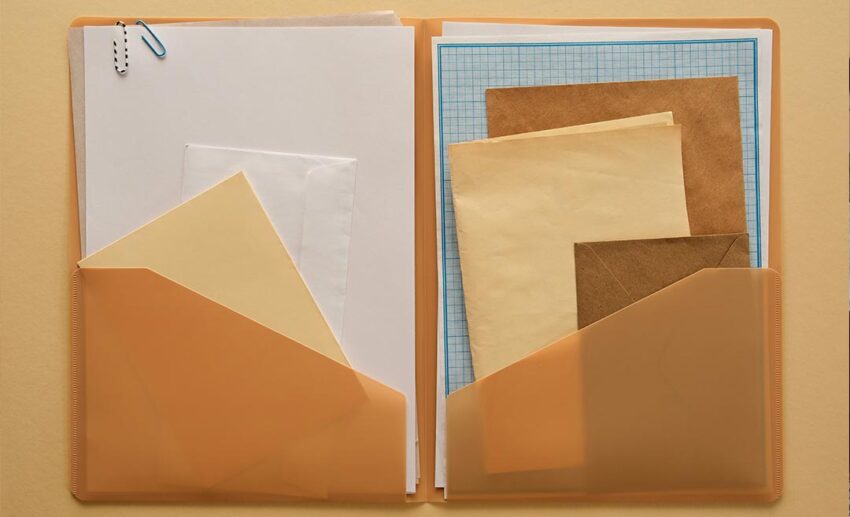
Fear and anxiety can be significantly reduced with preparation. If you tend to get nervous around airport security checks or being questioned at immigration, staying organised will help calm your nerves. We suggest having all your essential documents (return tickets, hotel bookings, travel itinerary, visa, etc.) printed in an easy-to-access folder. Make sure your passport is valid and download any necessary travel apps that might ease your check-in process (e.g. MyBorderPass, MyNIISe). When packing, place items you may need to remove during security scans at the top of your luggage or in accessible pockets. Dress well, stay calm and give clear, concise answers to immigration officers. Remember, this is not an interrogation; it is just part of travel.
Furthermore, in a climate-adapted travel era, anxiety often stems from unpredictable weather. Reduce the ‘fear of the unknown’ by incorporating climate research into your organisation. Check historical heat patterns for your destination and download local weather alert apps. By planning your most strenuous activities for the cooler early-morning hours and knowing exactly where your ‘cool-down’ spots are located, you turn a potential stressor into a manageable, well-calibrated itinerary.
5. Keep a fear journal

Not all fears are irrational or easy to verbalise. Some phobias are a result of very real, damaging and frightening events. There is no unspoken rule that suggests all fears must be faced — and certainly not all at once. Keeping a fear journal offers a space to acknowledge your fears and the thoughts surrounding them. Write down when certain things trigger fear and how they make you feel. You could also write ideas on how you’d like to overcome these fears over time. The goal is to bring clarity to your thoughts and give yourself perspective. Writing things down can be cathartic and a powerful way to track growth.
6. Build a home of achievements
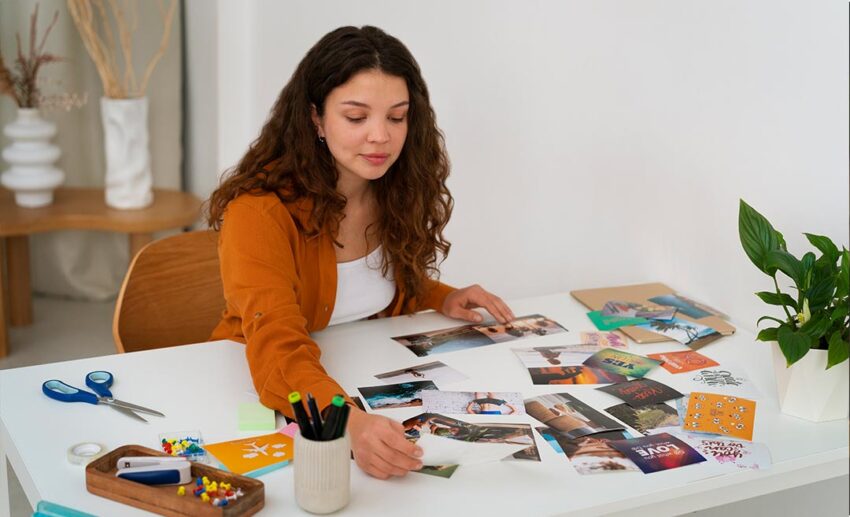
As we acknowledge unspoken fears, we should also celebrate the fears we have overcome. Photograph the moment you did something on your trip that you never thought you’d be brave enough to do. Frame the flight ticket from your first long-haul flight. Keep a record of your travel achievements through video diaries, personalised albums, scrapbooks or a photo wall. Keep them within reach around your home so that anytime you start feeling like you’ll never be able to do something, you have proof all around you that you can.
Travel confidence rarely happens overnight. It builds, one small brave decision at a time. By gently challenging your fears, you open the door to richer journeys, deeper independence and the kind of travel memories that truly transform you.