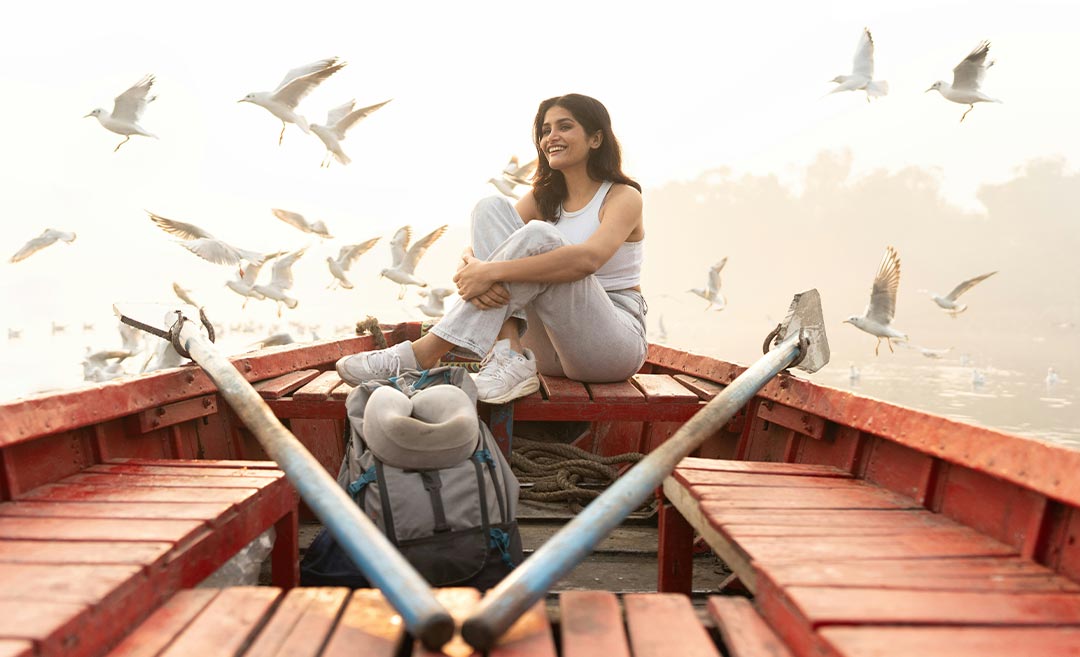
The picture-perfect side of travel: While our feeds are full of idyllic, uninterrupted moments of exploration, there are critical physical realities we rarely discuss. (Image by Aakash Malik)
Many of us become surprisingly good at ignoring ourselves while travelling. We postpone meals because we’re busy sightseeing. We brush off tired feet because sunset is approaching. We convince ourselves we can wait another hour before finding a restroom.
It makes sense in the moment. Travel rarely unfolds according to plan, and most of us want to make the most of every day.
But travel has a way of changing our daily habits. We eat at unusual times, sleep less, walk more, and sometimes ignore basic needs such as hydration, rest, or bathroom breaks. These seemingly small choices can affect comfort, energy levels, and overall wellness more than we realise.
Individually, these habits may seem insignificant. Together, they can leave us feeling far more drained than necessary.
The surprisingly common habit of waiting “just a bit longer”
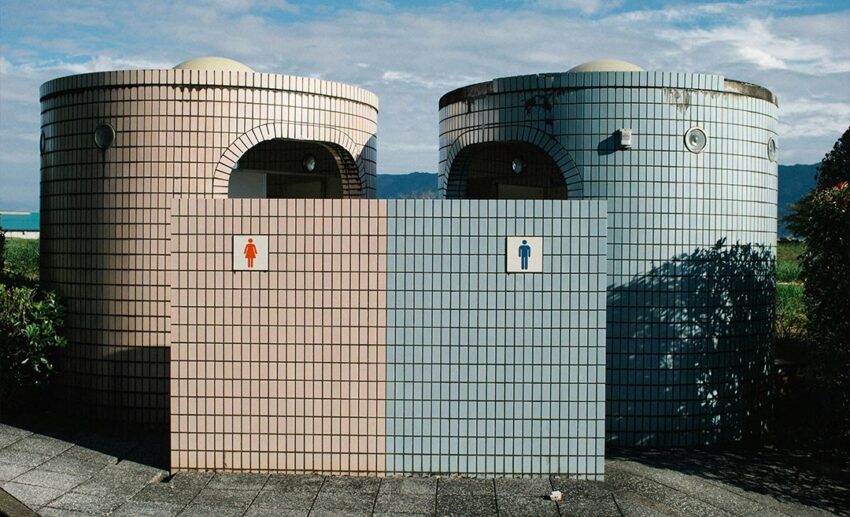
Ask enough women about travel, and you’ll hear a familiar confession: sometimes it’s easier to wait. Public toilets can be unpredictable (read: a nightmare). A highway rest stop may not look particularly inviting. The queue at a tourist attraction might stretch out the door. On a hike, there may simply be nowhere convenient to go.
So we wait.
The trouble is that “a bit longer” can easily become several hours, particularly on busy travel days. Before long, discomfort starts competing for attention with everything we’re supposed to be enjoying.
A day spent travelling often comes with a long list of things demanding our attention. Finding the next train platform, navigating unfamiliar streets, and making it to a timed entry slot. Against all that, a bathroom break can seem easy to push down the priority list. Waiting occasionally isn’t unusual, but doing so repeatedly can leave us feeling far less comfortable than necessary.
It’s not exactly the kind of travel advice you’ll find in most guidebooks, but experienced travellers often learn the same lesson: when a clean restroom appears, it’s usually worth taking the opportunity.
Why so many travellers end up dehydrated

One of the most common travel trade-offs is drinking less water to avoid bathroom stops. It feels practical at the time. Fewer drinks mean fewer interruptions, fewer toilet queues, and less planning around facilities.
The irony is that travel itself often increases our need for hydration.
Aircraft cabins are notoriously dry, with humidity levels significantly lower than what we’re used to on the ground. Add long walks through unfamiliar cities, hot weather, outdoor activities, and packed itineraries, and it’s easy to end the day more dehydrated than you realise.
The signs aren’t always obvious. Sometimes dehydration shows up as fatigue, headaches, irritability, dizziness, or that sluggish feeling that makes a destination seem less exciting than it should.
Many assume they’re simply tired from sightseeing when they’re actually running low on fluids.
A better approach is often to hydrate steadily throughout the day rather than trying to catch up later.
The hidden cost of trying to maximise every moment
Travel can also make us oddly competitive with ourselves. We’ve spent money on flights. We’ve carefully planned itineraries. We don’t want to miss out. As a result, many of us develop a subconscious habit of pushing through discomfort.
Skipping lunch because there’s too much to see. Ignoring tired feet because sunset is in thirty minutes. Postponing a bathroom break because the next attraction is just around the corner.
The problem isn’t any single decision. It’s the accumulation of them. A missed meal here. A bottle of water there. A few hours of discomfort that could have been avoided.
Ironically, some of the most seasoned travellers are the ones who build pauses into their days. They stop for a drink. They sit in the shade. They use the restroom when the chance presents itself. Not because they’re travelling less efficiently, but because they’ve learned it helps them enjoy the journey more.
The part of travel wellness we don’t usually discuss
Travel wellness conversations tend to focus on sleep, fitness, skincare, and nutrition. Urinary wellbeing rarely makes the list.
Maybe it’s because it’s personal. Maybe it’s because nobody wants to discuss it over dinner. Yet it’s something many women think about while travelling, particularly during long-haul flights, road trips, or outdoor adventures.
Looking after urinary tract health isn’t complicated. In many cases, it comes down to the same basics we already know: staying hydrated, responding to your body’s signals, and avoiding the temptation to delay every bathroom break.
What earns a place in a travel wellness kit?
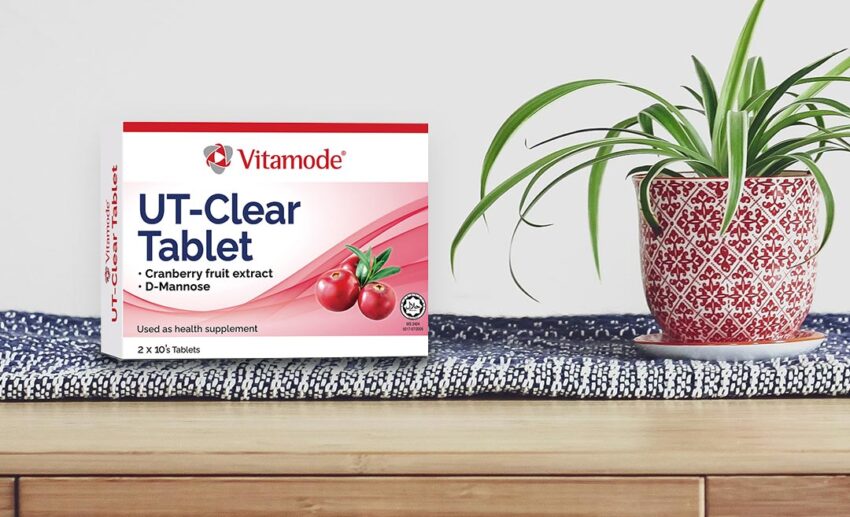
Every traveller has a few items they won’t leave home without. Some swear by compression socks. Others carry electrolytes, blister plasters, pain relief medication, or an oversized reusable water bottle.
For women who prioritise urinary tract health, supplements may also become part of that routine.
One option some women choose to include is UT-Clear Tablet, an over-the-counter dietary supplement formulated to support urinary tract health. Made with natural ingredients, it works by helping to prevent certain bacteria from adhering to the urinary tract walls, allowing them to be flushed out more easily through urination.
It’s not a substitute for healthy habits, of course, but can complement a travel wellness routine that includes good hydration, regular bathroom breaks, and other practical travel essentials.
Travel feels different when your body isn’t fighting you
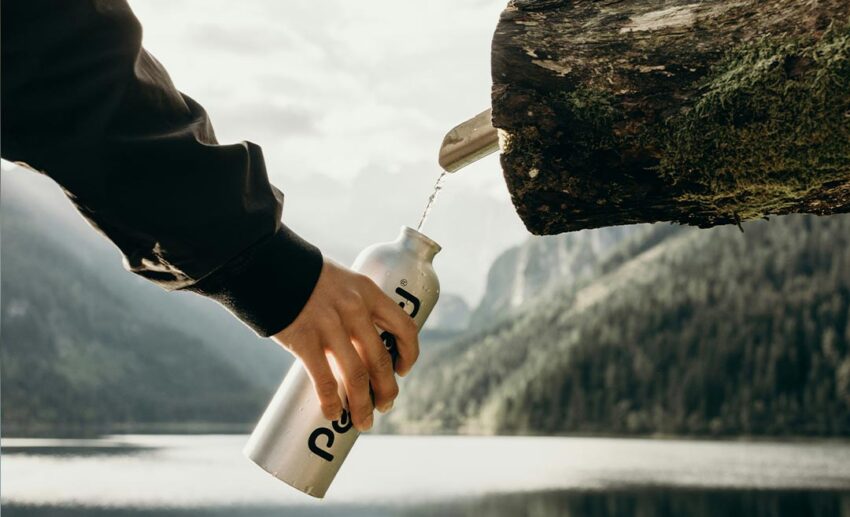
The trips we remember most aren’t always the ones where we saw the most attractions. Often, they’re the ones where we feel good enough to be fully present for them.
Sometimes that means stopping to refill your bottle before rushing to the next landmark. Sometimes it means taking that bathroom break now rather than later. Sometimes it’s simply packing the things that help you feel prepared and comfortable while you’re away.
Travel inevitably asks us to adapt. Looking after ourselves along the way is what allows us to enjoy it.