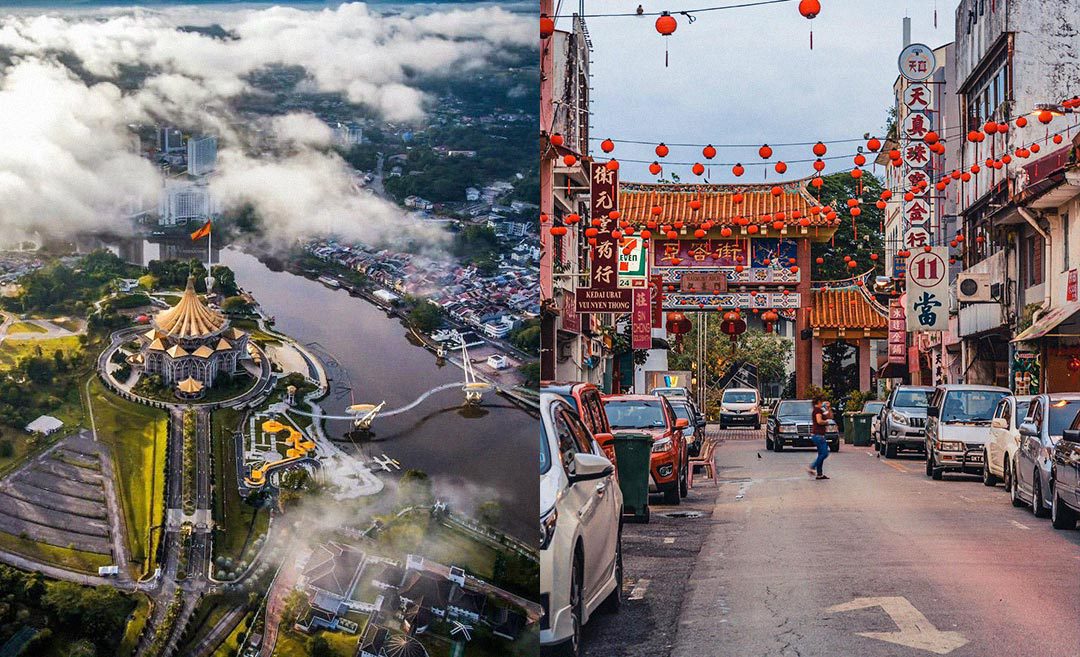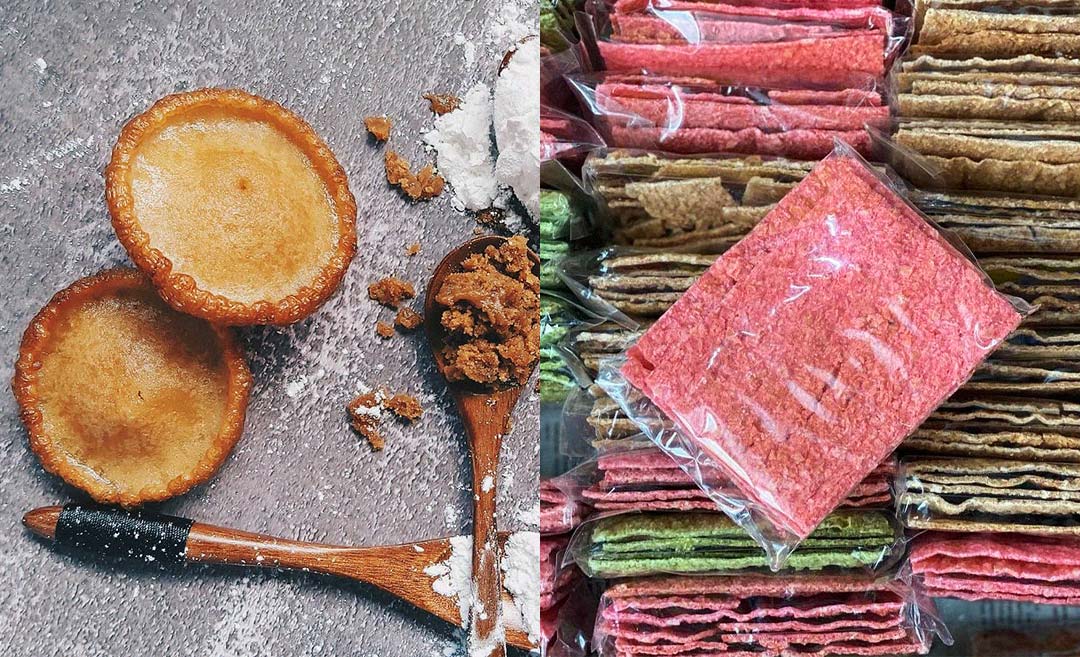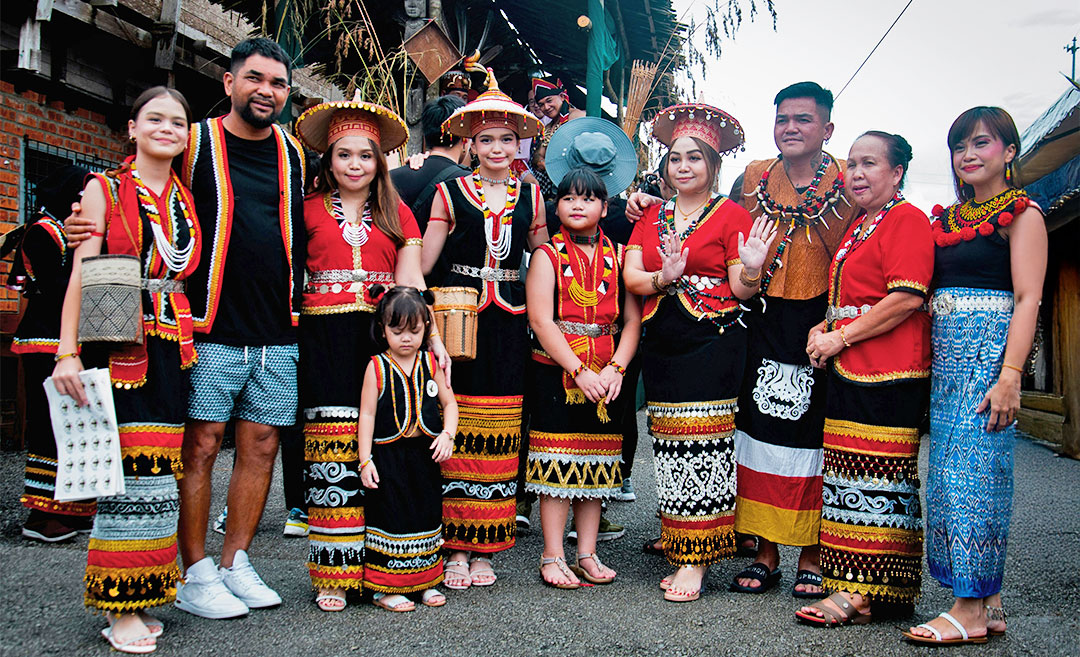
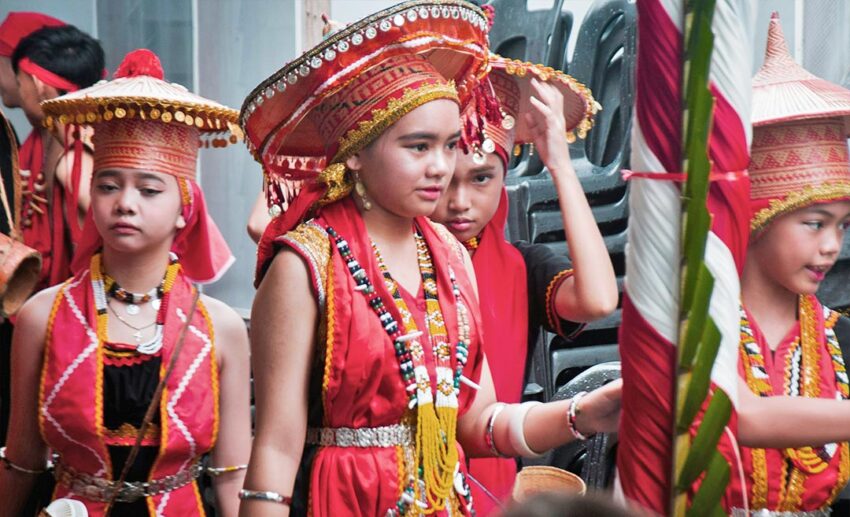
More than just an event on the calendar, these festivals are an invitation into the heart of a community’s shared gratitude and joy. (Image by Shaggy Sirep)
If you’ve ever thought about travelling to East Malaysia and heard whispers of harvest festivals, this is where it all clicks into place. Kaamatan and Gawai Dayak aren’t just cultural events on a calendar; they are deeply lived, community-driven celebrations that shape life in Sabah and Sarawak each year.
Think of this as your practical, no-overwhelm travel guide to what they are, when to visit, and how to experience them without feeling like you’ve shown up unprepared.
First things first, what are Kaamatan and Gawai?
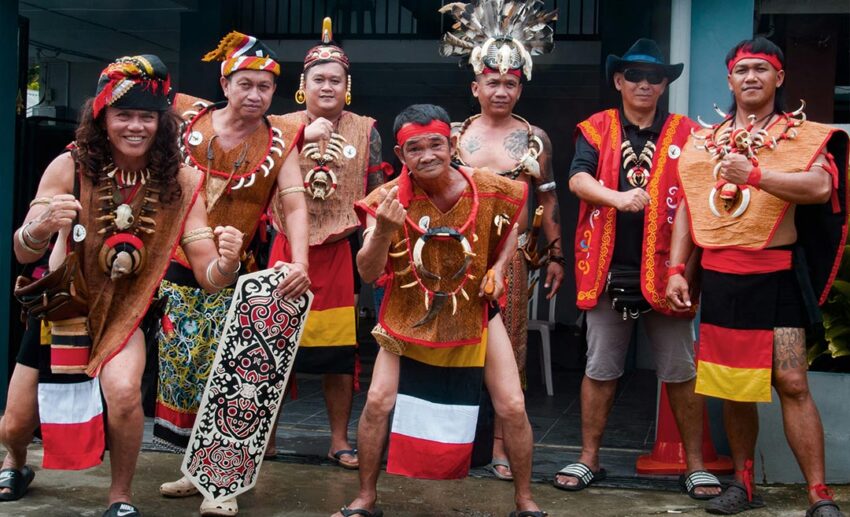
At their core, both festivals mark the end of the rice harvest—a moment of gratitude, relief, and renewal. Kaamatan takes place throughout May in Sabah, celebrated primarily by the Kadazan-Dusun communities.
Gawai Dayak begins on 1 June in Sarawak, celebrated by various Dayak groups, including the Iban and Bidayuh. Rice isn’t just a crop here; it’s tied to identity, spirituality, and survival. So these festivals aren’t symbolic but deeply personal.
Where should you base yourself?
This is where your experience really takes shape. For Kaamatan, base yourself in Kota Kinabalu. It’s the easiest entry point, and you’ll get access to the biggest celebrations, especially the state-level finale at the Kadazan-Dusun Cultural Association (KDCA) grounds. From here, you can also explore smaller district-level events if you want something more local.
For Gawai, start in Kuching for accessibility, but the real magic often happens outside the city. If you can, arrange a visit to a longhouse. This is where Gawai feels most alive and communal, and as authentic as they can be.
What do the celebrations actually look like?
Kaamatan is structured, cultural and quietly powerful. It builds throughout the month, and you’ll find:
- Cultural performances and traditional dance
- Harvest rituals and symbolic ceremonies
- The Unduk Ngadau pageant, rooted in the legend of Huminodun
It’s organised, but not rigid. Events feel intentional, with a strong emphasis on preserving tradition while welcoming visitors. Food and drink are central. Expect local dishes, and you’ll likely be offered tapai (fermented rice or starchy food) or lihing (rice wine), often served in bamboo. It’s less about drinking and more about sharing. The atmosphere? Warm, proud, and grounded.
Gawai, on the other hand, has open-house energy turned all the way up and feels more immediate. Once it begins, it’s full immersion:
- Open houses where visitors are genuinely welcomed
- Longhouse visits with music, dancing, and storytelling
- Rituals and blessings marking the new agricultural cycle
Food is ever-present, and dishes like manok pansoh (chicken cooked in bamboo) are staples. There’s also a strong culture of offering and sharing, which really brings it back to community. And then there’s tuak, the traditional rice wine. It varies in strength and flavour depending on who made it, which is part of the experience.
The atmosphere is lively, generous and slightly chaotic — in the best way possible.
How to plan your first trip around it
Plan. Plan. Plan.
Time it right: For Kaamatan, aim for the last week of May to catch the biggest events. For Gawai, be there right at the start — 1 June and the days immediately after.
Book early: Accommodation in both Kota Kinabalu and Kuching fills up quickly around festival periods.
Decide your experience level: Want something stress-free? Stay in the city and attend organised events. Want something with deeper cultural weight? Arrange a local guide or connection to visit smaller communities or longhouses.
Be flexible: Schedules can be fluid, especially outside major venues. Part of the experience is going with it.
What first-time visitors should expect
This is where expectations matter.
Logistically
- Transport can be limited outside cities, so plan ahead.
- Events may not run exactly on time.
- English is widely spoken, but cultural nuances aren’t always explained. You’ll also need to observe and ask respectfully.
Culturally
- You will be offered food and drink, and accepting (even a little) is appreciated.
- Some rituals are sacred; not everything is for photos.
- Hospitality is genuine, not performative. Engage with it sincerely.
Also, pace yourself, as these festivals are generous by nature, and it’s easy to overcommit—whether that’s food, socialising, or rice wine.
So, Kaamatan or Gawai?
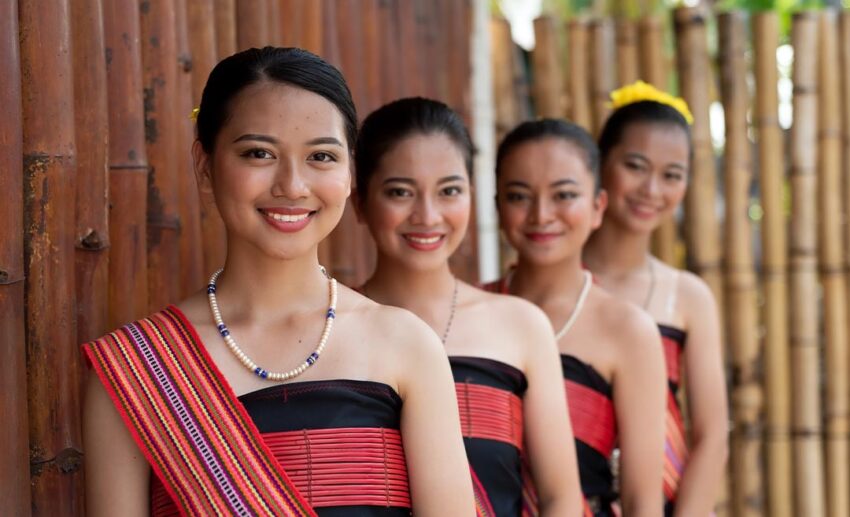
If you’re deciding between the two, go Kaamatan if you prefer a more structured, event-led experience with clear entry points. Go Gawai if you’re drawn to immersive, community-led celebrations that feel more spontaneous. Or, if timing allows, do both. They’re close enough on the calendar to make it work, and different enough to justify it.
A little (unsolicited) tip: Come curious, and you’ll find yourself leaving with a deeper understanding of what celebration really looks like when it’s tied to land, culture, and community.
Zafigo Pro Tips: Mastering the Harvest Season
To truly journey through Sabah and Sarawak, look beyond the itinerary. These tips help you navigate the social and cultural heart of the festivals with confidence and grace:
The solo-social bridge: While the festivals are inclusive, a woman travelling solo may feel like an outsider at a large longhouse. Look for women-led community tours in Kuching or Kota Kinabalu. These are often run by local female entrepreneurs who provide a vibe check and a respectful introduction to family-run open houses, ensuring you feel like an invited guest rather than a spectator.
The half-full glass rule: As Amy notes, rice wine (tapai or tuak) is central to hospitality. If you want to pace yourself without being rude, keep your glass half-full. In many East Malaysian communities, an empty glass is a signal for an immediate top-up; a half-full glass shows you are still savouring the moment, allowing you to stay sharp while staying social.
The climate-adapted wardrobe: May and June in East Malaysia can be humid and unpredictable. Wear breathable, natural fabrics like linen or traditional batik, but always carry a lightweight sarong or scarf in your bag. It functions as an emergency rain shield, a seat cover for outdoor events, or a modest wrap if you are invited to participate in a more formal ritual or blessing.
Empowered photography: These festivals are incredibly visual, particularly the Unduk Ngadau pageant. In 2026, the trend is moving away from performative travel shots. Instead of photographing people during sacred rituals, focus your lens on the craftsmanship—the intricate beadwork or weaving. Asking an artisan about their technique is a great way to start a conversation that leads to a much more authentic connection than a simple selfie.
The travel pivot: Festival schedules are fluid and “East Malaysia Time” is real. Don’t overschedule. If a ceremony is delayed, don’t stress. Use that gap to visit a local market or talk to the locals running the food stalls. These unplanned moments are usually where the best insider travel secrets are shared and where the true magic of Kaamatan and Gawai lives.