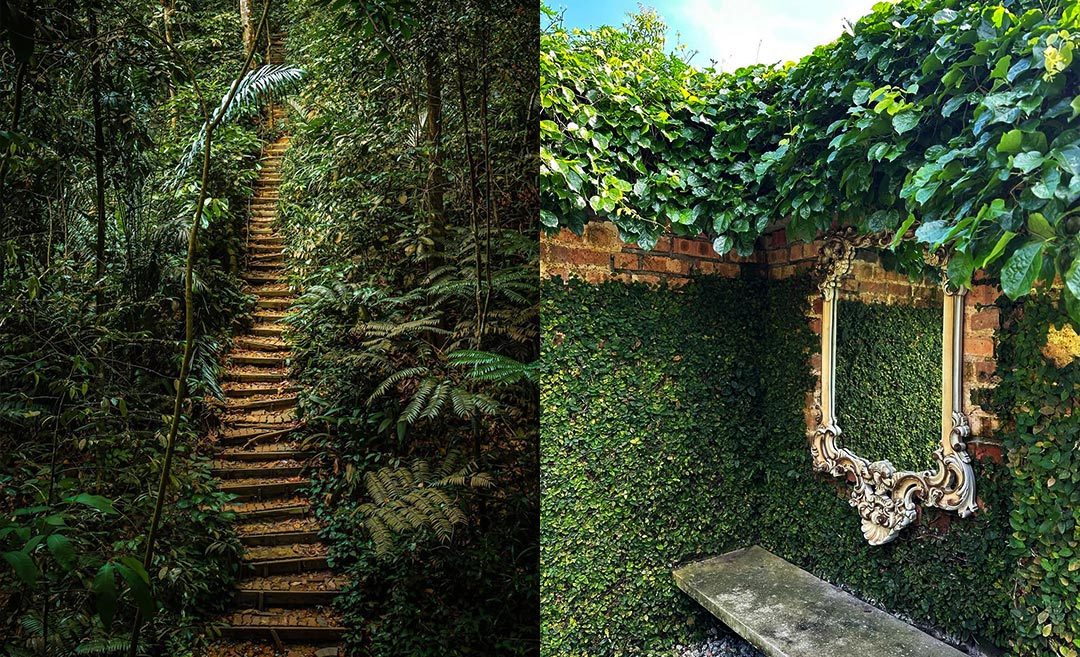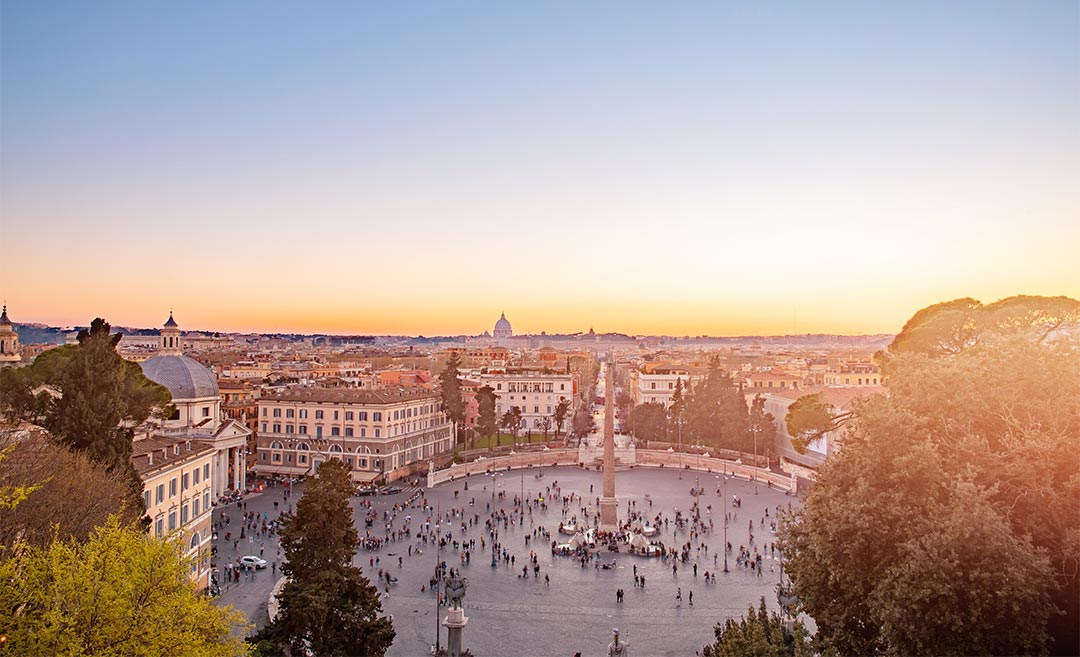
Parks, cafes, markets and libraries can reveal how a city really lives beyond its tourist landmarks. (Image by Parilov)
Between smartphones becoming a staple in modern life and the easy access to material needs through online shopping, it became terribly easy to forget the joy of having third spaces. We can see it around us, from the number of neighbourhood cafes opening as businesses to old buildings being repurposed into recreational spots and weekend craft markets. Yet it can be just as easy to overlook that these spaces are equally great places to add to a travel itinerary.
Info box: Third spaces are informal places outside home and work where people gather, socialise, relax, or simply spend time, and the pandemic years have only heightened our appreciation for them.
Sure, those tourist hotspots earned their buzz for valid reasons, but between the London Eyes and Burj Khalifas of your destinations, there is more to reap from your trip than just checking off the typical list. Besides a trip readily making practically everything – yes, even a convenience store trip – exceptionally exciting, making a point of visiting third spaces in your destination is an amazing way to learn about local life in earnest.
Away from places where likely 98 per cent of your surroundings are fellow travellers, these spaces are a quiet way to observe the everyday flow of a place you are visiting. It might even become the highlight of your trip, for all you know.
Parks: Watch how a city spends its free time
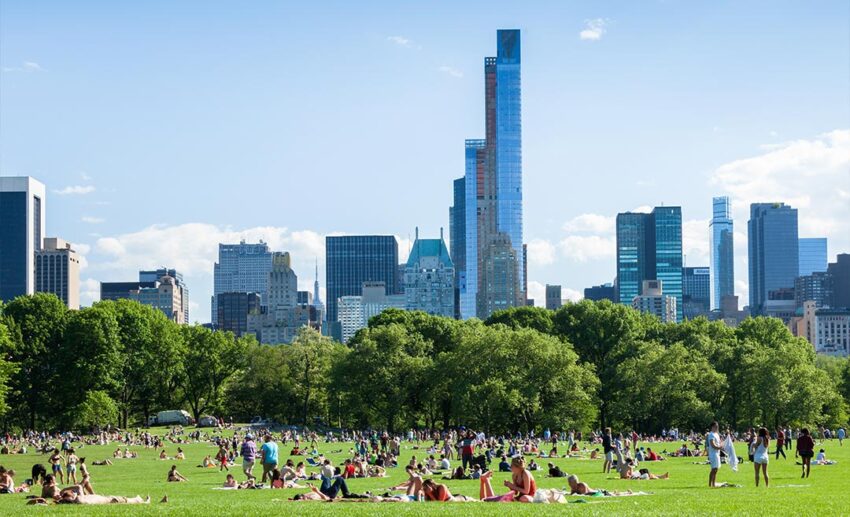
Parks are some of the best windows into a city, and it helps that their natural form against the direct backdrop of the city allows you to still be in the spirit of being a tourist someplace unfamiliar. Beyond the pleasant scenery, look around the space and watch how the city really looks with its people in it. Between joggers, dog walkers, children on swings, and a group of youngsters treating themselves to a delicious spread under a lush tree, there are plenty of stories to imagine. The jogger who passed by you might have just gotten off work and is looking to fit in some exercise during their busy week, while the youngsters may have planned the picnic for an entire month before agreeing on a perfect date.
You may never know the full story behind what you see, but these small observations can help you paint a better picture of the city and the people in it when you look back on the trip. For example, the weather may be colder than what you are used to back home, but the busy park might suggest that this is one of the liveliest days of the season for the people who live there.
Neighbourhood cafes: Observe the city’s routine
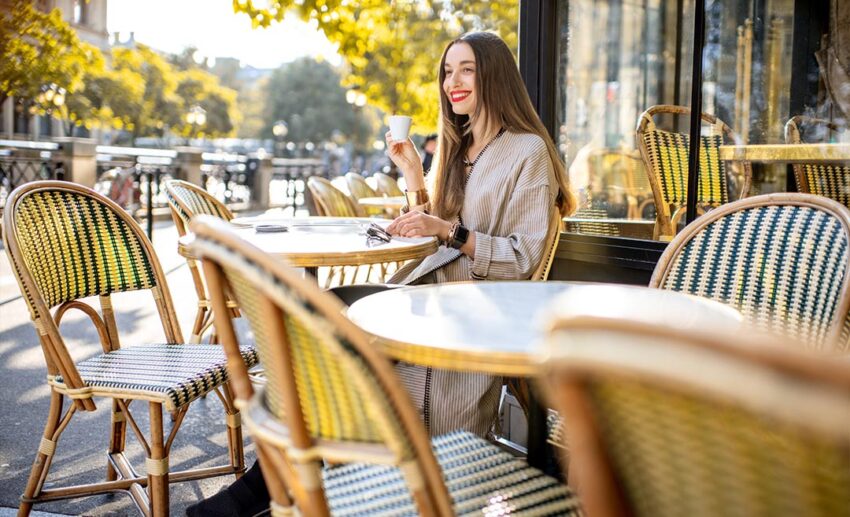
Unlike the classic scenery of a museum or historic monument visit, a neighbourhood cafe is generally a place where people are doing everything but trying to have an “experience”. They are working, meeting friends, reading, having breakfast, or simply killing some time between college classes. Next time you are getting some fuel before moving on to the next hotspot in the city, treat the coffee shop you stop at as more than just a pit stop. While waiting for your turn at the counter or for the waiter to get your order, take a mental break by listening to the natural ambience around you.
Take notice of the things people order, how long they are staying, and whether they are mostly alone or socialising with other occupants. These small details can offer clues about the normal routines of the neighbourhood. You know how you dream of moving to every different city you travel to? Immerse yourself in the fantasy by assessing if the rhythm and habits you can observe in a local coffeehouse make you a great fit to be one of its people. Depending on the different cafes, bakeries, or neighbourhood eateries you visit during the entire duration of the trip, you may even find one neighbourhood’s pace to be more suited to your natural groove than another.
Markets: Experience the everyday rather than the curated

From lifestyle to culture, there are many things that you can learn about a city through a casual visit to a local market on the trip that you simply cannot find at the museums. This is especially true if you are trying to get to know the city in its current, modern form. Things at museums and other educational centres are interesting to learn about, but they can be curated and also dated. Markets are almost the opposite: they reflect what people are buying, eating, and doing in the present. Likely a mundane daily chore for the familiar shoppers, a market visit gives you an insight into what the locals actually eat and buy.
What kinds of greens are mainly offered by the vendors there? Are there items sold that you would not typically find back home unless you go to a high-end grocer? It does not sound like a big revelation on the surface, but food has long been a major cultural aspect of a community. Getting to directly observe this in real time allows you to understand some of the city’s food culture and everyday priorities. The language and interactions between the vendors and customers can also be simply charming. Where we haggle back home, the same thing may not apply to the city you are visiting. You could also learn a thing or two by observing how exactly best to replicate the interactions if you are planning to purchase something yourself and see if you blend in among the locals.
Libraries and bookshops: Find out what the city is curious about
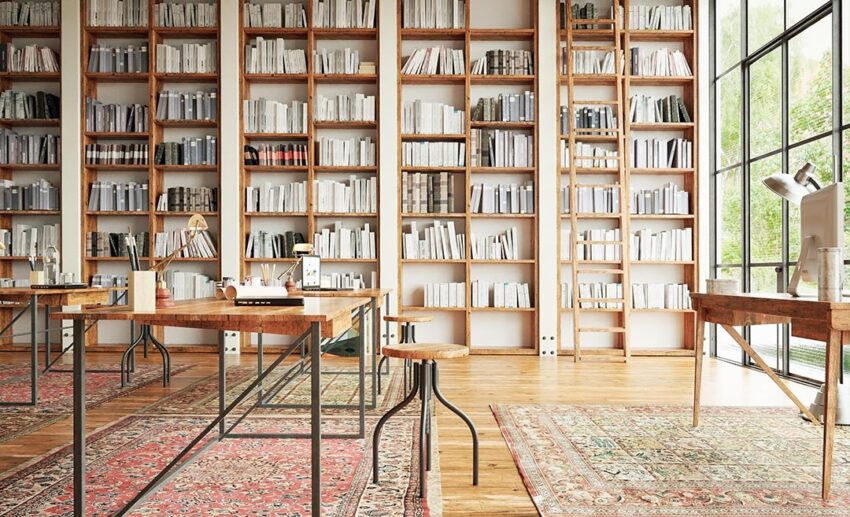
Where other spaces here reveal more about the collective behaviour of locals in the city, libraries and bookshops provide unique revelations about the more individualistic interests they might have. Sure, there are bound to be popular books in the front display of these spaces that tell you what the majority of the locals collectively like. However, other shelves may reveal a lot more. For example, the thriller section could be significantly bigger than the fantasy section compared to what you would see in your favourite bookstore here.
There might even be specialised sections dedicated to local publications you have never heard of or local editions of your favourite book. These can make unique souvenirs to take home for yourself or your bookworm buddy, if you ask me. Imagine getting to relive a nice trip each time you pick up the book for your pre-bedtime routine.
Beyond souvenirs, libraries and bookshops can also offer a window into the subjects, histories, and stories that matter to a local community. There may be specific overarching subjects that seem to attract particular interest, providing another way to think about what a place values, remembers, or wants to understand. If you are looking to connect with the locals more deeply by slipping a few interactions here and there during the trip, learning a little about these interests can help you understand the context of the place before you even start the conversation.
Other everyday gathering spaces offer their own clues
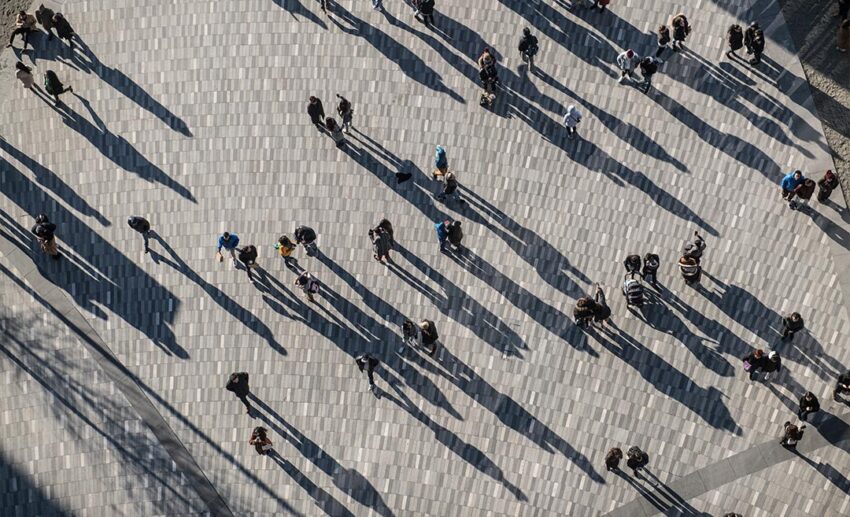
The clues that reveal what a city is about are scattered all over the city – even where you do not think to seek them. A neighbourhood bakery can reveal the locals’ favourite aroma in the morning, while a public square shows how a city comes together at the end of the day. Community centres, sports grounds, busy shopping streets, and hawker halls can offer similar glimpses into local life.
The key to appreciating third spaces when you go on your next trip is that the experience does not necessarily have to be about the places you go to, but about taking the time to notice. Notice who uses these spaces, what they come there to do, and how they fit into the puzzle that forms the everyday rhythm of the city.
You do not have to skip the famous landmarks to experience a city this way. Just leave room in your itinerary to wander into the places where people live their ordinary lives. Sometimes, the most memorable way to understand a destination is to stop sightseeing for a while and simply see how the city lives.