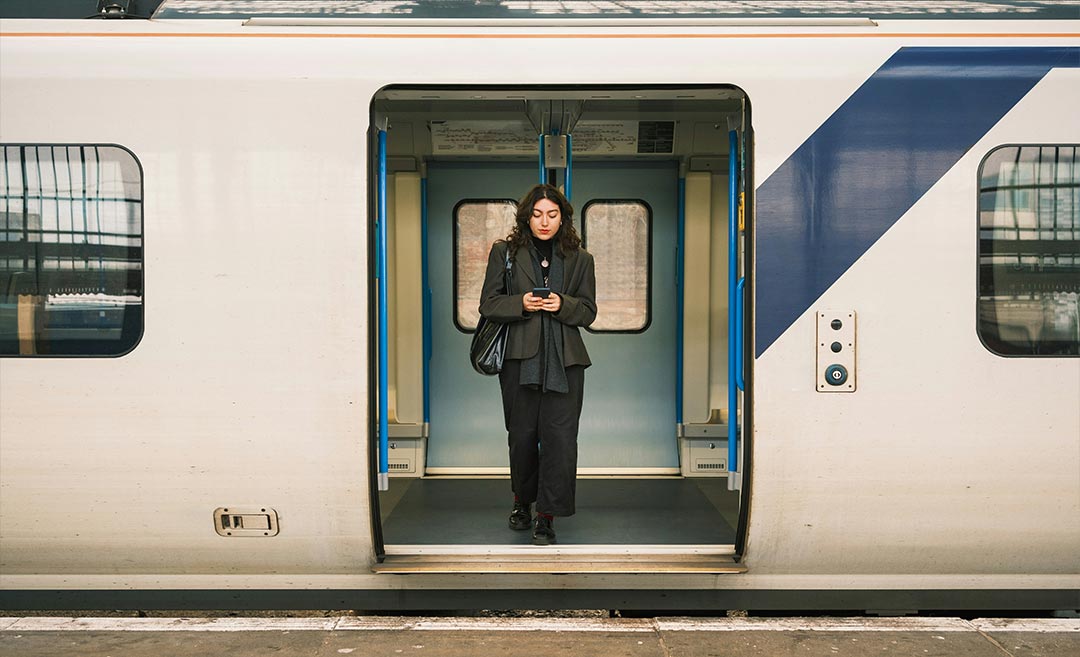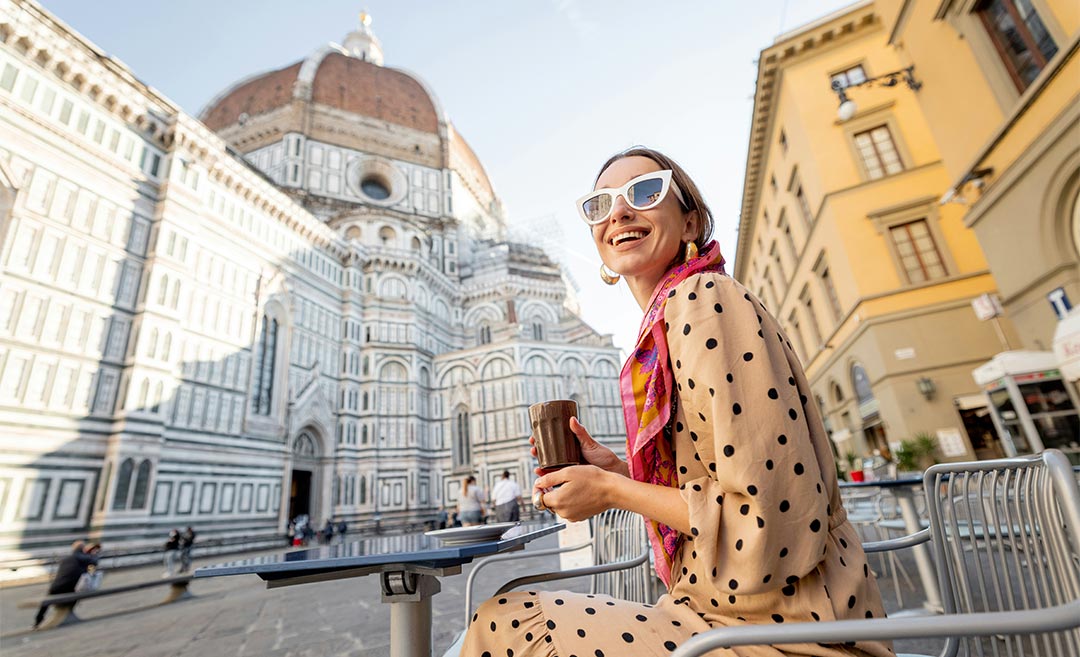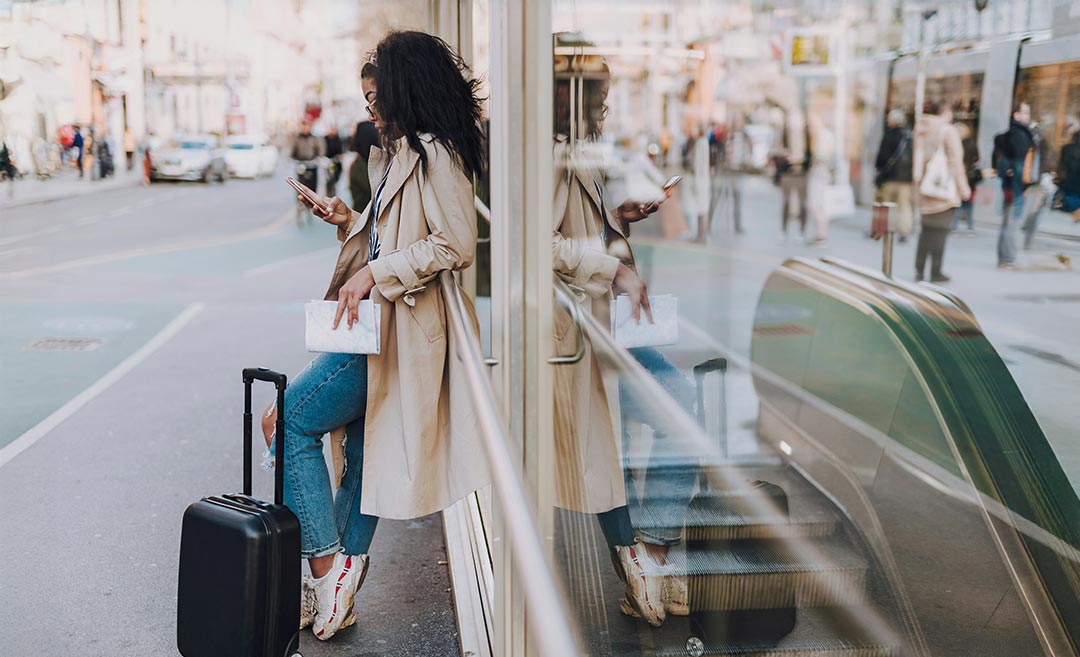
The modern travel experience often feels like an endless cycle of logistics, notifications, and the quiet pressure to always be moving toward the next coordinate. (Image from Getty Images)
There’s a particular kind of travel guilt that doesn’t have a name yet, but we all know what it feels like. It’s the low-grade anxiety of being somewhere beautiful and already thinking about the next thing: the museum you haven’t visited, the neighbourhood you haven’t explored, the restaurant that was fully booked but might have bar seats.
We grew up alongside budget airlines, travel blogs, and Instagram, and somewhere along the way, travel quietly became something to complete. Not just to enjoy, but a task of some sort. The checklist was never written down anywhere, and it didn’t need to be. It arrived pre-installed somewhere between our first AirAsia flight and our fourteenth “hidden gem” recommendation.
Somewhere along the way, travel stopped being rest and started feeling like responsibility.
And when you truly think about it, you didn’t experience a place; you covered it.
When the world got heavy, packing light stopped being metaphorical
Here’s the thing about travelling in 2026: it doesn’t quite feel the way it used to. The world has a different texture now — geopolitically and economically — in ways that are hard to name but easy to feel. Borders that once seemed like formalities now carry a certain intimidation. News follows you through time zones and feels worse each time. You can be standing somewhere extraordinary and still feel the low hum of everything happening everywhere else, just slightly out of reach.
Travel hasn’t lost its pull, but it has gained a different gravity. With that shift comes an intentional change in what we actually want from it. There’s less appetite for racing through a city, ticking off coordinates and uploading the evidence before the flight home. There’s a growing desire for mindful travel, to be completely present rather than rushing to the next place.
The radical act of doing nothing on a Tuesday morning in a foreign city

On a recent trip, I did something I’d never really allowed myself to do before: I left a gap. Not a scheduled gap, not a “free time” slot wedged between bookings, but an actual, unaccounted-for morning with no plan attached. I’d heard about this and, as a Type A gal, I didn’t quite believe in it.
The well-known attraction I wanted to visit didn’t happen. Instead, I stayed at a small cafe much longer than made any logistical sense. A regular came in and ordered without speaking, except to say hello and use her manners, and the barista had it ready before she sat down. The vibe shifted, the place got busier, and I had a second coffee. Nobody cared that I wasn’t anywhere else, and I didn’t care either.
Nothing about it would register on my Instagram Reel, but something about that morning stuck with me. I was present, I enjoyed two cups of coffee, and I wasn’t rushing back to the kids.
Fewer cities, more actual memories
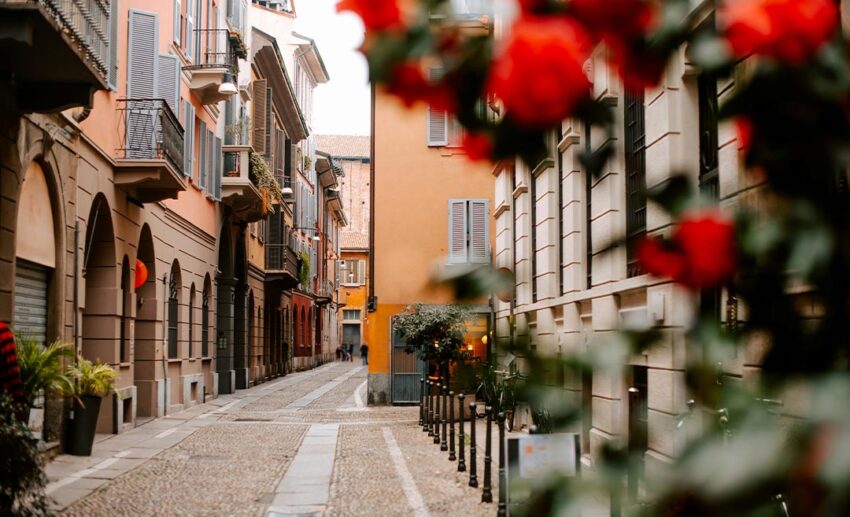
When you stop trying to extract a place in three days, it starts to offer things you weren’t looking for, and there’s some kind of satisfaction in that. The way a neighbourhood feels different at seven in the morning versus seven at night. The cafe that’s only good on weekdays. The street that looks unremarkable until the afternoon light hits it at a specific angle.
None of this is available when you’re moving at checklist speed and desperate to share everything on Instagram.
It’s also worth saying that fewer transitions and more intentional space are simply better for your nervous system. We spent years treating travel fatigue as a badge of honour — the person who’d been in three countries in four days, barely slept, and couldn’t remember which airport they woke up in.
How did we think that was travel?
Yes, FOMO is still there, but it doesn’t run the show
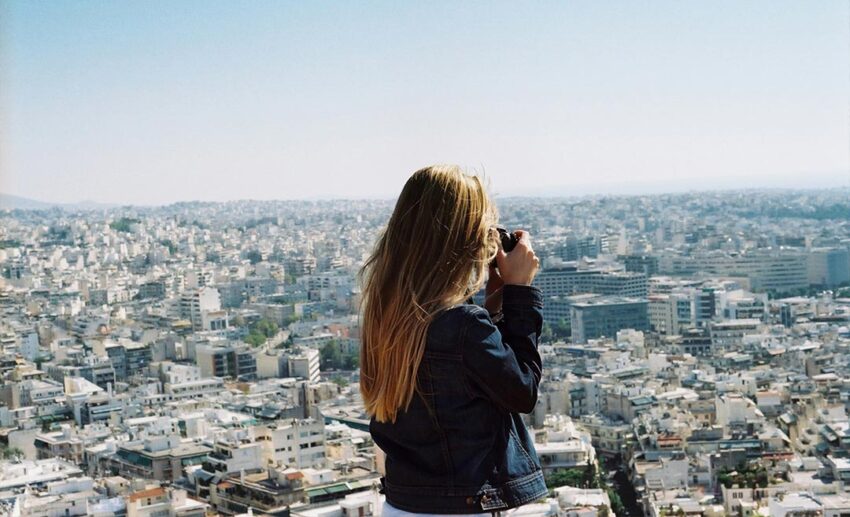
Letting go of the checklist is not an entirely clean break because a voice still asks, “What if you don’t come back? What if this is your only chance?” These aren’t irrational questions. Travel does feel more contingent now than it did a decade ago. Things definitely don’t seem as available as they once were.
But after years of trying to see everything and document everything, I’ve learned that checking off the list doesn’t quiet fear — it feeds it. The more you rush and try to fit things in, the more likely you are to arrive home feeling like you’ve done everything and nothing at the same time.
So opting out of the checklist isn’t about lowering your expectations — it’s about realising they were never really yours, and that travel doesn’t have to be productive to be meaningful.
Zafigo Pro Tips: Reclaiming your journey
To move from checklist tourism to a more recalibrated, mindful travel style, try these three gentle shifts on your next trip:
The ‘golden hour’ rule: Dedicate the first hour of your day to yourself before checking your itinerary or social media. Walk to a local bakery or sit by the window with a coffee and simply watch the city wake up.
The one-in, one-out policy: For every “must-see” landmark you visit, commit to one gap afternoon. No bookings, no Google Maps, and no specific destination. Follow a street that looks interesting and see where it leads.
The sensory audit: When you feel the guilt creeping in, stop and name three things you can hear, two things you can smell, and one thing you can feel (like the sun on your arms or the weight of your bag). This grounds your nervous system in the now rather than the next.