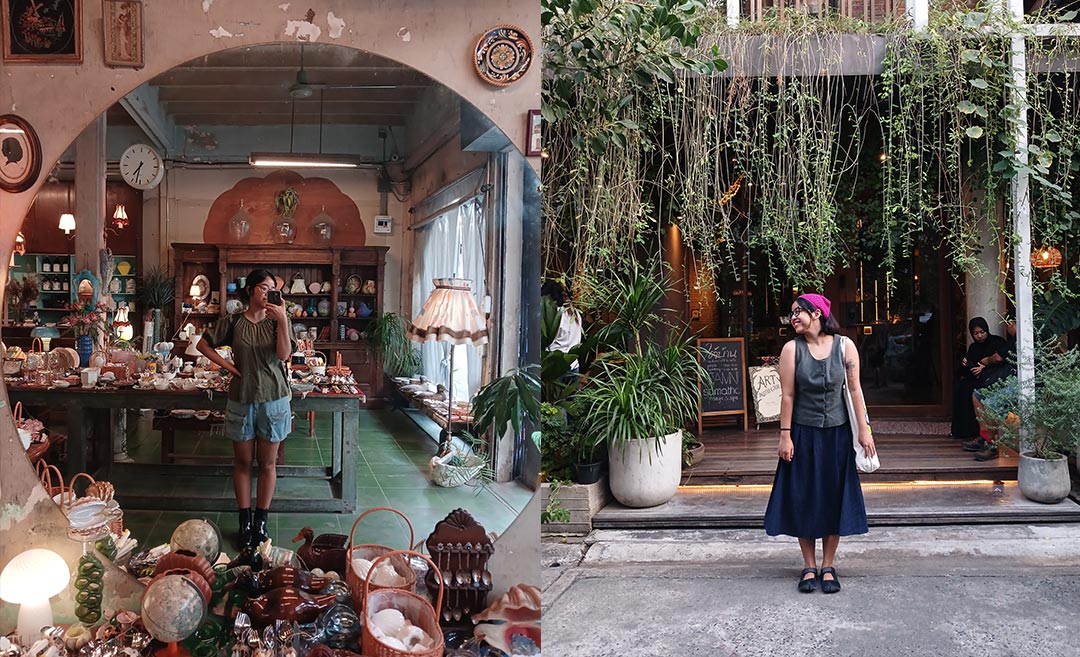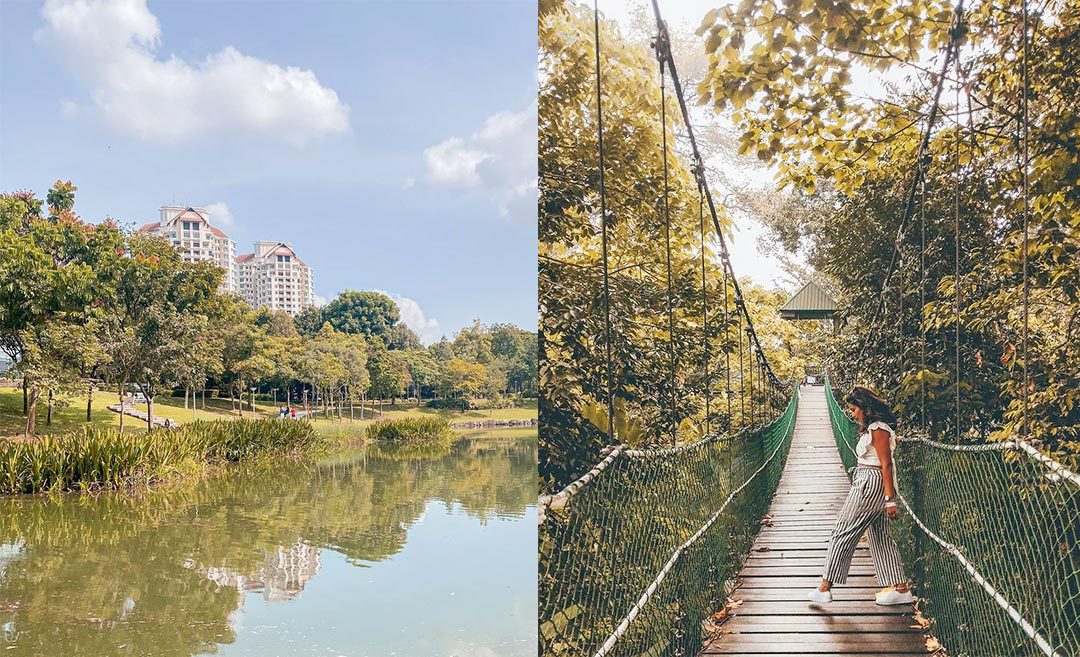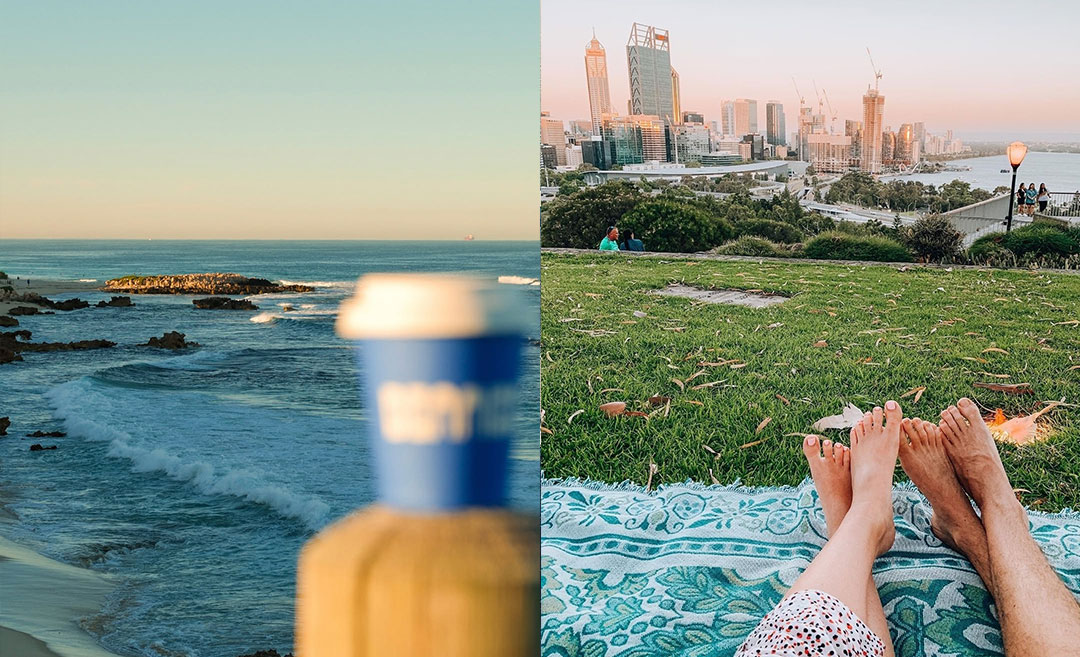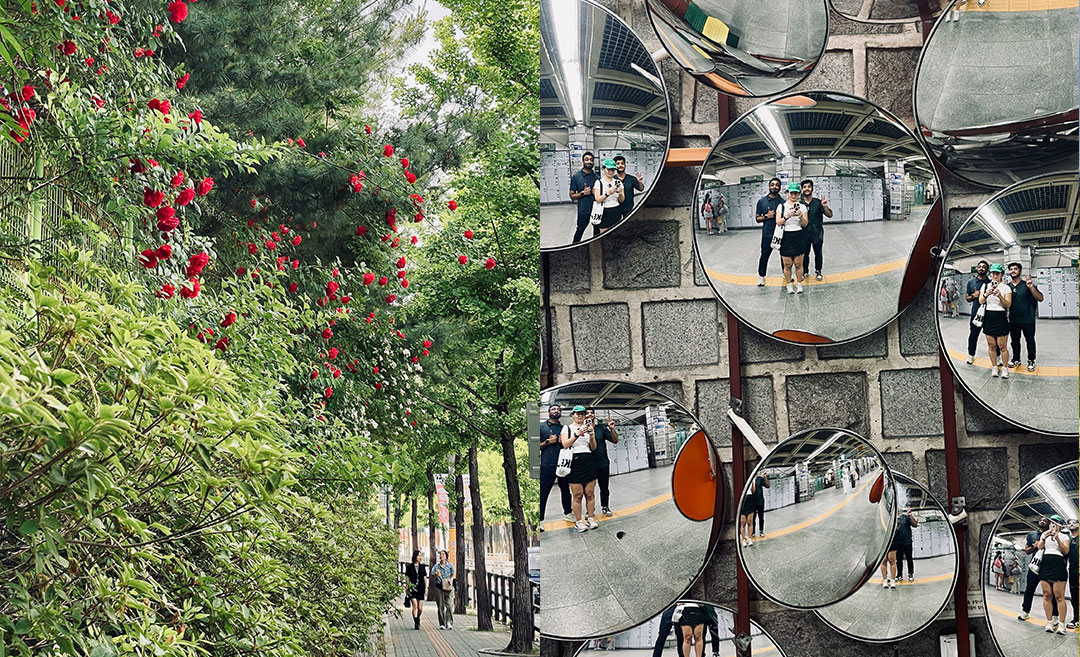
A tale of two transit states in Seoul: from stumbling upon unexpected blooming rose bushes on a quiet side street to the shared, casual choreography of navigating the underground subway network with friends. (Images by the writer)
I had just picked up my order and stepped out of the coffee shop, heading toward the Seoul Forest trail for an impromptu hike. My friends were ahead, chatting excitedly. I followed quietly, taking in what I passed: rose bushes spilling onto the sidewalk, a schoolyard full of kids, a welcome breeze on the hottest day of the week, the small rises and dips of the streets.
That’s when the thought landed: Could I live here?
I laughed a little because lately I seem to think that about almost every city I visit. And I don’t think I’m the only one wondering this anymore. More and more, travel has come to feel less like escape and more like a way of testing possible futures.
Testing the rhythms of ordinary life

When I say, “I could live here,” I’m rarely talking about monuments or landmarks. I mean the quieter details that shape ordinary life: whether I could walk most places, whether the neighbourhood feels alive and safe after dark, whether there’s a corner eatery I’d slowly become a regular at. I notice grocery stores now. Public transport systems. Parks full of people who actually use them.
Somewhere along the way, I stopped travelling only to see places and started travelling to imagine myself inside them.
In Perth, I noticed how easy daily errands felt. In Taichung, I loved the calm rhythm of the evenings and the convenience of everything being within reach. In Bangkok, the city parks felt woven into everyday life in a way my own neighbourhood at home doesn’t. These aren’t typical travel highlights. They’re lifestyle clues. They quietly shape the version of life you begin imagining for yourself.
The holiday as a lifestyle audition
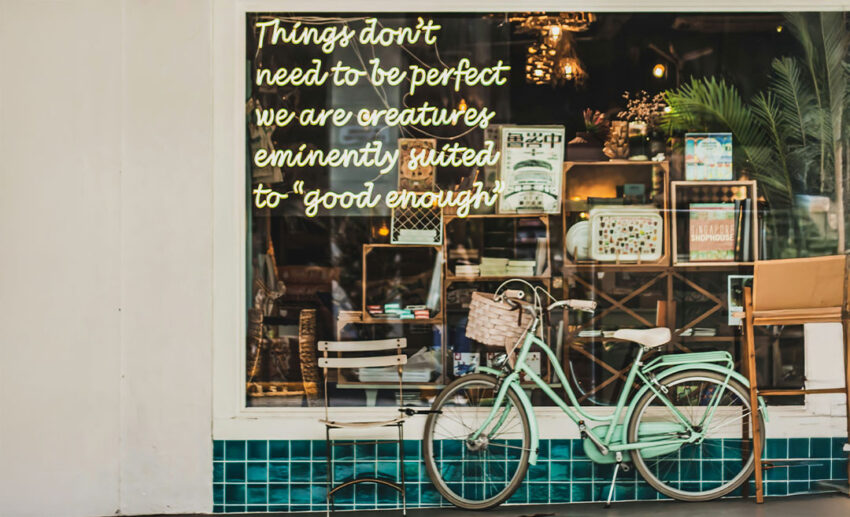
I’m very well aware that my recent travels have felt part holiday, part audition.
Maybe that’s because the idea of building the life I wanted now feels far less fixed than it once did. A generation ago, the idea of relocation often followed clear milestones: a marriage, a job transfer, retirement. Now the timeline feels blurrier.
Remote work opportunities, burnout, rising living costs, career pivots, and changing priorities have made many people more open to rethinking where and how they want to live.
Travel has become one of the safest ways to test those possibilities.
I catch myself mentally evaluating places while I’m there. Could I afford rent? Would I eventually feel lonely here or relieved? Is there a rhythm to this city that would suit the way I naturally live? In Singapore, I realised how much I value efficiency and late-night spaces that could suit the idea of freelance hours. In Seoul, I noticed how much happier I felt taking public transportation. These aren’t relocation plans exactly, but they are small forms of lifestyle data collection.
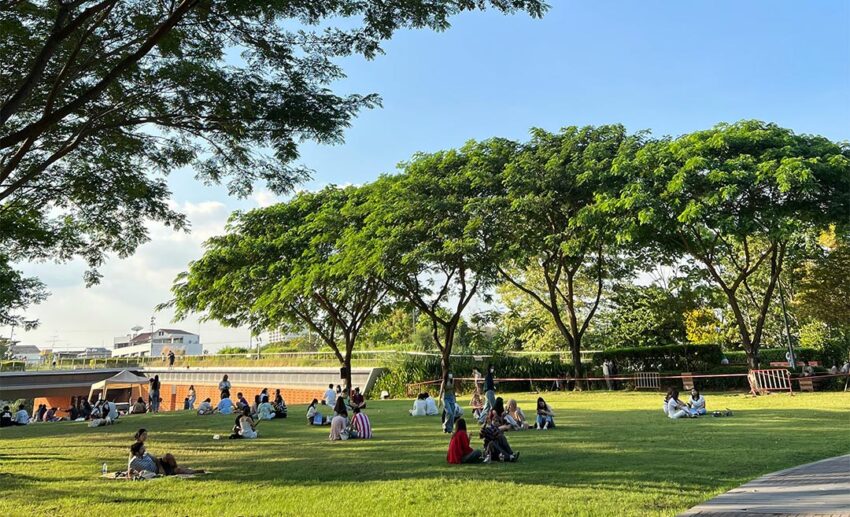
A few weeks in another city can reveal things about your current life that routine often hides.
Sometimes what draws us to a place isn’t even the city itself, but what we become while we’re there. Travel strips away certain expectations and habits. You walk (a lot) more. You spend less time doomscrolling. You notice and enjoy your surroundings again. You become more open to spontaneity, or slower mornings, or conversations with strangers. Certain cities allow different parts of your personality to surface more easily, too.
Distinguishing the fantasy from the truth
Of course, visiting a place is not the same as living there. Travellers don’t experience the full weight of bureaucracy, taxes, healthcare systems, long workweeks, or the loneliness that can come with starting over somewhere unfamiliar. A beautiful neighbourhood on holiday can feel very different after six months of rent payments and administrative paperwork.
But I don’t think the feeling is meaningless just because it’s incomplete.
If a city makes you feel calmer, more energised, or more connected to yourself, that usually points to something real. Sometimes a place reveals how exhausted you are by long commutes or overstimulation. Sometimes it reveals how deeply you crave community, public space, predictability, or softness in your daily routine. What feels like wanderlust is often something more specific.
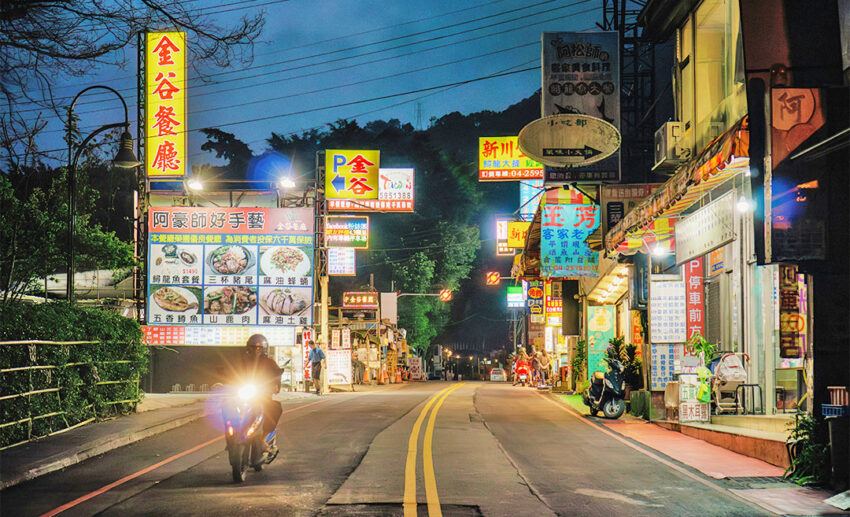
The dream is rarely just about geography. It’s about recognising what no longer fits.
I don’t think every city crush needs to become a relocation plan. Most of mine probably won’t. But I’ve started treating those reactions less like fantasy and more like useful information.
Sometimes the answer is practical: an extended holiday, a remote work experiment, seriously researching visas or the cost of living. Other times, the lesson is smaller but no less important. Maybe I need slower mornings. More walkability. More time outdoors. More community. Maybe I don’t actually need a new country at all — just a different rhythm of life than the one I’ve built.
Maybe that’s the real value of asking: Could I live here?
Not because every trip needs to become a permanent move, but because the question reveals which future versions of ourselves we’re quietly trying to move toward.