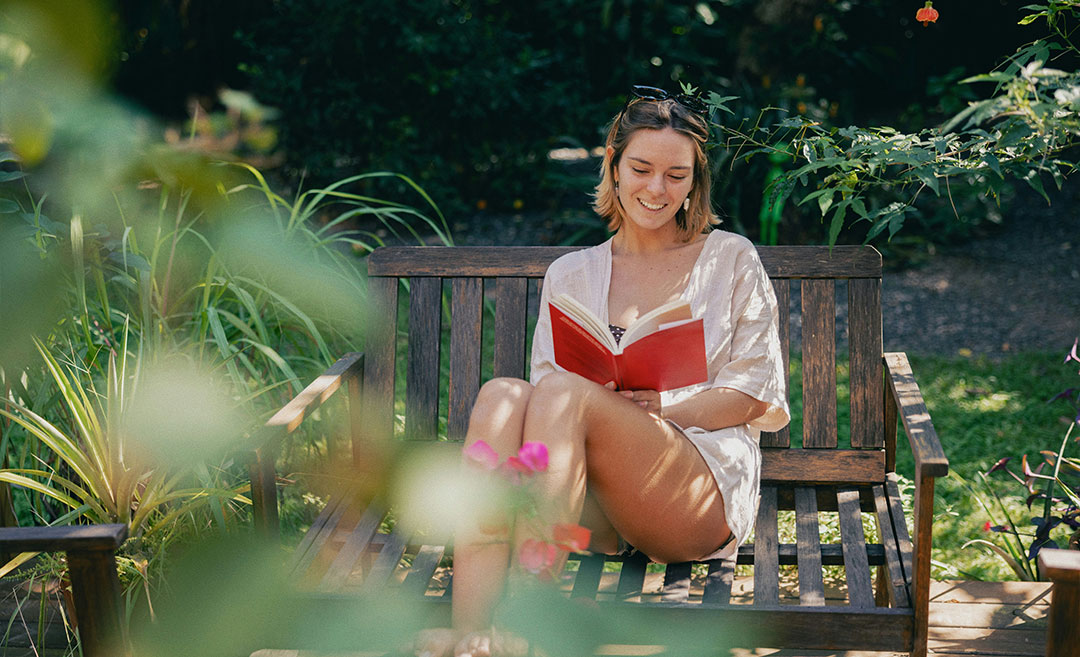
Forget trying to squeeze every attraction into a weekend away. Sometimes, the perfect holiday is simply finding a quiet corner, opening a good book, and letting the destination set the pace. (Image by Natalia Blauth)
We’ve all done it. Slipped a novel into our suitcase with the best intentions, convinced this will finally be the holiday where we finish it. Then the itinerary takes over.
Breakfast at that cafe TikTok insisted was worth the queue. A museum before lunch. The famous viewpoint. Another recommendation from Instagram. By the time we’re back at the hotel, the bookmark hasn’t moved, and the book heads home just as unread as it left.
Lately, though, a different kind of trip has been gaining appeal. A trip where instead of trying to fit reading into a holiday, people are planning their holidays around reading!
Call it a reading holiday. Or, if you like, a readaway.
It’s not disappearing into a cabin with a stack of novels for a week (unless that’s your dream). It’s about creating a trip where books become part of the experience, rather than an afterthought. The destination still matters; it always does. But so does having the time to sit still long enough to enjoy it.
If that sounds like your kind of escape, here’s how to plan one:
Step 1: Choose a destination where reading feels natural
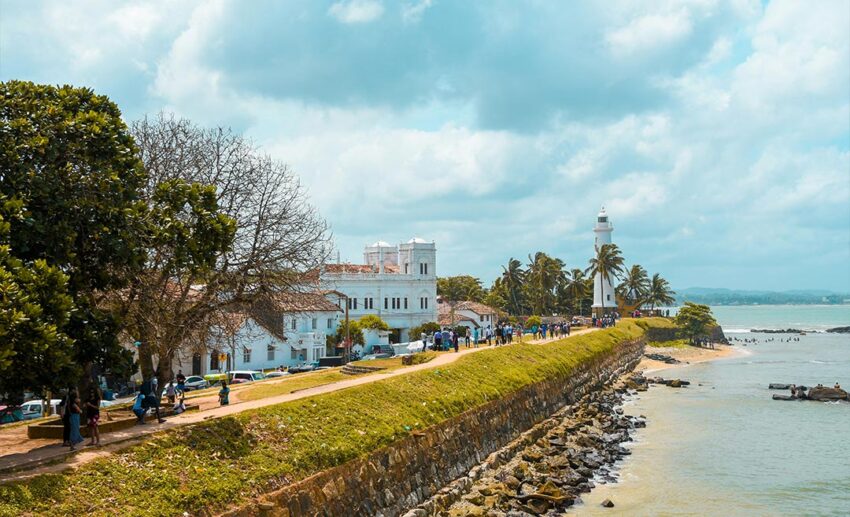
The best reading destinations aren’t necessarily the ones with the longest list of attractions. They’re the ones that make lingering feel completely natural.
Think of places like Ipoh, where an afternoon can disappear between heritage cafes and quiet streets, or Luang Prabang, where the slower pace almost insists you settle down with a book between temple visits. Galle is another lovely choice, with its sea breeze and walkable fort walls, while Jeonju offers charming hanok neighbourhoods and peaceful eateries tucked away from the crowds.
The destination doesn’t need to entertain you every minute. It just needs somewhere you’d happily settle in for an hour reading without constantly wondering what you’re missing.
Ironically, that’s often when you notice the place the most.
Step 2: Pick accommodation that’s part of the reading experience
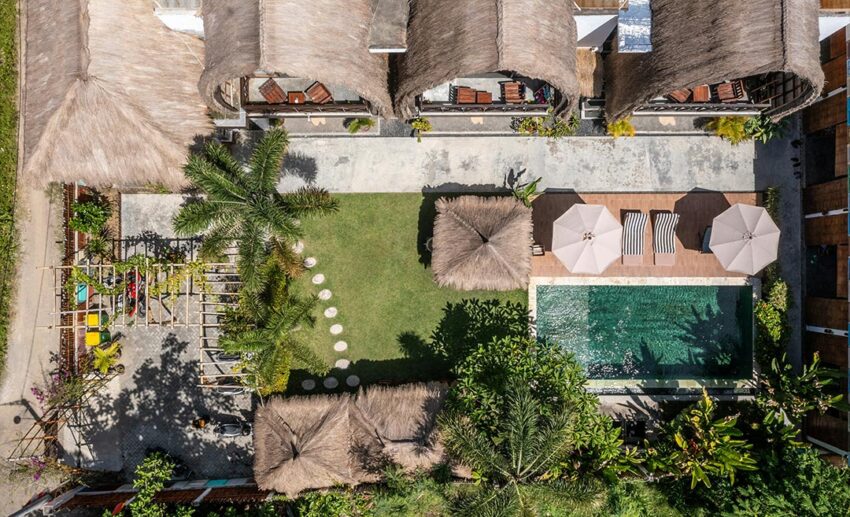
On most holidays, the hotel is simply somewhere to sleep before heading back out. On a reading holiday, though, it becomes part of the itinerary.
Look for accommodation with balconies overlooking greenery, shady gardens, wide verandas, oversized window seats, or cosy communal lounges. Some boutique stays even have small libraries or shelves where guests leave books behind for the next traveller.
Even a simple room can feel special if there’s a comfortable chair, good natural light, and a view you’ll never get tired of looking at.
After all, if you’re planning to spend a few lazy hours with a book, you’ll want somewhere that makes staying in feel just as rewarding as going out.
Step 3: Build an itinerary with plenty of blank space

A traditional holiday may look something like this:
8am: Museum
10am: Historic site
12pm: Lunch
2pm: Shopping
4pm: Sunset viewpoint
Instead, try something gentler:
A morning walk before the streets get busy.
Coffee at your own pace.
A few chapters.
A long lunch that turns into people-watching.
Another chapter in the afternoon.
Dinner somewhere that caught your eye.
The point isn’t to do less because you’re lazy. It’s to leave enough space for moments that can’t really be scheduled.
Sometimes the nicest part of travelling is simply sitting somewhere beautiful without feeling the need to rush off to the next thing.
Step 4: Let the destination shape your reading

One of the most enjoyable parts of a reading holiday starts before you’ve even packed your suitcase.
Think about what you’re reading, and let your destination inspire your choices.
Heading to Kyoto? Slip a novel by a Japanese author into your bag. Spending a few days along Tasmania’s coast? A windswept mystery or sea-set memoir somehow feels even better with the ocean nearby. Visiting Kuching? Pick up a book by a Malaysian writer from Borneo, or browse a local bookshop to see what’s on the shelves.
You don’t need to study the destination through books before you arrive. It’s more fun to discover stories once you’re there.
A novel written by someone who calls that place home might even reveal details you’d never find in a guidebook.
Step 5: Explore independent bookshops and local literary spaces

Every city has its famous attractions. But some of the most memorable discoveries happen inside neighbourhood bookshops.
Independent bookstores, second-hand bookshops, book cafes, and tiny community libraries often tell you just as much about a place as its museums do. You get a glimpse of what locals are reading, which authors fill the displays, and what conversations are happening within the community.
Even if you don’t leave with a new book, you’ll probably leave with a better sense of the neighbourhood.
And if you do buy one? It makes for a far more personal souvenir than another fridge magnet.
Step 6: Create small reading rituals
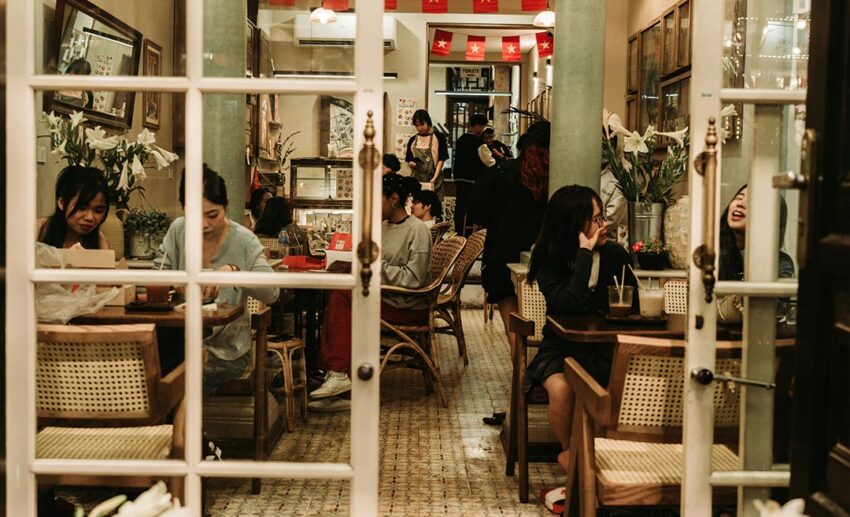
Part of the charm of a reading holiday is inventing little traditions that only exist while you’re away.
Maybe you read one chapter before breakfast each morning. Or you find a different reading spot every day—a botanical garden one afternoon, a lakeside bench the next, then a quiet bar while it rains outside.
You could tuck postcards between chapters instead of using a bookmark, scribble down favourite quotes in a travel journal, or collect bookmarks from independent bookshops as keepsakes.
One of my favourite rituals is ordering whatever the locals are drinking before opening my book. Vietnamese egg coffee, Taiwanese mountain tea, Spanish hot chocolate. I like the idea that every story becomes tied to a particular flavour.
Years later, it’s often the drink that brings both the destination and the book rushing back.
Step 7: Permit yourself to miss a few attractions
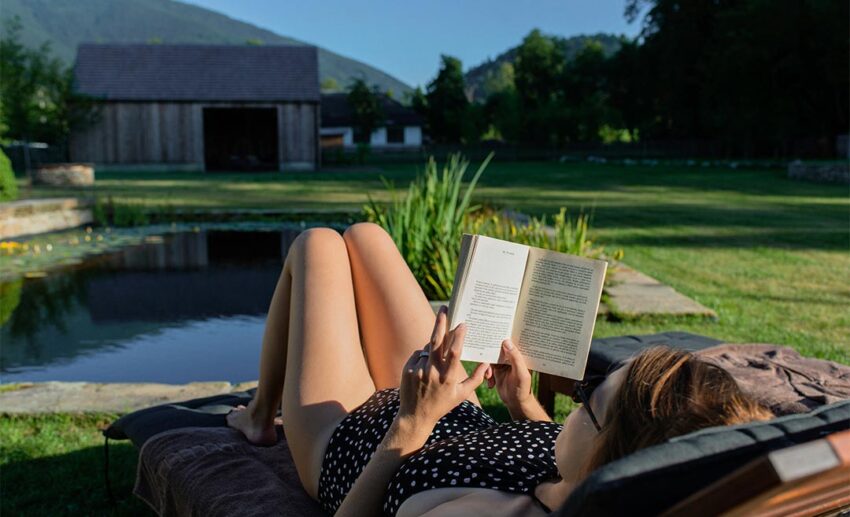
Perhaps the hardest part of planning a reading holiday is accepting that you probably won’t see everything.
And that’s perfectly okay.
You might skip a day tour because you’re halfway through a chapter you can’t put down. You might spend an entire evening finishing a book by the pool as the sun slowly sets ahead of you (there’s something quietly serendipitous about finishing a book just as the sun finishes its own slow descent).
Neither choice makes your holiday less meaningful. In fact, those slower moments are often the ones that stay with us longest.
You may not remember every landmark you visited. But you’ll remember the quiet courtyard where you finished a brilliant novel. The park bench overlooking the river. The sound of afternoon rain against the window.
We often measure a successful holiday by how much we’ve managed to fit in. But perhaps sometimes travel should be about noticing more rather than about seeing more.
A reading holiday gives you permission to swap endless checklists for curiosity, to spend time in neighbourhoods instead of only landmarks, and to let stories—both on the page and around you—unfold at their own pace.