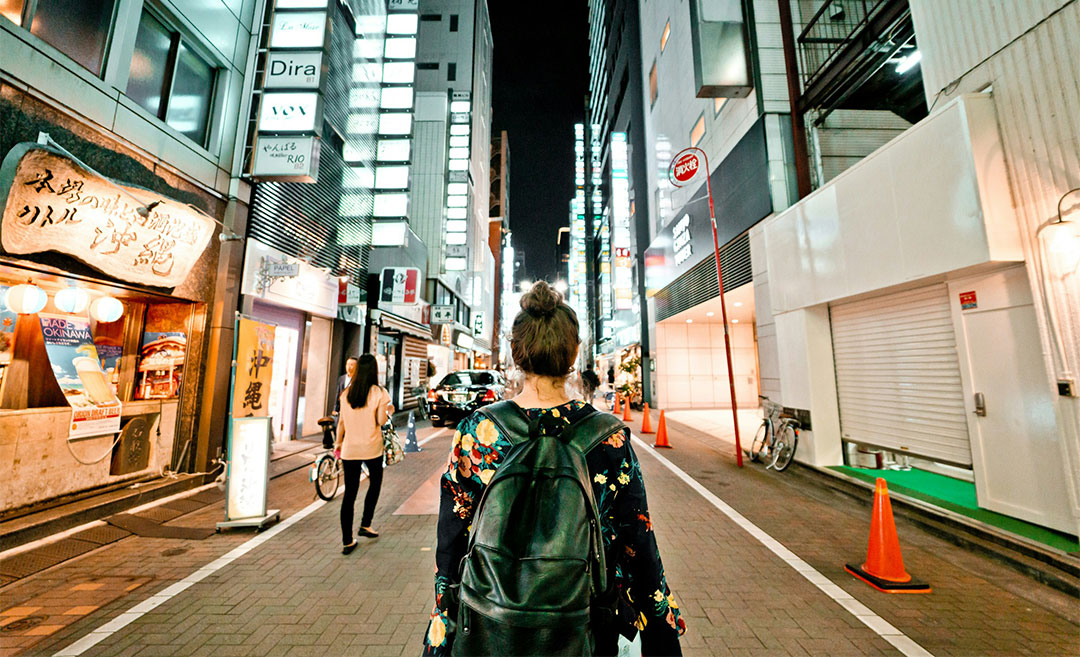
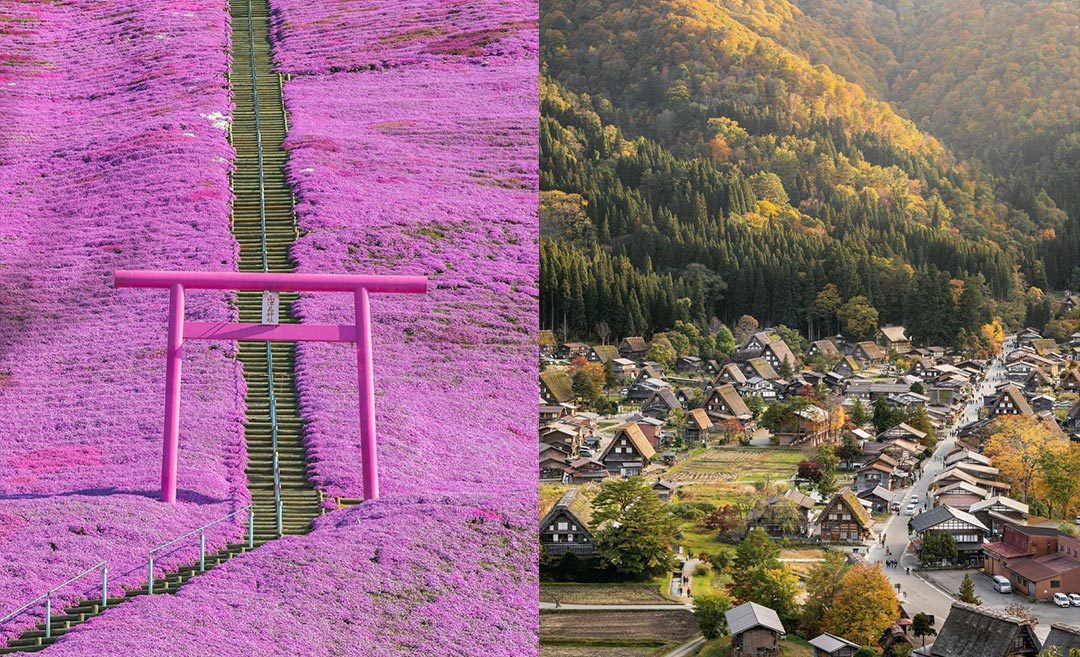
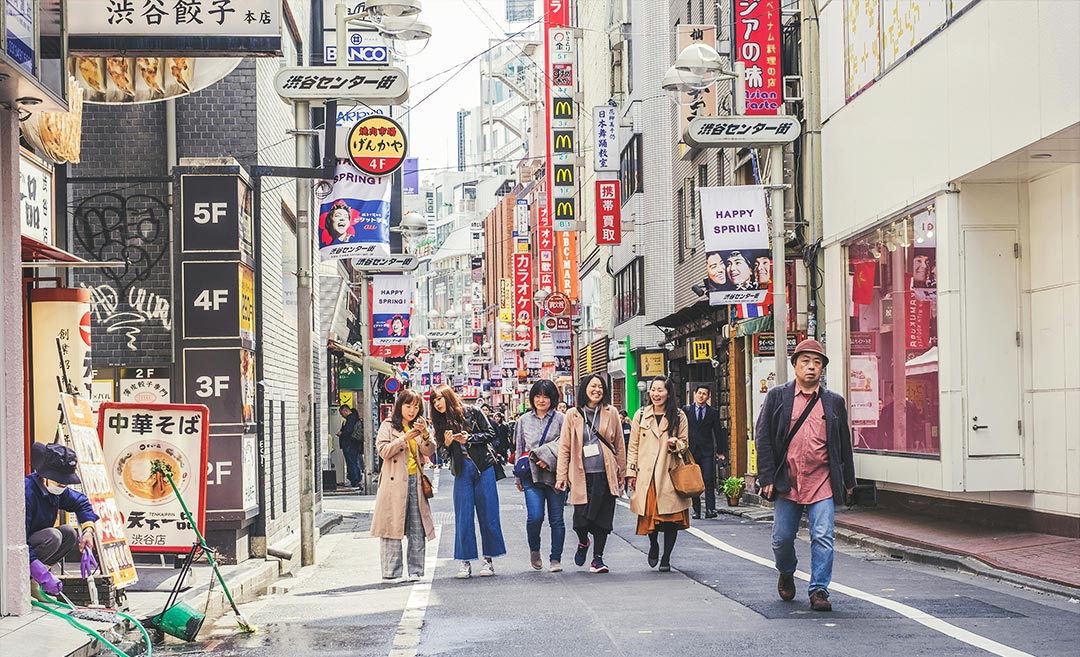
Finding a quieter Kyoto often means stepping away from the crowded shrines to enjoy a simple afternoon by the Kamogawa River with a warm matcha and a seasonal snack. (Left image by note thanun; Right image by ippodotea)
Nobody warned us Kyoto could feel like this—not the Kyoto of temple queues and tourist trains that most travellers expect. We had read about that one and half-dreaded it. Instead, a week without a fixed itinerary revealed the city’s slower, more local rhythm.
We arrived seeking Kyoto’s famous sights, but left with a quieter version we hadn’t planned for: dawn stretches by the river, matcha at traditional tea shops, slow walks through historical silk lanes and districts, conversation-stopping wagyu, and charming cobblestone-paved pedestrian slopes still damp from the morning dew.
This Kyoto travel story follows the routines, neighbourhood discoveries, and halal food spots that shaped our week beyond the temples.
Staying longer than a weekend turned out to be the decision that shaped the entire trip. Our hotel sat close to Kyoto Station — practical and unfussy; a base that asks nothing of you. From its front door, the city spread out in every direction with no instruction on where to begin.
M’s Hotel
6 Higashikujo Higashisannocho, Minami Ward, 601-8004 | +81753309300
Finding our rhythm by the river
Our mornings found their shape at the Kamogawa River before we’d planned anything else. We stretched on the bank, watching an older man run the same loop past us each day; women walked at a conversational pace beside the water. Nobody acknowledged us, and it felt like being included anyway—folded quietly into the rhythm of people who live here. That morning routine, more than any temple we visited, felt like the real Kyoto.
Coffee, quiet gardens, and the sounds of history
Breakfast came from asking rather than searching, which made all the difference. A woman outside a small shop pointed left, said something we half-understood, and led us somewhere warm with thick toast and seriously good coffee. As Muslims, we asked locals about nearby halal Japanese food suggestions. Someone mentioned Book and Vege Oyoy for a slow morning start: coffee and whatever book you happened to be carrying. We wrote the name on a receipt and headed there the next morning.
Book and Vege Oyoy
586-2 Banocho, 1F, Nakagyo Ward, 604-8172 | +81757441727
Kyoto Gyoen National Garden swallowed the rest of that morning without effort or apology. The paths were long and gravelled, the trees old enough to make us feel briefly and pleasantly small. We walked without a destination and eventually arrived at Nijō-jo, one of Japan’s many castles, and where the famous “nightingale floors” (uguisubari) chirp softly when walked on. The sound isn’t imagined; the wooden boards were engineered to squeak deliberately as a security measure to alert guards to intruders. You can read about it beforehand and still find it stranger in person—a reminder that even architecture here was shaped by centuries of careful thinking about safety and survival.
Kyoto Gyoen National Park
3 Kyotogyoen, Kamigyo Ward, 602-0881
Nijō Castle
541 Nijojocho, Nakagyo Ward, 604-8301
The joy of stumbling upon local secrets
The ten-yen cheese bread (or coin pancake) caught us completely off guard. We had stumbled onto a small queue of locals gathered around a roadside window, not knowing it was already a viral thing—just trusting the universal rule that a local queue means something worth trying. Despite the name, the bread isn’t 10 yen: it’s shaped like a 10-yen coin and typically costs around JPY500 (approximately RM16). Warm, filled, and gone in two bites, we looked at each other and immediately decided we needed another. Some discoveries find you rather than the other way around, and this was one of them.
10 Yen Pan Kyoto
430-8 Sakuranocho, 1F, Nakagyo Ward, 604-8035
A stranger’s advice and the best wagyu we’ve ever had
Beef Tei (another recommendation from a stranger, jotted on a receipt) was our treat for the fourth evening: finally, a halal-certified wagyu hamburger spot not too far from Kyoto Station. The meat was tender and deeply flavoured in that quiet way wagyu has, rich without needing to announce itself. The menu is small and focused, and reservations are recommended during peak dinner hours. It was worth every one of those days of anticipation.
Beef Tei
3-31 Higashikujo Kitakarasumacho, Minami Ward, 601-8017 | +818029830026
Gyumon, a well-known halal-friendly ramen restaurant in Gion, came later. The broth carried the depth of something considered carefully over a very long time. Expect queues at dinner time, but the turnover is quick, and counter seating keeps the experience casual and efficient. Some meals end conversations in the best possible way. This was one of them.
Gyumon
279-4 Gionmachi Kitagawa, Higashiyama Ward, 605-0073 | +818030177341
Cobblestones, matcha, and knowing when to leave
We saved Ninenzaka for the last two days, which turned out to be the right decision. The stone-paved lane climbs gently between centuries-old wooden buildings. Visit early in the morning if you want to experience it without heavy crowds, when shopkeepers are just beginning to open their shutters, and the cobblestones are still damp. Walking the street twice at different times of day showed how quickly the atmosphere changes.
Ninenzaka
363-12 Masuyacho, Shimizu 2-chome, Higashiyama Ward, 605-0826
Our last stop before heading home was Ippodo Tea Main Store, one of Kyoto’s most famous tea shops and an ideal place to buy high-quality matcha and learn how it’s prepared. We picked up tins to bring home, a souvenir that actually earns space in your suitcase. Visitors can also sit down for a tea service and try matcha prepared traditionally, which is what we did — bowls held with both hands as we sipped, the way it should be. An ordinary moment that felt unexpectedly significant, it made for a calm final stop before leaving the city.
Ippodo Tea Main Store
52 Tokiwagicho, Nakagyo Ward, 604-0915 | +81752114018
By the last morning, we had stopped thinking of ourselves as visitors passing through. The river walk had become a habit; we knew which station exit to take without looking up. We knew where the cheese bread window opened and roughly what time, had a favourite breakfast spot, and learned the neighbourhood we stayed in well enough to have made it briefly our own. This time, Kyoto didn’t present itself loudly. It showed itself softly, with the patience of somewhere that has existed for a very long time and plans to go on existing. Staying longer wasn’t indulgent after all; it was the whole point.