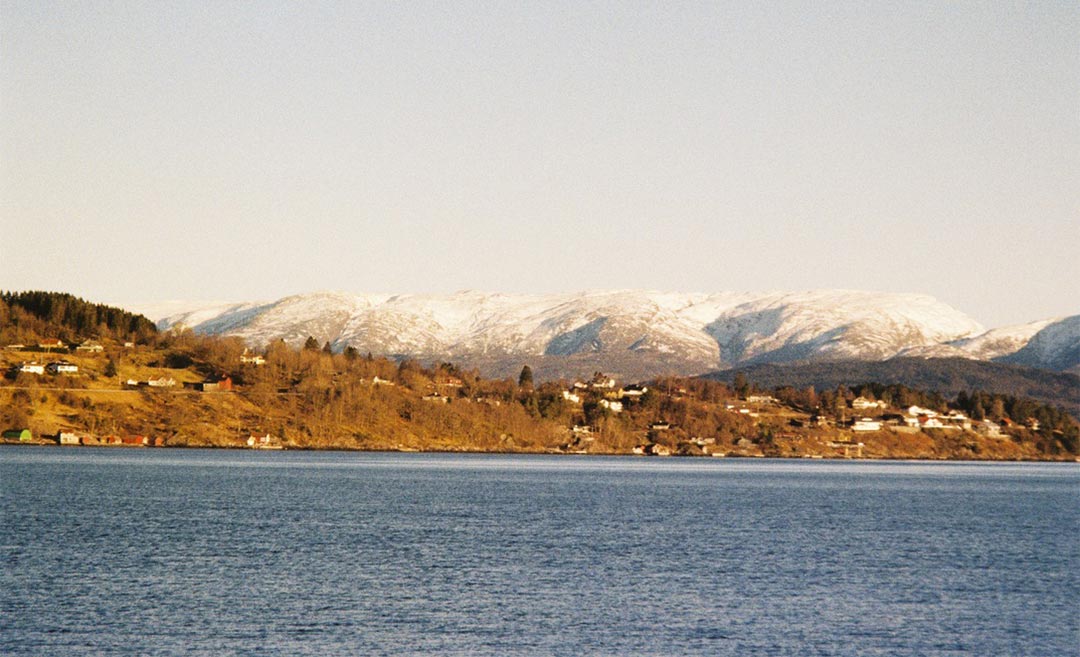
The quiet grandeur of the Norwegian fjords immediately recalibrated my sense of scale; standing here, the rush of the city felt like a world away.
Inspired by a travel show I watched seven years ago featuring Norwegian homes built in dramatic natural landscapes, I knew I had to experience Norway for myself one day. With a single-minded goal of seeing the glacially formed sea inlets known as the Norwegian fjords, I began my journey to the southwestern coastal city of Bergen.
Coming from the cityscape of tropical Malaysia, Bergen took my breath away, as I imagined it would. What I didn’t expect was how the Scandinavian lifestyle and conversations with natives would give me a renewed perspective on intentional living. Whether these are principles you already live by or new ideas you want to adapt, we invite you to consider practising a little bit of the Norwegian lifestyle wherever you are in the world.
Lesson 1:
Daylight is a mood booster we take for granted
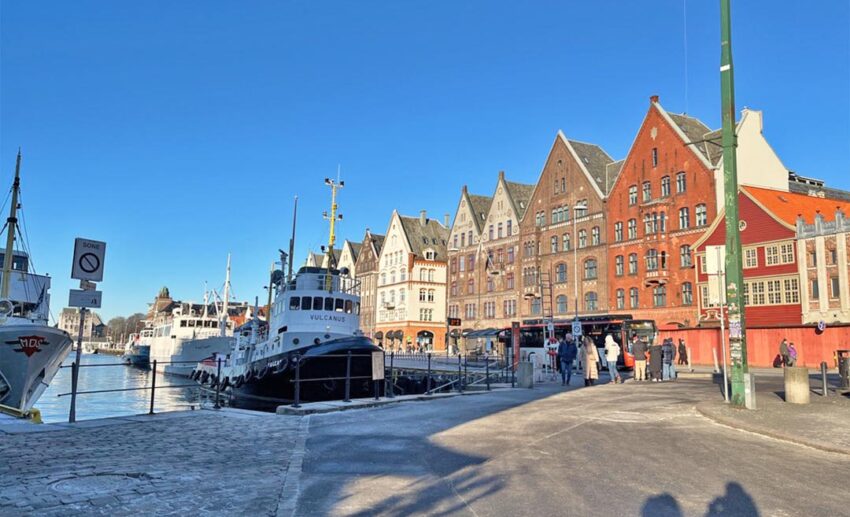
I travelled to Bergen in the peak of winter, where we would get roughly 5.5 to 6 hours of daylight with the sun setting as early as 3:30pm on some days. You learn not to waste the day by staying indoors during those hours. Growing up where we get almost 12 hours of daylight pretty much all year round, the effects of the sun’s absence are lost on us. We don’t realise just how much it helps regulate our circadian rhythm, improve our moods and overall energy, and allow us to get so much done in a day with time to spare.
I recently learned that almost 70% of Malaysians suffer from vitamin D deficiency. That seems strange coming from a place where we have no shortage of sunlight.
The Norwegians relish every bit of sunlight they get, spending it on walks, enjoying a meal outdoors, and spending as much time outside as possible in the summer months because our bodies and minds simply need it, which we learned very quickly during -9°C weather. So I’m determined to enjoy the Malaysian daylight a little more, spending the morning drinking coffee out in the garden, keeping the blinds open while I work and seeking out more green spaces to go on walks.
Lesson 2:
If there’s a time for work, there must be time for play
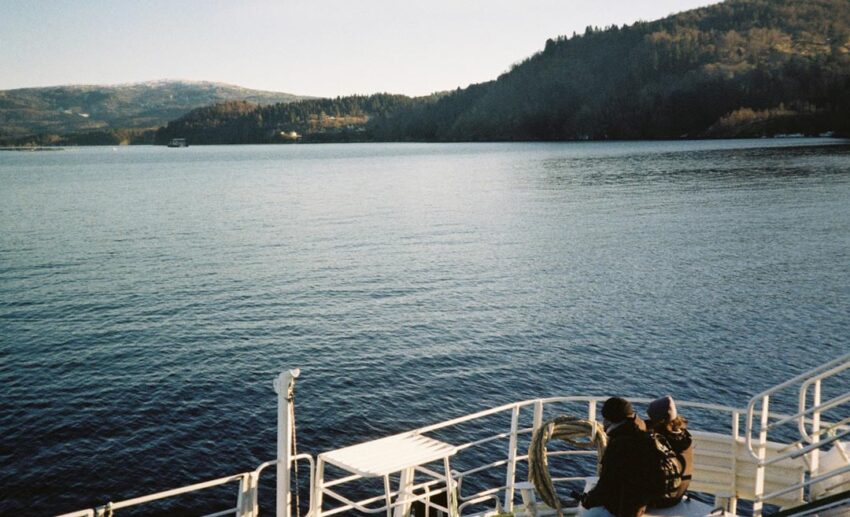
Watching the wake of the boat cut through the still, dark water of the fjords becomes a form of meditation in itself. 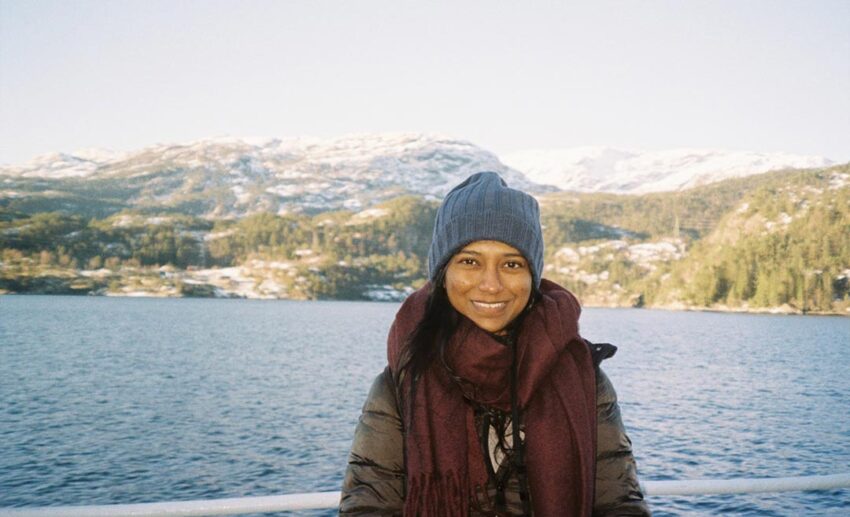
Out on the water, the air is crisp and the conversation even clearer. It’s here I began to understand friluftsliv—the simple, non-negotiable need to connect with the wild. 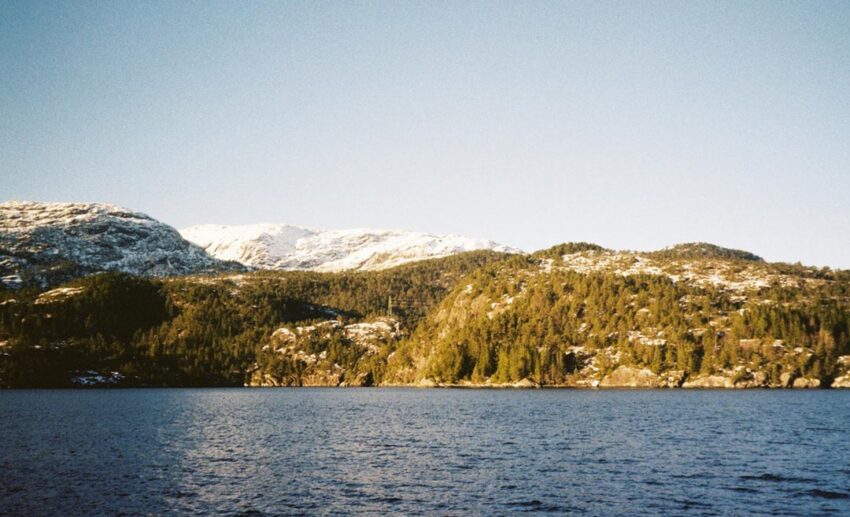
In Norway, the scenery isn’t just a backdrop; it’s an invitation to pause and acknowledge that there is more to life than the next deadline.
On a boat tour of the fjords, a conversation with our guide revealed how Norwegians treat working life differently from us. She tells us that the shorter daylight in winter means most people leave the office early, skis in hand, ready to hit the slopes. This is rooted in the concept of friluftsliv—a Norwegian philosophy of ‘open-air living’ that prioritises a spiritual and physical connection with nature.
There seems to be an understated approach to both work and what living a fulfilling life means. Simplicity is preferred over ostentatious displays of career success. There isn’t an air of constant urgency and anxiety surrounding work.
Norwegians have a sound focus on surrounding themselves with nature, spending time outdoors, and prioritising their wellbeing over external validation. In the words of our lovely guide, “No one is impressed by your working overtime. Go out and enjoy the day.” That’s an ethos I think we can all get behind and try to apply to our lives a little more.
Lesson 3:
There is more to be gained in slowing down
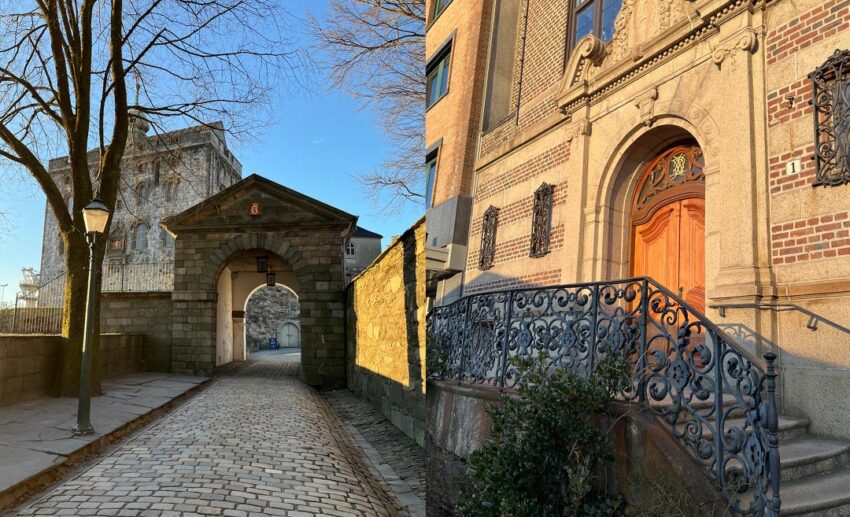
By ignoring my “must-see” checklist, I found time to admire the sturdy resilience of Bergen’s history, from the stone walls of the fortress to the intricate craftsmanship of a simple street-side door. 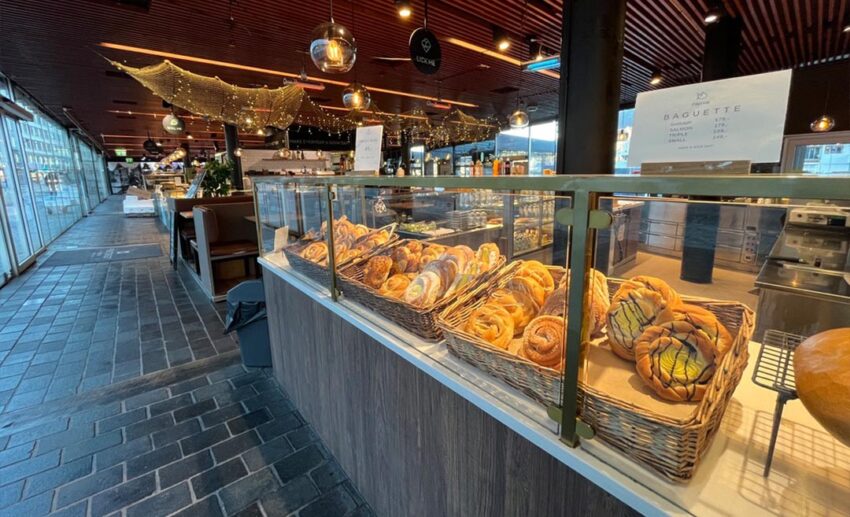
Slowing down allowed us to linger at Fisketorget, where the scent of freshly baked skillingsbolle reminded us that some of the best travel memories are found in the simplest flavours. 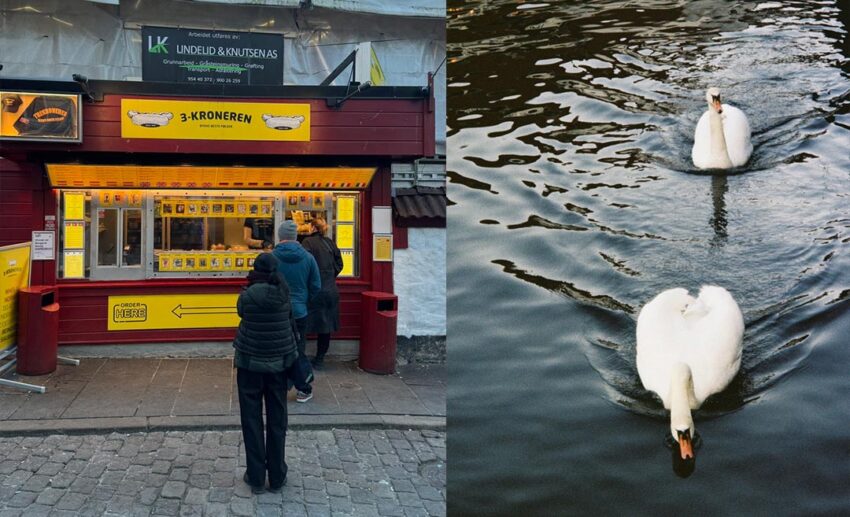
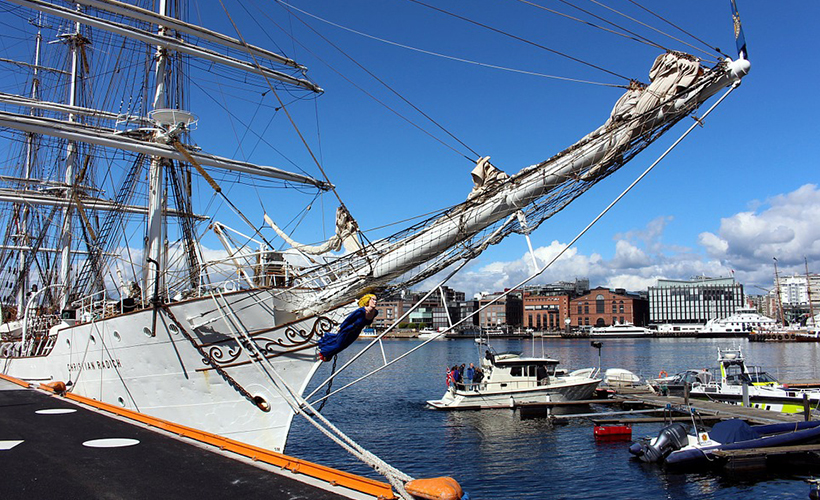
From grabbing a famous reindeer hotdog at 3-Kroneren to watching the swans glide past Bryggen, the city’s magic reveals itself in the quiet moments between the landmarks. 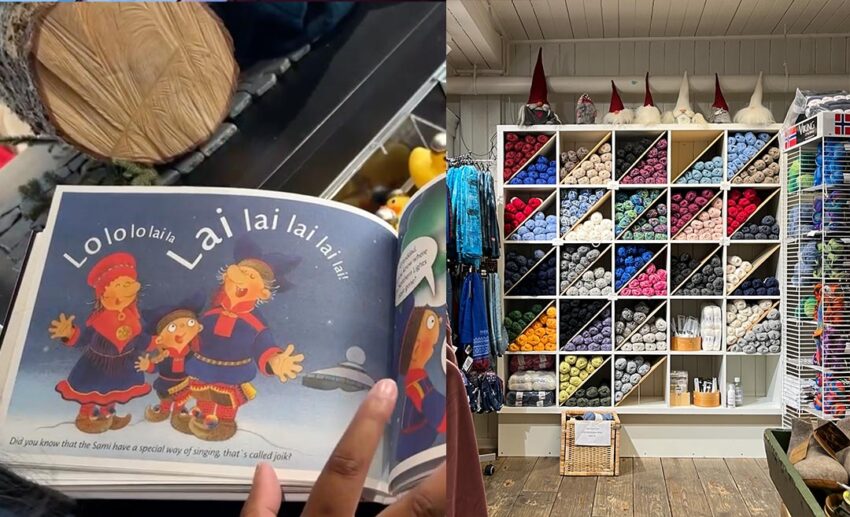
Stepping into local shops, we discovered the tactile side of Norwegian culture—from the stories told in children’s books to the comforting weight of hand-knitted wool in every shade of the fjord.
In any other city I’ve travelled to, there’s been this sense that to make the most of my journey, I need to stay on my feet, push past exhaustion and see as much as I can. The wintry mornings in a quiet Bergen neighbourhood where the sun rises after 9am meant we simply had to take each day slowly. Starting the day later and resting more than we usually would while travelling gave us a chance to stumble into handmade local clothing shops, eat at local food stands only found in this city, and explore hidden alleyways with history we wouldn’t have discovered otherwise. In giving up the checklist of all the “must-see” places, we were rewarded with an experience unique to us. Personally, that sounds far more interesting than hitting up the usual viral hotspots.
Lesson 4:
Embrace seasonal living
Winter generally feels like the right time to slow down, which seems to go against the pace of a curious traveller. Rather than fighting the season, we decided to embrace the shorter days—evenings spent inside cooking and sleeping earlier than usual, and embracing cosy mornings while watching the sun slowly rise as we went about our day. The first couple of days involved a lot of pacing back and forth, not knowing what to do with our time.
But then came the delightful pleasures of aligning with the rhythm of a place. 5pm dinners felt natural, 9pm bedtime was a thing to look forward to, and the long, quiet hours in the morning allowed us to be intentional about how we started our day. A far cry from the rushed mornings I tend to experience at home. We don’t get to experience this slow rest in the later months of the year, but our monsoon season definitely invites us to live at a gentler pace, where we hopefully allow ourselves to prioritise relaxation over productivity.
Lesson 5:
When you build a life that looks after your pets, you build a life that looks after yourself as well
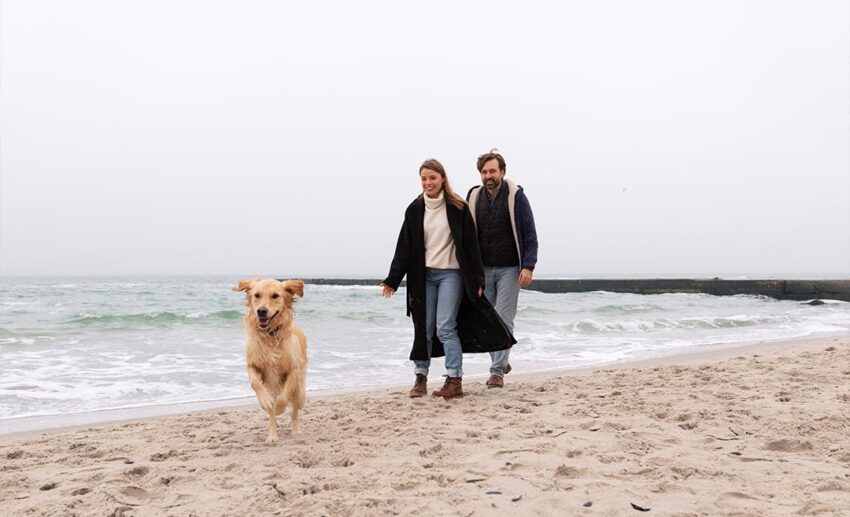
One thing we noticed in Bergen is just how happy all the pets seemed to be. Dogs dressed in winter jackets were out by the docks, and cats in strollers just looked content to be with their human parents on whatever errand they were up to. No one appeared inconvenienced by them being around; in fact, people seem to prefer it. A quick trip into a pet supply store revealed just how well loved and looked after the animals in Norway are.
It’s no secret that there is a massive culture here that embraces fitness and physical movement. Getting pets involved in their day-to-day activities just meant there was another reason to embrace going outside themselves. Malaysia may not be the most pet-friendly in the same sense, with many establishments not allowing pets to enter, and our roads not built with pet safety in mind. However, where we lack in public pet accessibility, we make up for it in pet-friendly travel lodgings and pet cafes. There are hotels, Airbnbs, camp sites, parks and several malls with designated pet-friendly areas where you can bring your fur babies on leisurely adventures. Our pets deserve to see and enjoy the world too, and honestly, the happier they are, the better off we’ll be.
Returning home, I realised the Norwegian fjords didn’t just give me beautiful memories; they quietly reshaped how I want to move through everyday life. I may not have snowy mountains outside my window, but I can still choose sunlight, rest, balance, and intention wherever I am.
All photos are by and courtesy of the writer, Tabitha Prathna, unless otherwise stated.