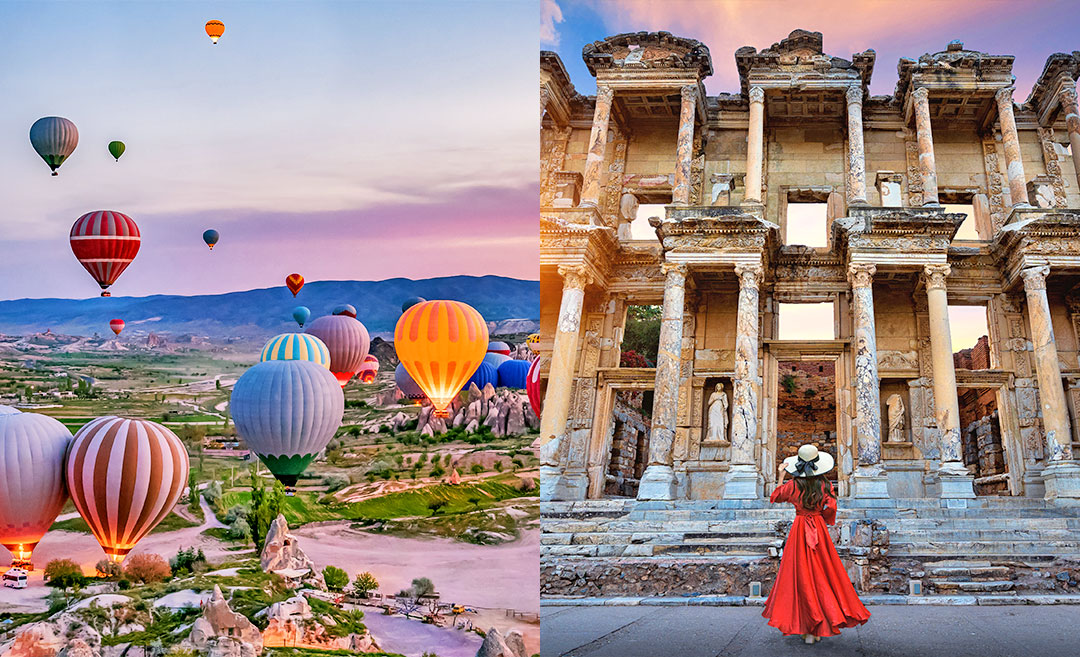
National Geographic’s 2026 list spotlights unexpected gems—from Japan’s tranquil Yamagata to Rwanda’s wild Akagera—proving the year’s most rewarding adventures lie off the beaten path. (Left image by Tatiana Mokhova. Right image by ValentinValkov.)
Every year, National Geographic unveils its list of places that promise not just beauty, but a unique perspective — combining iconic landscapes with quietly brilliant corners of the world that most travellers overlook. The 2026 lineup features the usual heavy-hitters like the Alps, the Amazon, and the Mediterranean, but tucked among them are some unexpected standouts.
Here are five of this year’s “unexpected stars” — worthy bucket-list additions that might just change the way you travel.
Khiva, Uzbekistan
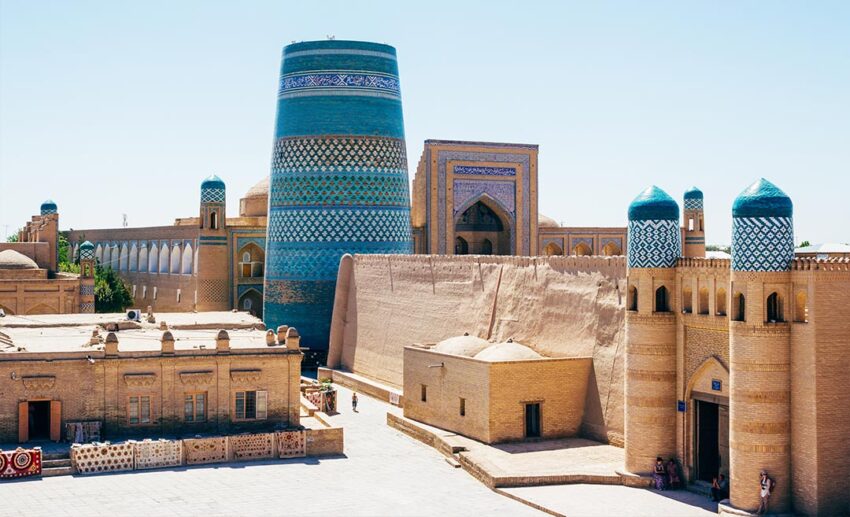
Hidden deep in Central Asia, Khiva is a walled desert city that feels like time has stopped. It offers a sense of discovery, with visitor numbers far lower than major European or East Asian cities.
Why visit: It is a UNESCO-recognised historic site and one of the most homogeneous collections of Islamic architecture in the world. It provides a quintessential Silk Road experience.
Key activities/attractions: Explore the ancient Ichan-Kala (old town) on foot, marvel at the intricately carved wood architecture, climb the minarets for panoramic views, and capture the city walls during the golden hour.
Best time to visit: Spring (April-June) and autumn (September-October). The weather is pleasantly warm and ideal for walking, avoiding the scorching heat of summer and the bitter cold of winter.
Akagera National Park, Rwanda
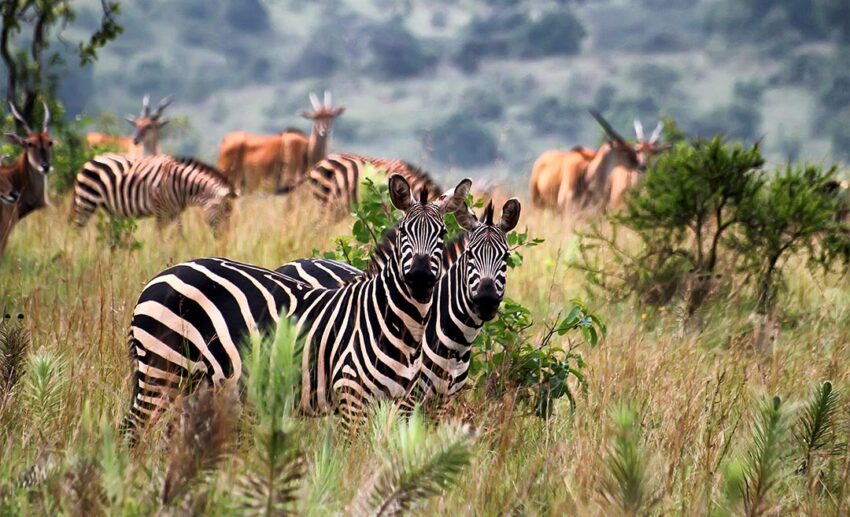
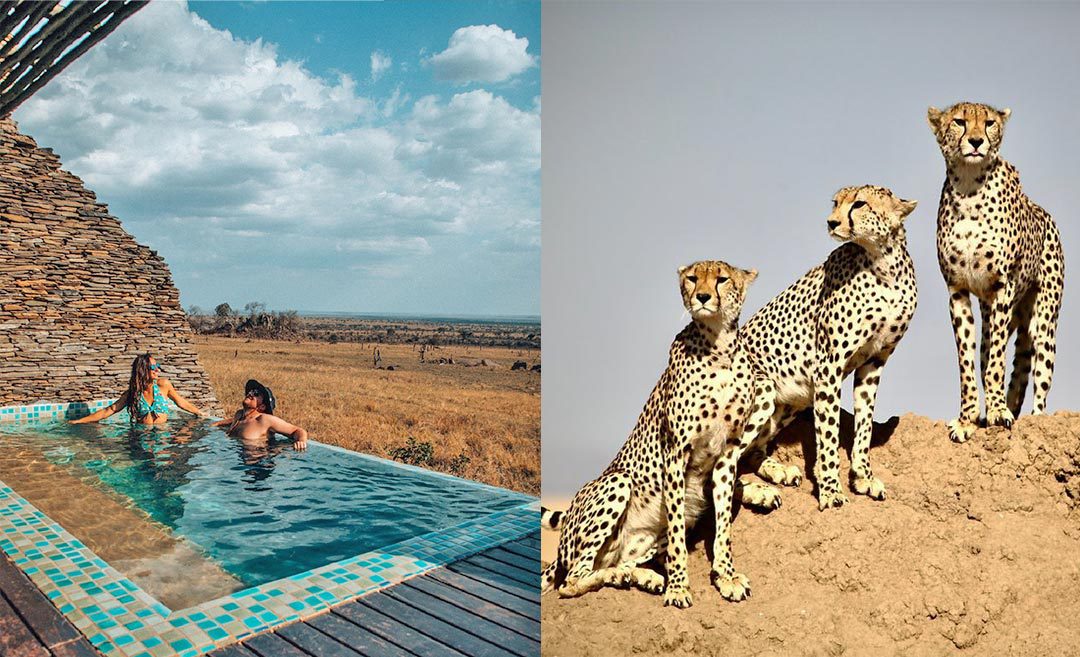
Located in Rwanda, this park earned a spot on the list thanks to its extraordinary wildlife and compelling conservation narrative. It qualifies as “unexpected” because it offers a fresh, less-crowded safari experience compared to Kenya or Tanzania.
Why visit: The park exemplifies successful conservation efforts, having reintroduced lions and rhinos. It’s a fantastic place to see the Big Five in a diverse landscape of savannah, lakes, and papyrus swamps.
Key activities/attractions: Classic game drives (morning and night), boat safaris on Lake Ihema to see hippos and crocodiles, and guided walking safaris for closer ecological insight.
Best time to visit: The dry seasons (June to September and December to February). This is when the vegetation is sparser, and animals congregate around water sources, making wildlife viewing easier.
The Dolomites, Italy
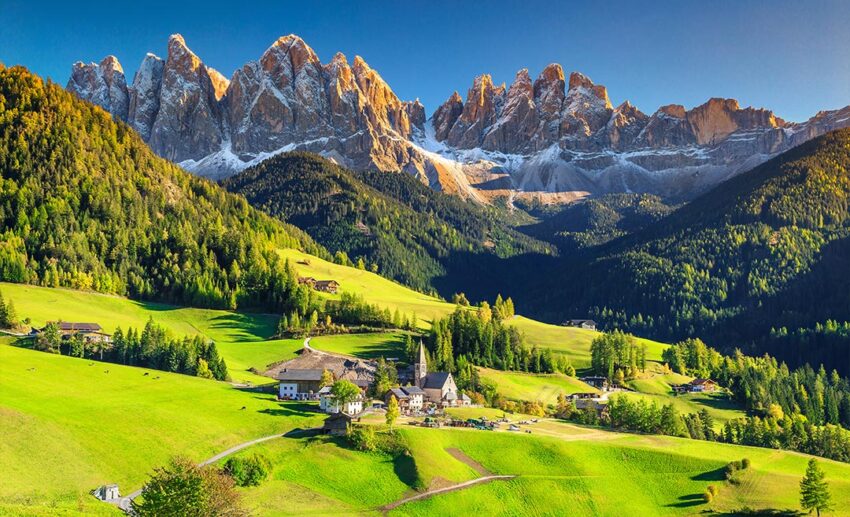
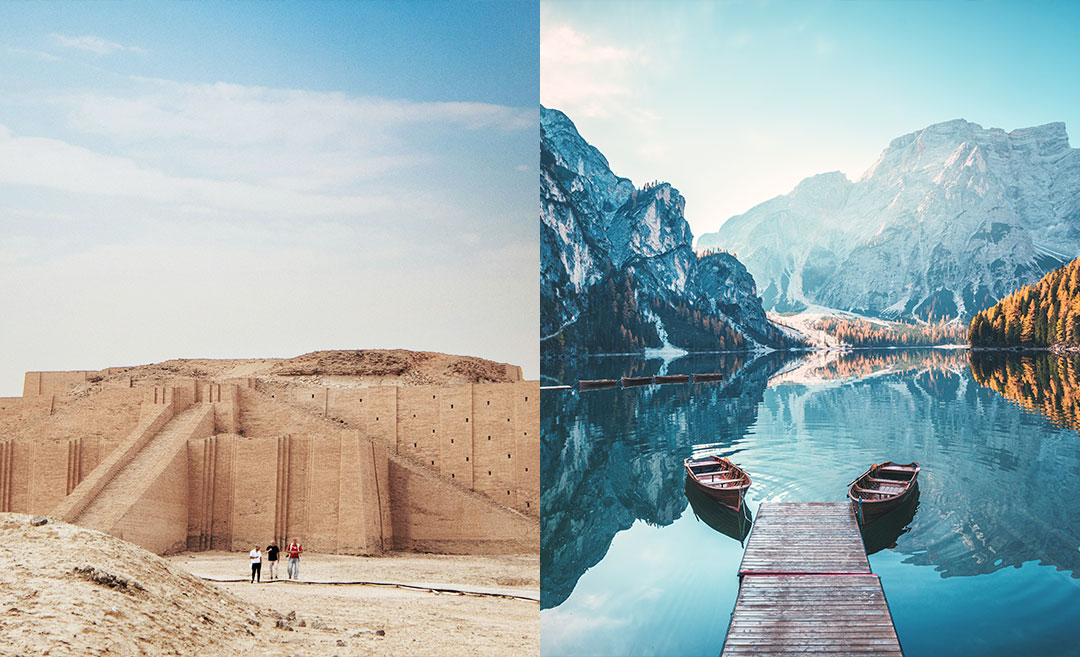
The Dolomites might be better known than some of the other picks, but it still counts as a destination that surprises many travellers by its blend of rugged nature and refined alpine culture in the South Tyrol region.
Why visit: The towering, pale mountains—a UNESCO World Heritage site—are famous for the natural phenomenon known as enrosadira (alpenglow), where the peaks glow pink and red at sunrise and sunset.
Key activities/attractions: Hiking and climbing in summer/autumn, skiing and winter sports in winter, exploring mountain huts (rifugios), and photographing famous spots like Tre Cime di Lavaredo and Lago di Braies.
Best time to visit: Summer (late June-August) for peak hiking season, or the shoulder season of autumn (September-October) for cooler weather, fewer crowds, and stunning larch tree colours.
Black Sea Coast, Türkiye
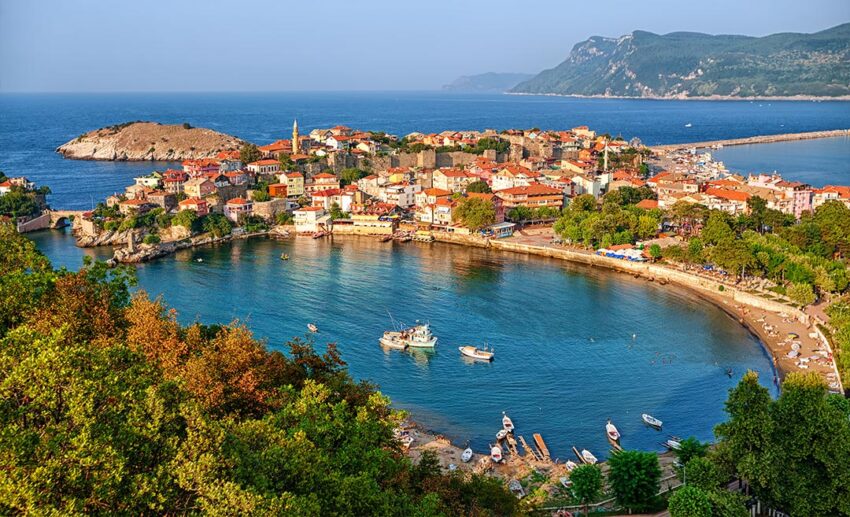
One of the lesser-visited silver linings of Europe’s edge: Türkiye’s Black Sea coastline earns a spot for travellers seeking a more authentic and quieter alternative to the Aegean or Mediterranean coasts.
Why visit: This region is surprisingly lush and green, defined by mist-shrouded forested mountains, a cooler climate, and a distinct local culture focused on agriculture (especially tea) and fishing.
Key activities/attractions: Visit the spectacular cliffside Sümela Monastery, explore the well-preserved Ottoman architecture in Safranbolu, wander through sprawling tea plantations in Rize, and relax in quiet port towns like Amasra.
Best time to visit: Late spring and summer (June to September). These months offer the warmest weather for enjoying the coast and hiking in the higher-altitude mountains, though be prepared for occasional rainfall.
Yamagata Prefecture, Japan
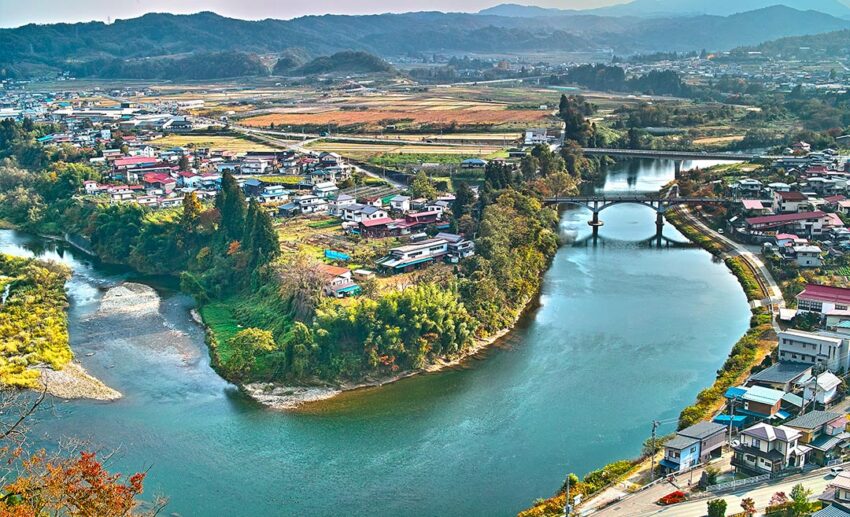
Often overshadowed by Tokyo, Kyoto and Osaka, Yamagata Prefecture is waiting in the wings as a gem on the Best of the World 2026 list, offering a slower, less commercialised view of Japanese culture.
Why visit: It is a paradise of nature, history, and onsen (hot-spring) towns, known for its unique seasonal beauty, including its high production of cherries and famous local beef.
Key activities/attractions: Visit the picturesque Ginzan Onsen town (especially in the snow), climb the 1,015 steps of the spiritual mountain temple Yamadera, and witness the iconic “Snow Monsters” (Juhyo) at Zao Onsen in winter.
Best time to visit: Winter (Dec-Feb) for snowy onsen scenes and the Snow Monsters, or Autumn (September-November) for cooler weather and stunning foliage in the mountains.
Read National Geographic’s Best of the World 2026 complete list here.