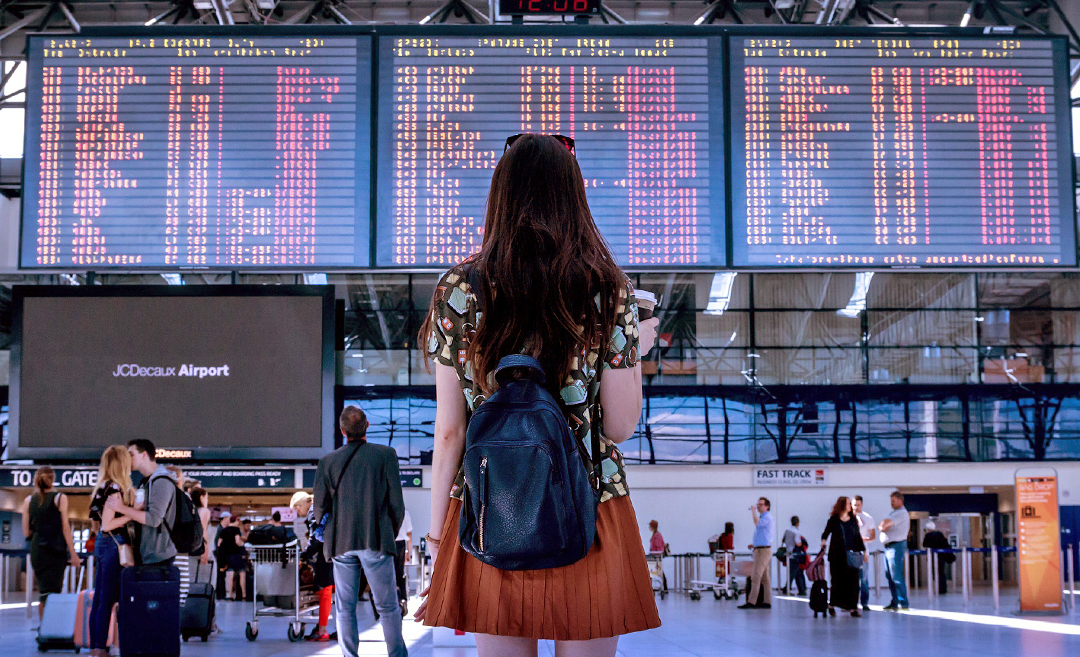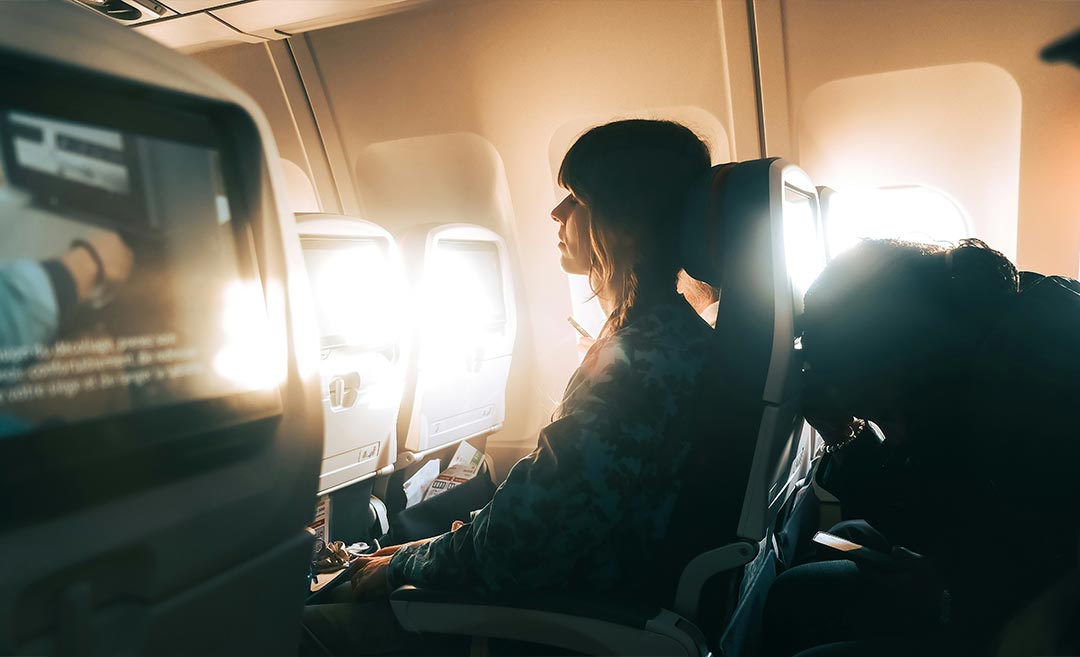
Smart, practical tips to help women travellers handle air rage, difficult passengers, and stressful flight situations with confidence and calm. (Image by Silvie Juong)
We’ve all been there. You’ve planned your itinerary, packed your capsule wardrobe, and even managed to snag a window seat. You’re ready for adventure, relaxation, or perhaps just a quiet nap before landing. Then, it happens. A shrill voice cuts through the airport hum. A luggage cart becomes a weapon. Or perhaps, the passenger in front decides their seat is actually a trampoline.
Welcome to the unpredictable world of modern air travel, where stressful situations and difficult passengers can quickly disrupt even the most carefully planned journey. In an age where “air rage” is becoming increasingly common, knowing how to handle air travel drama while protecting your peace (and perhaps even lending a hand) is less about etiquette and more about self-preservation. As women travellers, we often find ourselves navigating unique social pressures, making these situations even trickier.
This guide isn’t about confrontation or playing a hero. Instead, it’s about mastering the art of the graceful dodge, and knowing when to seek support from airline professionals when the drama gets a little too close for comfort.
Where Air Travel Drama Usually Begins

From the moment you step into the terminal, you’re in a public theatre. And sometimes, the supporting cast decides to steal the show. Here are some common scenarios you may encounter:
- The check-in commotion: You’re patiently waiting, clutching your passport, when someone erupts at the poor check-in agent. “My bag is ONE kilogram over?!” they shriek, as if the rules were personally invented to spite them.
- The boarding gate battle: The gate agent calls for Group 1, but someone from Group 4 has already decided their urgency supersedes all protocol, attempting a valiant charge to the front. The ensuing eye-rolls could power a small city.
- The in-flight freakout: The pièce de résistance. This can range from the persistent seat-kicker to the person loudly FaceTiming their entire family, or the one convinced the flight attendant is personally withholding their preferred brand of water.
When to Ignore and Protect Your Peace
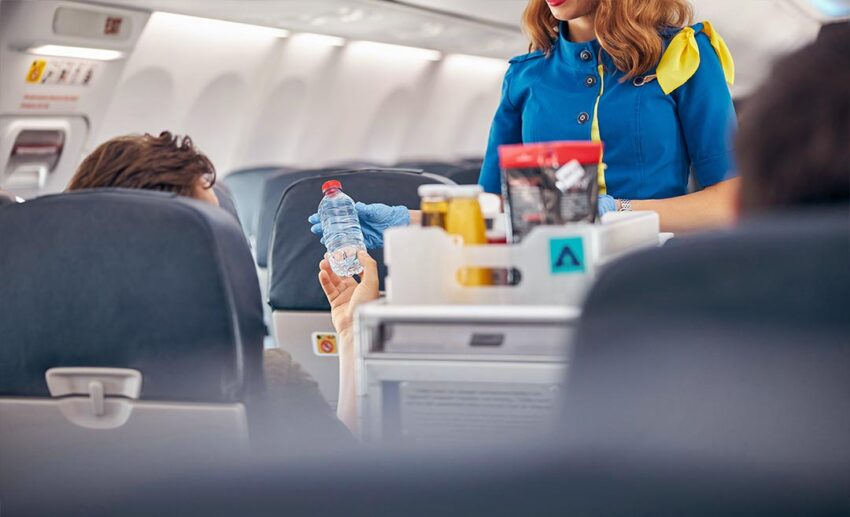
Before you even think about engaging, remember this: your own safety and peace of mind are paramount. You are not the flight police, nor are you responsible for regulating strangers’ emotions.
Scenario 1: The “Main Character” Passenger
This person believes the entire travel ecosystem revolves around their personal preferences. They’re loud, demanding, and often rude to staff.
Your Move: Physical distance is your friend. If you’re at the gate, subtly shift your position. If you’re on the plane and they’re nearby but not directly impacting you, deploy your noise-cancelling headphones like a sonic shield. Don’t engage in eye contact that might invite a monologue. Think of yourself as a highly-trained, incredibly chill ninja.
When to Keep Out: Almost always. Unless a staff member is physically threatened, your best bet is to let the trained professionals handle it. You getting involved adds another variable to an already volatile equation.
Scenario 2: Seat Kickers and Personal Space Invaders
They see your personal bubble not as a boundary, but as an exciting challenge. The constant jolts to your seat, the elbow encroaching on your armrest territory, the foot rest that suddenly includes your bag.
Your Move: A polite, assertive reaction. Start gently. A clear, audible sigh might work. If not, turn around calmly and say, “Excuse me, I’m finding it hard to relax/work with the movement. Would you mind being a little more still?” For armrest disputes (read our airplane seat etiquette at the end), a simple “Oh, I’m just using this” while gently resting your arm can often reclaim your space.
When to Say Something: When it directly infringes on your personal space or comfort, making your journey miserable. If a polite request doesn’t work, then it’s time to discreetly press the call button.
When It’s Time to Step In (Carefully)
While your primary mission is self-preservation, there are rare instances where a situation genuinely escalates beyond rude behaviour and veers into harassment or potential danger.
Scenario 3: When Airline Staff Are Being Harassed
You see an airport or airline staff member being subjected to prolonged, aggressive verbal abuse that’s clearly crossing a line.
Your Move: If you feel safe doing so, try to catch the eye of another staff member or a uniformed official. A quick, discreet note or even a pointed look towards the aggressor can sometimes be enough. If you have a moment, ask the staff member if they’re okay after the situation has been handled. Sometimes, simply acknowledging their difficult job means the world. Do NOT physically intervene or get into a shouting match yourself.
When to Say Something: Only to another authority figure or to offer quiet support after the fact. Your direct verbal intervention can sometimes make you the target.
Scenario 4: When Behaviour Becomes Dangerous
The “difficult” passenger shifts from annoying to genuinely threatening – not just verbally, but perhaps physically aggressive, or showing signs of impaired judgment that could endanger others.
Your Move: Immediate, discreet notification. This is when you need to press your flight attendant call button. If you’re at the gate, find the nearest official. Simply state, “I’m concerned about the behaviour of a passenger in [seat number]. They seem to be [describe behaviour].” Let the professionals take over.
When to Say Something: To the cabin crew or ground staff, immediately. This isn’t about politeness; it’s about safety for everyone on board.
The Woman Traveller’s Advantage: Trust Your Instincts
As women, we’re often socialised to be empathetic, to smooth things over, to be the peacemakers. While these are wonderful traits, they can sometimes put us in vulnerable positions when confronted with aggressive or unstable behaviour.
- Your intuition is your GPS: If a situation feels “off,” it probably is. Don’t second-guess that little voice in your head.
- No obligation to mediate: You are not responsible for diffusing every tense situation. Your primary responsibility is your own safety and well-being.
- The power of the silent disengage: Sometimes, the most powerful thing you can do is to calmly remove yourself from the immediate vicinity, put on your headphones, or bury your nose in a book. It’s not rude; it’s resourceful.
Travel is meant to expand your horizons, not your stress levels. While we can’t control the behaviour of every individual on a flight or in an airport, we can absolutely control our reactions and how we deal with these tricky encounters. By being prepared and knowing when to duck and discreetly signal for help, you can ensure that even when there’s turbulence in Row 13, your personal journey remains safe and delightfully drama-free.
The Armrest Treaty: Zafigo’s Seat Territory Guide
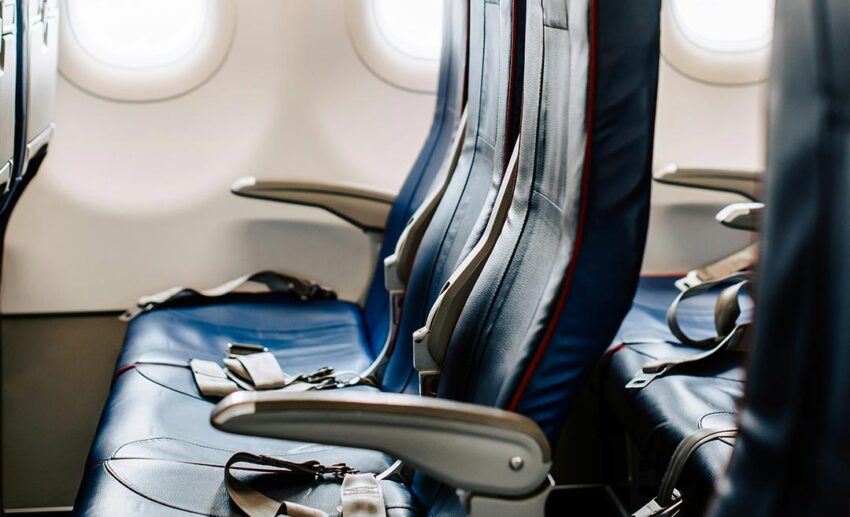
Let’s address one of the most (quietly) contested spaces in modern air travel: the shared armrest. We believe small acts of consideration shape better journeys, and that includes understanding seat etiquette. Here’s an unspoken rule seasoned travellers swear by:
- Middle seat gets both armrests. With no window to lean on and no aisle access, it’s the fairest trade-off.
- Window seat gets the wall. You already have something to rest against; that’s your bonus.
- Aisle seat gets mobility. Easy access to stretch, stand, and move balances the compromise.