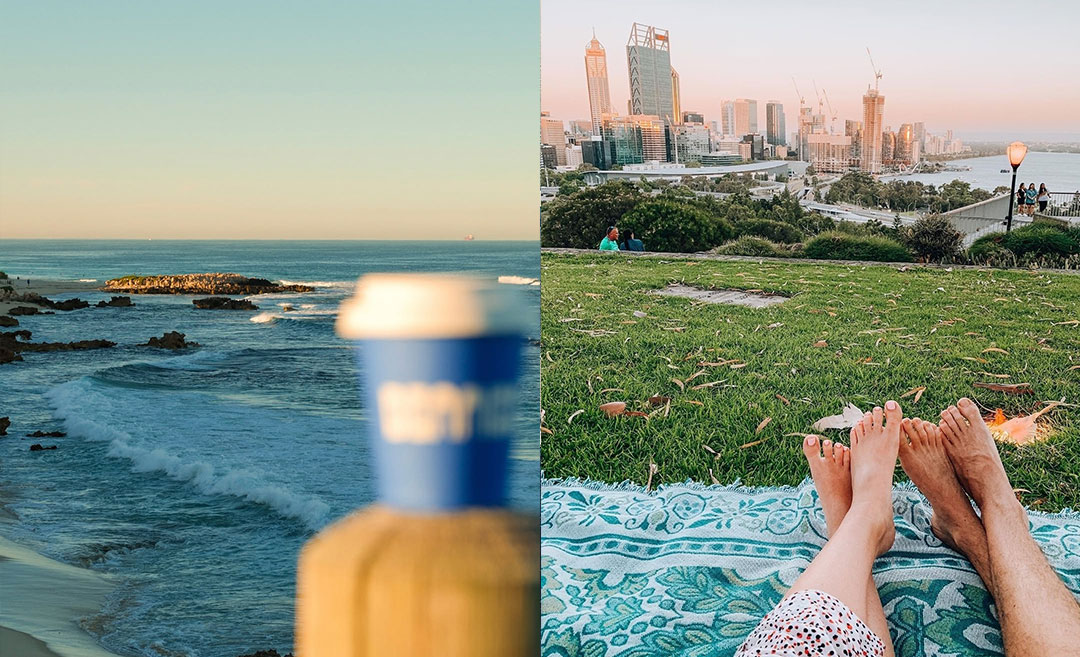
Making room for what you want: solo travel in your 40s prioritises comfort, flexibility, and experiences tailored to your energy, interests, and personal well-being. (Image by Curated Lifestyle)
There was a time when solo travel was sold to us as a life-changing experience. You packed a bag, boarded a plane alone, and supposedly came home a more enlightened version of yourself. An awakening, almost. Well, at least that was the promise.
In your 20s, that might have sounded wonderful. You could make do with questionable accommodation, squeeze six destinations into a week, and convince yourself that an overnight bus was a perfectly reasonable way to save money. You might even have enjoyed the chaos.
But between turning 40 and realising you’ve spent half your adult life responding to emails, your idea of a good holiday can begin to change. Perhaps you care more about a comfortable bed than a bargain hostel, would rather explore one neighbourhood properly than race across an entire city, or simply want the freedom to change your plans without consulting anyone else.
That’s one of the pleasures of solo travel: you get to decide what makes a trip worthwhile. Whether you’re travelling around a demanding work schedule, managing a tighter budget, or simply becoming more particular about how you spend your time, your holiday can reflect what you actually want from it.
1. Choose a solo travel destination that suits your needs
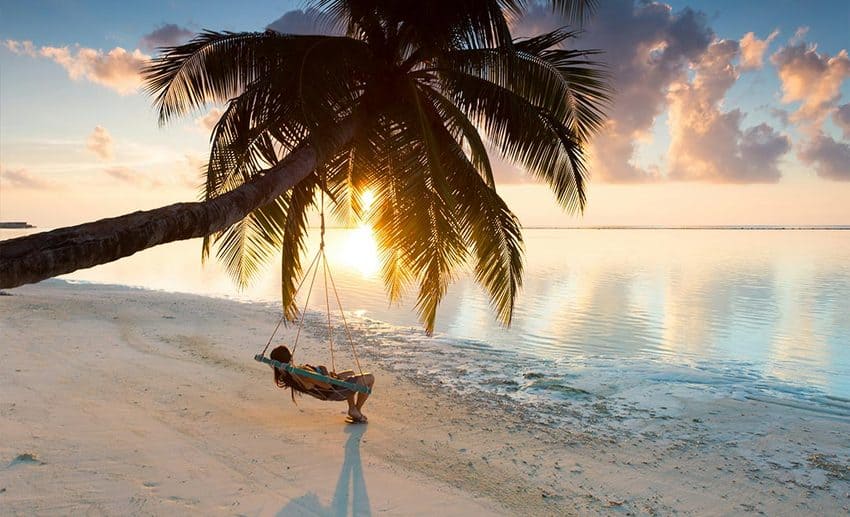
Some destinations are wonderful but require the organisational skills of a wedding planner. Restaurants need reservations weeks in advance, attractions have timed entries, and apparently there are 47 things you absolutely cannot leave without doing, according to TikTok.
Before booking, think about what you want from the trip. If you’re looking for culture, a city with walkable neighbourhoods, museums, and good public transport might suit you. If you want outdoor adventures, check the availability of guided excursions or small-group activities that welcome solo travellers.
Practicalities matter, too. Research how easy it is to get around without a car, whether you can find meals near your accommodation, and what transport options are available after dark. If you have particular accessibility requirements or prefer not to navigate unfamiliar roads alone, factor those into your decision.
2. Spend more on accommodation that makes travel more enjoyable

When you’re younger, accommodation can feel like little more than somewhere to dump your luggage before heading out again. As long as there’s a bed and the bathroom doesn’t look like a crime scene, you’re generally happy.
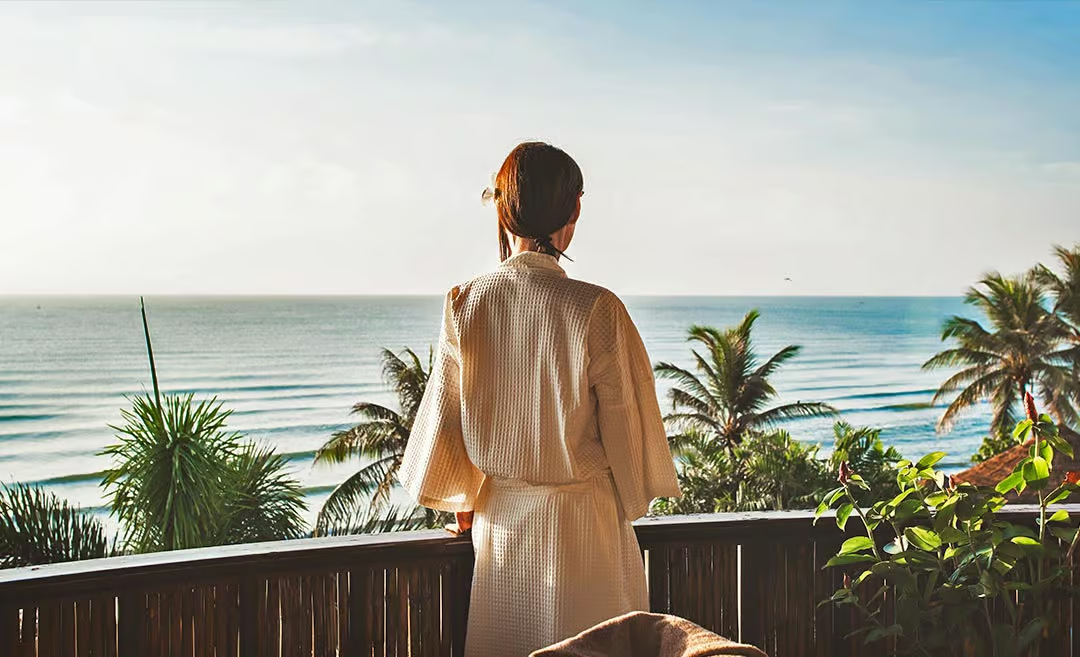
Your priorities might change when you’re travelling alone in your 40s. A comfortable room, a convenient location, and somewhere you genuinely enjoy returning to can make a significant difference to your trip.
That doesn’t mean booking the most expensive hotel you can afford. Consider what would actually improve your stay. A central location might save you money on transport, while a quiet room could help you sleep better. If you enjoy having breakfast at your own pace, a hotel with a decent breakfast option might be worth the extra cost.
Read recent reviews for mentions of noise, cleanliness, security, and the surrounding neighbourhood. Check how easy it is to reach restaurants, public transport, and the places you plan to visit.
There is also something wonderfully indulgent about returning to your room, having a shower, getting all cosy, and deciding you’ve officially finished socialising with the outside world. The beauty of travelling alone is that nobody gets to question that decision.
3. Plan your itinerary around your energy, not just your interests
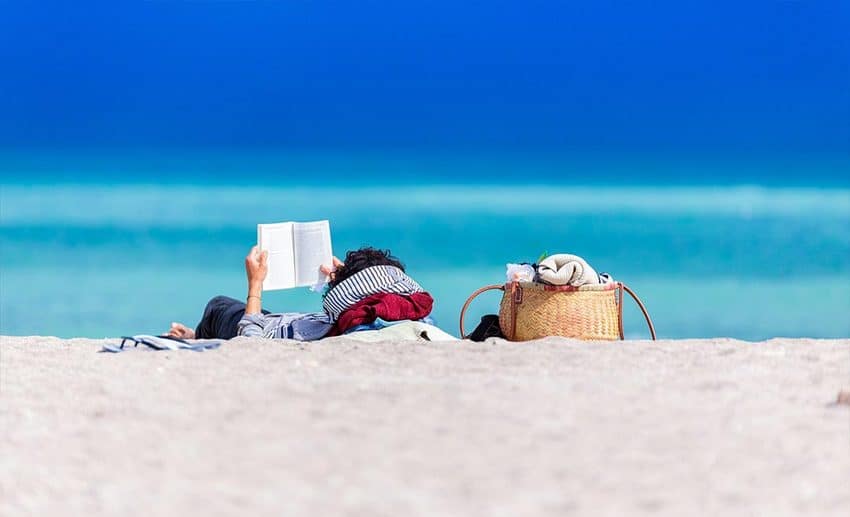
Somewhere along the road to adulthood, we’ve confused making the most of a holiday with making sure every waking hour is accounted for. It’s why we sometimes return from a week away feeling as though we’ve completed a super-long HIIT workout.
The trick is to plan around both what interests you and what you realistically have the energy to do. If you’ve always wanted to visit a particular museum, give yourself enough time to enjoy it rather than squeezing it between three other attractions.
Consider the practical demands of your plans, too. A day involving several kilometres of walking, a guided tour, and a late dinner might sound appealing when you’re booking from your desk. It could feel rather different after a poor night’s sleep or a particularly long day in the heat.
Try choosing one main activity each day, then leave room for anything else that catches your attention. If you feel like doing more, you can. If you’d rather spend an afternoon browsing a bookshop or sitting at a cafe, that’s fine, too.
4. Make solo dining part of the experience

For some women, eating alone is one of the biggest hurdles of a solo trip. It’s not necessarily the food or the restaurant that feels intimidating. It’s the thought of sitting at a table by yourself while everyone else appears to be having a wonderful time with their companions.
The good news is that solo dining gets easier when you choose places that suit your comfort level. A neighbourhood cafe, a casual noodle shop, or a bustling food market can be less intimidating than a formal restaurant with elaborate table settings. Sitting at the counter or bar, where available, can also feel more natural.
If there’s a restaurant you’ve been wanting to try for years, don’t automatically rule it out because you don’t have anyone to go with. Make a reservation, bring a book if you’d like some company, or simply enjoy the opportunity to concentrate on your meal.
You can also look for food tours or small-group cooking classes if you’d like to meet people without committing to an entire group holiday. Some of the best travel conversations happen over a shared meal, even when you arrive as strangers.
And if you genuinely prefer eating takeaway in your room after a long day, that’s an entirely respectable choice, too.
5. Find activities that match your interests, with room for connection
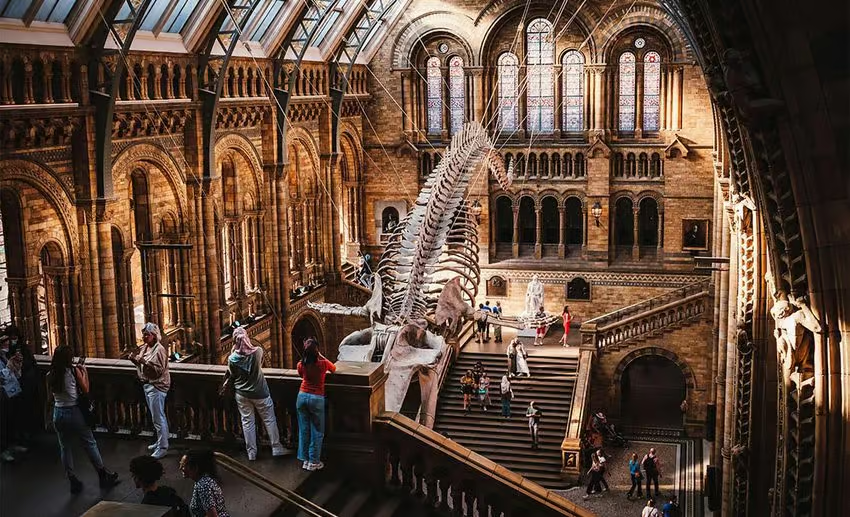
Travelling alone doesn’t mean you have to do everything alone. One of the advantages of solo travel is that you can decide when you’d like company and when you’d rather keep to yourself.
If you’re interested in local food, consider a cooking class or a guided food tour. Art lovers might enjoy a gallery walk or a pottery workshop, while outdoor enthusiasts could look into guided hikes or cycling excursions. Small-group activities can make it easier to meet other travellers without having to commit to a full itinerary with strangers.
Look for experiences that genuinely interest you rather than signing up for something simply because it seems like a good way to socialise. Check group sizes, whether individual bookings are welcome, and what’s included in the price before committing.
Of course, not every activity needs to involve other people. You might spend an afternoon exploring an independent bookshop, wandering through a residential neighbourhood, or sitting by the water with a book.
6. Set boundaries while staying sensible about solo travel safety

Being contactable at all times has become such a normal part of everyday life that even on holiday, we instinctively reach for our phones. One minute you’re checking the weather, and the next you’re reading an email about a meeting happening three days after you return.
Before leaving, set an out-of-office reply and turn off work notifications where possible. If family members or colleagues genuinely need to reach you, agree on a sensible way to get in touch in an emergency. You don’t have to disappear completely to enjoy a holiday on your own terms.
It’s equally important to make practical arrangements for your safety. Research local transport options, save your accommodation’s address and contact details, and familiarise yourself with how you’ll get back at night. Share your itinerary with someone you trust if that makes you more comfortable, particularly when travelling to remote areas.
Keep an eye on your belongings, be mindful of your surroundings, and trust your instincts if a situation feels uncomfortable. For activities such as hiking or cycling in unfamiliar terrain, check whether the route is suitable for your experience and whether going with a guide would be a better option.
7. Leave some breathing room before you head home
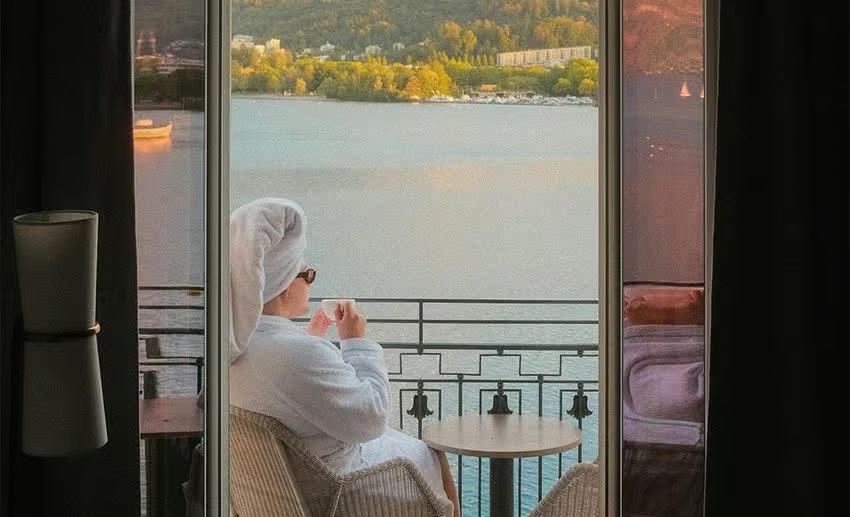
There’s a strange habit many of us develop after spending several days on holiday: we suddenly decide the final 12 hours must be used to accomplish everything we haven’t managed to do.
Before you know it, you’re dragging your luggage through a crowded market, calculating airport transfer times, and regretting that second coffee.
When planning your return, allow enough time to pack, check out, and reach the airport without rushing. If your flight is late in the evening, consider whether squeezing in another attraction is worth the extra effort. You might prefer a leisurely breakfast, a final walk around the neighbourhood, or simply some time to sit and reflect on the trip.
Check your transport arrangements in advance, particularly if you’re staying somewhere with limited public transport or travelling during a busy period. Keeping your final day relatively flexible also gives you room to accommodate delays or last-minute changes.
There is no prize for arriving at the airport exhausted, although judging by the way some of us travel, you’d think there was.