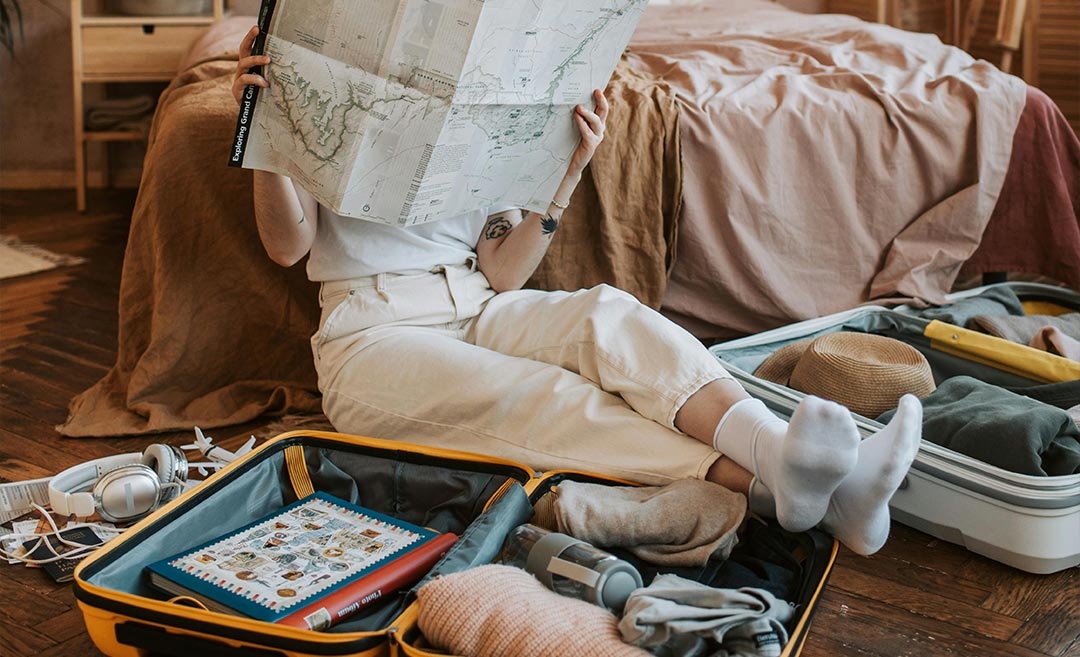
Planning your first (or umpteenth) trip as a solo traveller? From visas to safety and roaming with confidence, here’s the checklist you didn’t know you needed. (Image by Vlada Karpovich.)
I’ve been wandering the world since I was a kid, and at 36, there are times when things still slip my mind. So, whether it’s your first solo rodeo or you’re a seasoned explorer, we could all use a little reminder. Here’s a humble list of the behind-the-scenes, pre-departure prep that’s as much for me as it is for you.
‘The musts’
1. Visa rules & entry requirements
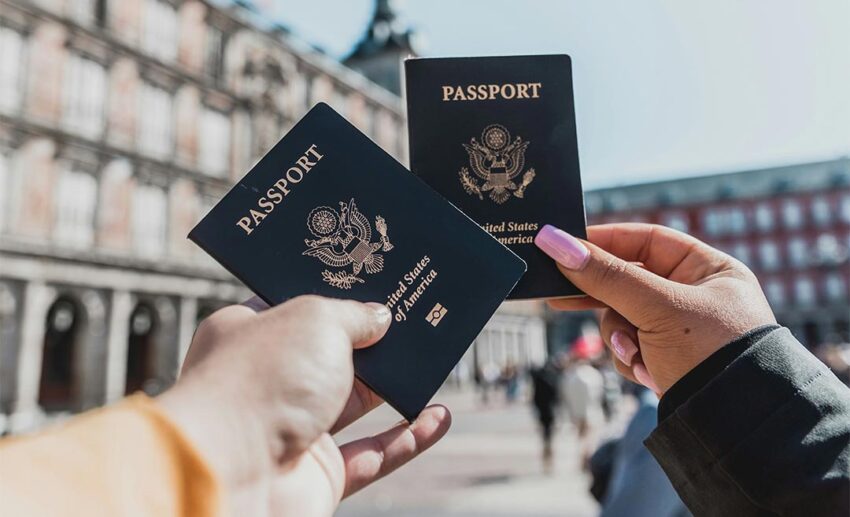
Visa rules change constantly, so this is a non-negotiable. Whether you need an embassy visit, an e-visa, a transit visa, or you’re visa-free, double-check everything. Solo female travellers often face extra scrutiny, so keep proof of return flights, accommodation, and insurance handy.
2. Digital & physical document copies
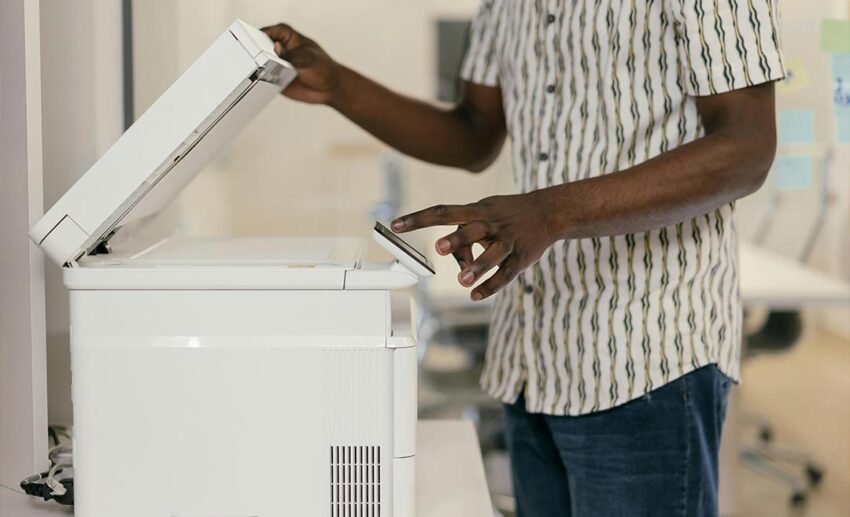
Make a copy of your passport, ID, birth certificate, travel insurance, and important bookings, and maybe even carry a couple of passport photos with you. Upload them to cloud storage and carry printed copies. Store your passport and documents in a waterproof sleeve. If your bag goes missing, you’ll thank yourself for the prep work.
3. Current events

From transport strikes to political instability and natural disasters, a quick news check helps you avoid unexpected delays or dangerous situations.
4. Cash, cards & financial safety
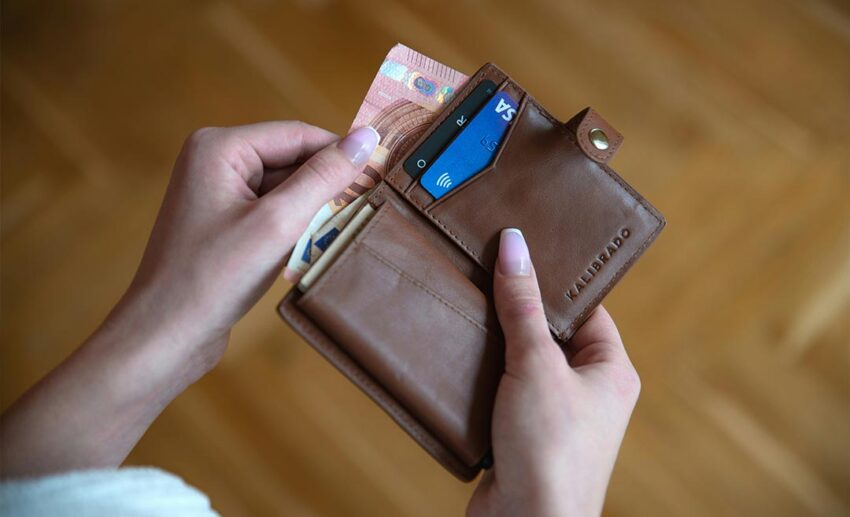
Prepare a mix of local cash (in smaller denominations) and internationally accepted cards. Keep in mind that some places are still cash-only or only use local payment systems, like Thailand’s QR codes. Notify your bank, split and stash your cash between locations, and only go to ATMs during daylight hours in secure areas (like malls or banks).
5. Travel insurance
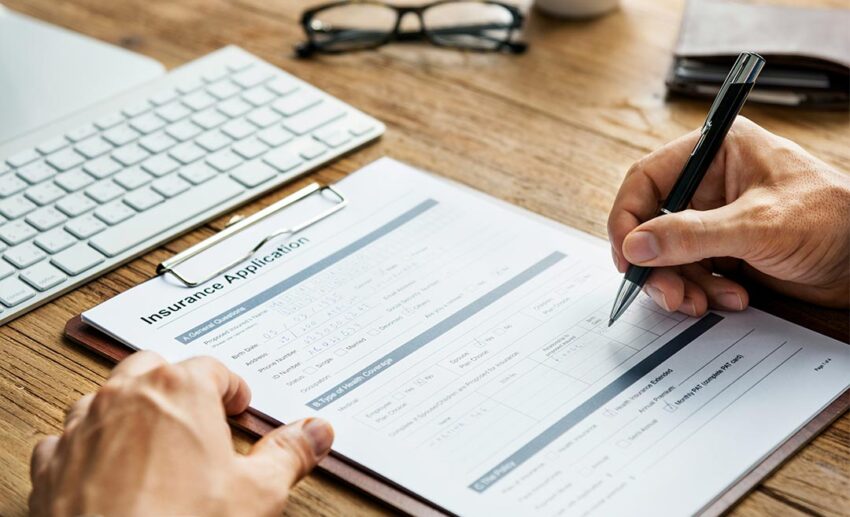
Medical emergencies, flight delays, theft; choose coverage that includes 24/7 support and adventure activities (mine even covers damage to my surfboard). Store that emergency number in your phone, cloud, and travel notebook.
6. Medication, period products & personal health

Pack enough medication for your entire trip, plus your preferred period products (I use a menstrual cup, which has been life-changing). Bring painkillers, antihistamines, motion sickness pills, antibiotic cream, and anti-itch gel. Mosquitoes love me, so I never travel without Fenistil.
7. Tech that actually works
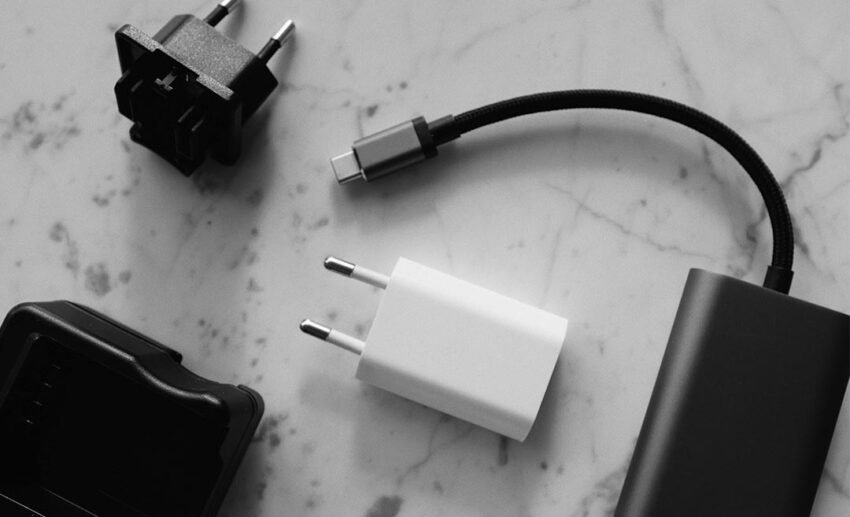
Get a universal adapter, an extra phone charger, and a portable power bank. Your phone is your lifeline for maps, rides, contacts, and emergencies. Consider a backup phone for long-term or off-grid adventures.
8. Connection
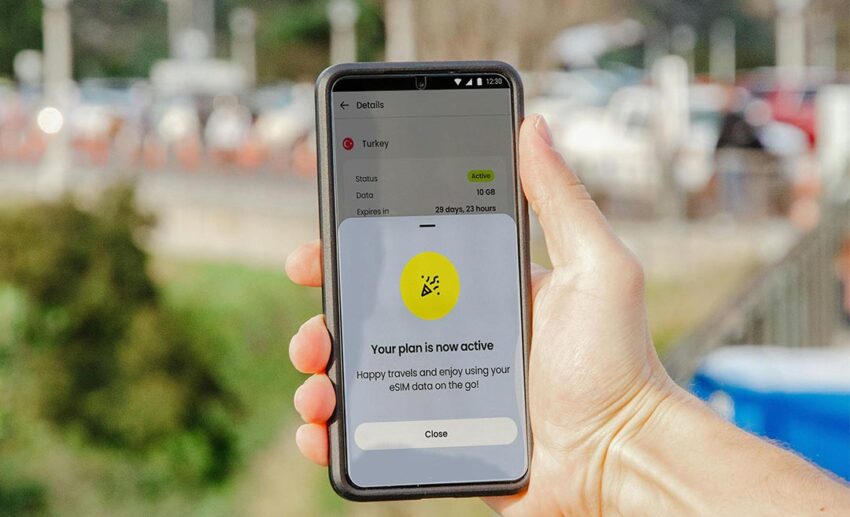
Do some digging into the best connectivity options. Are you going to need a local SIM, an eSIM, or does your current telco offer roaming plans? Download offline Google Maps before you leave. The number of times this has saved my butt is immeasurable.
9. Local transport
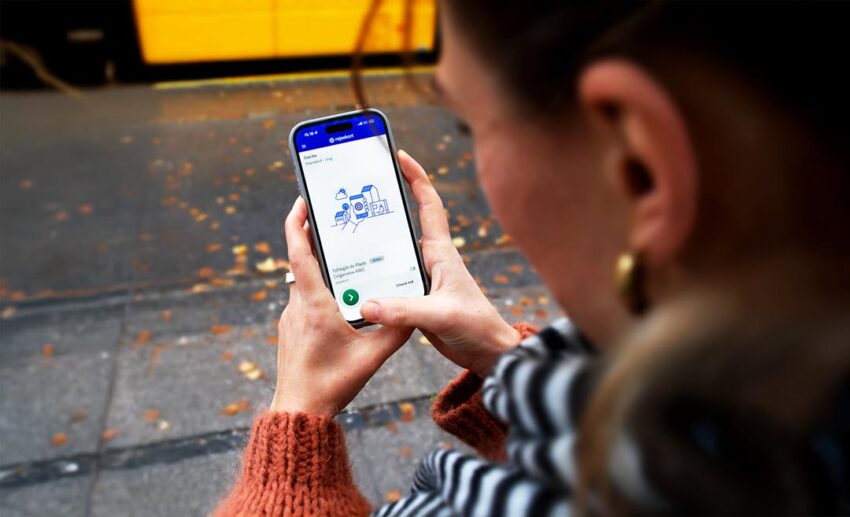
Not everywhere has Grab or Uber! Research public transport options and local transport apps and/or cards used. Heading to Denmark? The rejsekort app is a game-changer. It’ll charge according to where you’ve hopped on and off, no matter if it’s a bus or a train.
Be sure to figure out airport transfers as well.
10. Cloud backups
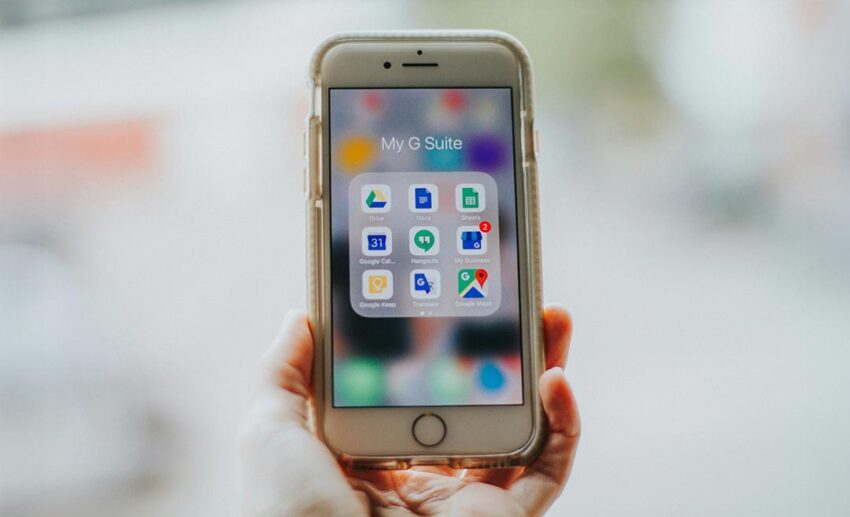
Store your itinerary, passport and document scans, insurance, emergency contacts, accommodation deets, and embassy info in Google Drive or similar. Share access with someone trusted back home.
‘The sparkle’
11. Research, bookmark & go with the flow
Looking for budget wins? Think: Free walking tours, supermarket bargains, apps like Too Good To Go, community spaces for cheap neighbourhood saunas, etc. Here are some budgeting tips to get you started.
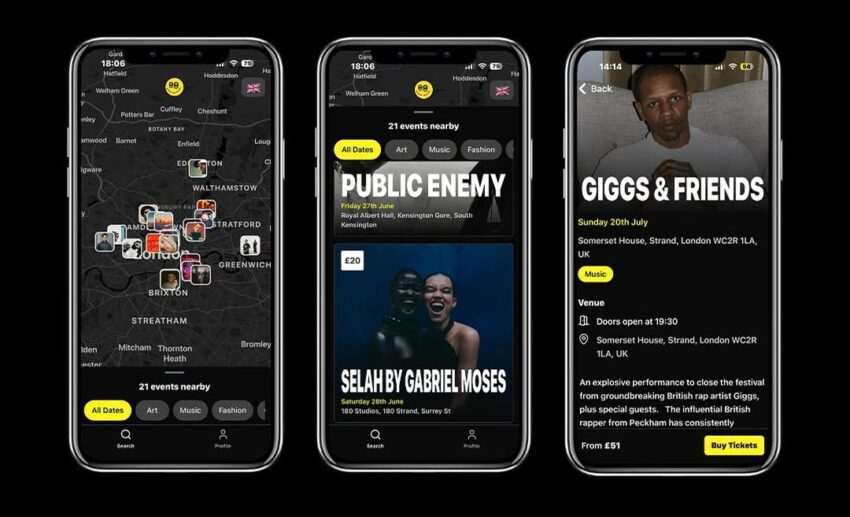
Have a love for the arts? Check Spotify, Resident Advisor, and ticketing sites like Eventbrite and DICE for the local music and art scene. See if there are festivals, DJ nights, open mics, live jam sessions, etc., for the dates you’ll be there. I recently discovered London’s Buzz app for creative events, which is a brilliant concept.
Remember, not every day will be Insta-perfect, but some of the best travel experiences happen when plans derail. Take it easy, stay flexi, and leave space for detours and slow days.
12. Pre-book high-priority activities & safe stays

Museums, tours, restaurants, train/bus tickets—some things can’t be winged. Pre-book tickets and make reservations to avoid disappointment. E.g. the Ghibli Museum in Tokyo requires you to book well in advance.
As for safe stays, choose accommodations with strong solo female traveller reviews and 24/7 reception. Message your hotel or host to confirm arrival and ask about late check-ins.
13. Other little deets
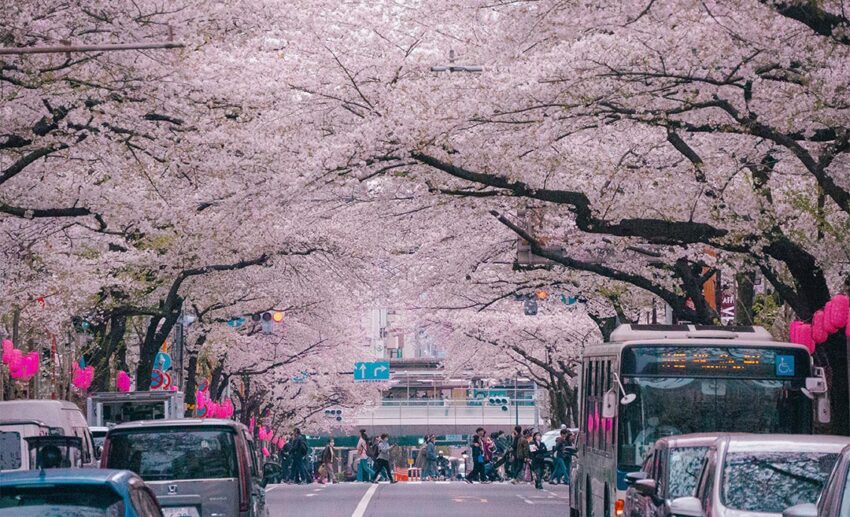
Take note of peak seasons (Japan’s Sakura), weather (rainy seasons), insect swarms (Scotland’s notorious midges), and cultural norms/customs/local dress codes (especially for conservative countries). Having this information will help you decide the best time to go, how you can be prepared, and how to be respectful.
Tip: A lightweight scarf is your best friend. It can be used as a head covering, sarong, temple wrap, beach towel, or a warmth layer.
‘The cliché but important’
These go without saying, but if you haven’t already read it a gazillion times before…
14. Pack smart
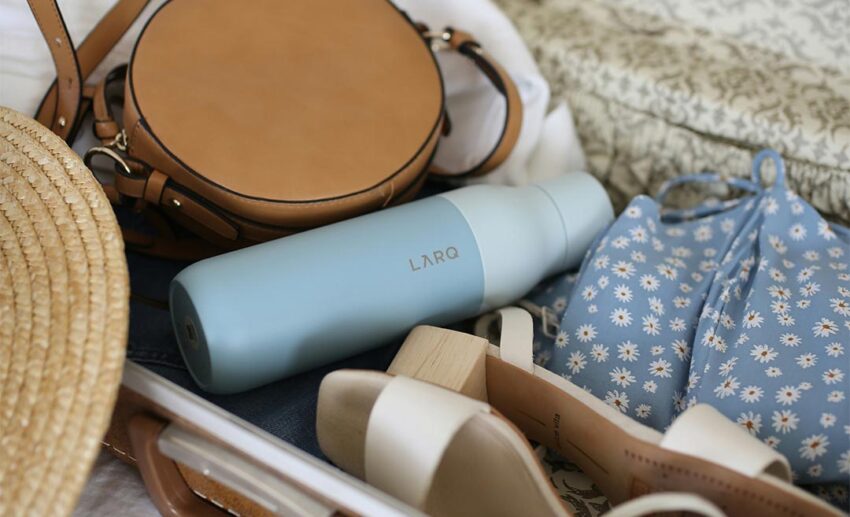
The number of times I’ve overpacked and regretted it is a farce. Over the years, I’ve learned to bring:
- Lightweight, mix-and-match clothes that hand wash and dry easily
- Comfy shoes (!!!)
- Crossbody anti-theft bag
- Collapsible water bottle
- Daypack for adventures
- Microfibre towel
- Dirty laundry bag
- Neck pillow, earplugs, sleep mask
- Whistle or doorstop alarm
- eReader > physical books
Learn how to avoid packing pitfalls here.
15. Safety first
- Share your route/plans with someone
- Avoid solo night walks in unfamiliar areas
- Stay alert (be prepared, not paranoid)
- Trust your gut
Tip: Apps like bSafe, GeoSure, and Noonlight are on the rise, boosting confidence and safety. Use Google Maps or WhatsApp location sharing to let people track you.
Check our guide for navigating the dos and don’ts of solo travel for a safer and more fulfilling adventure.