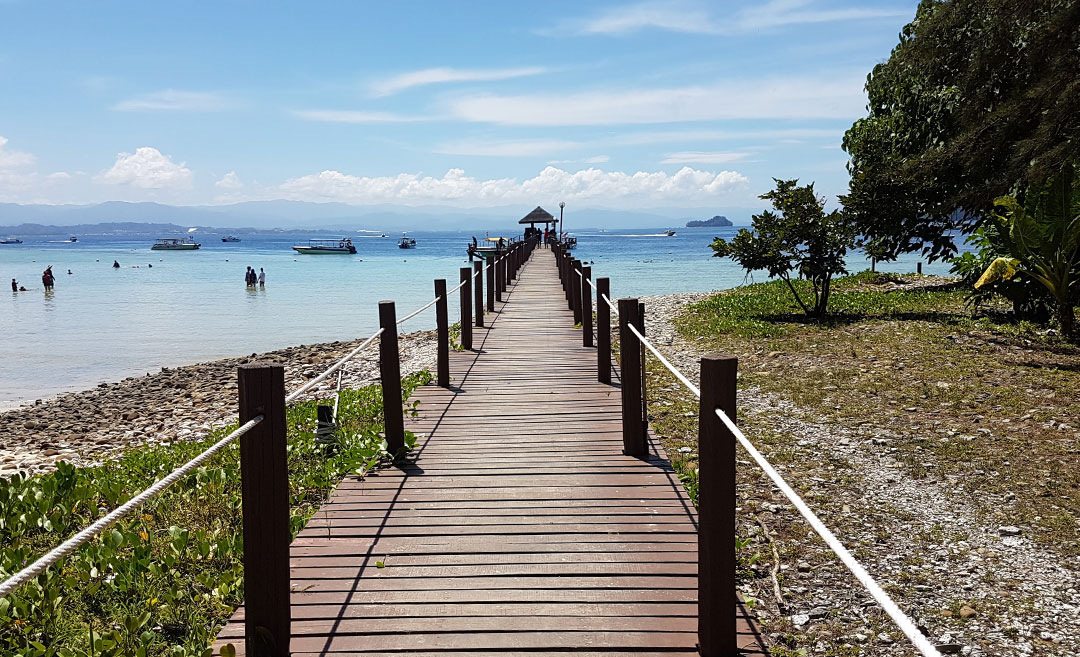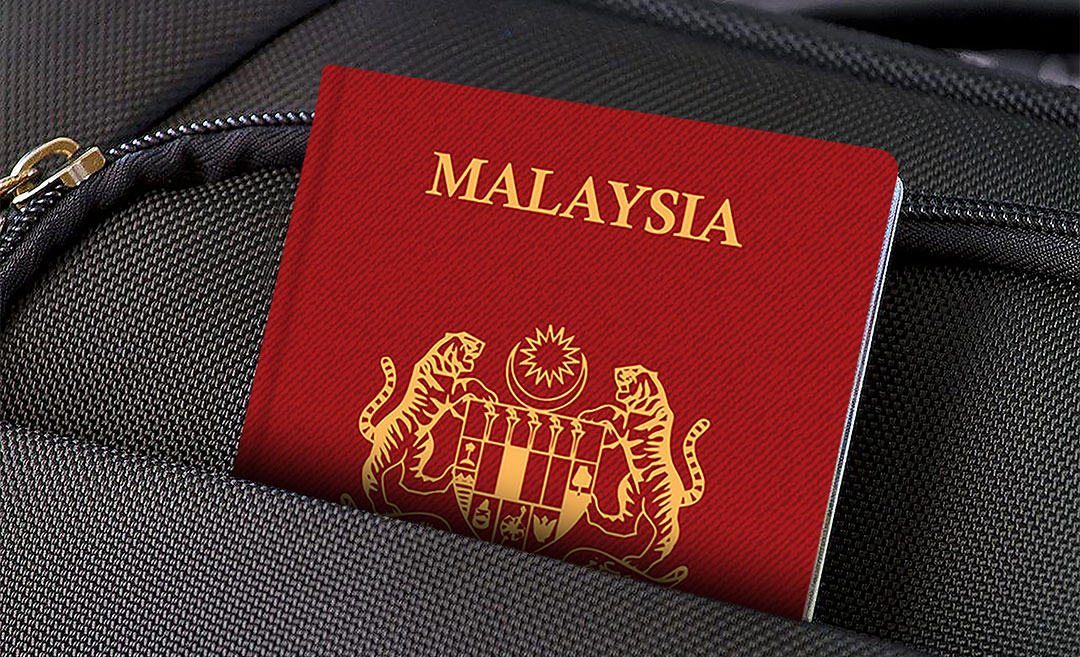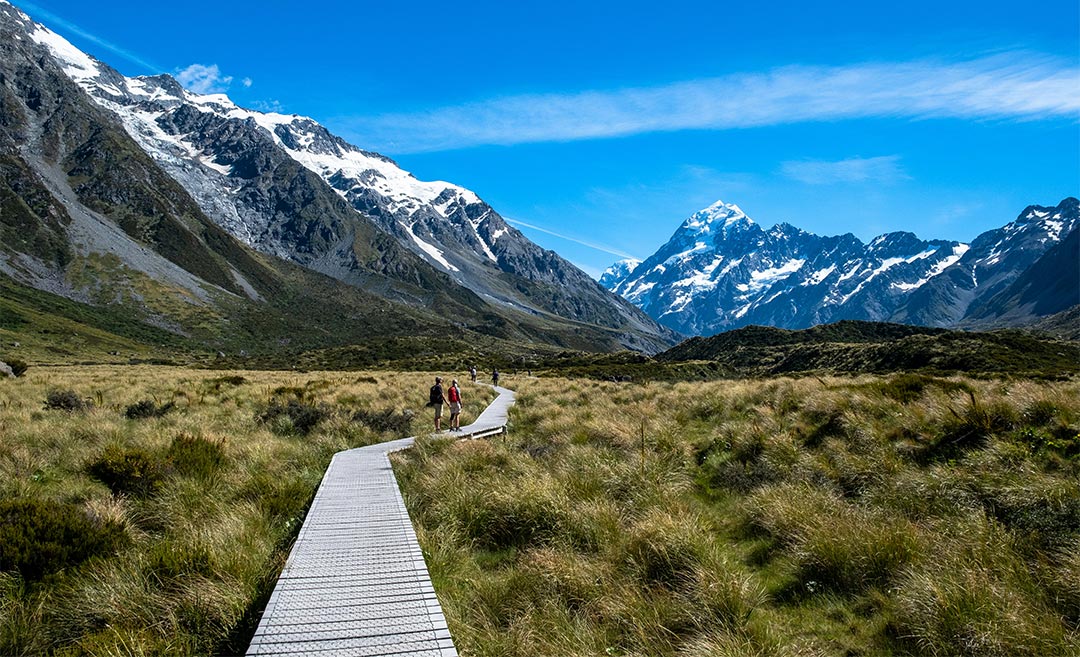
Embracing long-term travel begins with choosing paths that stretch your boundaries and allow you to explore the world at a completely different, more intentional pace. (Image by Klanarong Chitmung)
Travel is undoubtedly becoming more ingrained in our modern-day lifestyle. Being the generation raised by Samantha Brown, Janet Hsieh, and Anthony Bourdain, there is an unwavering desire to see the world and connect with different cultures.
Whether you’re planning an extended trip abroad, hoping to work and travel in New Zealand or exploring opportunities to live overseas temporarily, there are several visa options worth considering. Whatever your plans may be, here are a few visas that could help you get started on your journey.
1. Tourist visa or visa-free entry
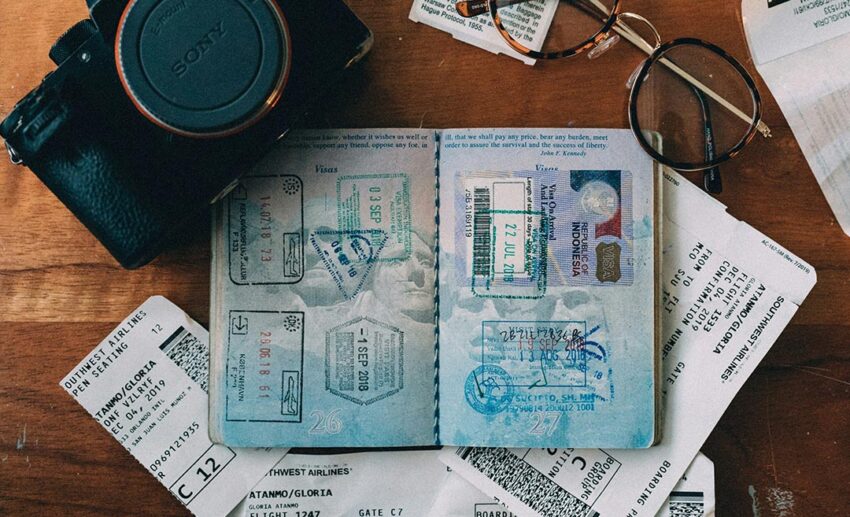
For those who plan on travelling for no longer than a couple of months, or more specifically, up to 90 days, you may not need to go through the tedious process of applying for a specific visa. Most tourist visas allow you to stay for between 14 and 90 days, depending on your passport. Some countries, such as Canada and the United States, allow visitors to stay for up to six months (180 days) per entry with a valid visa. This is a good option for travellers who want to take an extended holiday with family or explore a destination at a slower pace.
Your passport may also allow you to travel to certain countries without a visa, provided it remains valid for at least six months beyond your travel dates, and you can show proof of onward or return travel. Tourists are still generally restricted to stays of between 30 and 90 days in most countries, so plan accordingly to avoid overstaying.
2. Digital nomad visa

The digital nomad visa may appeal to freelancers, entrepreneurs and remote workers, as it allows you to work and live abroad legally for a set period of time. Unlike a standard tourist visa, it enables you to continue earning an income while travelling. These visas typically range from six to 24 months, with some offering renewal options, although this varies by destination. As digital nomad visas are relatively new in many countries, requirements and application processes can change frequently, so be sure to research the latest regulations before applying.
3. Working holiday visa

Many travellers may already be familiar with the Working Holiday Visa, which enables young people aged 18 to 30 or 35 (depending on nationality) to work and travel abroad for between one and three years. It is important to note that this differs from a digital nomad visa. While a digital nomad visa allows you to work remotely for your current employer or business, a Working Holiday Visa permits you to enter the local workforce legally.
This allows travellers to support themselves financially through short-term or seasonal employment while exploring a new country. It is particularly appealing to young adults seeking cultural immersion, overseas work experience and the opportunity to live abroad independently.
4. Short-term study visa or visitor pass

If you’re undertaking a short language course, internship or educational workshop, you may be eligible for a short-term study visa or visitor pass. The rules and requirements vary from country to country, so thorough research is essential before applying.
These visas differ from standard student visas and generally allow you to enrol in an educational or professional programme lasting anywhere from a few weeks to several months. They are not intended for those planning to pursue a full degree programme abroad.
What to do before applying for a visa

Apply through reputable sources and official sites
To avoid scams, apply through official government websites whenever possible. While some visa agents and consultants are legitimate, not all are reputable, and using them may come with additional risks.
Do not book your flight before applying for your visa unless necessary
Some visas can take weeks or even months to process. Begin your application early before making any non-refundable travel arrangements. If proof of onward travel is required, consider booking a refundable ticket where possible.
Have all necessary documents ready
Apart from completing the application forms, most visas require supporting documents such as a valid passport, proof of income or financial means, medical examinations, background checks and, in some cases, proof of onward or return travel. Requirements vary depending on your nationality, visa type and destination.
Account for contingencies
Staying abroad for an extended period requires careful planning and preparation. Consider travel insurance that covers your priorities, including healthcare, accidents and lost belongings. Most importantly, do not overstay your visa or violate its conditions, as doing so may result in fines or future travel restrictions.