Southeast Asia’s scammers have upgraded their tactics. Here’s a field-tested guide so your trip stays story-worthy for the right reasons. (Image by Kevin Lehtla.)
Southeast Asia is magnetic: food that ruins you for anything less, landscapes that look AI-generated (except they’re real), and cultures that pull you in. It’s also, like every popular destination, home to scams that target distracted travellers.
The good news is that most are easy to dodge once you know how they work now, not how they worked five years ago. Below is a quick primer on the most common 2025-era scams, with specific country notes and tips you can actually use on the road.
1. The “official” taxi that isn’t
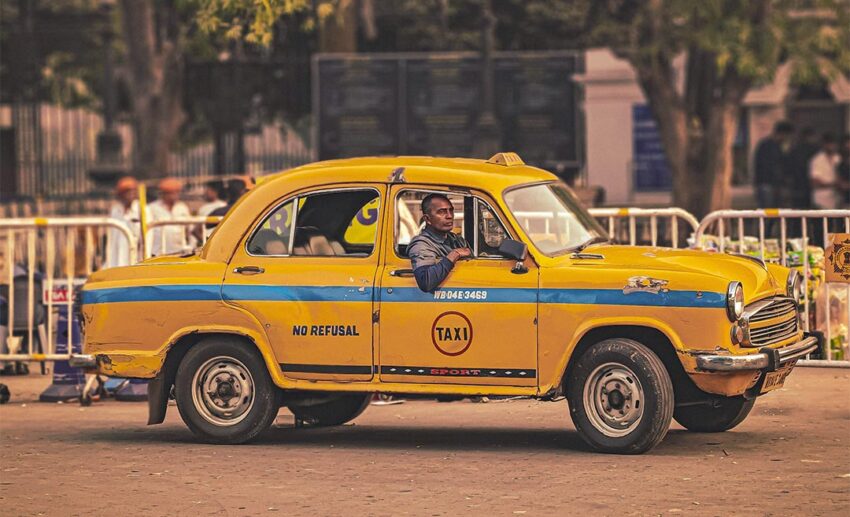
The scam: After you land, you’re steered to an unlicensed taxi that won’t turn on the meter and later detours to ATMs. In Vietnam, authorities have flagged cases of fake drivers at Hanoi’s airport coercing withdrawals. Bali is also another destination that is rife with such scams.
How to beat it: Arrange airport pickup through your hotel or use the official taxi queue; confirm driver name and license plate before getting in. The safest way to go is downloading e-hailing apps in advance, but be sure to match the license plate, car model, and driver photo. No match, no ride.
2. Money change “magic” & ATM skimming
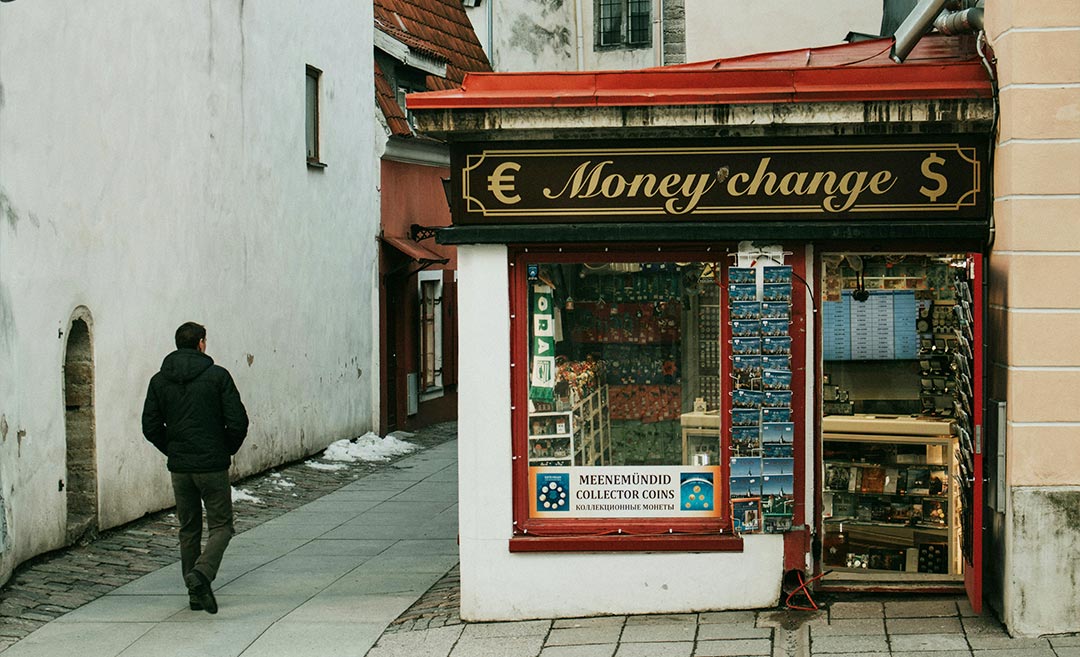
The scam: Speaking of the Island of Gods, unauthorised money changers in Bali and elsewhere dangle stellar rates, then short-change you with a sleight of hand. ATMs placed on streets (or ATMs with suspicious faceplates) may be rigged with card skimmers. Both of these scams remain active in 2024–2025, according to Smarttraveller.
How to beat it: Use ATMs in banks or those inside malls, shield your PIN, and tug the card slots before inserting your card. In Indonesia, licensed money changers display a Bank Indonesia logo and a QR code you can scan to verify the business. If it’s missing (or if the QR opens something dodgy), walk away. Always count your cash before leaving the counter.
3. QR code traps (Restaurants, parking, “donations”)
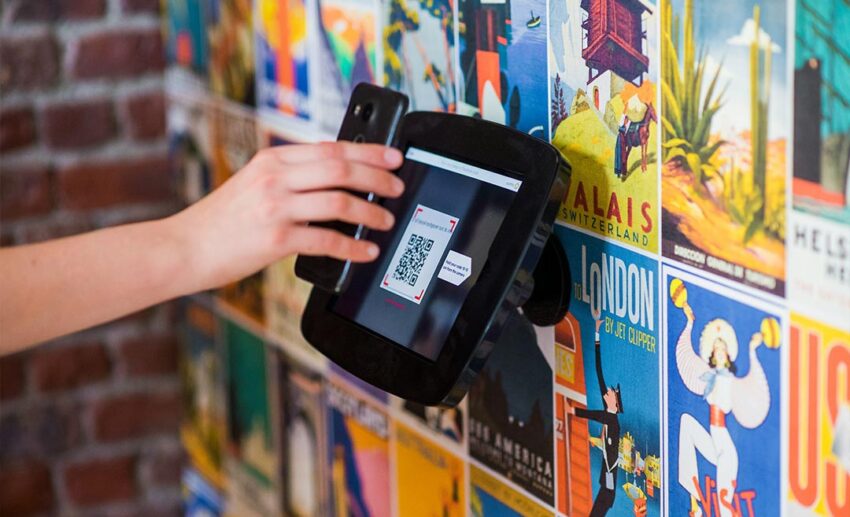
The scam: “Scan to pay” signs at cafes, parking lots, or tourist sites are easy to fake. Swapped codes reroute payments to a scammer’s account; QR phishing can also land you on malware sites. Governments now explicitly warn about QR scams. By the way, this scam is not limited only to Southeast Asia—it’s reached as far as London!
How to beat it: This feels like a no-brainer, but never scan random codes on tables, posters, or tip jars. Ask staff to present the merchant code on their device or pay at the counter. On your phone, use “tap-to-pay” (NFC) with verified terminals, avoid installing apps from QR codes, and only use legit apps from your respective App Store.
4. Vehicle rental damage & passport hostage
The scam: You rent a scooter or car and return with a “new” scratch that triggers an inflated “repair” bill. Sometimes, they pressure you with a passport they insisted on holding. We have personally been a victim of this, and the entire experience can leave you traumatised (and with less money than you had before). While we’ve never given our passports as collateral, we have been coerced into paying.
How to beat it: Refuse any rental that demands your passport. Use a photocopy and a cash/card deposit only. Always, always, film a 360° walkaround of the vehicle (body, rims, undercarriage) before leaving. Also, ensure your travel insurance covers motorbike hire if you plan to ride; some policies require a valid license/helmet or exclude scooters altogether.
5. Closed temple, gem scam & other classic Bangkok frauds

The scam: Near landmarks like the Grand Palace in Bangkok, a polite local tells you the site is closed on that day. They then direct you to a tuk-tuk tour that ends at a gem or tailor shop with high-pressure sales. This storyline keeps resurfacing throughout the years, and pickpocket teams often work nearby. Thai advisories continue to flag card fraud, ATM skimming, and theft around tourist zones.
How to beat it: Check opening hours on official websites or at the gate; major temples rarely “suddenly close”. Decline unsolicited tour offers, even if the price is comically cheap.
6. “Your booking has a problem” (Fake links & lookalike sites)
The scam: A message from “your hotel/airline/tour operator” says your card failed or your booking is invalid, and proceeds to urge you to click on a link to rectify the issue. The surge in AI-built clone sites makes this scam widespread globally, and it certainly includes Southeast Asia’s busiest routes.
How to beat it: Don’t ever click. Contact your provider via the app or the official website you used to book. Another trick? Pay with a credit card (not debit) for stronger dispute rights.
7. Nightlife bill padding
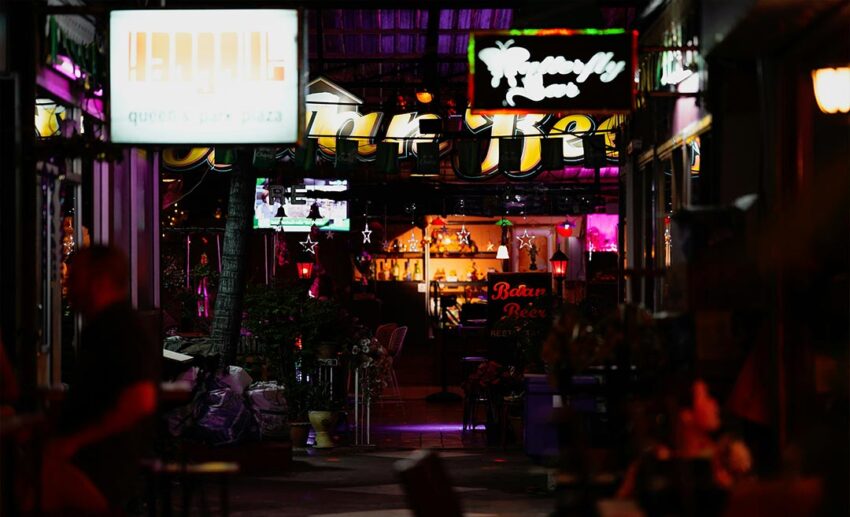
The scam: Again, this is another scam we’ve fallen victim to in Thailand. Someone friendly leads you to a venue with a so-called promotion, and the drinks keep coming. The final bill balloons with added fees for “service” or a “show” you never saw. Variations of this happen across Bangkok, Phuket, Pattaya, and other major cities. Local advisories also warn about drink spiking in nightlife zones.
How to beat it: Ask for a physical menu with prices, order at the bar, and keep your tab. Watch your drink being poured and keep it with you. If you have to leave it, ensure someone you really trust is watching over your beverage. If a bill encounter turns hostile, call your embassy’s emergency number or local tourist police.
8. Unlicensed tours & too-good day trips
The scam: We’ve seen it all over social media—“tour agencies” on the street bring you to floating markets or island hops, running on unsafe boats, skipping promised stops, or vanishing after payment. Government sites warn about scams and consumer protections, especially where transport and adventure activities are involved.
How to beat it: Always book through your hotel, a well-reviewed operator, or the official site of the attraction. Whenever boats are involved, take safety precautions: check for life jackets and capacity plaques. If they lack these basic things, then do not board.
Simple tips that work everywhere you go
- Go official: Use bank ATMs, licensed money exchangers, hotel-vetted tours, and in-app e-hailing ride features (license plate/photo match).
- Guard your passport: Carry a digital copy; avoid handing it to rentals or “officials” on the street.
- Pay wisely: Use Tap-to-Pay or chip where possible; keep the card in sight; credit over debit for dispute rights.
- Think before you scan: Treat public QR codes like strangers on the internet. Verify at the counter, or don’t scan.
- Trust your gut: Unsolicited help, unbelievable deals, and pressure to move NOW: all green flags to say “No, thanks” and walk away.
Regardless of all the scams listed above, we want to highlight that Southeast Asia still remains one of the easiest places to travel. Danger is everywhere, and yes, petty scams are prevalent in this part of the world, but it doesn’t negate the fact that it’s still a beautiful region to explore. All you need to do is play a little defence, trust your gut, and be smart in mitigating any unforeseen troubles.