Malaysia’s fading traditions endure through workshops and immersive cultural experiences that still allow travellers to learn firsthand. (Left image by Jaya. Right image by Aleksej.)
Amid modern inventions and on-demand entertainment that are now synonymous with our daily lives, local traditions that once shaped the fabric of older Malaysian communities now linger quietly in the margins of Malaysia’s story. Our generation’s demand for everything to be instantaneous and often cheap has gradually eroded heritage practices such as keris-making and wayang kulit.
For decades, these traditional Malaysian crafts and rituals have stood the test of time by being passed down from one generation to the next. However, with fading interest among the younger generation and, in some cases, reluctance from older practitioners due to financial insecurity, these artisan skills are slowly disappearing. In short, most people now have to actively seek out these precious crafts for a chance to experience them firsthand.
While our country still has plenty of traditions, we’ve compiled a select few where travellers and culture seekers can still find opportunities to learn directly from master artisans through hands-on workshops and immersive heritage experiences across Malaysia. Below is a curated list of disappearing traditions — and the places where you can experience, learn, and help sustain them.
1. Keris-making
Best places to experience it: Perak, Melaka
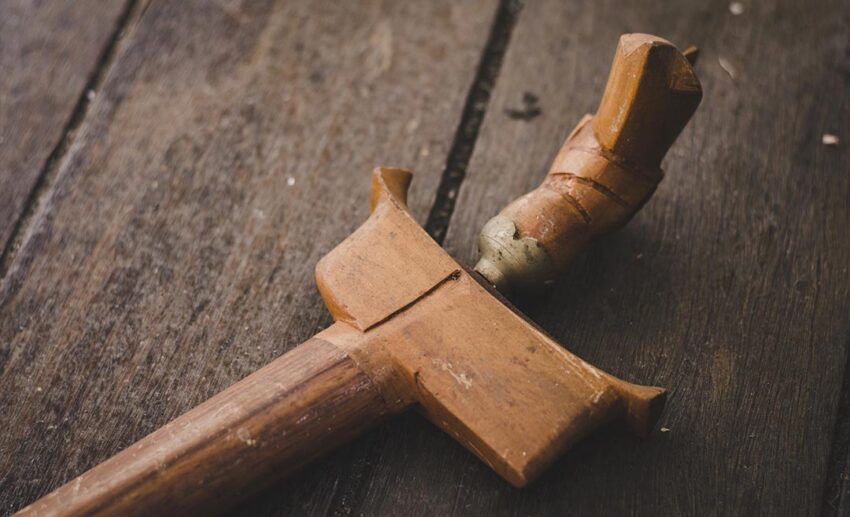
Stories about the asymmetrical blade, intertwined with mystical powers and wielded by legendary warriors such as Hang Tuah, remain popular in Malaysian folklore. Today, however, the revered weapon is more frequently used as an accessory for special occasions or kept as a collectable. This is why you may have seen it tucked neatly into the front of a groom’s sampin at traditional Malay weddings, or encased and displayed proudly on a living room wall.
The painstaking craftsmanship of the traditional keris now exists in relative scarcity, though many local markets do offer smaller and safer-to-handle variations of this intricate craft. These variations include keychains and even framed displays that have a stingray’s barb in place of the metal blade.
For anyone looking for an introduction to the craft, Jaya Mata Knife Gallery in Melaka offers a hands-on 30-minute keris-making experience where you can learn to hammer pewter and create your own custom dagger. For authenticity seekers, Abdul Mazin (Pak Mazin) offers an extensive look into the keris beyond its history. A fourth-generation keris-maker and master blacksmith, Pak Mazin conducts a 2-hour workshop that takes you through the multi-day process of forging, shaping, and tempering metal.
Jaya Mata Malaysia Knife Gallery
106, Jalan Tokong, Kampung Tiga (Jonker Walk)
Abdul Mazin Keris
No 66, kampung Padang Changkat
2. Rattan-weaving
Best places to experience it: Penang, Sabah
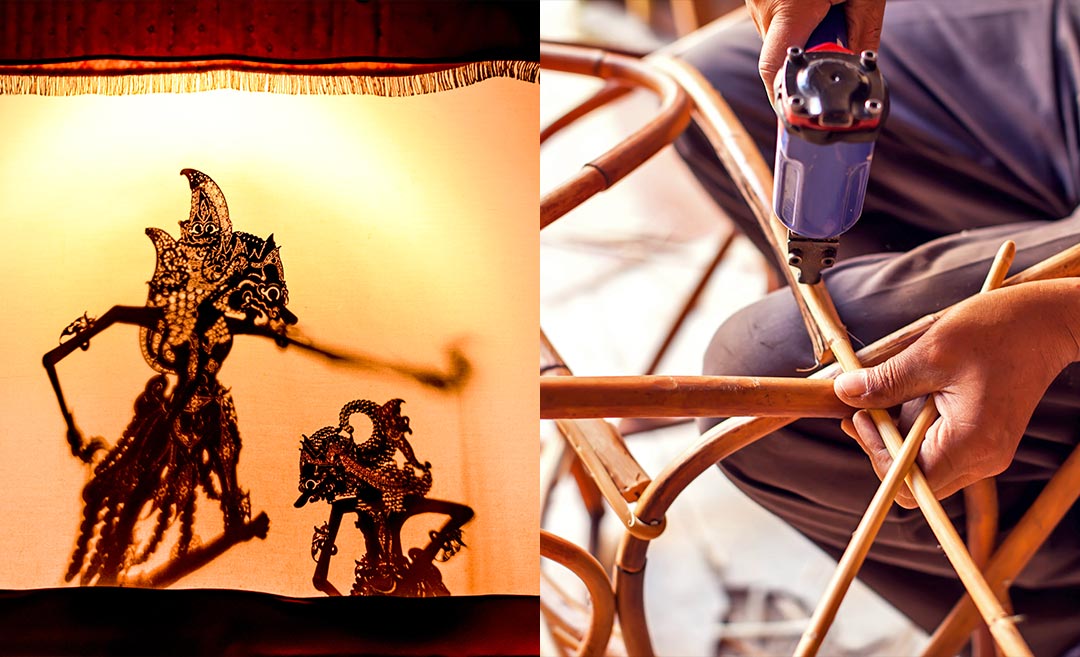
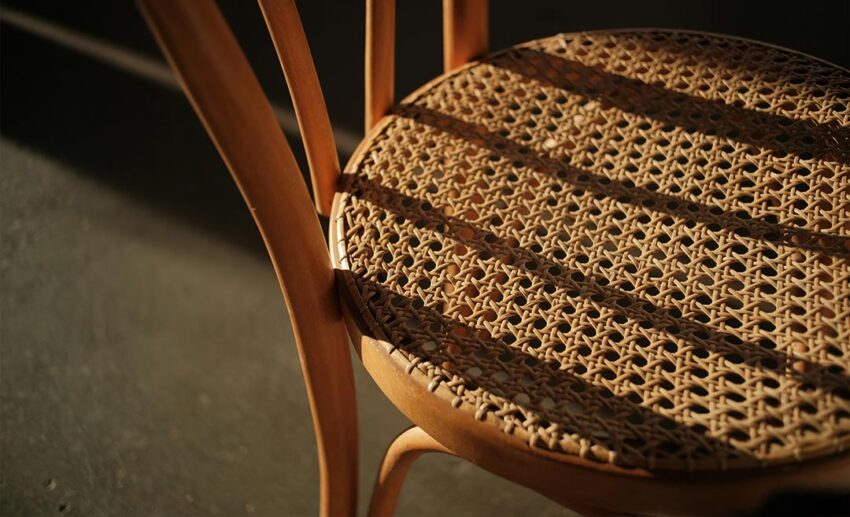
Rattan items are not exactly a foreign concept in modern times. In fact, you could even find them in giant furniture stores such as IKEA in the form of lamp shades and chairs. However, it is undeniable that they used to be so much more common in our daily surroundings, whether as mats in our grandparents’ homes or cosy chairs in local libraries. Even rarer today are woven rattan pieces that are traditionally handmade by local artisans.
Modern reimaginations of old traditions are always nice to keep the craft alive, but it is just as important to preserve the uniquely local rattan-weaving tradition itself within modern communities. Like other forms of art, even something as small as a weaving technique can be vital to the local identity of the craft.
For a look into one enduring legacy of local rattan-weaving, a visit to Penang is necessary. The Sim family, who have operated their rattan and bamboo shop in George Town since 1957, offers not only finished products for purchase but also rattan repair services and workshops. Across the South China Sea, sculptor and crafter Ayue Juman leads workshops at spaces such as Ruang Tamu Ekosistem.
Seang Hin Leong Rattan & Bamboo Crafts
393, Lebuh Pantai
Ruang Tamu Ekosistem
Lot 63, Block K, 1st Floor, Lorong Plaza Utama, Alamesra
3. Nyonya beadwork
Best place to experience it: Melaka
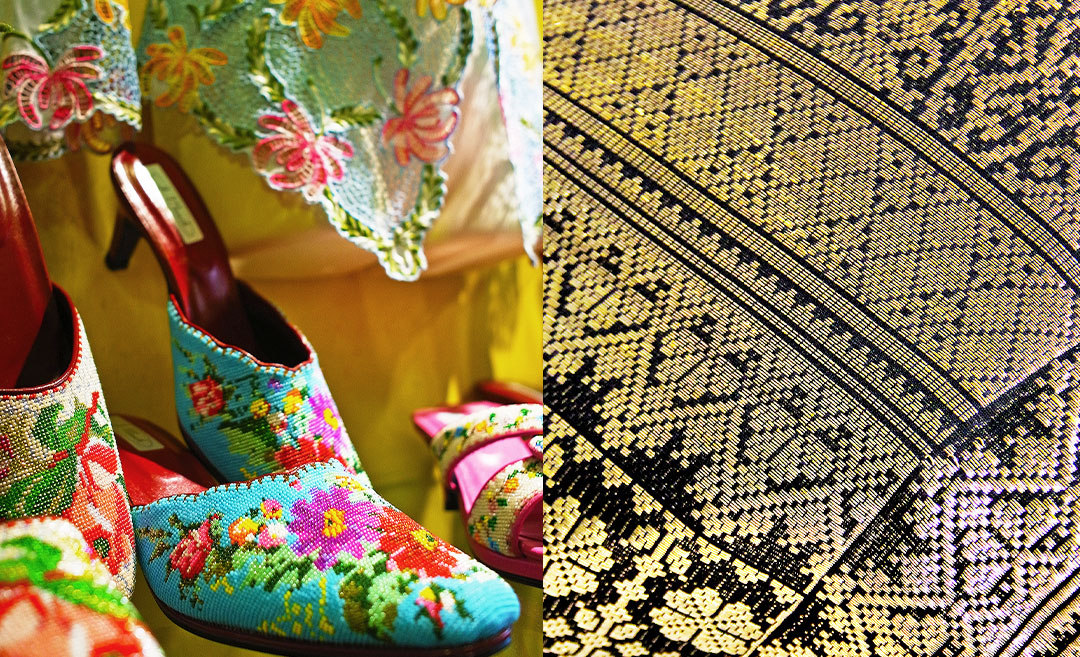
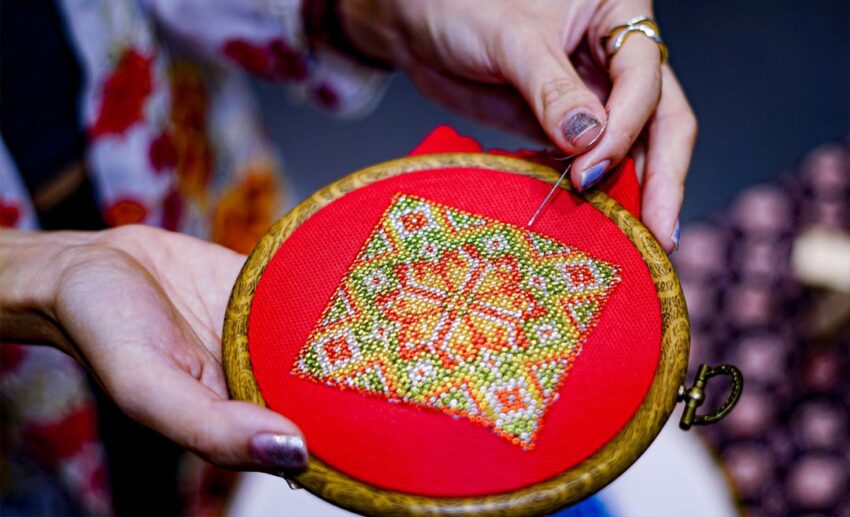
Walking along the Straits of Melaka, you have most likely spotted quaint shops displaying beaded shoes in glass cases alongside mannequins dressed in vibrant kebayas. This scenery captures the essence of Peranakan cultural artistry. The two make quite the outfit. The kebaya itself is an evergreen piece of textile art that has long captured the hearts of Malaysian women across different backgrounds. Nyonya beadwork, particularly beaded shoes, tends to receive less attention despite the intricate craftsmanship involved.
Due to the intricate process required to craft even a single pair of shoes, these pieces tend to be expensive, which may be one reason the tradition is quietly slipping past us. Appreciation for the craft, however, does not necessarily require owning a pair of these gorgeously beaded shoes.
Founded by Peranakan sisters Swee Lin and Swee May, ManekNya offers workshop sessions in Kuala Lumpur for basic beading and beaded shoemaking, allowing participants to take home their own handmade creations. In Melaka, visitors can also craft their own Nyonya beaded shoes with Manek Sayang.
ManekNya
8-01, Jalan Merdang Serai, Bangsar
Manek Sayang
84, Jalan Tun Tan Cheng Lock, Taman Kota Laksamana
4. Labu sayong
Best place to experience it: Perak
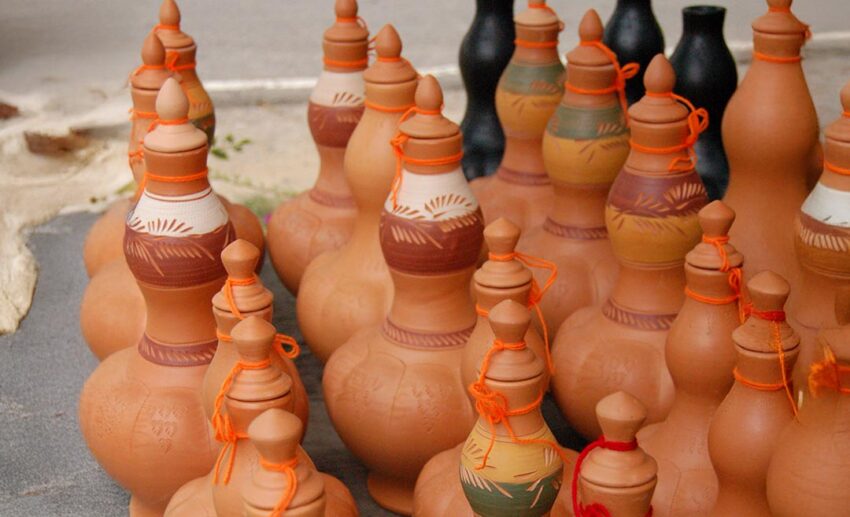
The bottle gourd–shaped water pitcher takes its name from Sayong, Perak, where the craft originated. Produced by residents of Kampung Kepala Bendang, the tradition of making this pottery art stems from the abundance of raw materials, such as clay found in the area. Once a common sight across Malaysia, labu sayong was prized for its ability to naturally keep drinking water cool. The continued invention of new types of pitchers and water bottles, including more durable metal tumblers, has unfortunately pushed this traditional function into obscurity.
Nevertheless, locals and tourists alike can still observe the making of these pitchers in several locations across Malaysia, as well as cultural centres such as the Labu Sayong Museum, where workshops are also offered.
Today, labu sayong has become more versatile. Instead of serving solely as a water container, some are crafted in sizes suitable for storing water for ablution (wuduk). They have also taken on decorative purposes as their practical role has declined, while still retaining strong aesthetic and cultural value within local communities.
Many centres now offer hands-on labu sayong workshops, allowing visitors to shape and decorate their own pottery under the guidance of local artisans.
Muzium Labu Sayong
117, Kampong Sayong, Kepala Bendang, Kuala Kangsar
KZ Kraf Labu Sayong
No 20, Kampung Kepala Bendang, Kuala Kangsar
5. Wayang kulit
Best places to experience it: Kelantan, Terengganu
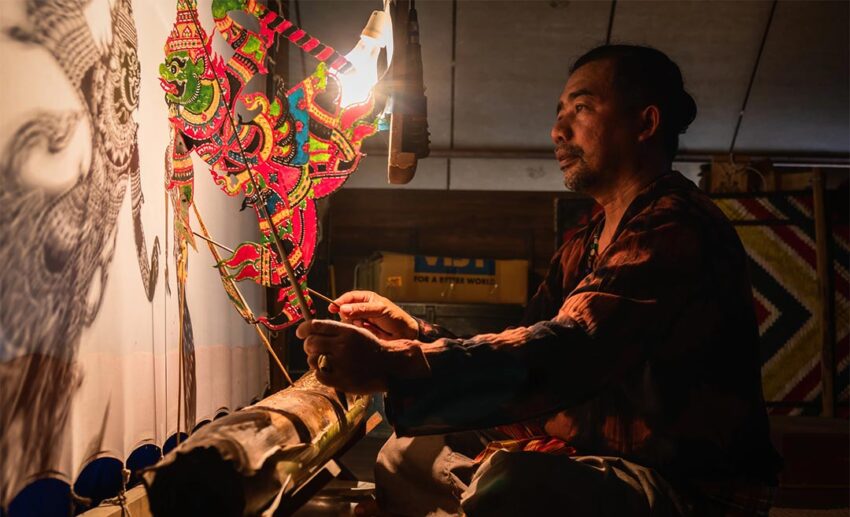
Wayang kulit, the traditional shadow puppet theatre, was once a cornerstone of storytelling in Malay communities. Every other night, village performances brought together legends, moral lessons, and folklore through the movements of intricately crafted leather puppets operated by skilled storytellers and puppeteers (tok dalang). Accompanied by rhythmic gamelan (a traditional percussion instrument) music, villagers gathered for both entertainment and communal lessons. Today, the art form is becoming increasingly rare, much like the craftsmanship behind the puppets themselves. Performances are now largely limited to cultural and heritage events.
Some cultural centres run puppet-making workshops that allow visitors to design and craft their own wayang kulit characters. One such venue is Gelanggang Seni in Kota Bharu, where free public performances are occasionally held. Visitors simply need to arrive at the right time to enjoy the show. Experiences such as shadow puppet making, however, often require a fee and are offered by institutions like the Kelantan Islamic Museum, where participants can create their own puppets as part of the learning process.
Fusion Wayang Kulit in Kuala Lumpur also conducts workshops on puppet-making and puppeteering. Additionally, Illya Sumanto’s all-female travelling troupe, Wayang Women, not only performs but occasionally leads introductory workshops on wayang kulit craftsmanship and storytelling from a women’s perspective.
Gelanggang Seni, Kelantan
Jalan Mahmood, Bandar Kota Bharu
Fusion Wayang Kulit
GM-3-29, GMBB KL, No 2, Jalan Robertson, Kuala Lumpur
Wayang Women