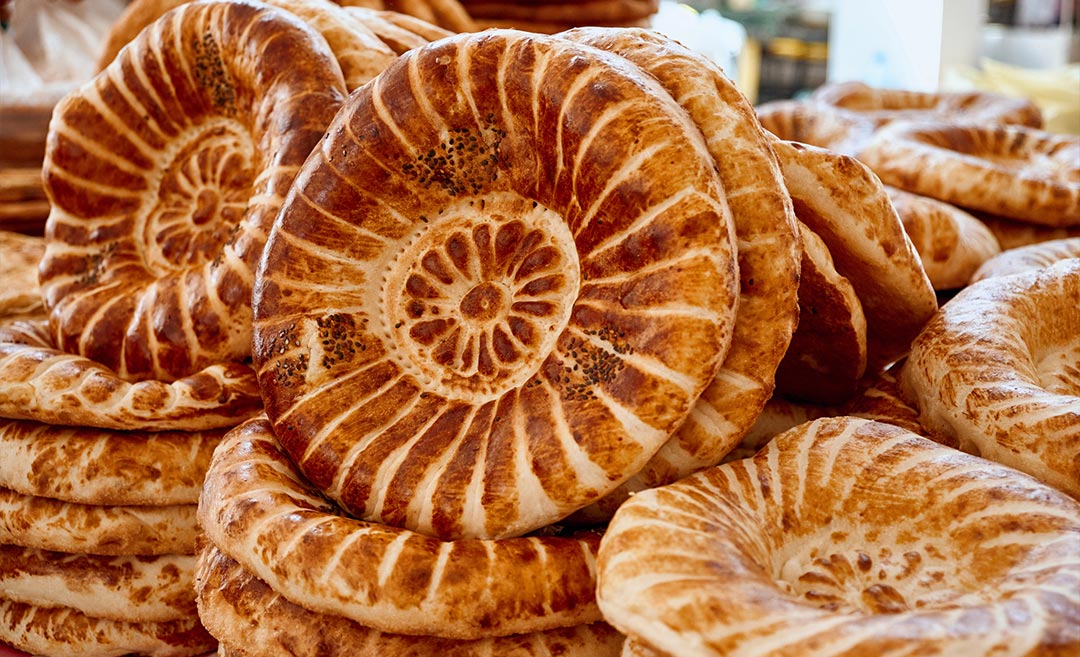
Travel across Türkiye to discover its oldest bread-making traditions, from archaeological finds to modern bakeries, that keep the country’s timeless flavours alive. (Image by glazunofoto)
Bread isn’t just food in Türkiye; it’s history you can taste. Long before the busy spice bazaars and grand Ottoman feasts, before kebabs and köfte became iconic dishes, olden communities in Anatolia were grinding grains, baking flatbreads, and creating recipes that have lasted for thousands of years.
Now, this timeless story is being rediscovered.
A new exploration into Türkiye’s bread heritage reveals something remarkable: some of the world’s earliest bread-making methods began here. Here’s how explorers (and foodies) can explore Türkiye’s ancient bread trail, from prehistoric loaves to hearths that still feed the country today.
The first loaves of Anatolia
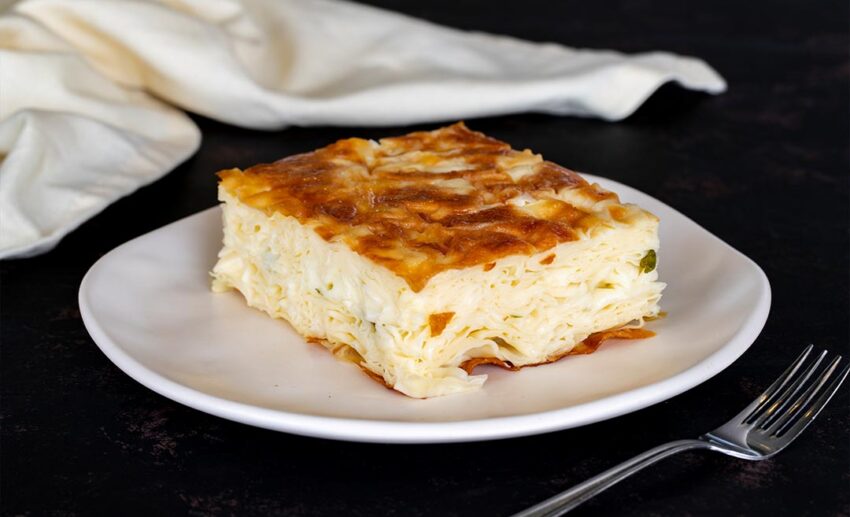
Borek with cheese (Image by enezselvi) 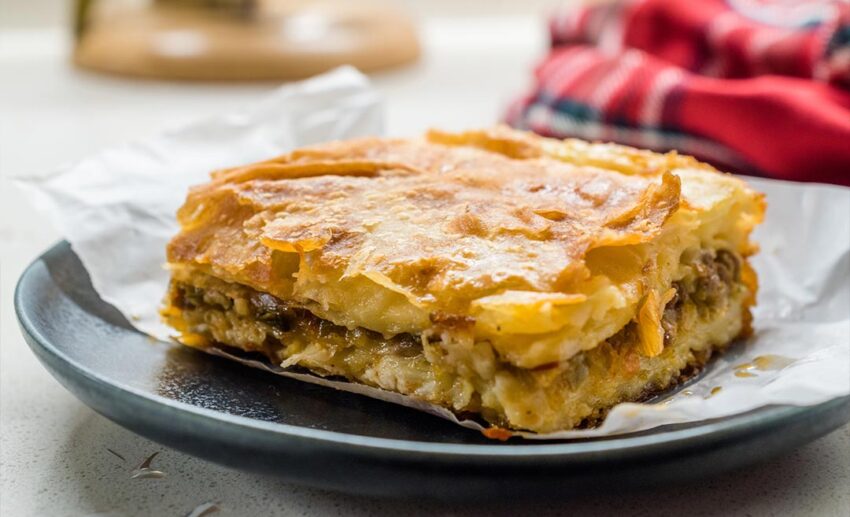
Borek with minced meat (IMage by Alp_Aksoy)
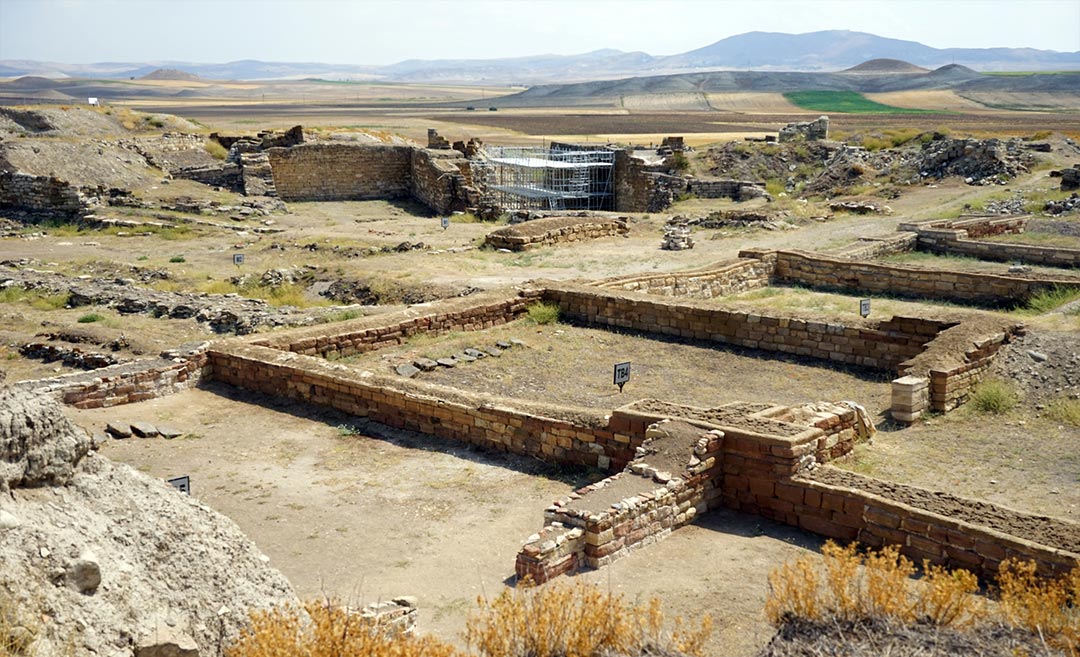
Türkiye’s bread culture is older than some civilisations. Archaeologists digging at Çatalhöyük—one of the oldest known settlements—found carbonised bread fragments that date back roughly 8,600 years. This offered insight into how grain influenced early human communities.
Visitors interested in history can visit sites like Çatalhöyük (Konya) or Göbekli Tepe (Şanlıurfa). These places tell the story of early agriculture, where bread was more than sustenance; it was ritual, identity, and innovation.
Today, Türkiye is known for its diverse cuisine, and each region has its own unique bread identity, shaped by climate, crops, and long-standing traditions passed down from village ovens.
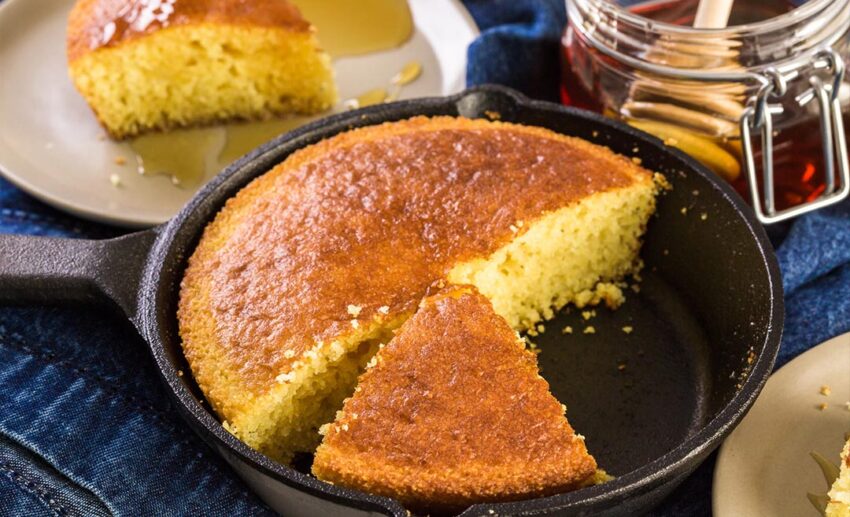
Cornbread (Image by urban_light) 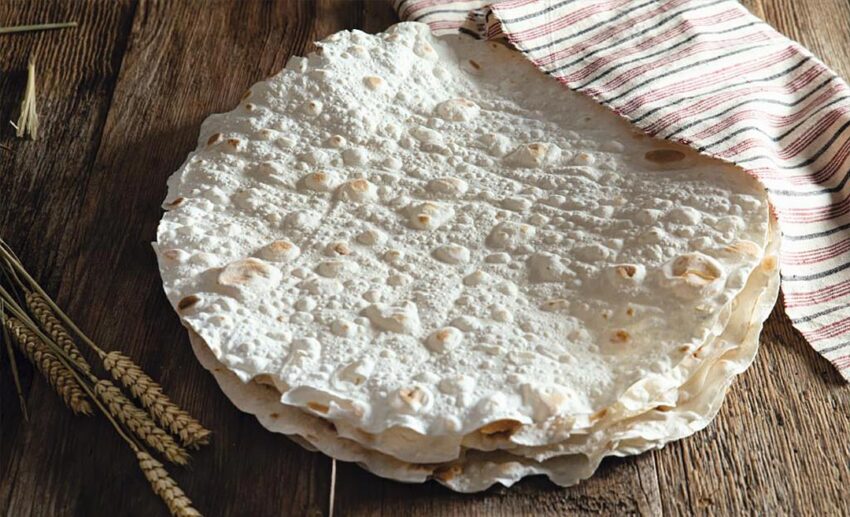
Yufta bread
Central Anatolia: The land of stone ovens
Picture hearty wheat fields and thick, rustic loaves like somun ekmeği and tandır ekmeği, baked in clay or stone ovens. Many small towns still use ancient tandır pits to make smoky, chewy flatbreads not found anywhere else.
Eastern Anatolia: Home of heritage grains
Kars and Van are famous for their use of heritage wheats, such as kavılca, a grain with a lineage spanning thousands of years. Bakeries in these areas produce dense, flavourful breads that pair perfectly with local cheeses and honey.
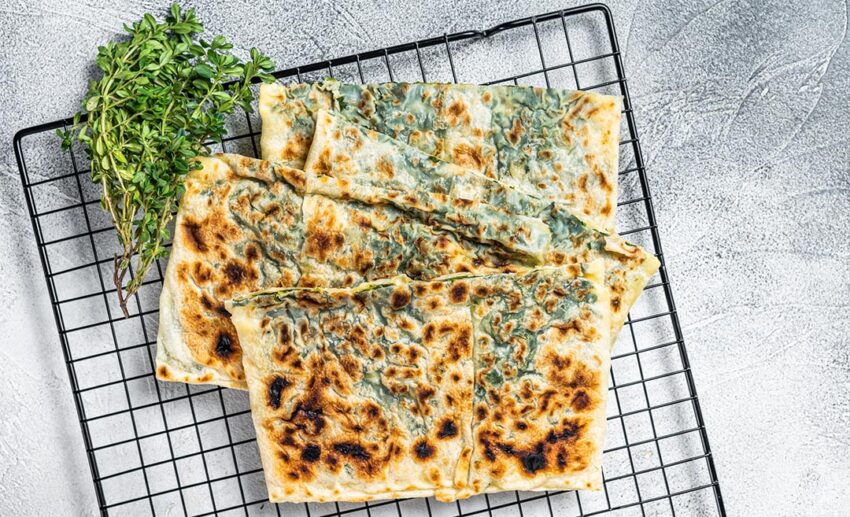
Gozleme with herbs (Image by [email protected]) 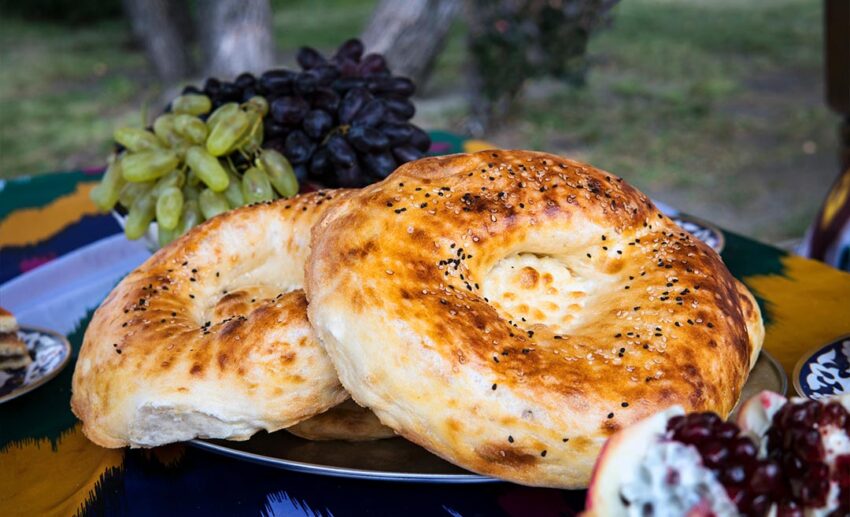
Tandir bread (Image by [email protected])
Black Sea Region: Cornbread culture
On the rain-soaked northern coast, wheat was once scarce, making cornbread the preferred choice. The region’s beloved mısır ekmeği is still baked in Black Sea kitchens, often served with butter, hamsi (anchovies), or steaming plates of kuymak.
Southeastern Türkiye: Bread as ceremony
This region features fragrant, intricately shaped breads like pide, lahmacun, and Turkish flatbread with nigella seeds. These breads are often connected to celebrations, religious days, or communal meals. For travellers who enjoy street food, this area is a treasure.
From ancient hearths to today’s artisan ovens
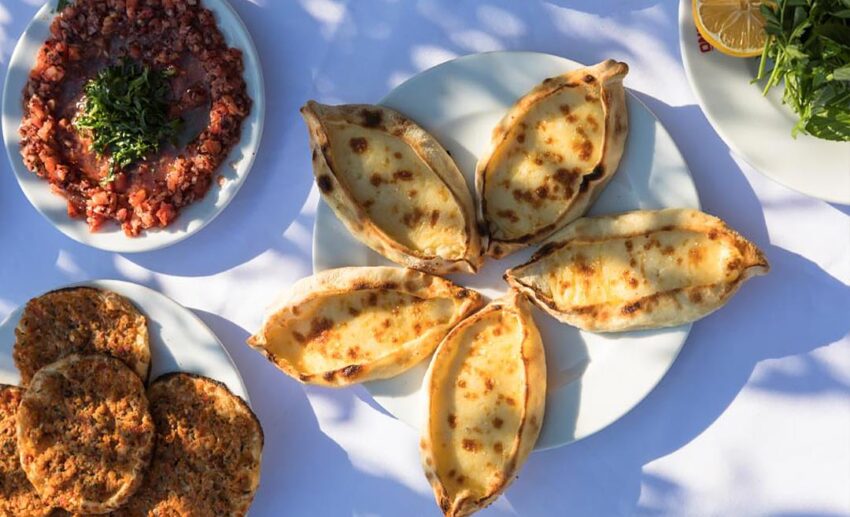
Cheese pide 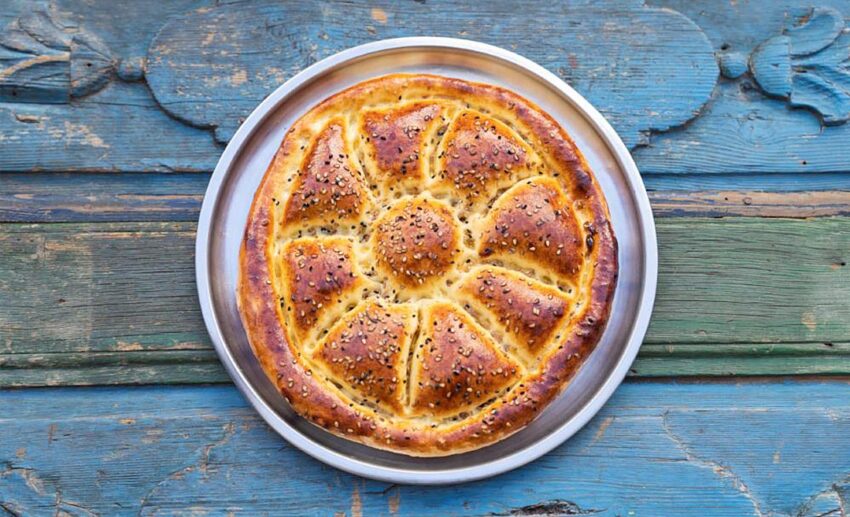
Ramadan pide
While Türkiye boasts a bread history spanning nearly nine millennia, today’s bakers infuse modern creativity into traditional techniques.
In Istanbul, Izmir, Ankara, and coastal towns, artisan bakeries are reviving forgotten grains, using wood-fired ovens, and adapting regional recipes for today’s tastes, like sourdough simit, black-seed flatbreads, rye-and-kavılca loaves, ancient-grain sourdoughs, and slow-fermented pide.
Many bakers work with local farmers to preserve seed diversity, turning every loaf into a celebration of Türkiye’s agricultural heritage.
Baked into the cultural language
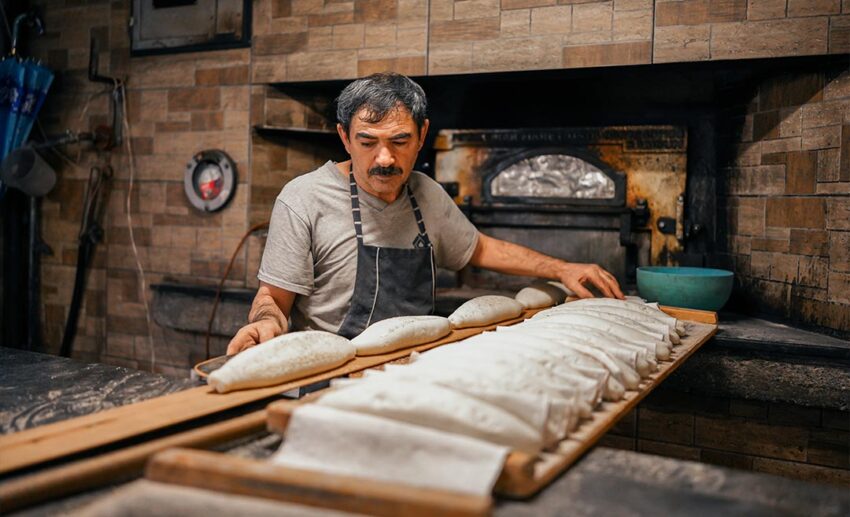
Image by Yunus Tuğ 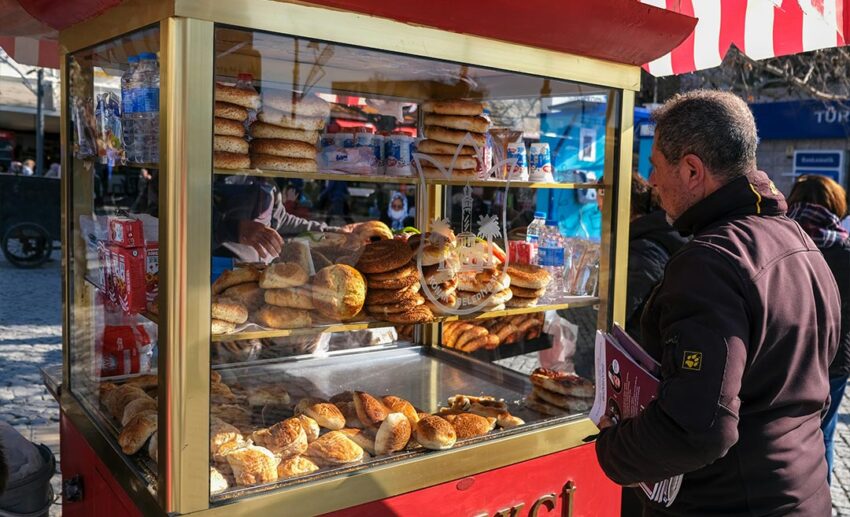
Image by Asli Dokuzeylul
In Türkiye, offering bread is a sign of welcome. Breaking bread together symbolises trust, and wasting bread is seen as a cultural taboo.
Almost every meal, from the simplest breakfast sandwiches to elaborate feasts, includes fresh bread in some form. Flatbreads arrive warm from the oven before the dishes. Street vendors sell simit at sunrise. Villagers gather for communal baking days just as they did centuries ago.
A bread trail you can follow
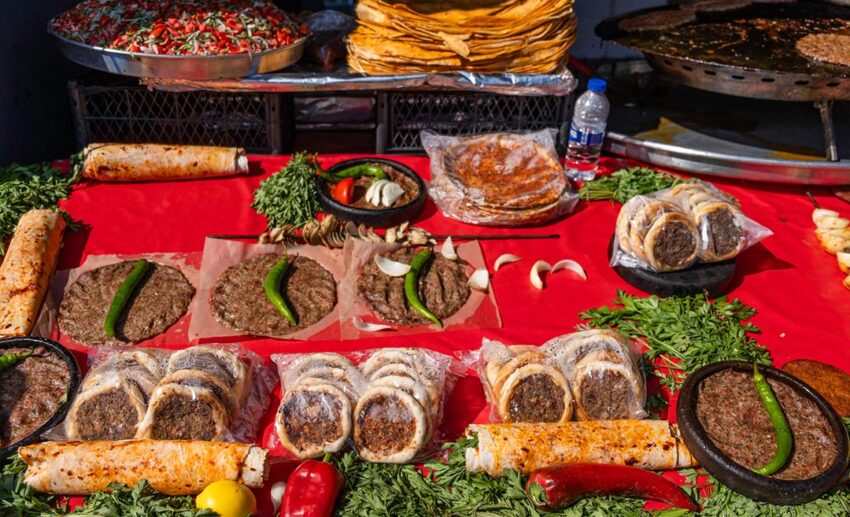
A festive Turkish spread (Image by ensarkarabudak) 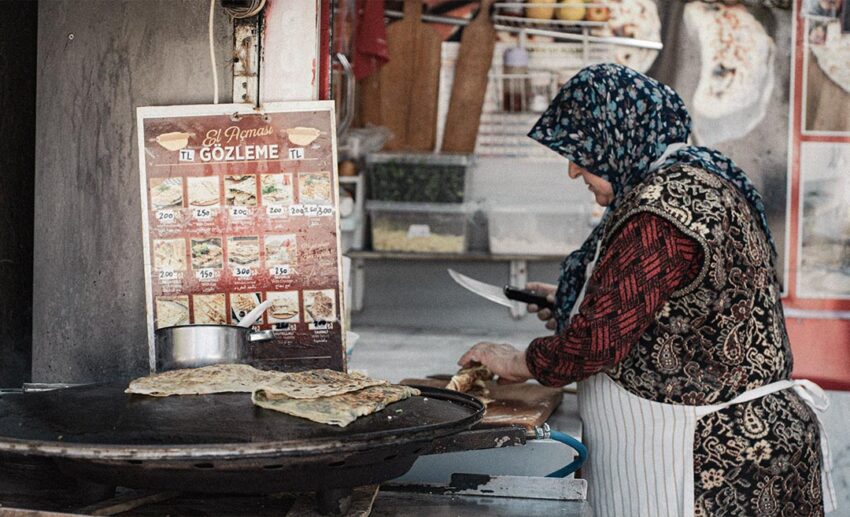
A street vendor making gozleme (Image by Mihaela Claudia Puscas)
Tasting bread becomes a way for visitors to understand the country. For those eager to explore Türkiye through its oldest culinary traditions, here’s a straightforward route:
- Konya: Visit Çatalhöyük and try traditional tandır bread in rural guesthouses.
- Kars: Taste heritage-grain loaves paired with famous Kars cheese and honey.
- Trabzon: Enjoy Black Sea cornbread fresh from local ovens.
- Gaziantep: Savour pide, lahmacun, and age-old baking methods in a city renowned for its GI-protected foods.
- Istanbul: End your journey at modern artisan bakeries that blend the old with the new.
More than a culinary story, Türkiye’s bread heritage is an experience woven through ancient settlements, village kitchens, and the ovens of modern bakers. Whether you’re a foodie, history enthusiast, or cultural explorer, the country offers a rare chance to taste flavours as ancient as civilisation itself.
Images provided by the TGA unless stated otherwise.