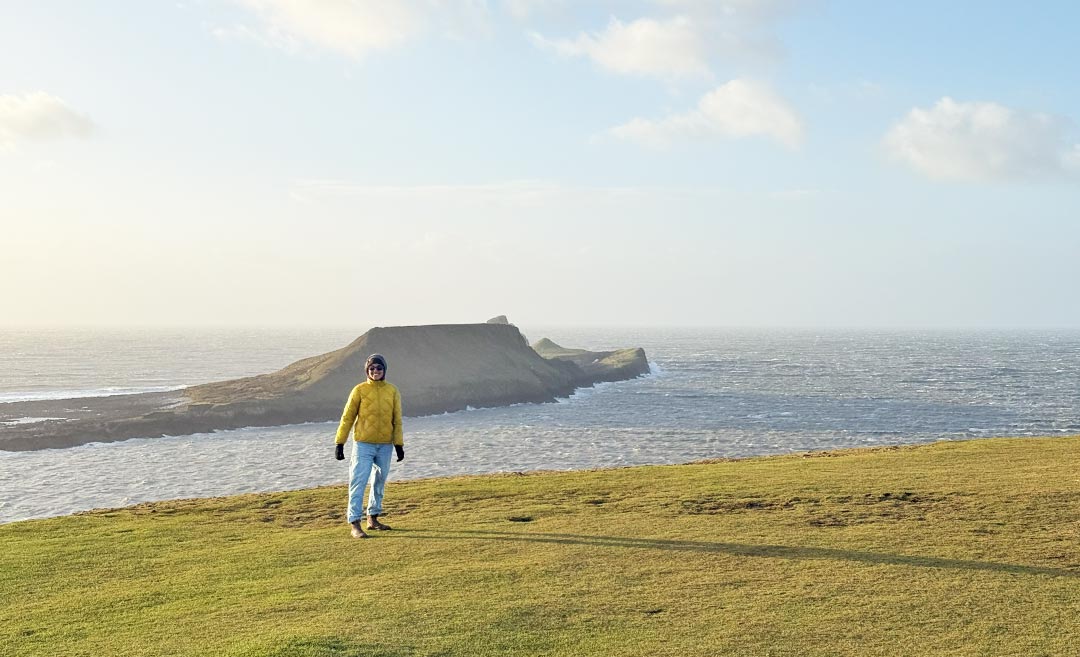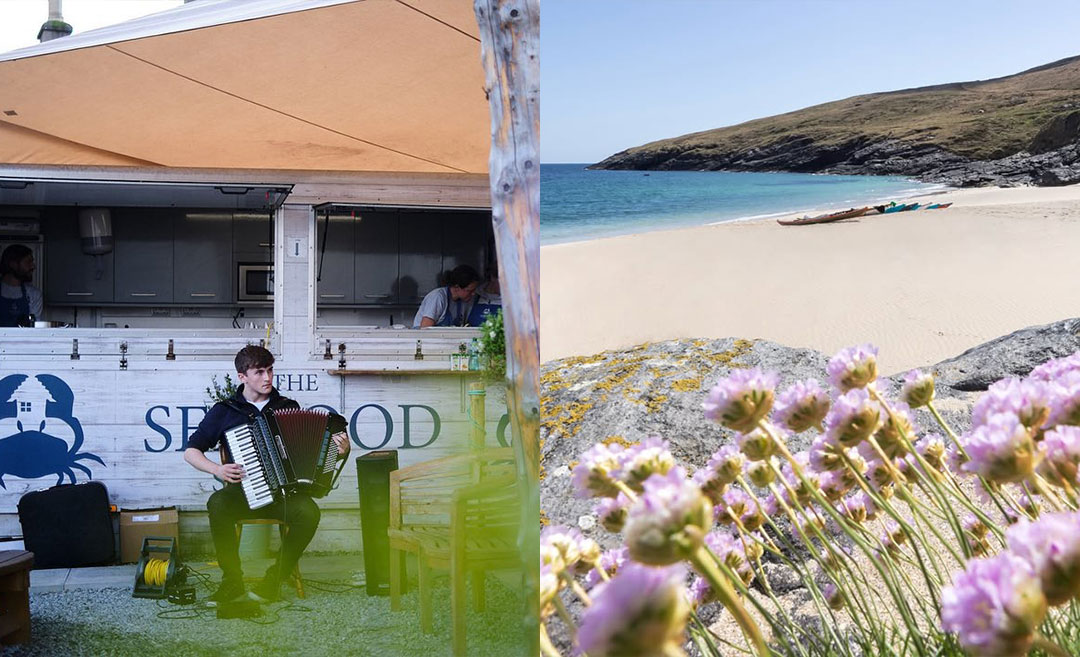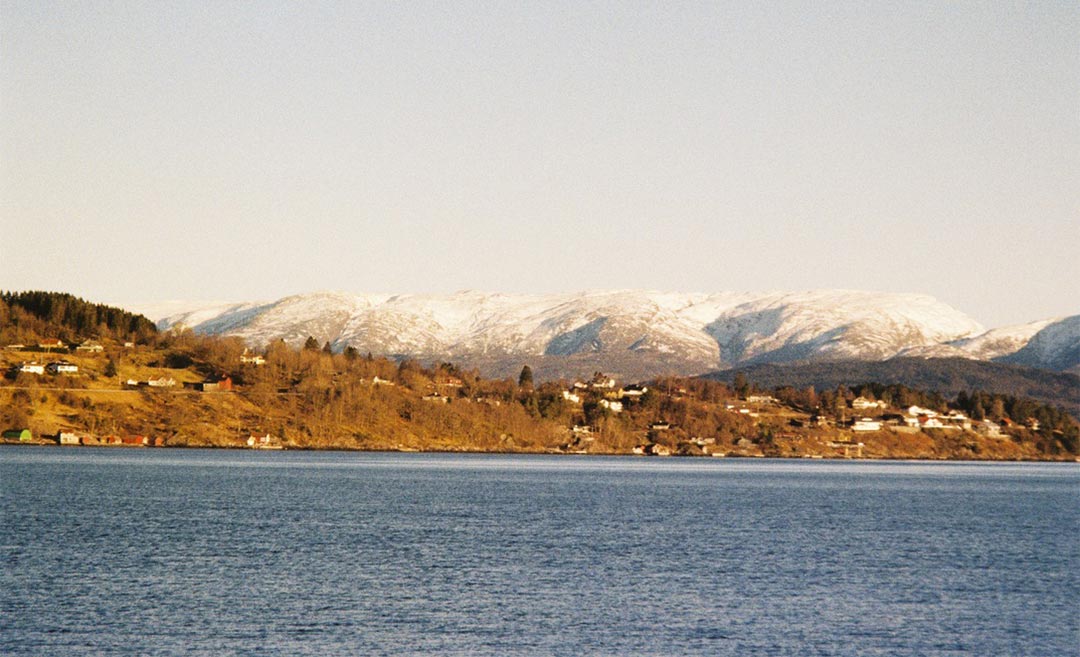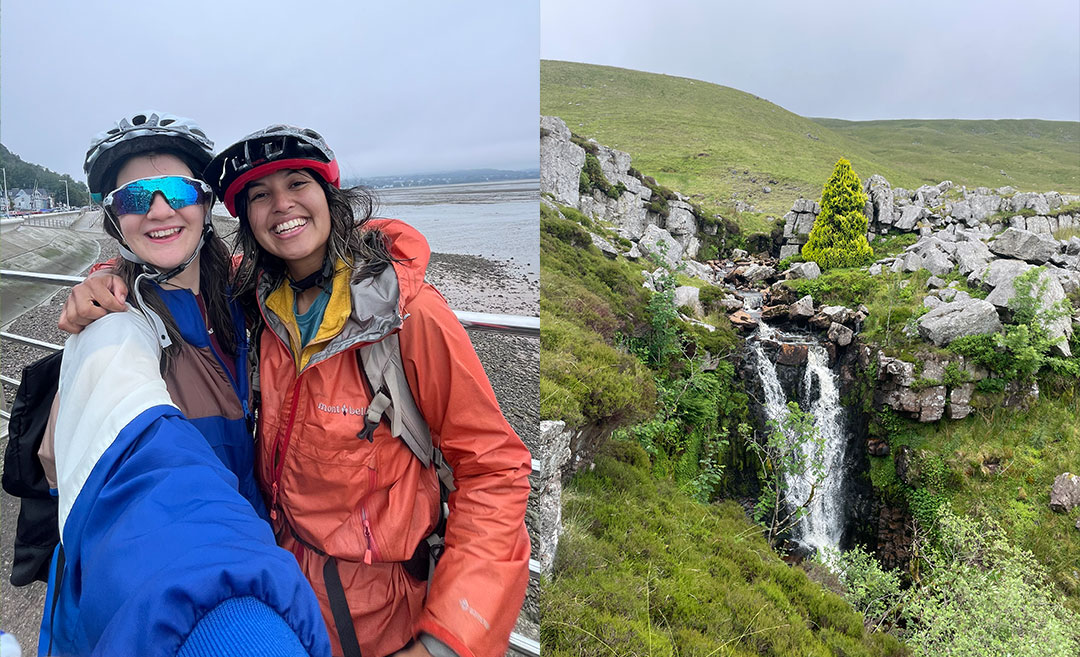
My seasonal escape to Wales taught me that moving with a slower rhythm—whether cycling through quiet lanes or sitting by a rushing mountain waterfall—changes how you experience time. (Left image by Irina Manneråk; Right image by Sofia Shamsunahar)
In the past few years, I’ve been living in a remote mountain village in South Wales during the winter and summer, the off-seasons for my work.
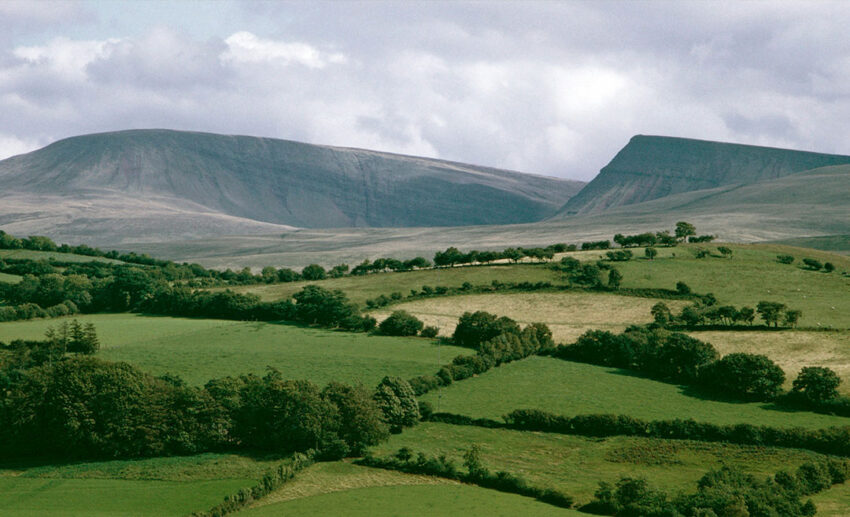
The village sits at the foot of the enchanting Black Mountain, home to rolling hills, waterfalls, and valleys.
When I first started living there, it was quite the adjustment. I was used to life in a busy, tropical, multicultural city, spending my days rushing from one thing to the next—meeting people, trying new experiences and chasing career opportunities.
Yet Welsh village life moved to a different rhythm. Living seasonally at the foot of Black Mountain, in a community made up mostly of older residents, my days became quieter. Winters were short and chilly, while summers stretched into long evenings. Rain became a familiar companion (welcomed or not), and the village “downtown” consisted of just three shops.
At times, it was difficult to adjust. I missed my close-knit circle of friends, longed for food from home and struggled with the darkness of winter. But without realising it, life in this Welsh village was beginning to reset my relationship with time.
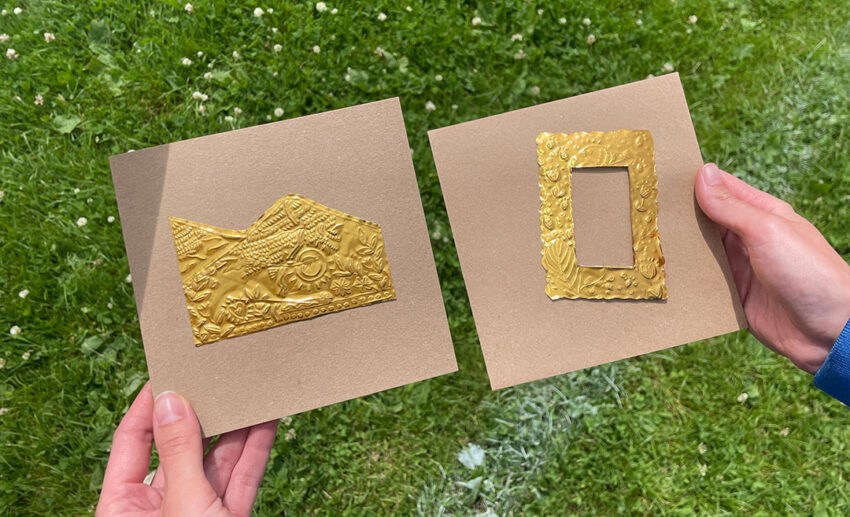
But over time, Wales grew on me. I got braver to branch out on my own more, attending community mosaic-making classes and community events like a fundraiser for the Brynaman Baths, and noticed how lovely the locals were. I started feeling grateful to get to experience such wonderful nature: the rugged mountains with grazing horses and sheep, the windy rivers, and the sprawling coastline.
There’s a Welsh word, cwtch (pronounced “kutch”). It means a warm embrace, but also captures a culture of cosiness, warmth, and closeness with loved ones.
Life at the foot of Black Mountain
As time went by, I noticed the spirit of cwtch teaching me how valuable it was to slow down.
As someone who has spent the past two decades trying to make the most of every day, afraid that each day might not feel meaningful enough, I found myself burning out more easily.
At first, the slower pace of my mountain village life was tough. I was used to spending my days out of the house, filling my time with meetings, activities, and experiences until sunset. I thought this was what living life meant.
During these activity-filled times, despite how exciting and serotonin-inducing they were, I found myself nervous to slow down—to spend a day at home or simply relax.
Living in Wales showed me how precious it was to slow down. Because of how remote my home is in Wales, there was less going on in comparison to the busy cities I had been living in the past few years.
This meant more time to explore the neighbouring mountains, rivers, and coastal walks. It also meant more time at home, where spending time indoors became an adventure in itself.
The gift of empty hours
I learnt that being at home meant more time to look after myself.
A life spent always moving usually meant there wasn’t enough time to cook. It was exciting to prepare balanced home-cooked meals, with plates filled with foods in every colour of the rainbow (although I also eat a LOT of chocolate in the UK).

I learnt that fruit and vegetables taste even better when eaten where they’re grown. Like eating cabbage in South Korea or mangoes in the Philippines.
Being in Wales let me cook with locally grown strawberries, potatoes, and milk, encouraging me to experiment with new recipes that made everyday meals even more delicious.
Slowing down meant unlocking creativity that I’d kept tucked away for the past few years. Crafting seemed to be a favourite Welsh cold-weather pastime, and I found myself trying felting, scrapbooking, and embroidery. Instead of a busy New Year’s celebration, my family gathered to do lino printing before watching the fireworks on TV. These days, I’m perfectly content putting something on Netflix while crocheting a beanie.
Slowing down meant getting enough sleep each night. Good, consistent sleep was a game-changer. It lifted my mood, gave me the energy to take on each day and brought a greater sense of peace.
Lastly, slowing down taught me how to spend time with myself and love it. As someone who is extroverted, I used to struggle with spending a day alone. But investing that energy into taking care of myself and creating activities I enjoy doing by myself has, in turn, taught me to love myself more.
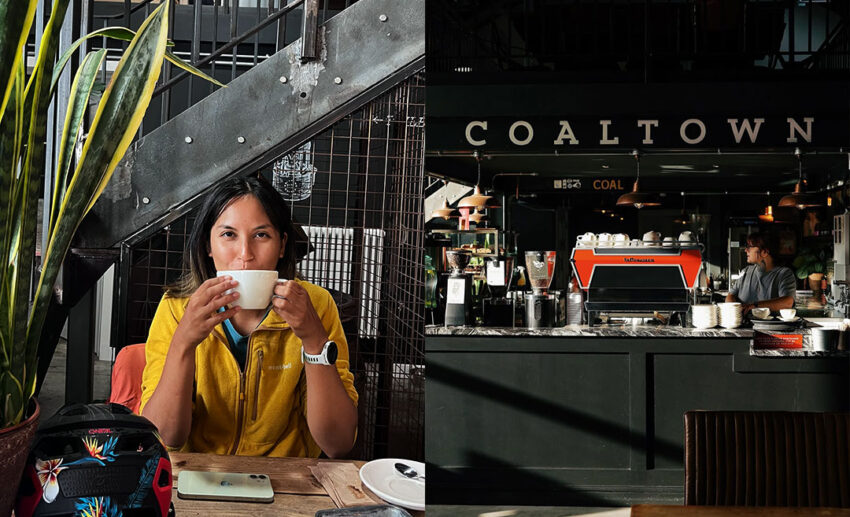
It’s not like my life in Wales is just spent at home—far from it. I still explore, meet loved ones, and try new things. But now I understand what it means to live with more balance: to appreciate the beauty and necessity of carving out pockets of time to ease my pace, reflect, and unwind.
Because of Wales, I learnt that living life doesn’t mean cramming every minute with something to do. Perhaps that’s how Welsh life reset my relationship with time—not by giving me more of it, but by teaching me to experience it differently.