Rainforest World Music Festival in Sarawak transforms cultural performance into participation, where visitors become part of Malaysia’s living traditions.
The first thing I did upon arriving wasn’t to look for a stage. It was to find the theatre where a press conference would be held. Notebook in hand, backpack slung over my shoulders, I mentally worked through the day ahead: attend M Nasir’s media session, check the workshop schedule, familiarise myself with the layout of the Sarawak Cultural Village, and start gathering everything I’d need for the stories to come.
That mindset lasted all of an hour.
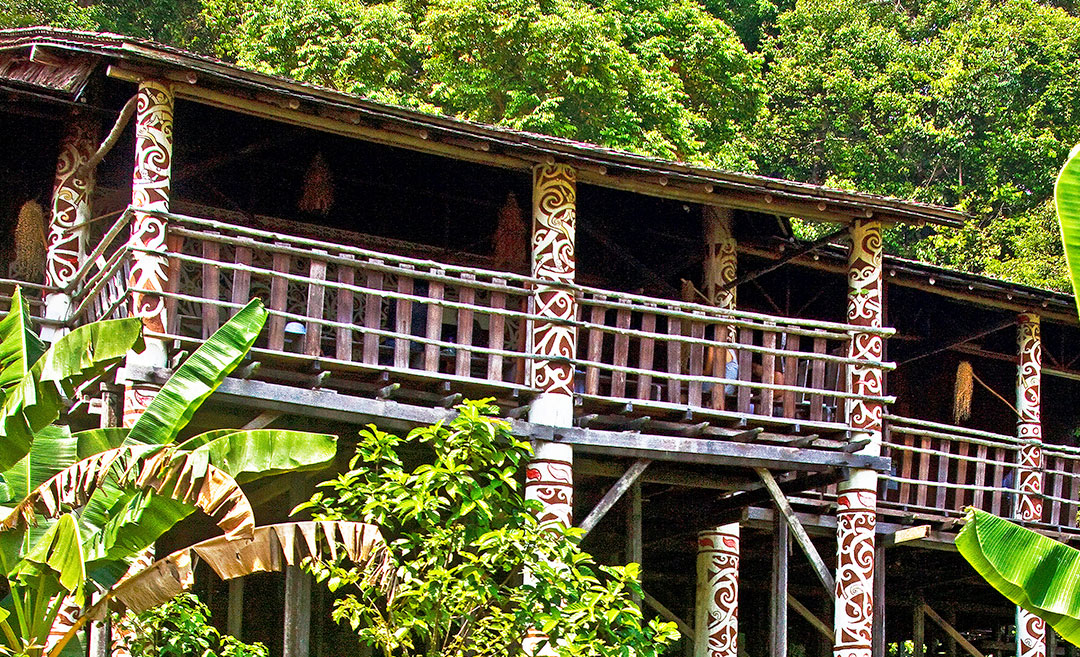
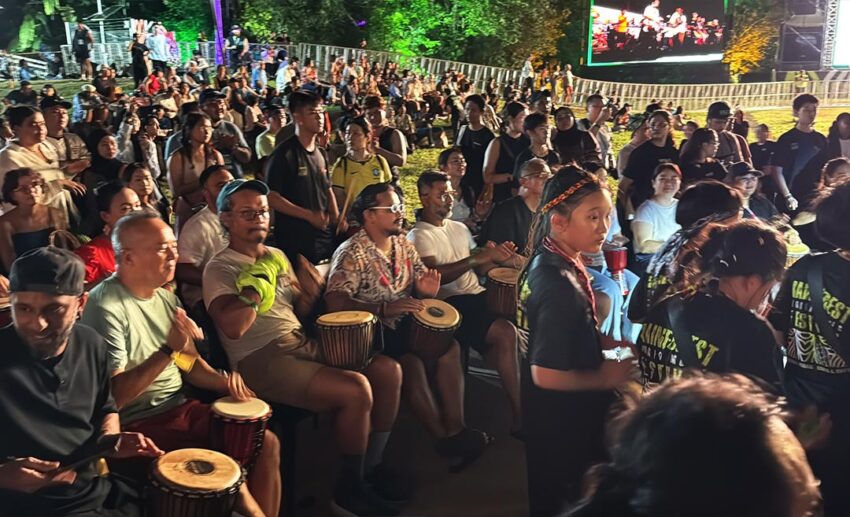
Somewhere between navigating traditional longhouses turned workshop spaces and wandering past penambangs drifting across the village lake, work gave way to curiosity. Before I knew it, I was seated among strangers with a djembe in my hands, following the rhythms of Philippine percussion group Drum Up. My notebook was momentarily forgotten. There was no audience anymore, only participants finding a beat together.
More than a festival with a timetable
It doesn’t take long before the Rainforest World Music Festival (RWMF), now on its 29th outing, stops feeling like an event you have to keep up with and starts feeling like somewhere you are simply moving through.
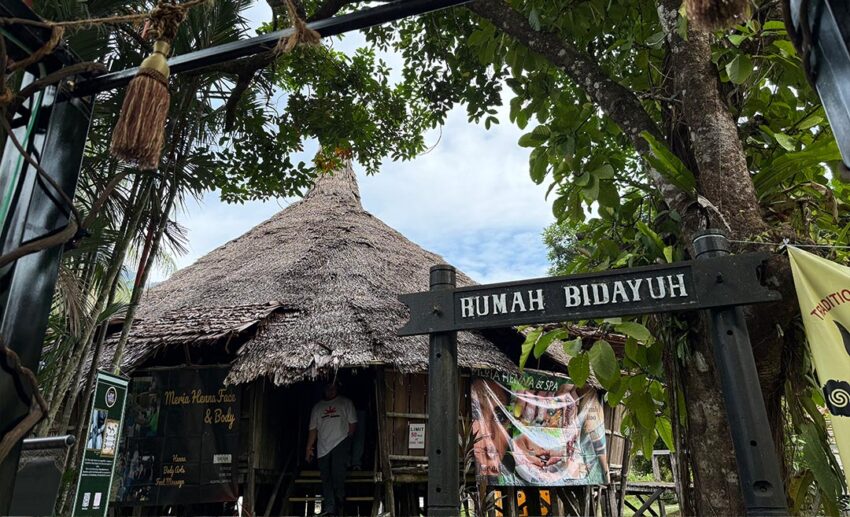
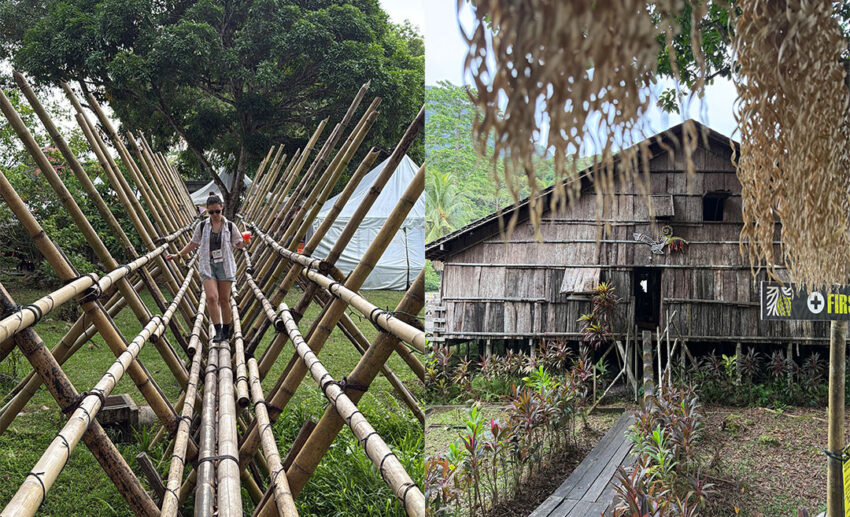
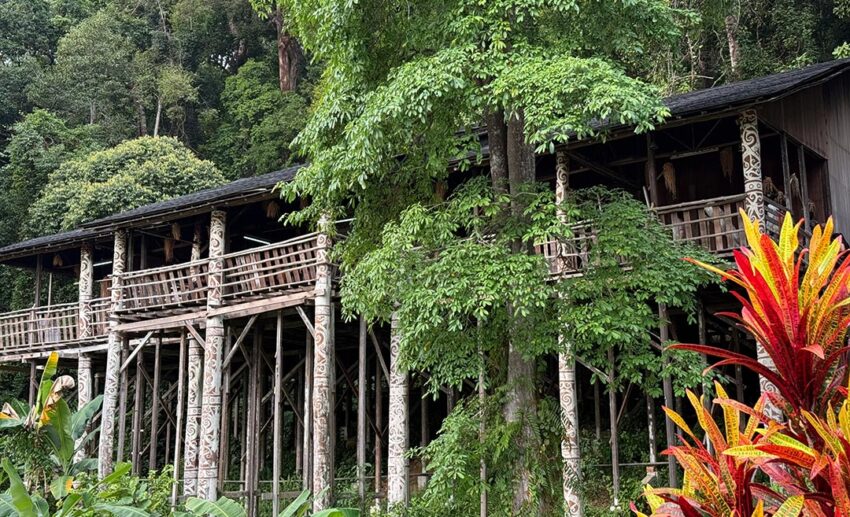
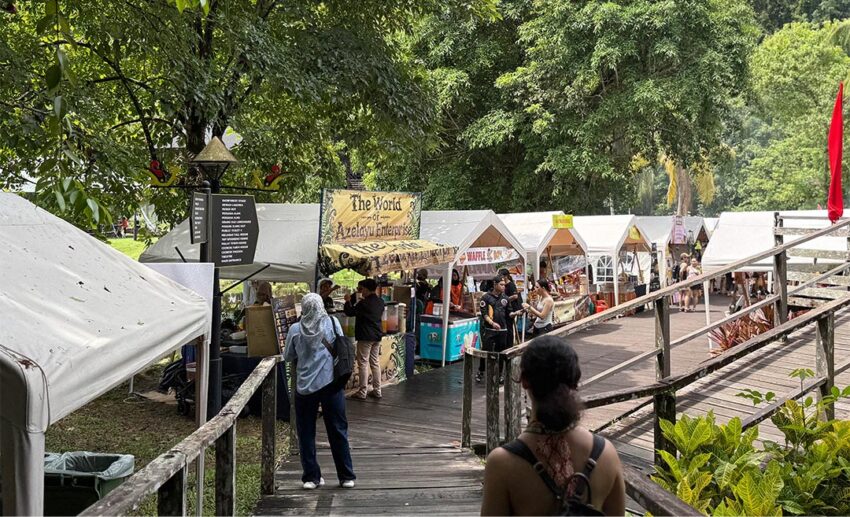
The cultural village has a lot to do with that. Rather than separating performances from the destination itself, the venue becomes part of the experience. Instead of rushing from one act to the next, you are rewarded for wandering.
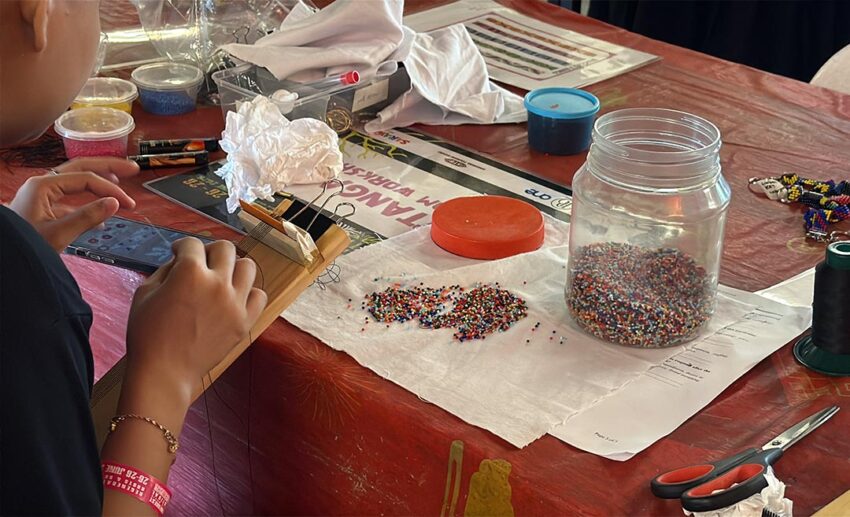
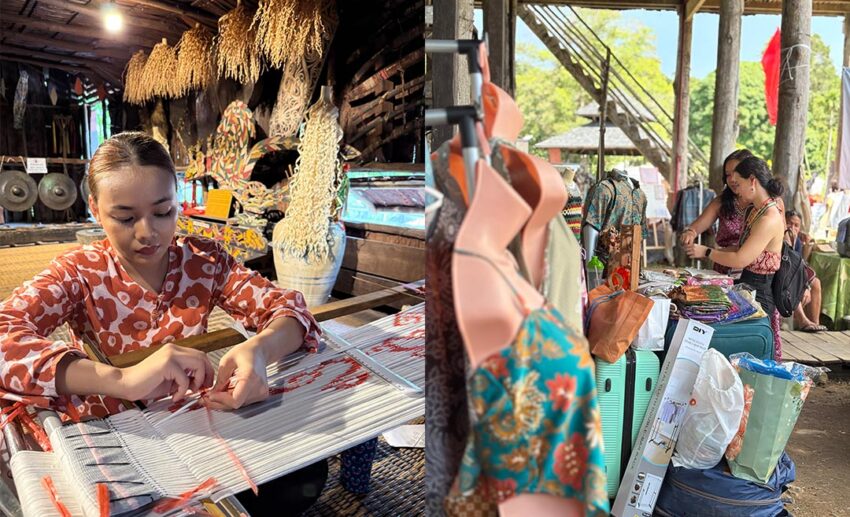
A pua kumbu demonstration turns into a conversation with the weaver about the complex process. A stroll for a bite leads to an impromptu stop at a poetry recital. Even the food areas refuse to behave like just food areas, with live streams of the main stage, DJ sets, and lounging corners that encourage people to linger. One corner serving Bidayuh-style nasi campur is recreated as a rustic bamboo stall that feels like someone has temporarily opened their home to a passing crowd.
At some point, I stop organising the day altogether. The day starts organising itself.
Everyone arrives with a different purpose
What I start noticing, somewhere between moving from one space to another, is how differently everyone else is experiencing the festival.
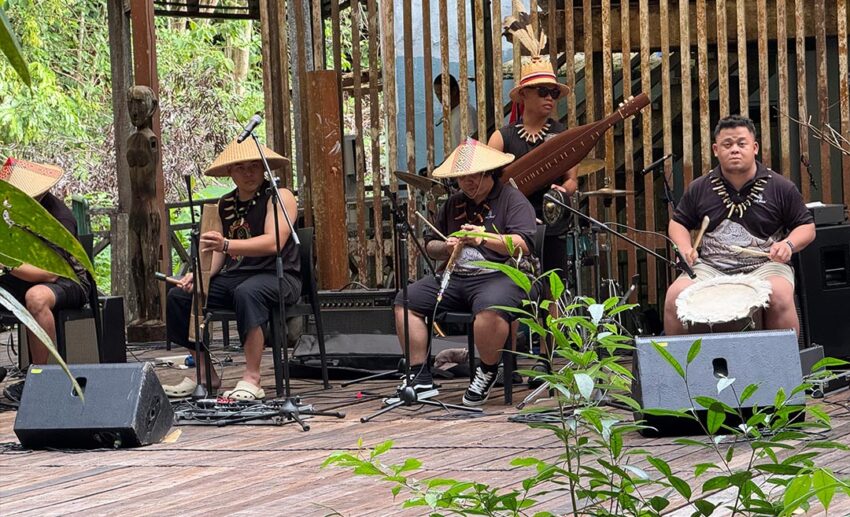
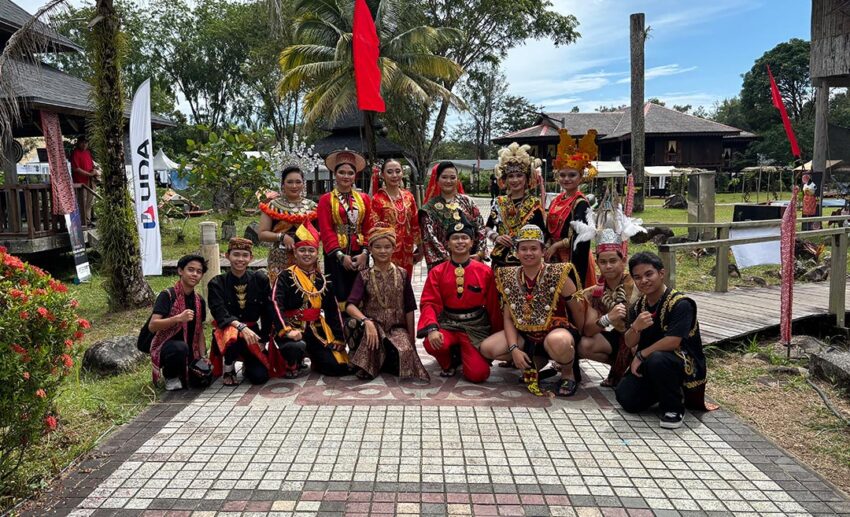
Families weave through the village paths with children who seem completely unbothered by the heat. A group of students in matching uniforms moves as one, stopping wherever curiosity pulls them. Tour groups cluster briefly, then scatter again, folding the festival into their larger Sarawak itinerary.
I overhear languages I cannot place. I notice expats recognising homegrown acts from halfway across the world. I see people who clearly know every name on the lineup, and others who seem perfectly content not knowing any of them, simply there to discover something new.
There are repeat visitors too. I count myself among them, having first attended in 2009, curious to see how the festival has evolved nearly two decades later.
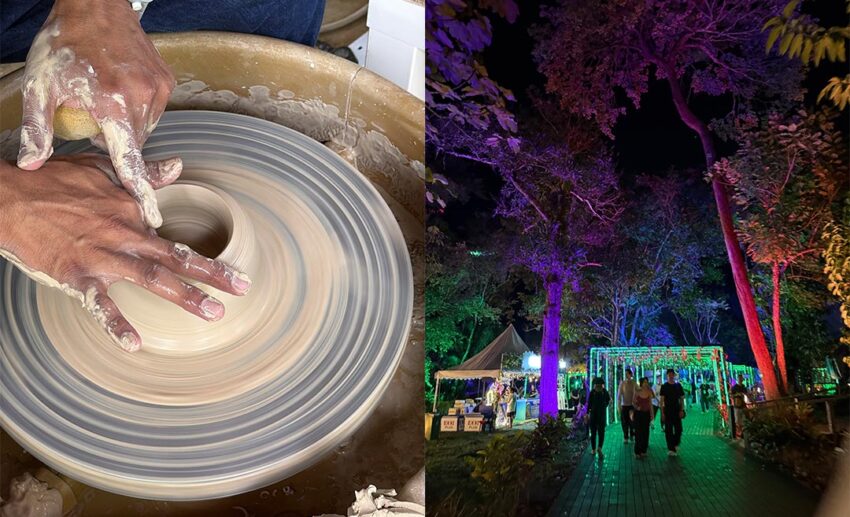
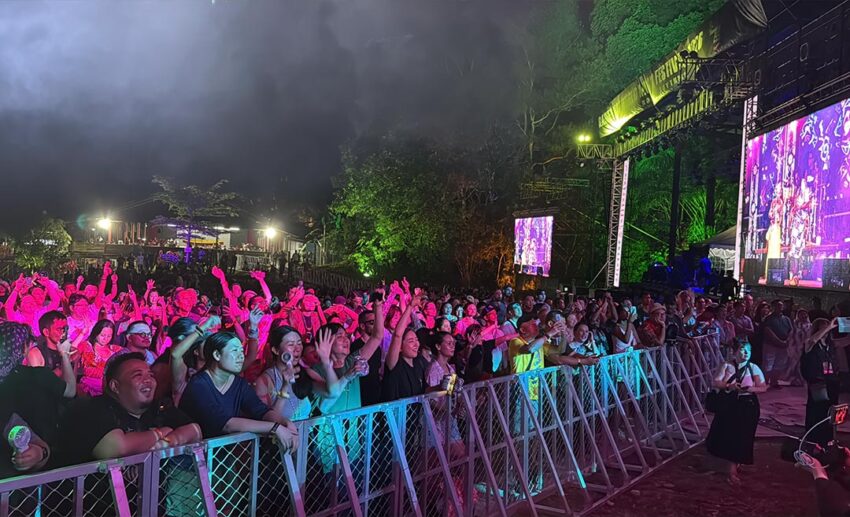
Watching people move through the grounds is almost as compelling as the performances themselves. Some wait for massages or to give crafting a go, while others learn dance steps or experiment with unfamiliar instruments. Groups spread picnic mats beside the lake or under trees to escape the sun. Others browse artisan stalls or sample tuak and langkau. As evening approaches, another wave of visitors arrives, drawn primarily by the night’s concerts.
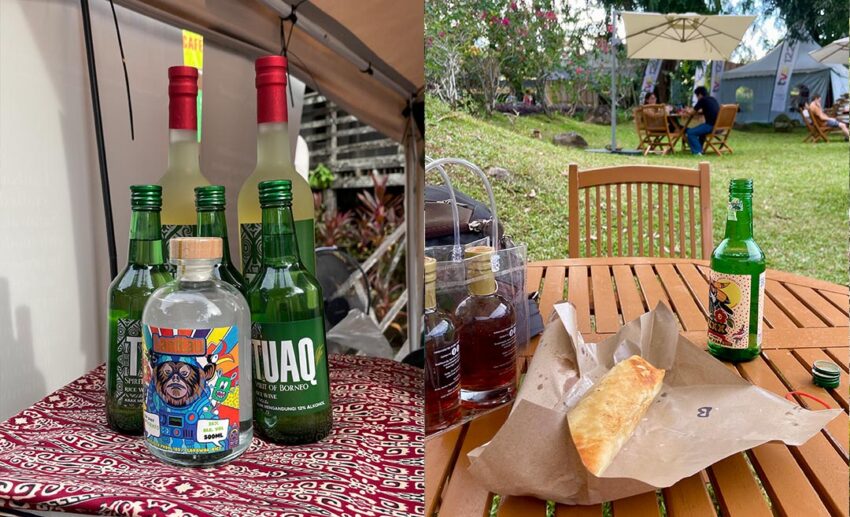
There is no single way to experience RWMF, and that feels entirely intentional.
Culture is something you join
Workshops quickly become some of the festival’s busiest spaces, not only because they offer shade from the midday heat, but because people genuinely want to take part.
I go in thinking I will stay on the edges—observe, take notes, move on. But that never quite happens.
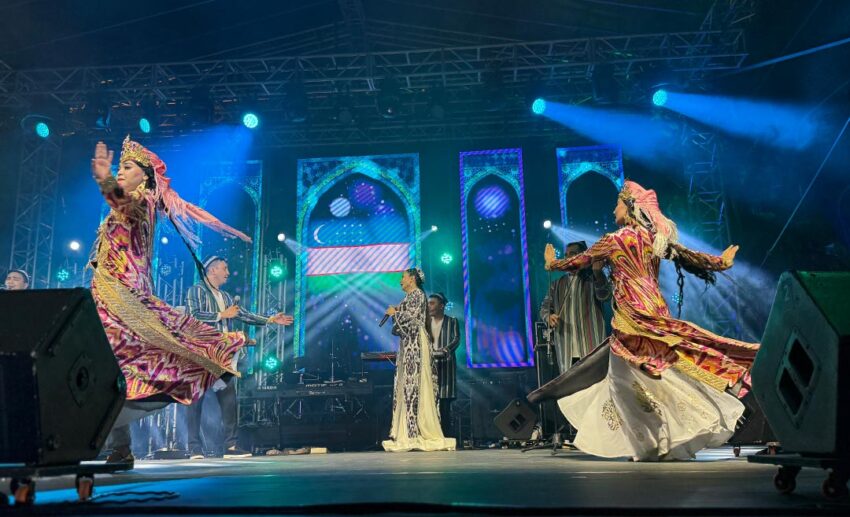
Fergana Cultural Group invites participants to find rhythm together, while Basque ensemble Korrontzi has audiences laughing and dancing along to folk music performed with a trikitixa. Visitors gather for storytelling sessions or step inside the Orang Ulu house, where children patiently teach adults how to play a modern electronic version of the sape. Elsewhere, people lean over tattoo demonstrations, half-curious, half-already committed.
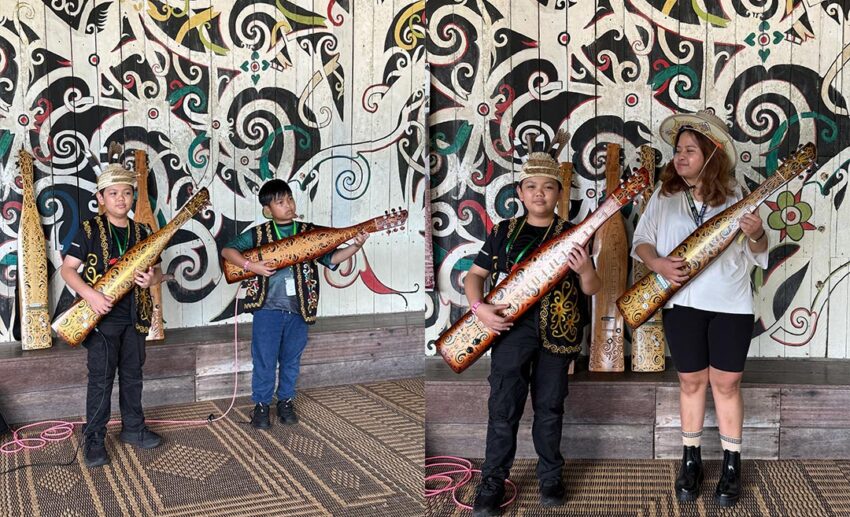
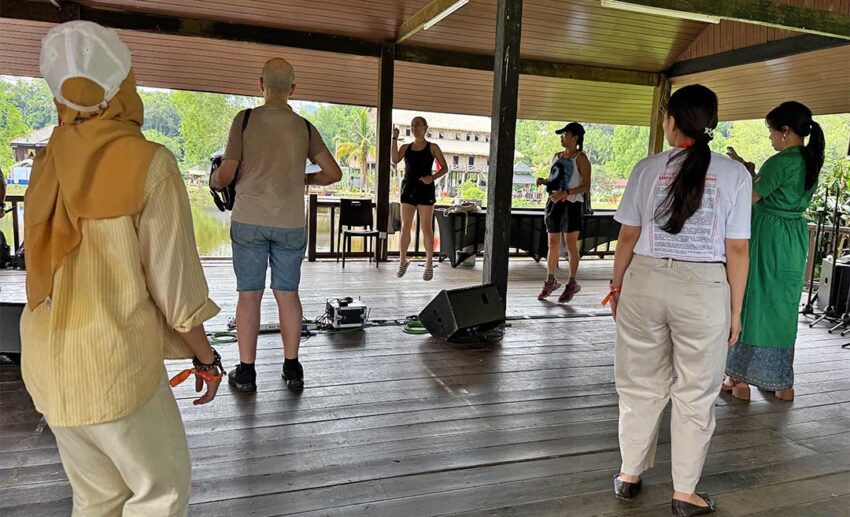
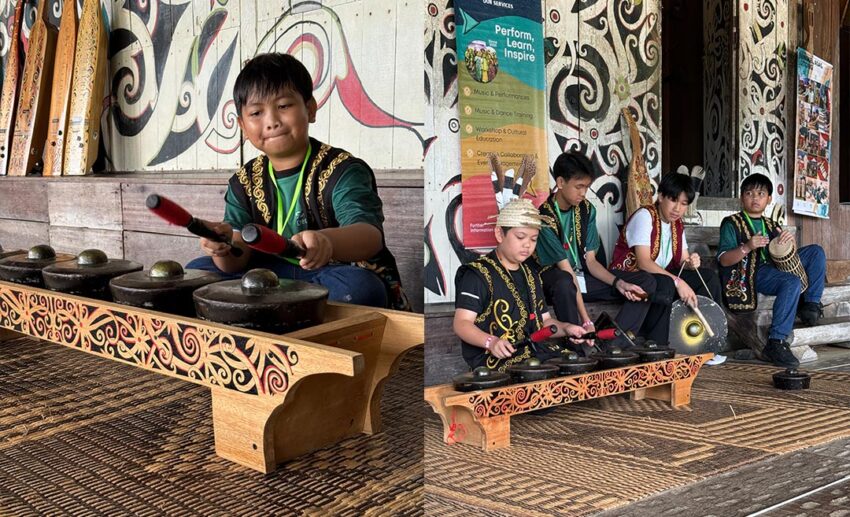
Even local expressions become shared experiences. Every so often, an enthusiastic “ohaa!” rings out across the grounds, first shouted by locals before being enthusiastically echoed by visitors who quickly adopt it as their own.
Instances like these quietly challenge the idea that culture belongs behind ropes or on stages.
When artists step off the stage and into the crowd
One of the festival’s most refreshing qualities is how little distance feels between artists and audiences.
After watching Korean act Insun Park & Generals perform, I later find Insun standing beside me in the crowd, watching Benin International Music’s set with the same ease as everyone else.
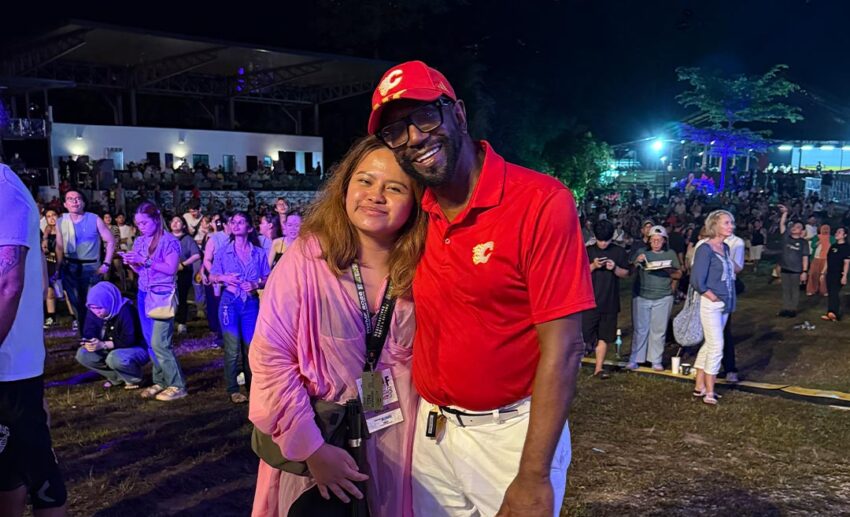
The next day, while revisiting Malaysia’s AkashA—a nostalgic moment, having also watched them during my first RWMF—I see Thomas McClary of The Commodores, who headlined the previous night, quietly taking in the performance nearby.
Artists become audience members, audience members become workshop participants, and those distinctions gradually blur.
The festival is not built around exclusivity or carefully managed access. It feels like a shared celebration where everyone, regardless of where they have travelled from, arrives for the same reason: to experience music beyond their own borders.
The human imprint behind the festival
From where I am standing, it is impossible not to notice how many women are shaping the rhythm of the festival in ways that do not always sit at the centre of the stage, but are present all the same.
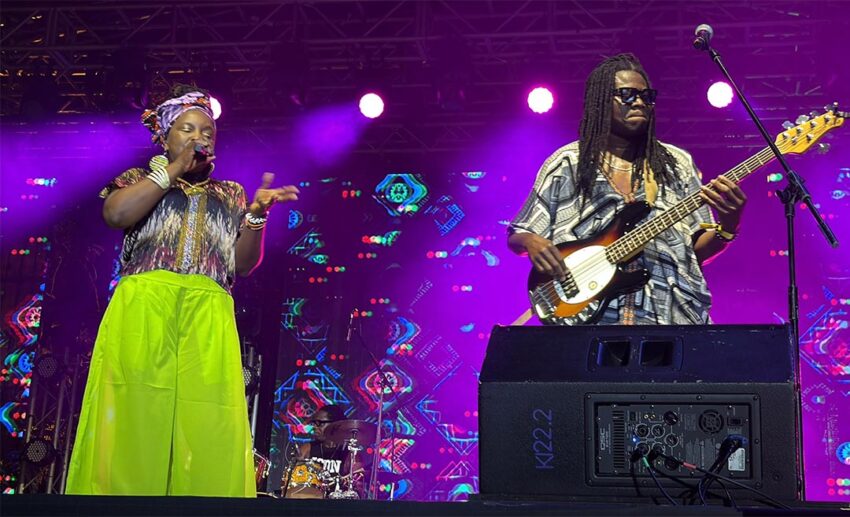
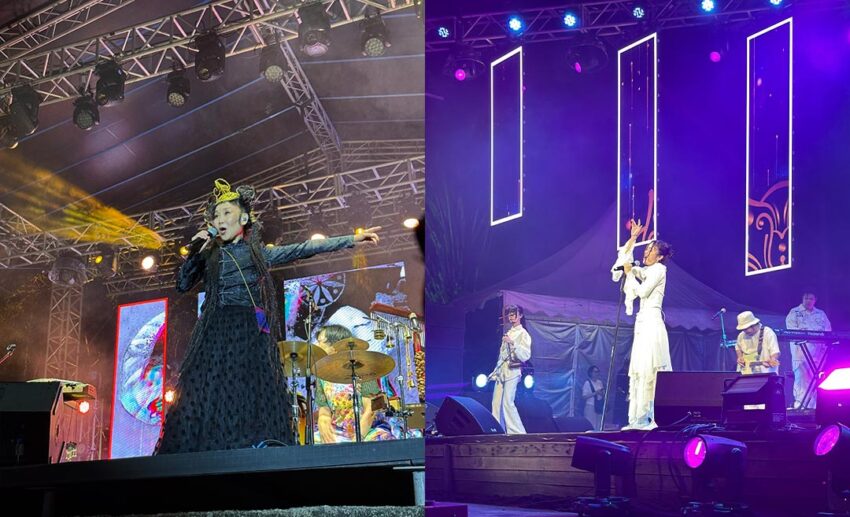
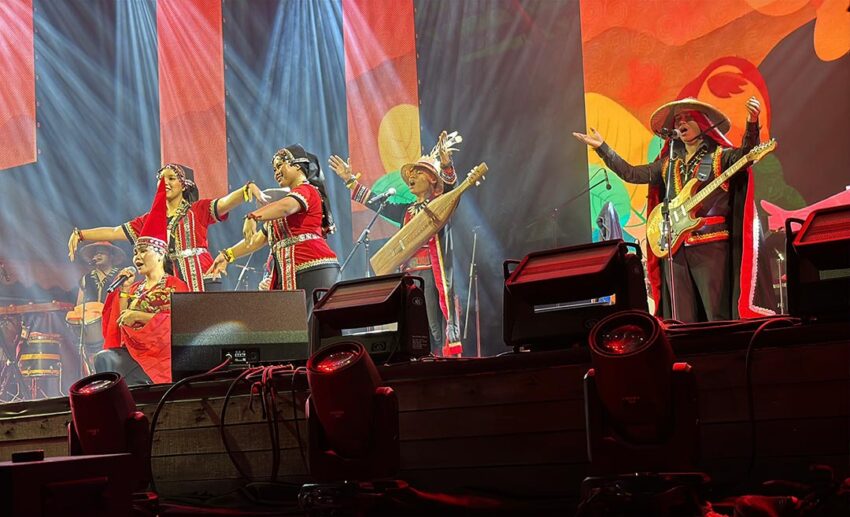
Sabah-born Straw Lim shifts between Hinghwa, Bajau, Mandarin, Malay, and English as naturally as the crowd moves between spaces. Namgar Lkhasaranova performs with her family band, the boundaries between “artist” and “ensemble” already softened. Aoy of Thailand’s Asia7 brings her own presence into the mix, alongside women featured across performances by Ta’Dan and SambaSunda.
Beyond the stages, women artisans and entrepreneurs shared stories behind their crafts with remarkable generosity and pride. Conversations that stretch longer than expected because no one seems in a hurry to move on.
A stranger hands me a beer simply because he thinks he’s bought too many. At the festival entrance, every arrival is met with genuine enthusiasm. And at the end of each night, volunteers applaud departing visitors as though we are the stars ourselves.
Small moments, perhaps. But together they create an atmosphere that feels unusually open, comfortable, and welcoming.
Where music meets the living rainforest
By the time evening settles, the festival has already shifted again without announcing it.
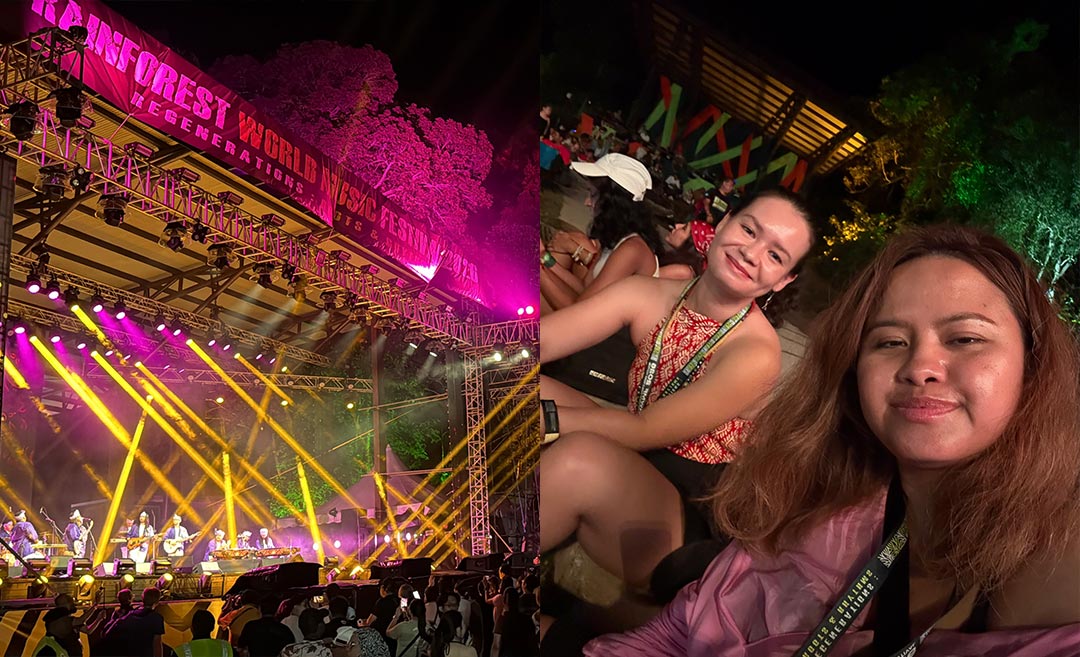
The Rhythm Forest Arena glows beneath towering trees, light catching on leaves and moving with them. The rainforest does not sit behind the music so much as hold it in place.
I find myself sitting further back during AkashA’s set, after spending most of the weekend close to the stage. The change in distance shifts the experience. The music does not feel smaller; it feels more spacious, carried through the trees alongside the sounds of hundreds of people chatting, singing, and dancing.
Somewhere above, the Strawberry Moon hangs over the canopy, steady and unbothered, as though it has seen this gathering before.
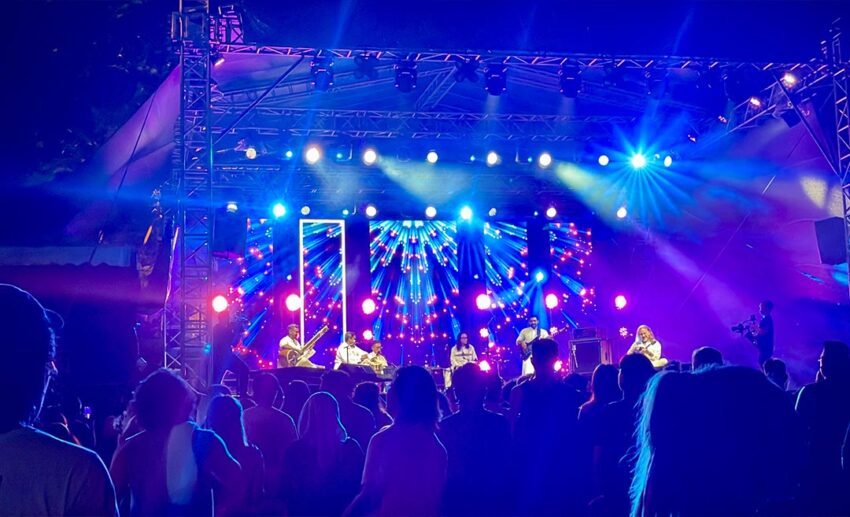
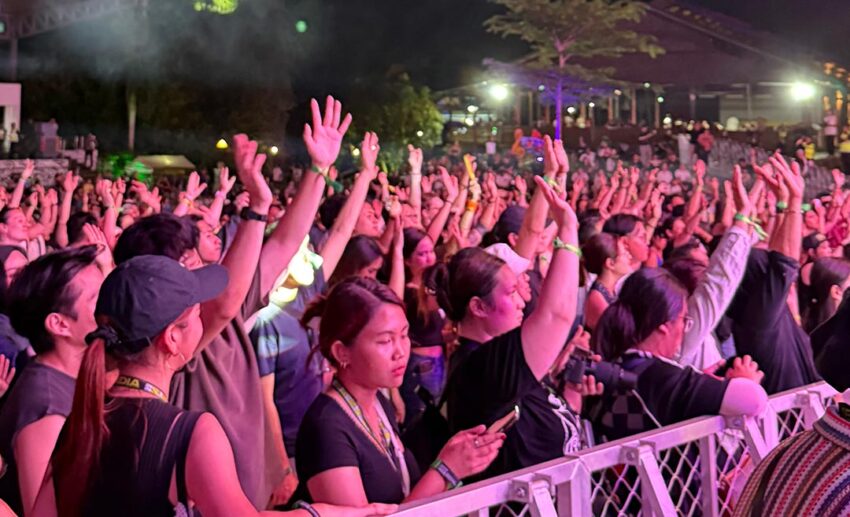
For a festival celebrating world music, it feels fitting to see global traditions meet in one rainforest clearing, without any one culture trying to outshine another.
Moments between the music
Not everyone comes to RWMF for the same reason. By the end of the weekend, though, those reasons seem to matter a little less.
Go for the music, certainly. But also go because somewhere between a conversation with a craft maker, a spontaneous shout of “ohaa!”, or watching strangers dance together beneath the rainforest canopy, you may find yourself doing exactly what this festival has quietly encouraged people to do for nearly three decades: gathering not to watch culture unfold, but to become part of it.
The Rainforest World Music Festival returns for its 30th chapter from 25–27 June 2027.