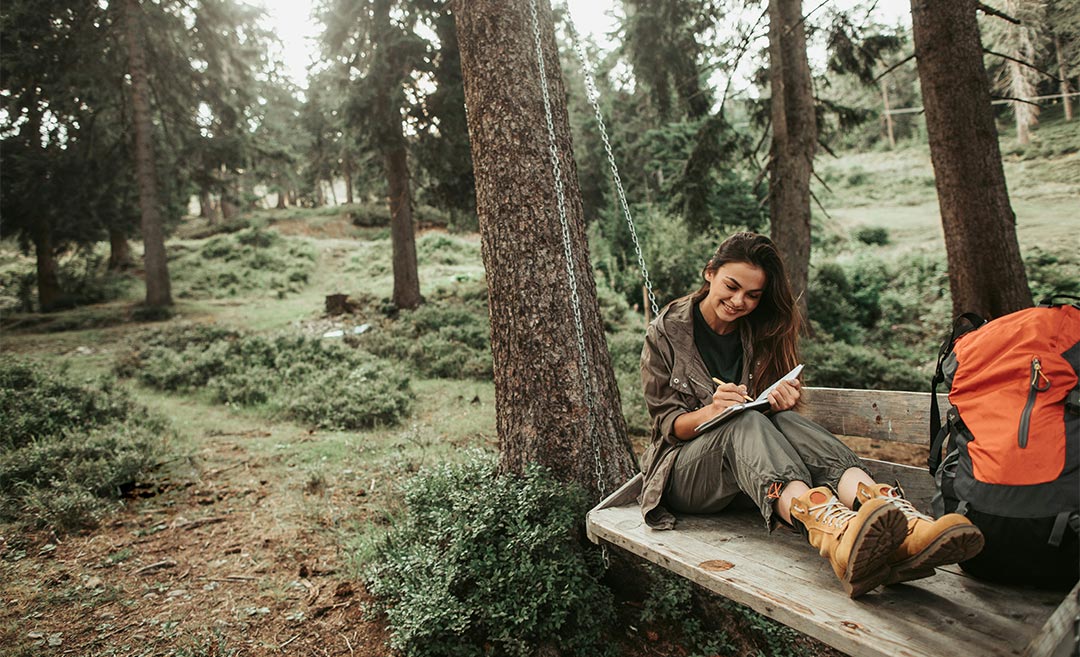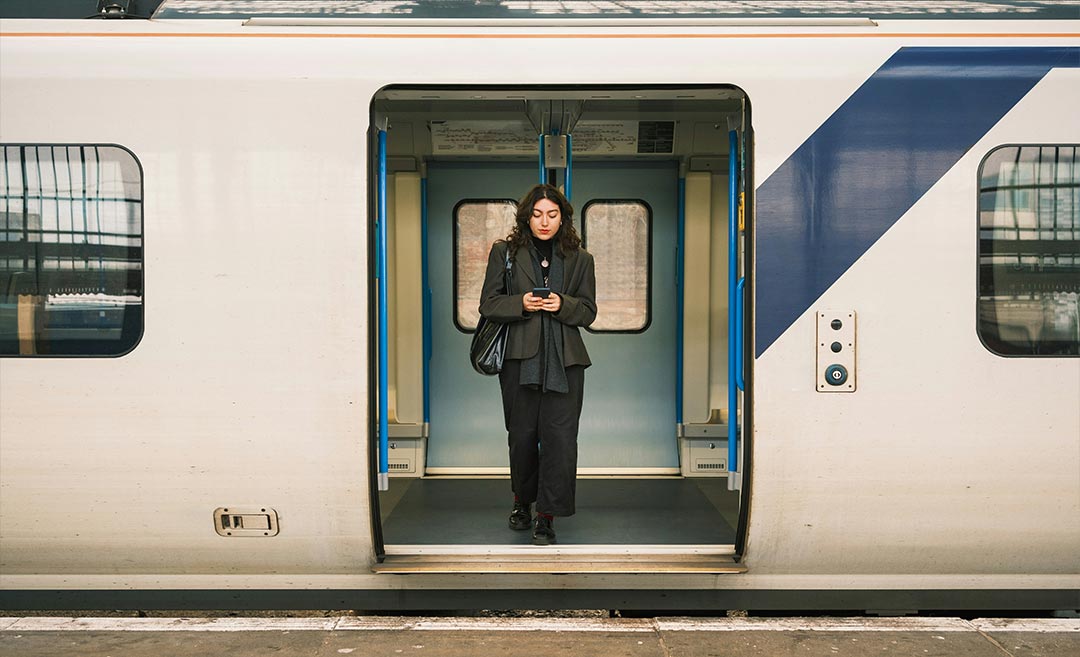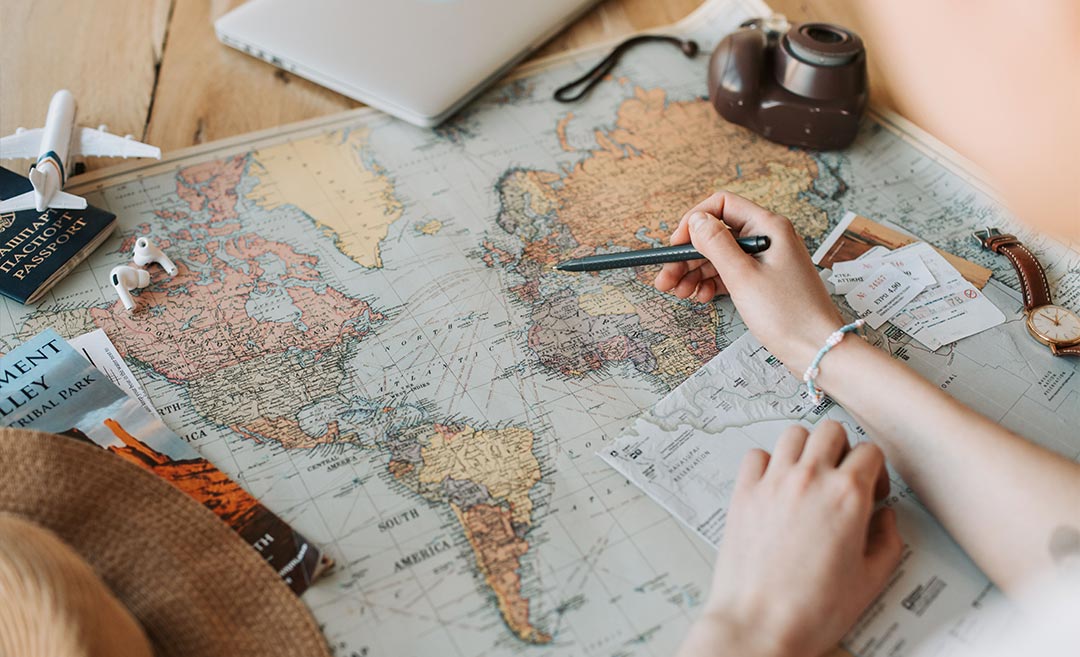
Modern travellers have endless information, but leaving room for uncertainty can bring back the serendipity that makes travel memorable. (Image by Vlada Karpovich)
I once met a traveller in Indonesia who told a story that sounded almost impossible to imagine today.
Years earlier, he had met someone while travelling, and they had gone their separate ways, agreeing to meet again somewhere down the road. When he arrived first, there was no phone number to call and no WhatsApp message to send. So he left a handwritten note behind the bar of a café or restaurant, telling the other traveller where he had gone next.
That was how you travelled.
You left messages in bars. You asked strangers for directions. You met people and trusted that, somehow, your paths might cross again.
At the time, I didn’t think of this as particularly unusual. Much of my own travelling between 2012 and 2016 worked the same way.
I would choose a country and a rough destination, get on a plane, and trust that I would figure out the rest.
There was no Google Maps route waiting for me, no carefully ranked list of restaurants, and no algorithm predicting what I should see next. There was simply a place I wanted to go, and the uncertainty of figuring out what happened once I got there.
When getting it wrong led somewhere better

In 2013, I arrived in Bali alone with a plan that was barely a plan at all. I had decided I wanted to dive, picked Kuta as my destination, and set off to find a dive centre. I had chosen the wrong place for that. Turns out Kuta was more ‘surf’ and less ‘dive’.
While I was making my way towards the beach, I met a local guy carrying a surfboard. I asked him for directions to the beach. Instead of pointing me towards the ocean, he offered to teach me to surf the next day.
He also took me to some temples and negotiated local prices for me by telling people I was his girlfriend.
It was exciting, but it was also completely normal to me. I wasn’t thinking about whether this experience had five-star reviews or whether someone on Instagram had recommended it.
I was simply following the physics of the quest: one thing led to another, and I trusted that I was being led towards wherever I was supposed to go.
The funny thing is that I had gone to Kuta looking for one experience and found another entirely.
Before algorithms, people were the search engine
Back then, I didn’t have a carefully constructed itinerary waiting for me on my phone. To be honest, many of the places worth seeing hardly even had connectivity.
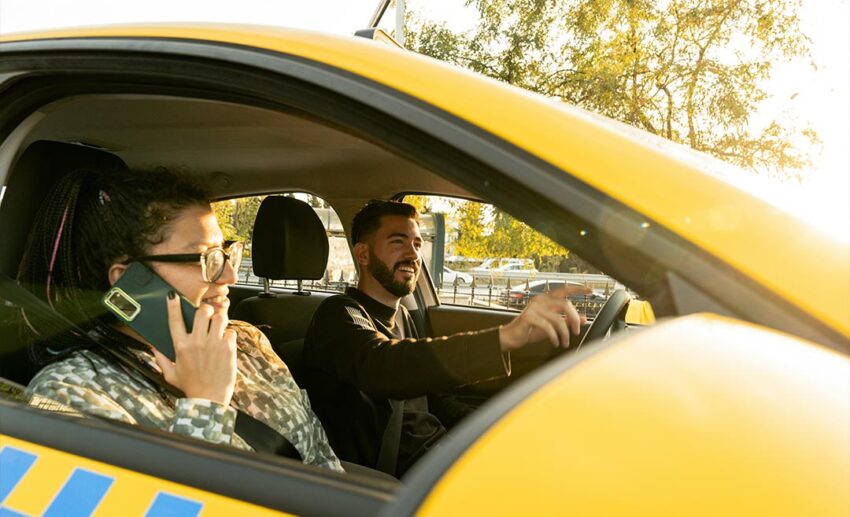
Taxi drivers became my search engine. I’d ask one to take me somewhere to stay, suspecting that he probably received a kickback from the accommodation – but also trusting that he knew things I didn’t.
Other travellers were my social media. Dive instructors knew where to eat. Backpackers knew which beach was worth visiting. Bar owners knew where the locals actually went. Someone you’d met over breakfast might tell you about an island you hadn’t even considered visiting.
The information wasn’t necessarily better than what we have now. It was simply human. Unperformed. Unfiltered.
And because it came through a person, it often came with context. You could ask: Would you go there? Why? Is it worth it? What would you do instead?
Today, we can ask Google, social media, travel apps, or an AI tool the same question and receive 47 recommendations before we’ve even finished our coffee.
The convenience is extraordinary. But something changes when we already know the answer before we’ve arrived.
The best travel memories rarely make the itinerary

One year, I had a long stopover in Singapore. I was travelling cheaply and, rather than paying for accommodation, I decided to spend the night in the airport.
I’d heard that Changi had a huge slide and cinemas, so I went exploring. While going down an escalator, I saw an old friend settling into a lounge chair.
Neither of us knew the other would be there. We had once been close, and suddenly our random airport stopover turned into an evening of catching up like old times. Eventually, we found somewhere to sleep under some desks.
I was freezing. My friend suggested I put on my only pair of vaguely long trousers: purple, pyjama-like pants.
It wasn’t an experience I could have found by searching “best things to do in Singapore during an overnight layover”. It was simply something that happened.
And those are often the travel memories that stay.
Keep the technology, leave room for serendipity

There is a temptation to romanticise travelling before smartphones and pretend everything was better before Google Maps, online reviews, and travel apps. It wasn’t.
Technology has made travel easier, more accessible, and, in many situations, safer. For women especially, having a phone, access to maps, and the ability to check where you are can be enormously valuable.
I wouldn’t suggest throwing any of that away. I would, however, suggest leaving a little space around it.
Book your accommodation. Know how you’re getting there. Keep your phone charged. Trust your instincts. Be aware of your surroundings. If something feels wrong, don’t override that feeling because an adventure is supposed to be spontaneous.
But once you’re somewhere safe, try asking a person before asking the internet.
Ask the backpacker at the lodge where they actually eat. Ask the dive instructor where they’d go on their day off. Ask the bar owner what they would show a friend. Ask the taxi driver what is worth seeing – and then decide whether their answer feels right to you.
Because the point isn’t to travel recklessly – it’s to stop treating uncertainty as a problem that needs to be solved immediately.
Leave some questions unanswered

I would love to travel the way I did then again.
Not because I think the past was better, or because I want to navigate an unfamiliar country without a phone. I simply miss the feeling that the next thing could be anything.
In 2017, I met my partner while travelling in Mozambique. Nine years later, he is still in my life and is the father of my daughter.
I couldn’t have planned that encounter. Perhaps that’s the thing I miss most about travelling without a predetermined answer: not being able to know what comes next.
We now have the ability to know almost everything before we arrive – where to eat, what to see, which photograph to take, and which “hidden gem” everyone else has already discovered.
Maybe we don’t need to abandon all that knowledge. Maybe we just need to leave a few questions unanswered.
The next time you travel, research what you need to know. Then, once you’re there, look up from your screen. Talk to someone. Take the long way. Follow the recommendation that isn’t trending.
And when you don’t know where to go next, perhaps don’t ask Google. Ask your gut instead.