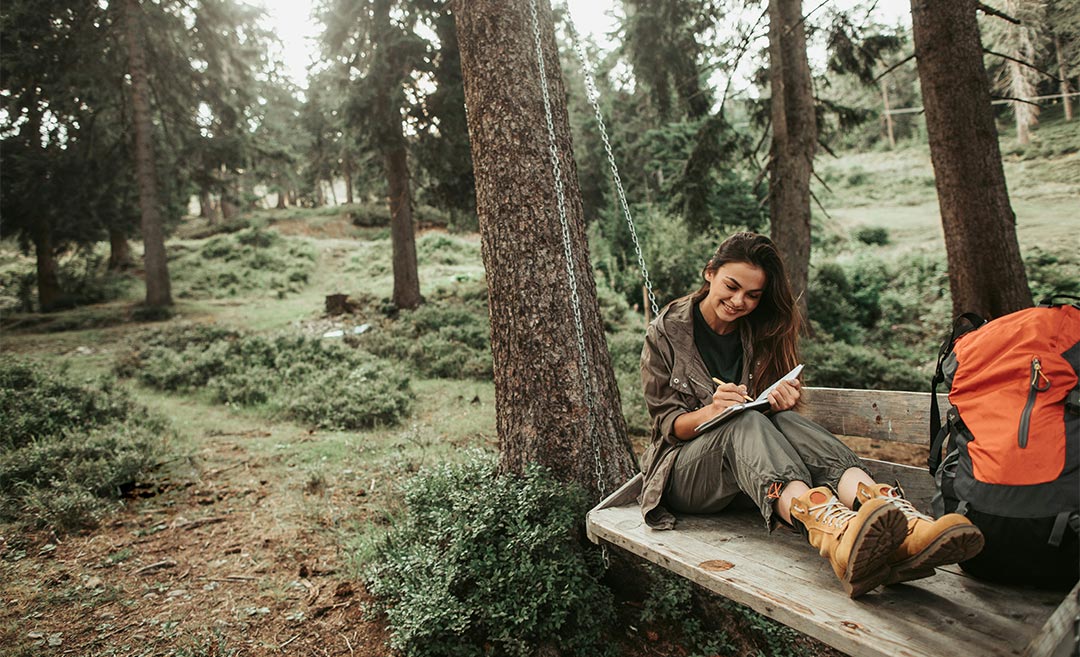
Travel before social media meant getting lost, asking locals, and discovering places without letting the internet plan the trip. (Image by Getty Images)
I hate to be one of those people who talks about the “good old days”, but when it comes to travel, there are just some things that were good, and I fear we may have taken them for granted. The influx of travel-related content means we now face the subconscious pressure to do it all, see the world, and make absolutely certain to be culturally, environmentally, and politically aware of the places we are going, lest we be crucified for our ignorance or lack of understanding.
Social media makes it seem like we could go anywhere, while simultaneously reinforcing the idea that it will never be enough. The pressure to seek out grand adventures through travel and be applauded for doing it the “right” way is exhausting. So, it’s time to get back to basics and travel on our own terms – taking the reins of our adventures rather than letting social media dictate what we should see and do.
Pick up a physical book at the airport

Turn scrolling prime time into flipping through the pages of a magazine. Now that almost everything is available digitally, lugging around extra reading material can feel futile or like an unnecessary expense. Reading on a device is often distracting, but having a book, newspaper, or magazine gives us a reason to ignore the notifications vying for our attention.
The airport is a good spot to find local writers and publications that you might enjoy. It’s also a great way to calm our sense of urgency and ease into a relaxed state of mind before our holiday.
Learn to navigate with a physical map
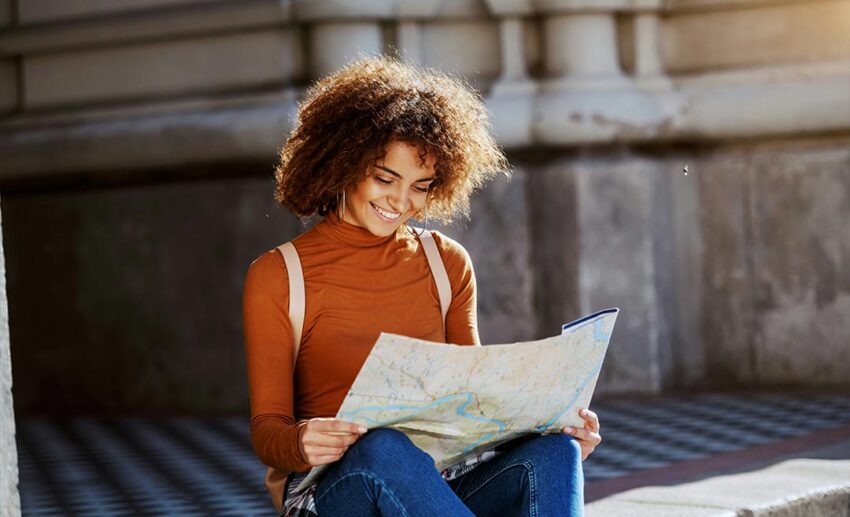
Before GPS, we relied on maps, road signs, and the good graces of people with a keen sense of direction to get to a destination. While the need for reading paper maps is almost entirely gone, there are certain advantages to having this skill in your back pocket.
Apart from being a great way to impress your friends, printed maps give you a good overview of the city you are in. Marked with iconic landmarks, restaurants, public transportation, shops, and other facilities, they are comparable to a navigation app on your phone.
When you navigate with a physical map, you are forced to look out for landmarks, understand distances, and read signage, which can help you better remember the places you visit. They also encourage you to speak to locals, whether it’s to ask for some guidance or to get recommendations on the best spots in town.
Talk to locals, hotel staff, and drivers

Learning how to strike up a conversation with people is a skill worth honing, especially when travelling. People in the service industry tend to know a lot about the places you are visiting – whether that’s where to go for a quick bite, when is the best time to catch the sunrise, how to avoid tourist traps, or where to find genuine cultural experiences.
Greet the hotel staff, talk to your waiter, and chat with your taxi driver. Most people are genuinely friendly and up for a quick chat, but be mindful not to expect more of their time than they are able to give you.
Leave room for unplanned discovery

When you’re in a new place, take your time exploring places that aren’t going to make the Instagram Reel. Peruse the local wines and try the best-selling chocolate bars at the grocery store. When shopping, keep an eye out for brands that you’ve never heard of. Walk slowly through the parks, study how the buildings look, how people dress, and what side of the road they drive on.
So much of travel is about discovery, and much of that discovery is forfeited when we only look to have the same experiences everyone else is talking about. Not everything needs to be a 5-star experience. Have some 1-star or no-star experiences; it’ll give you interesting stories to tell.
No country is perfect, so we do ourselves a disservice when we make an itinerary that expects every experience to be perfect. Go to the coffee shop you just stumbled across. Enjoy an average plate of food, drink the bad coffee, and realise just how blessed you are to even experience this.
Revisit places that made you happy
If you’ve been travelling for a while, you’ve probably come across the idea that a real travel lover is marked by how many stamps they have in their passports. The satisfaction of treating travel like a grand checklist is often short-lived.
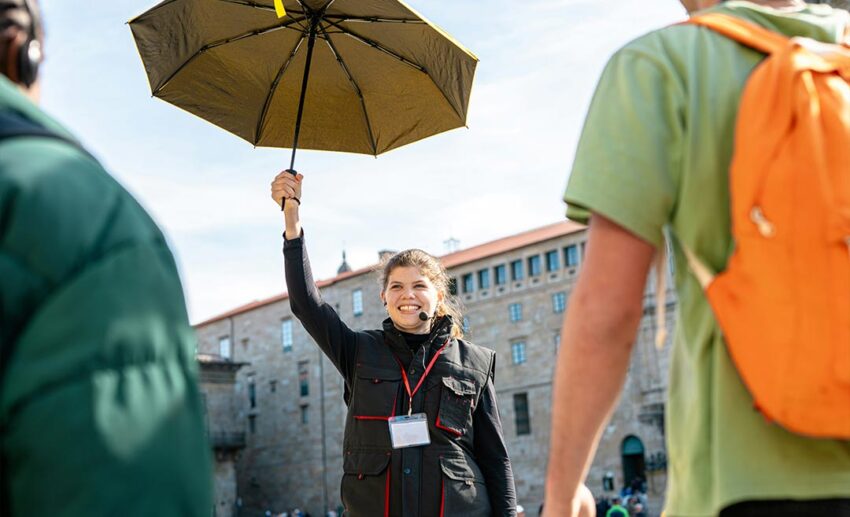
When you discover a place you love, find reasons to revisit it. It takes more than one trip to get to know a place. Stay at the same hotel, go back to the restaurant you liked the last time, and hire the same tour guide. That’s how you build connections that last.
Travel isn’t always about trying something new. Sometimes, the best way to get to know a place is to return to something you already love – and experience it differently, without an algorithm telling you where to go next.