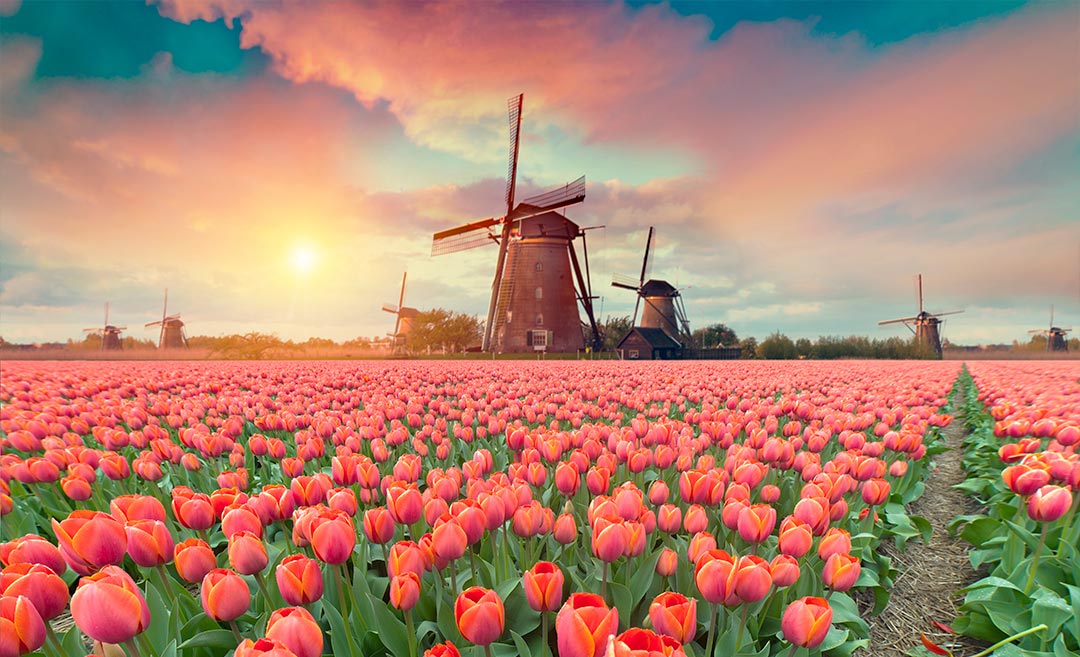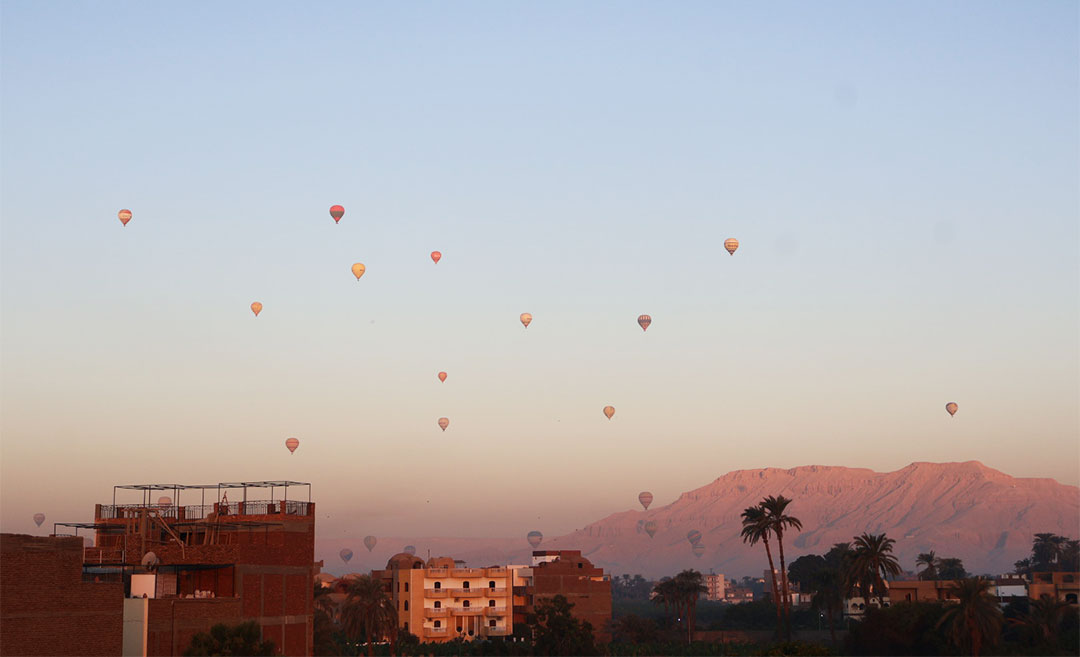
The rainy season in Southeast Asia brings greener landscapes, quieter attractions, and a different way to experience these six destinations across the region. (Image by Yusuke Hatano)
We’re often inclined to avoid travelling during the monsoon season, but the rainier months might have more to offer than meets the eye. Rain transforms the landscape, mist settles over the mountains, and popular attractions can feel a little less crowded. There may even be savings on flights, accommodation, and activities, depending on when and where you go.
Here are six destinations that really shine through on a cloudy day.
1. Cherating, Pahang, Malaysia
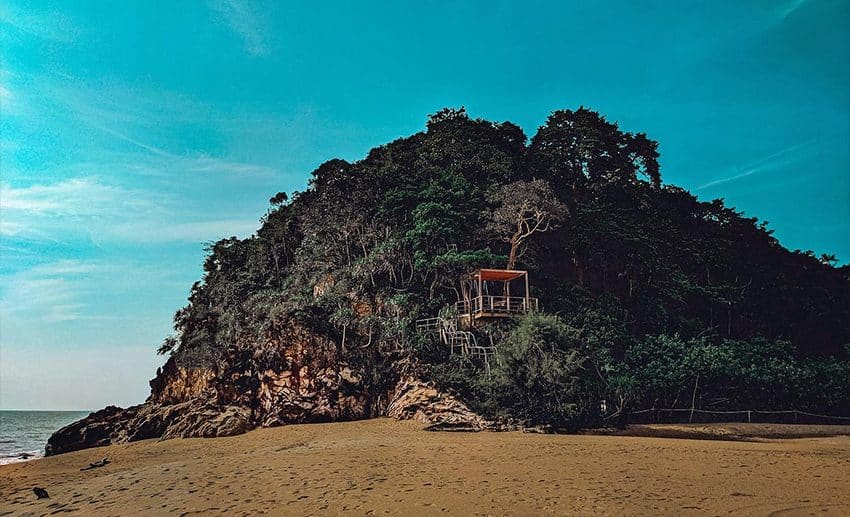
Starting off with a place that speaks to the adventurous at heart, Cherating Beach has long been one of Malaysia’s top surfing destinations. Between November and March, the northeast monsoon can bring the waves that surfers come here for, making it a good option for a coastal getaway with a little more action.
Beginners can also take lessons with local surf schools, but don’t assume every day will be suitable for getting into the water. Conditions can be rough during the monsoon, so check the surf forecast and seek local advice before heading out.
2. Angkor, Cambodia
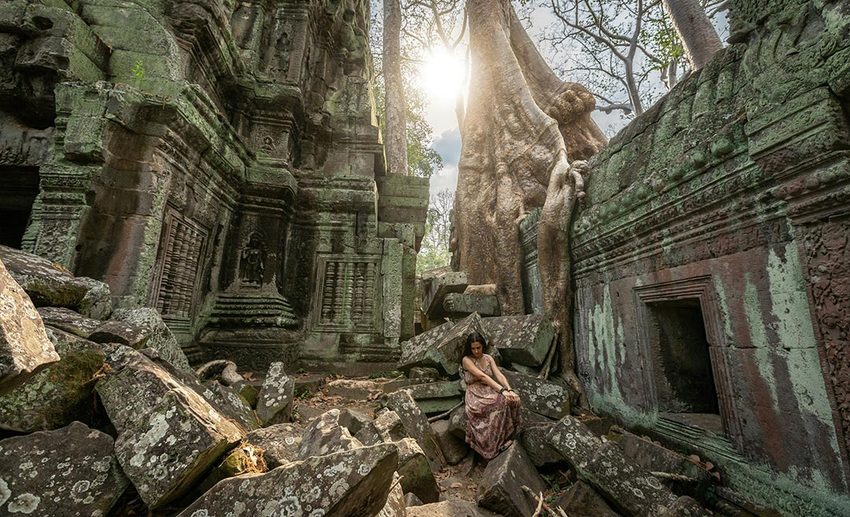
Visiting Angkor during the rainy season brings a dramatic shift across the entire historical region. Beyond the iconic temple grounds, the surrounding jungles deepen in vibrant green, monsoon rains cast a moody, atmospheric charm over ancient stone structures, and swollen moats create stunning, mirror-like reflections everywhere you turn.
Because Angkor is a vast archaeological complex, the wet season offers a great opportunity to explore far beyond the main temple. Lighter crowds mean you can wander through lesser-known temple ruins and take in the architecture without the usual tourist bustle. While the humidity stays high, the lack of intense peak-season heat makes walking the grounds much more manageable. Plus, for photography lovers, the rain-washed ruins and dramatic skies make for unforgettable shots.
Just be sure to pack suitable footwear, as ancient stone steps and jungle paths can get quite slippery after a heavy tropical downpour.
3. Ubud, Bali, Indonesia
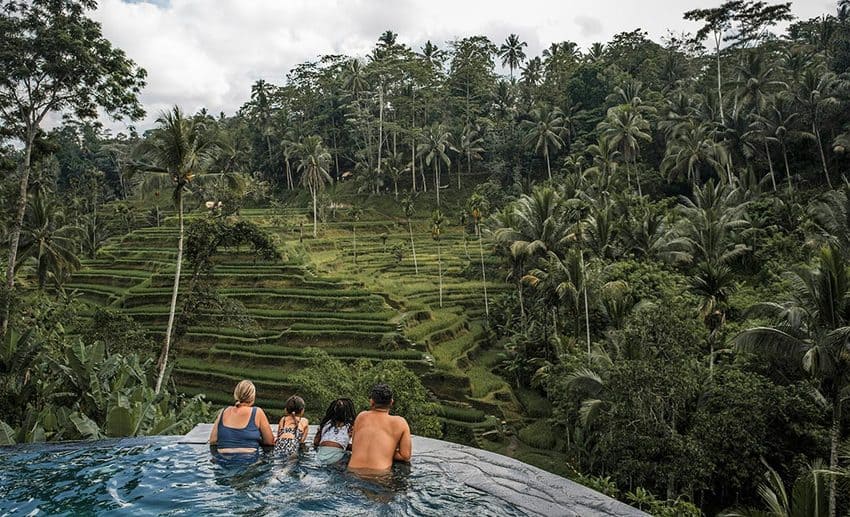
Bali is a popular escape from the daily grind, and Ubud has a particular appeal for those looking to slow down. Its rice terraces, leafy surroundings, cafés, and cultural attractions make it easy to build a trip around a mix of outdoor exploring and slower afternoons.
The rain can make the landscape even more striking, especially around the Tegallalang Rice Terraces, where the greenery becomes a draw in its own right. Showers can pass relatively quickly, though the weather varies, so it helps to keep your plans flexible rather than count on a full day outdoors.
Travelling outside peak periods may also mean fewer people at popular sights, easier restaurant reservations, and seasonal discounts on accommodation or activities. Just remember that lower prices and quieter attractions aren’t guaranteed, and persistent rain can still disrupt plans.
4. Hoi An, Central Vietnam
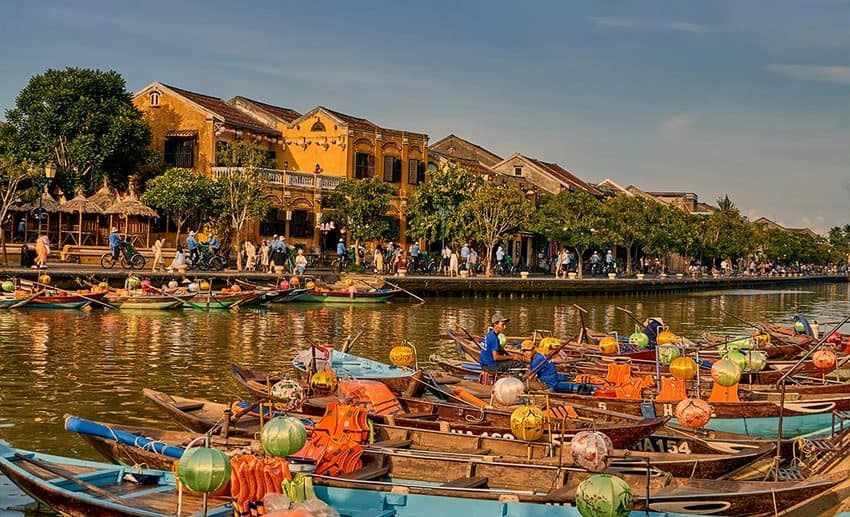
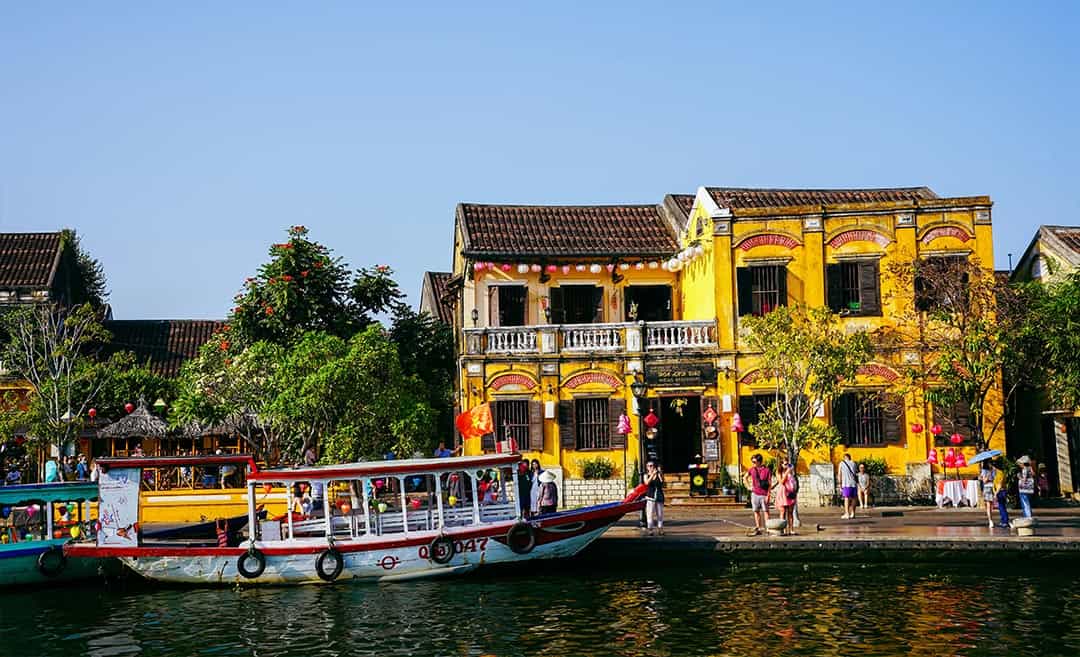
Hoi An has a different kind of charm when the skies turn grey. Its iconic mustard-yellow merchant houses stand out against the overcast sky, while rain-soaked streets and quieter lanes can make the old town feel less hurried.
This is a good time to slow your pace: wander through the old town between showers, find a sheltered street corner, or settle into an open-air café with a warm cup of Vietnamese egg coffee.
There is an important caveat, though. Hoi An can experience heavy rain and flooding during its wetter months, particularly in October and November. Flooding can affect access to the old town and surrounding areas, so check local conditions before travelling and be prepared to change your plans.
5. Khao Yai National Park, Thailand

Khao Yai National Park, one of Thailand’s oldest national parks, becomes especially lush during the rainy season. Waterfalls swell, the forest thickens with greenery, and mist can settle over the mountain ridges.
The park is also home to wildlife such as hornbills and deer, as well as elephants, although sightings are never guaranteed. For nature lovers, the appeal lies in spending time in a forest that feels very much alive after the rain.
The weather does require some planning. Heavy rainfall can make trails slippery or lead to temporary closures, and some activities may be restricted for safety reasons. Check park announcements before setting out, and consider visiting when conditions ease if you want to spend more time on the trails.
6. Lembang, West Java, Indonesia
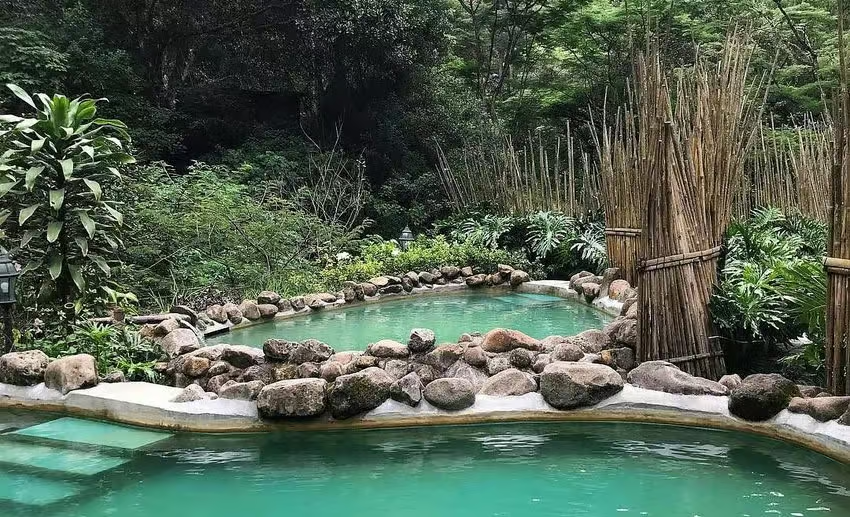
In the highlands north of Bandung, Lembang is known for its cooler climate, volcanic landscapes, and natural hot springs. It can be a welcome change from the heat of the lowlands, particularly when the rain rolls in.
At Maribaya Hot Spring Resort, you can soak in the hot springs while enjoying the surrounding highland scenery. And when frequent downpours, overcast skies, and muddy trails make a full day of outdoor activities less appealing, there’s a good reason to leave some room in your itinerary for a slower afternoon indoors.
Rain can affect road conditions and access to outdoor attractions, so check the forecast before travelling and confirm the resort’s current facilities and opening arrangements.
Let the rain change your perspective
The rainy season might not be everyone’s first choice for a getaway, but it doesn’t mean you have to put your travel plans on hold. Whether you’re heading to Cherating for a surf session, taking your time exploring Angkor’s temples, or soaking in the highlands of West Java, the right destination can make the season part of the experience rather than something to work around.
The key is to choose a place that suits the weather, check local conditions before you go, and leave a little room for plans to change. Sometimes, a good trip doesn’t need perfect weather; it just needs a different kind of itinerary.