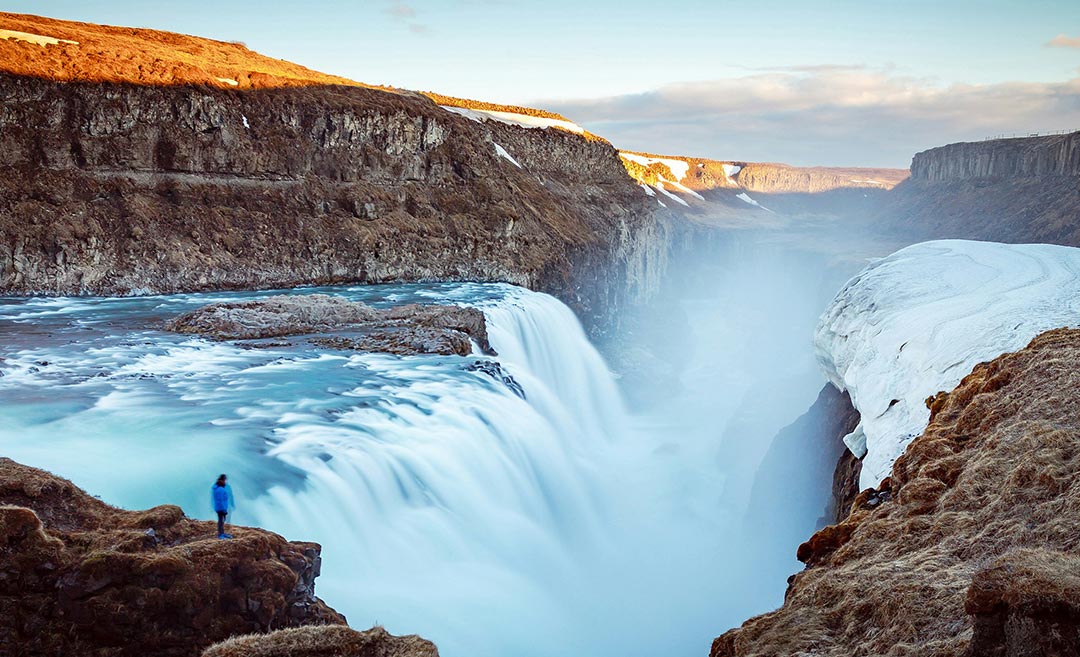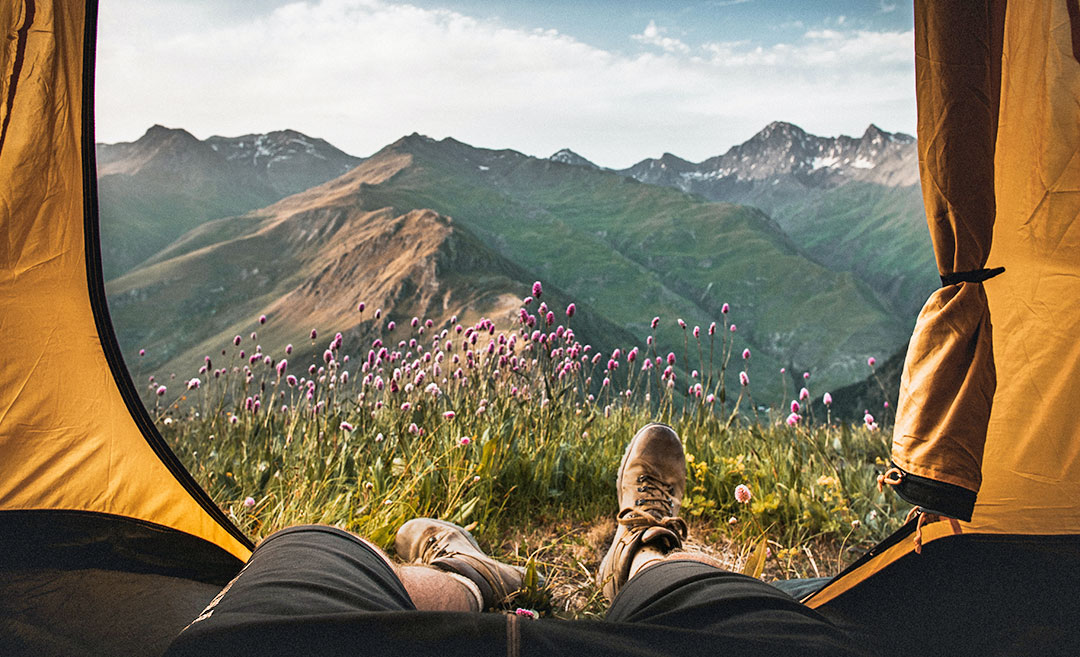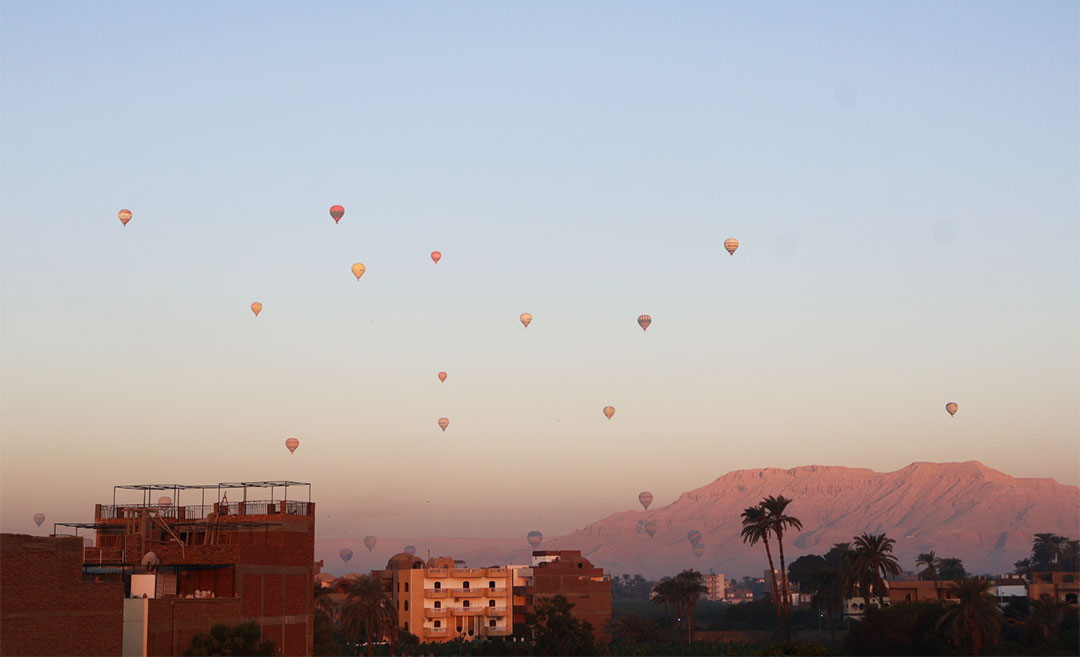
The 6am club isn’t just about timing; it’s about witnessing the world before the heat and the crowds alter its soul. (Image by Jessica Holmes)
The fisherman pulled back the line and aimed it forward so it cast wide and low into the waters below. After a few minutes of seemingly nothing happening, the line started to tense and pull. The man, his face half visible, smiled softly and sat more upright as he reacted to the bite. Sitting on the stump at the end of a pier usually reserved for water taxis, a local man was reeling in his dinner.
Continuing down the waterfront, I stumbled across a fuel station for boats, where I stopped to observe a small vessel refuel and wondered where the day would take it. I walked over yet another bridge, surely the hundredth of that morning, and paused at the highest point to take in my surroundings. I could see a handful of people dotted around, mostly fishermen and boatsmen. I could see the tiny island of San Michele, a designated cemetery known locally as the ‘Island of the Dead’, and behind it, the island of Murano stretching out like a lazy cat.
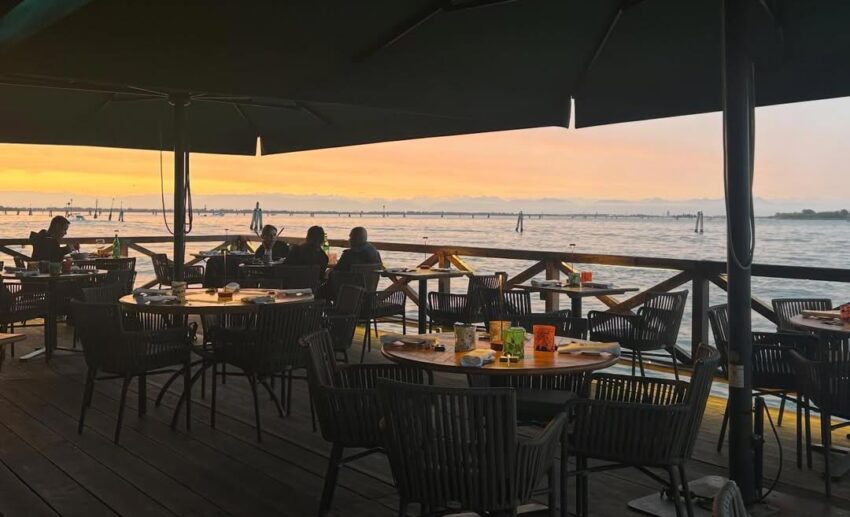
I noticed that a beautiful waterfront restaurant called Algiubagio was opening just as I approached. It was the first place I’d seen open that morning, so, in an understanding that this was fate telling me what to do next, I sat by the window and ordered a caffè macchiato and a breakfast pastry called a cornetto whilst I continued watching the city unfurl around me, blinking its eyes open to a new day.
I sat there for an hour before the thwacking sound of a shutter rolling up nearby startled me from my reverie. The city was waking up. I was in Venice, and for the first two hours of the day, it had felt like I had the city entirely to myself. I didn’t know it yet, but it was my first lesson in the magic of early morning travel.
The accidental start of a new travel rhythm
I’d been startled awake at 5am by the fire alarm in my hotel. It didn’t stop, and a full evacuation took place as a precaution. After around ten minutes outside in the still-dark October morning, staff gave the all-clear and said we could return inside. I hesitated. I was fully dressed. I had my handbag and my phone. The staff signalled everyone back inside, but I didn’t move. After a few seconds, I turned and walked away from the hotel instead. I decided to go for a walk.
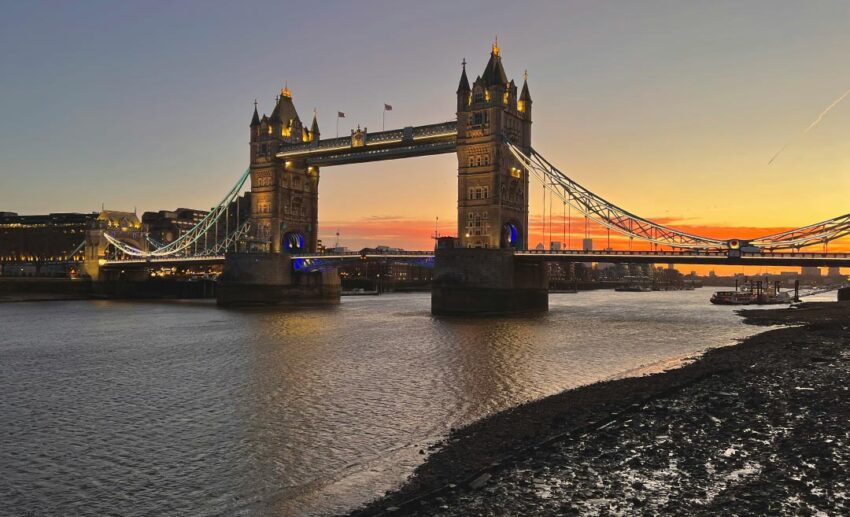
I’d left my hotel in the dark at around 6am, the narrow streets mostly lit by warm streetlights. Sunrise struck at around 7:30am in October in this part of the world, meaning I had half an hour until the sky began to lighten and around two hours until the sun was fully visible. I had seized the opportunity to escape Venice’s famous crowds, and it was the most perfect morning I’d experienced in years.
Since then, I’ve explored cities at 6am all over the world, including London, Cape Town, Bangkok and Tokyo. I’ve noticed more travellers embracing early mornings in a bid to escape crowds and heat, and connect with places more authentically.
What’s actually open at 6am?
The biggest misconception about early travel is that nothing is happening. In reality, a different layer of the city is already in motion; you just need to know where to look.
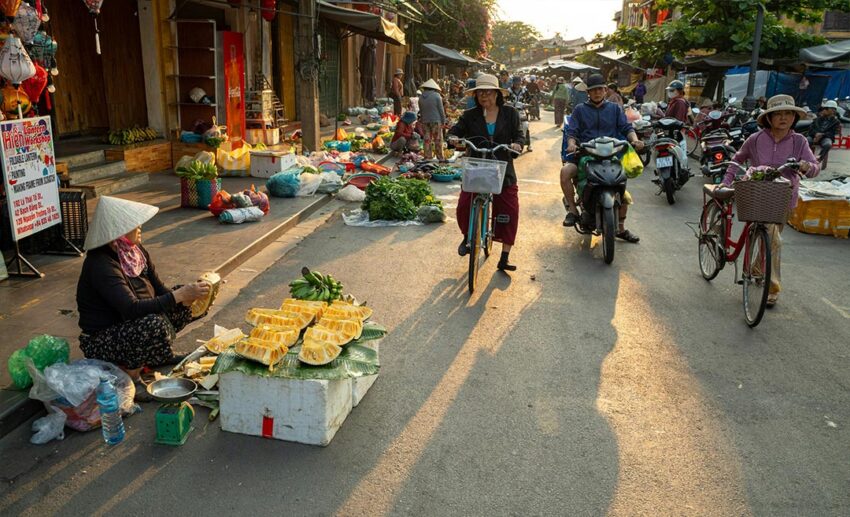
In many places, 6am belongs to workers and locals, not tourists. Coffee shops begin to open, local bakeries are in full swing, and markets are either setting up or already trading. In hotter regions, this rhythm isn’t new. Markets, street food stalls, and daily routines have long been built around the heat, with much of the day’s activity happening before temperatures peak.
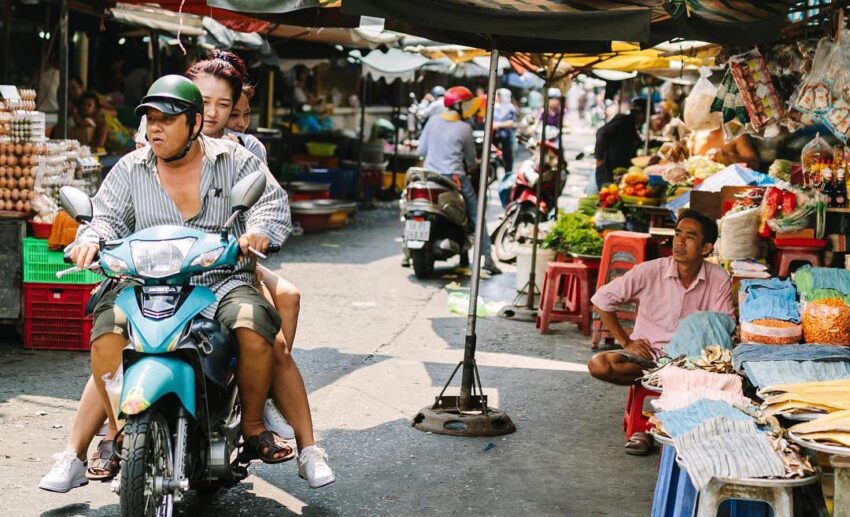
In Ho Chi Minh City, for example, Tân Định Market opens from around 6am, already humming with activity while parts of the city are still waking up. In cities like Tokyo, parts of urban life never really shut down, with convenience stores, casual eateries, and some cafes operating 24/7, offering a reliable anchor at any hour.
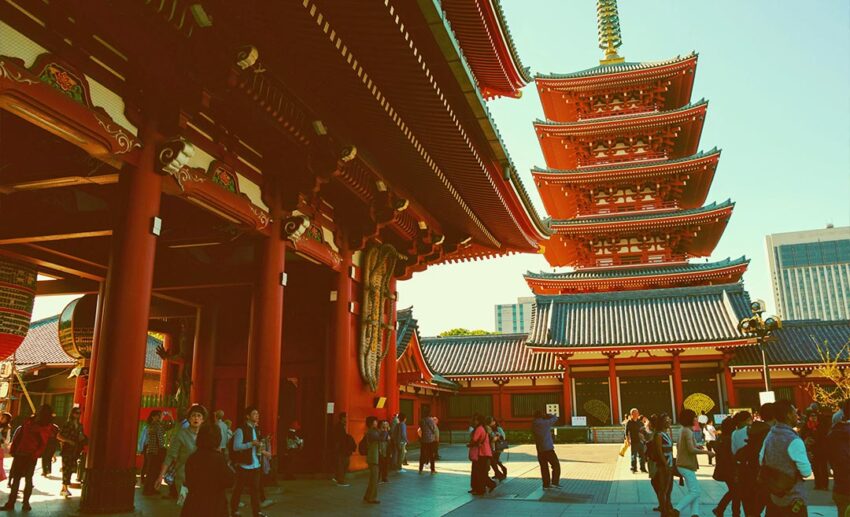
Religious sites, parks, and outdoor spaces are often your best bet for a predawn amble. Sensō-ji Temple in Tokyo, for example, is free to enter and has no gates, meaning you can wander through at dawn. At that hour, it feels completely different — more reflective, suspended between night and day.
Museums and exhibitions, even free ones like London’s Natural History Museum, typically don’t open until later. Rather than seeing this as a limitation, plan to visit these later in the day when crowds and heat peak.
One often overlooked detail is toilets. At 6am, access can be limited, especially outside of transport hubs or parks. Planning ahead by using facilities before you leave, identifying early opening cafes, or noting public restrooms in advance can make your morning more comfortable.
Is it safe to be out at dawn?
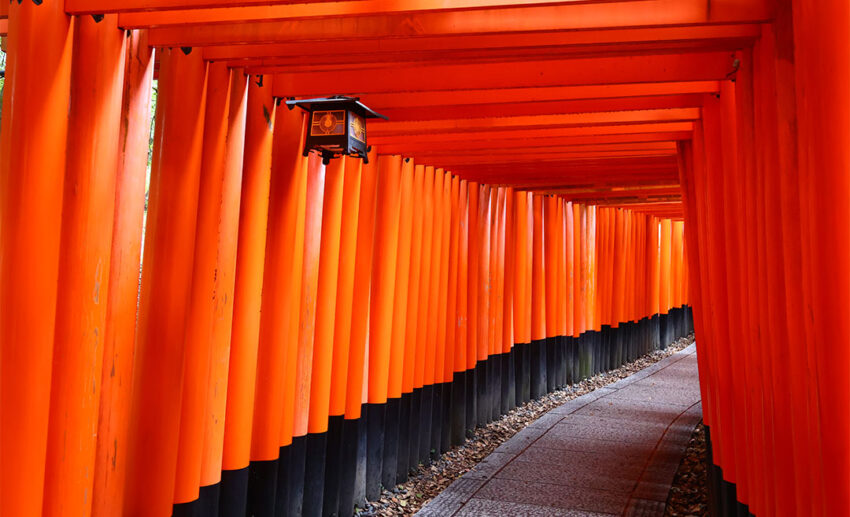
Safety at 6am feels quite different from safety at midnight. In many cities, early morning carries a sense of calm rather than risk.
At dawn, you’re more likely to encounter commuters, joggers, and people starting their day rather than late-night crowds. In places like London or Tokyo, this can feel reassuringly routine. But it isn’t universal, and context matters.
In Cape Town, crime such as robberies is a known concern, and quieter hours require more caution. It’s often advised to travel in groups of at least three if heading out at 6am, particularly outside well-known areas. That said, there are places where it feels not just safe, but genuinely enjoyable exploring Cape Town at dawn: Sea Point Promenade, Green Point Park, and the surrounding seafront paths are popular with locals and tourists alike early in the day.
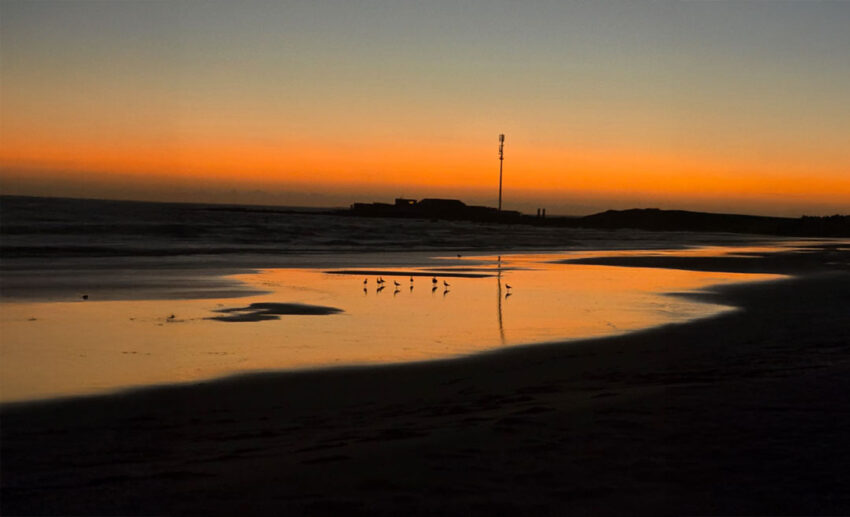
With the right planning, early mornings can also unlock more remote experiences. Beaches like Witsand, near Misty Cliffs, can feel completely untouched at that hour when the vast beach feels like the edge of the world and is shared only with wildlife.
The key is awareness, not fear. Stick to well-lit areas, avoid empty backstreets and trust your instincts. Knowing emergency numbers, carrying a fully charged phone and downloading offline maps via an app like Maps.me are essential precautions. For solo travellers, especially women, the early hours can feel serene and empowering when paired with basic safety planning.
Getting around early: Walk, ride or pre-book?
Transport at 6am is a mixed picture. Sometimes it’s seamless, but sometimes it’s limited, and it pays to understand your options in advance.
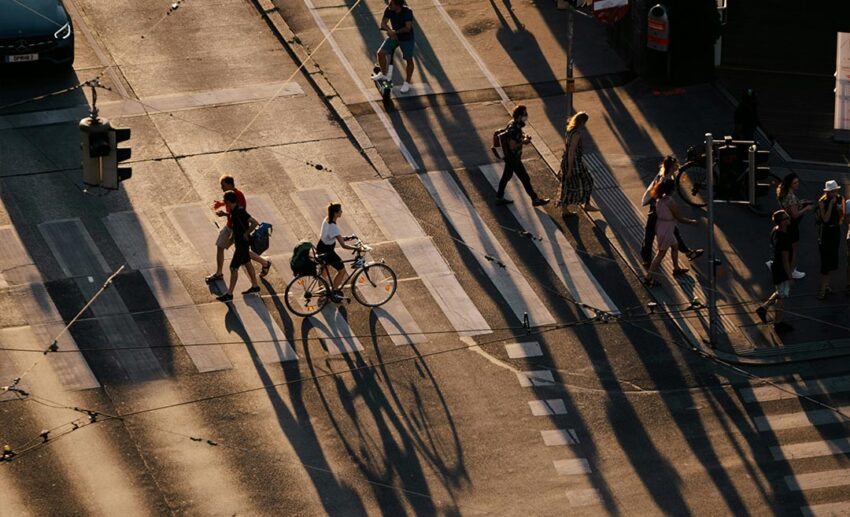
Walking is often the best way to experience a place at dawn, especially in compact cities. It allows you to absorb the atmosphere and move at your own pace. But if you’re covering more ground, alternative options come into play.
In many European and Japanese cities, hiring a bicycle is an ideal early morning solution as the quiet streets, cool air, and minimal traffic make for an entirely different riding experience. In parts of Southeast Asia, scooters are a common and flexible option, particularly in countries like Vietnam and Thailand. Be sure you have insurance, a helmet, and are confident on two wheels before setting off.
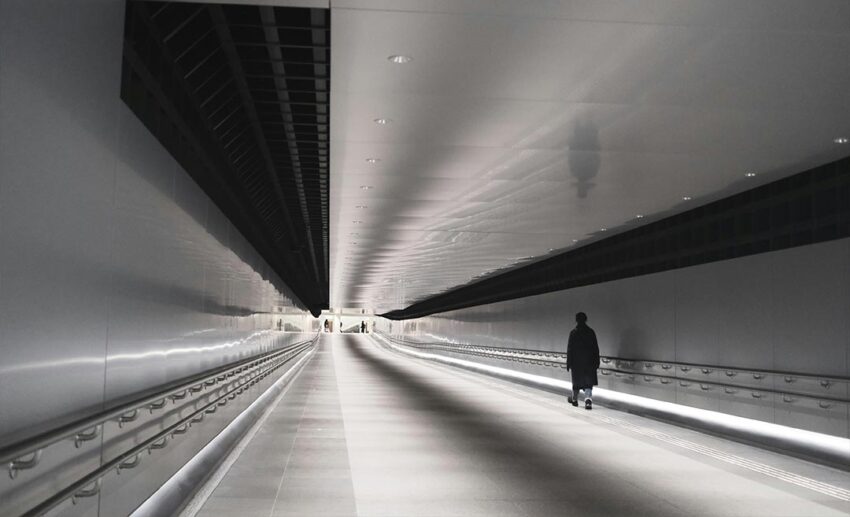
Public transport can be reliable, but not always frequent at this hour. In London and Tokyo, the Underground runs from 5am daily. Checking schedules ahead of time is essential, especially if you’re aiming for a specific destination. For example, if you’re heading to Pulau Ubin from Singapore, ferries begin running from around 6am. Arriving early means you can explore the island on foot before the crowds arrive and be among the first to hire a bike when the rental shops open.
Apps like Grab or Bolt can fill gaps where public transport falls short, though availability can fluctuate depending on demand and location. The key is to remove uncertainty where you can, so the experience itself remains effortless.
How to build an early morning itinerary that works
In many destinations, especially across Asia and parts of Africa, midday heat can make exploring not just uncomfortable but draining. Structuring your day around cooler hours and building in rest when temperatures peak is becoming increasingly necessary. The secret to early morning travel is structuring your day around cooler, quieter hours.
Start by identifying what can be experienced at dawn: waterfronts, temples, markets, residential streets and viewpoints. Build in a natural pause, such as a cafe stop or breakfast spot, or even just somewhere to sit and absorb the move from hushed to bustling.

Creating balance in your itinerary is essential for an early morning excursion. Early starts often mean your energy dips earlier, too, especially in hotter climates. Planning a midday break, whether a long lunch or siesta, helps make the rhythm sustainable rather than exhausting.
The 6am travel club isn’t about ticking off the sights. It’s about accessing a quieter and softer version of a place that most people wake up too late to witness. When used intentionally, the early hours can help you avoid the heat and the crowds, but most importantly, they reshape how a destination feels and how you connect with and understand it.
After you’ve experienced a place at 6am, it’s hard to go back to exploring in any other way.
Photos are by and courtesy of the writer, Jessica Holmes, unless otherwise stated.