
Solo travelling in China is a bold and adventurous way to experience the best of this East Asian nation. Here’s what you need to know before you go. (Image by Diem Nhi Nguyen)
If it’s your first trip solo, China is one of the best Asian countries to visit. Having solo-travelled to one of the most beautiful and diverse provinces in the country, it really is like nowhere I’ve ever been. Whether you’re drawn by ancient temples, modern cities, or diverse cuisines, China offers something for every independent traveller who seeks adventure, cultural immersion, and new discoveries.
China is generally a safe country to travel to; there are a lot of information kiosks set up around the city to help foreigners and travellers navigate around the country. Still, travelling alone in a vast and culturally rich country like China can seem daunting at first. However, with the right preparation and mindset, it can be a rewarding, life-changing experience.
Planning your first solo trip to requires some careful preparation to ensure that your journey is safe, enjoyable, and fulfilling. From navigating language barriers to understanding regional transportation systems, here are some practical tips to help you confidently plan and execute your solo trip across China.
1. Check if you need a visa
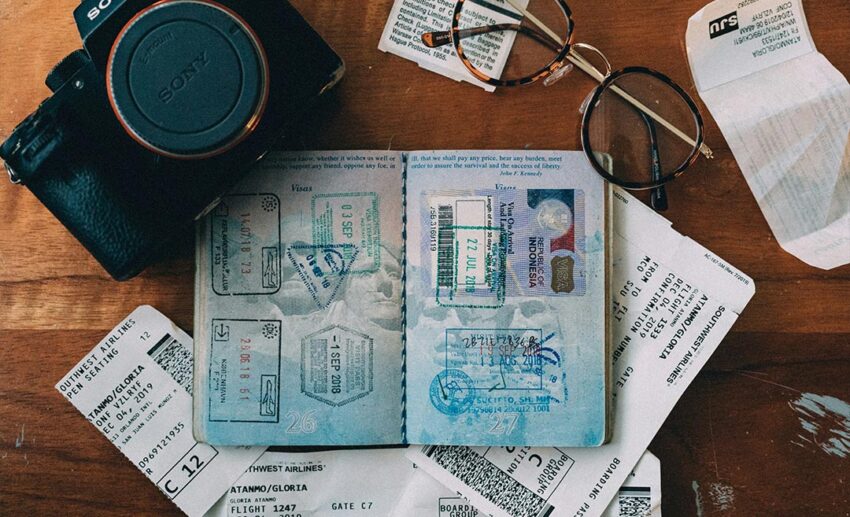
Before booking your flights, make sure your travel documents are in order. You’ll need your passport, travel insurance, and a Chinese visa. While China’s visa-free travel programmes have expanded for more nationalities, many people still need to apply for a visa before travelling there. So, do plan ahead as visa processing can take time.
2. Get a VPN
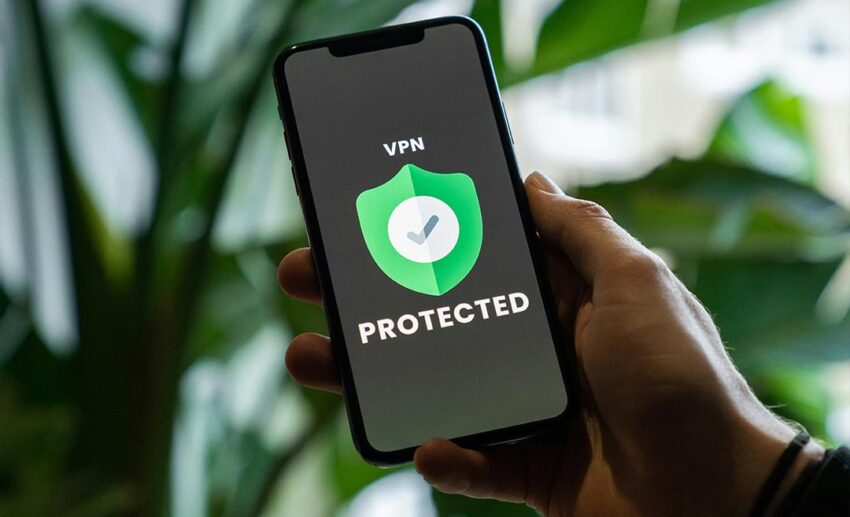
One major issue for travellers in China is that many websites are blocked. Facebook, Twitter, YouTube, Instagram, TikTok, Google, Gmail, Google Maps, or any Google-related services are not allowed in the country. Some major news sites like the New York Times are also blocked, depending on the whims of the government.
Don’t worry, though, there are a few good, reliable VPNs that work, such as ExpressVPN, Nord VPN, and Buffered VPN. Make sure to subscribe to a VPN and log in on all your devices before arriving in China.
3. Master the art of navigation

Fret not, the metro system in China is extensive, affordable, and has English signage! For maximum flexibility, download their hyper-efficient metro apps such as the Metro China app, which works offline and includes real-time safety alerts and updates.
Find your way around the city with ease using Baidu Maps and install DiDi, China’s ride-booking app, to travel around. It also comes in an English version, making it user-friendly for tourists.
4. Overcome the language barrier

It’s definitely doable to travel solo in China without speaking Chinese. While many people in China can speak basic English, learning a few key Chinese phrases can make your trip more enjoyable and immersive. Use a translation app such as Pleco, one of the best translation tools to use in the country.
Having difficulties talking to someone? Add them to the WeChat messenger app and chat away. Another great feature is that you can translate text messages from Chinese, making it easier for you to instantly understand them and respond.
5. Pack light

Pack as little as possible so your stuff fits into just one luggage or backpack. Bring comfortable clothes that are easy to combine in terms of colours and shape, as well as sturdy shoes. You can wash your clothes almost everywhere you go or even bring them to a laundry service (which is quite affordable in China). With a small, light bag, it’s much easier for solo travellers to get around, jump onto buses, take the stairs down to the metro, or walk along the cobblestoned alleys to your hostel. Your back will also thank you.
6. Stay in solo-friendly accommodations

Opt for safe, centrally located hotels, hostels, or Airbnb rentals with positive reviews. Many hostels in China cater to solo travellers, offering shared rooms and social areas to meet fellow travellers. Always book your accommodation of choice ahead of time to avoid last-minute issues. If you’re unsure of where to stay, choose accommodations near major tourist attractions to save on travel time and costs.
7. Be prepared for the toilets

Finding a good, clean toilet outside one’s hotel room is notoriously challenging in China. Squat toilets are also the norm in many parts of the country, especially in rural areas. The toilets will be out of your comfort zone most of the time, so be sure to bring your own toilet paper or pack of tissues. Your travel-friendly bathroom kit should also include wet wipes and hand sanitisers to make sure you don’t spread (or catch) any germs.
8. Ask for help

Don’t be shy to approach strangers and ask them for assistance! People in China are always willing to help out, even when their English is poor or non-existent. Take the chance—you never know who will help you and what positive experience may arise from that.