
Plan your trip around energy levels, not rigid itineraries, to travel smarter, avoid burnout, and enjoy destinations more fully. (Image by travnikovstudio)
Planning extensive itineraries can be fun, but the reality often hits mid-trip when travel burnout sets in. Before you cram five locations into one day, consider a different approach: plan your trip by energy levels instead of just destinations. By matching your daily travel activities to your natural rhythms, you can travel more sustainably and enjoy a more fulfilling journey.
Destinations matter, but so does how you distribute your energy. Planning your trip around natural energy levels (not just places) helps you travel more sustainably, avoid burnout, and actually enjoy where you are.
If you find yourself unsure how this should work, read on to discover how different energy rhythms — morning, afternoon, and evening — can shape a calmer, more fulfilling journey.
Morning
Morning is naturally the lightest time of day, with its slow start as everything, and everyone, begins to come alive. It also happens to carry the most available energy for many travellers.
A tip: Rather than thinking about what to see first, ask yourself how much movement your body is ready for when the day begins.
Energetic morning
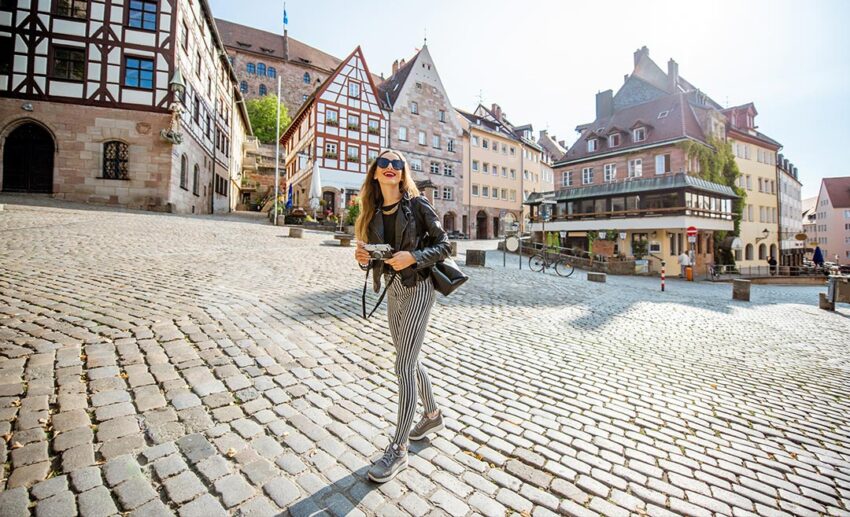
An energetic morning is built on momentum and active engagement with your destination. It means starting the day with energy-focused activities that take advantage of your physical and mental alertness when it is at its peak.
Activities may include: Sightseeing multiple landmarks, going on a long hike, joining early guided tours, and exploring a town or city on foot before the crowd builds up.
Such a morning is especially perfect in fast-paced cities like New York City and Seoul, where early hours offer more breathing room to visit all the cliché tourist spots, or for nature-focused trips to places like Sabah, where full-charged energy is useful for outdoor and physically demanding experiences.
Gentle morning
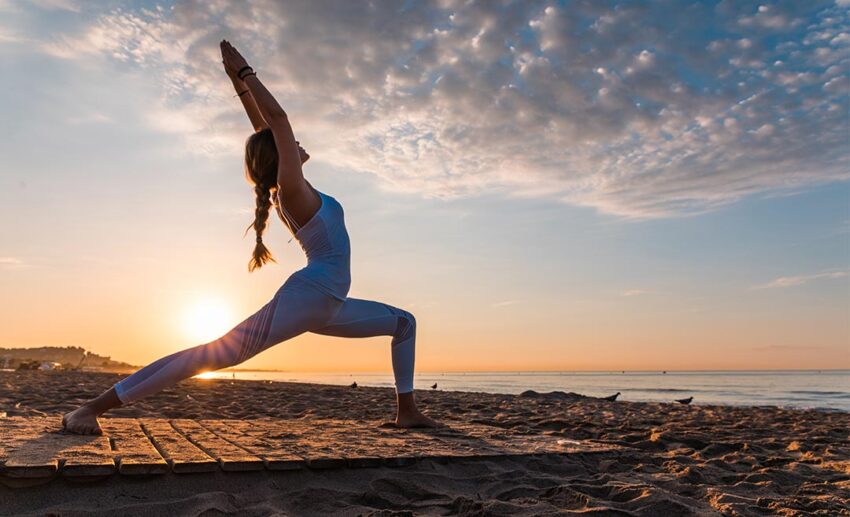
In the stillness of the early hours, some may prefer to begin the day more gently as the sun gradually rises. This might be especially relatable to those who are generally not a morning person or are intentionally taking the vacation to be away from the usual hustle and bustle.
Activities may include: Doing relaxing yoga, having a slow breakfast, strolling through the local neighbourhood, and watching the sunrise.
Doing low-demand, sensory-ease activities is a great way to ease into the day, especially when you are still recovering from a long flight the day before or simply seeking more time to build your energy before a more active afternoon. A gentle morning is also common on eco-retreats, where the purpose of travel is self-wellness and mindfulness.
Afternoon
Afternoon can be hectic. People who had started the day off early, wringing out their energy, will find this to be the best time to unwind and recharge by seeking sustenance. On the other hand, some will find this to be the best time to move their way through the local scenery.
Relaxed afternoon
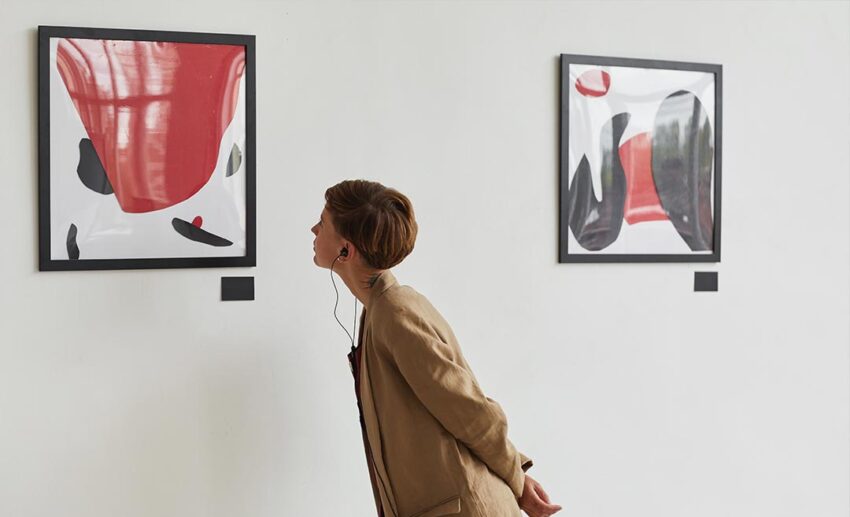
After a morning spent on exciting experiences, a restorative afternoon is important to avoid an unwanted slump in an otherwise promising day in progress. Focused on replenishing the energy, taking slower midday hours helps the body and mind recover while still enjoying the destination all the same.
Activities may include: Resting in your accommodation, having a laidback gastronomic journey, visiting indoor spaces like a museum, and strolling through a botanical park.
A relaxed afternoon is valuable, especially in hot climates. It ensures you still have energy left for the evening and helps you absorb your surroundings without feeling drained.
Lightly active afternoon

Having a lightly active afternoon after a gentle morning lends opportunity for you to have memorable moments away from home and familiarity without the pressure of doing too much. It also keeps you moving, but more sustainably.
Activities may include: Trying light outdoor activities like paddle boating, shopping at local markets and craft shops, and exploring neighbourhood streets and scenic viewpoints.
This approach works particularly well on trips focused on savouring a destination rather than checking off every “must-do.” Take a trip to Scotland, for instance: watching sheep frolic in misty meadows can be just as memorable as any structured activity.
Evening
Evenings often shift the energy to a different kind while travelling, from movement to meaning. Not because there is nothing else to do but reflect, but rather that the day may have already been more than enough. Designing your evenings intentionally helps you end the day in a way that feels satisfying rather than overstimulating.
Upbeat evening

An upbeat evening taps into the social and cultural pulse of a destination. As the streets fill and lights come on, you will feel inclined to step into the music, food, and nightlife that define the local rhythm. This works best when you still have energy to spend or are curious travellers who simply want to swap tossing and turning for a fun night out instead.
Activities may include: Exploring night markets or street food scenes, attending live music performances or cultural shows, and visiting other local nightlife spots.
The key is to allow the night to meet you as you are. Knowing when to lean into the night and when to take your leave for the day helps keep the trip a positive experience, all without tipping into exhaustion.
Reflective evening

Slowing down from the big, bold journey you have taken during the day does not necessarily mean going straight to bed. Taking on a reflective evening is also about allowing space to process experiences without distraction by going simple on what you choose to do.
Activities may include: Watching the sunset, taking long walks by a beach, having a relaxed dinner at a local cafe, and journaling about the day.
Ending the day this way is by no means doing less, but about doing what is right. By choosing quiet over stimulation, you allow experiences to linger rather than rush past. Moreover, choosing rest helps you wake up feeling restored and ready for another adventurous day.
Ultimately, travelling by energy rather than sheer ambition invites a quieter kind of intention into how we move through the world. It reminds us that a good trip is not measured by how much we fit in, but by how fully we experience what we choose to do.