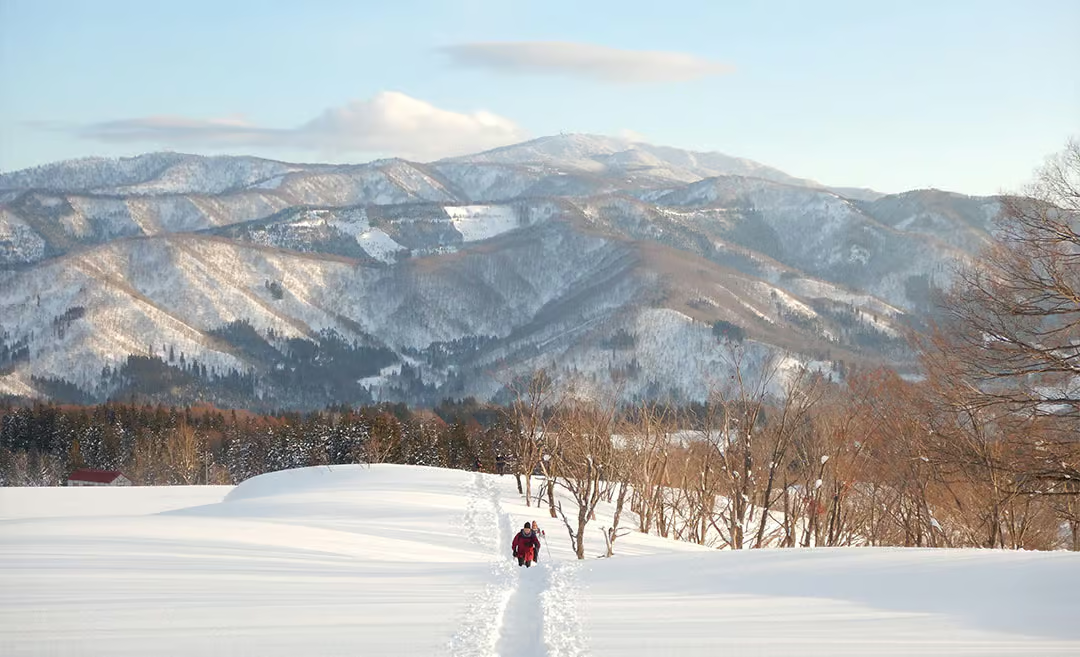
Exploring remote winter landscapes in Nabekura, Iiyama City, on foot during Walk Japan’s Nagano Snow Country trek.
Japan’s famous cities and landmarks may draw millions of visitors, but Walk Japan is encouraging travellers to look beyond the usual itinerary and explore the country on foot through walking tours that connect travellers with rural landscapes, local food, history, and communities.
The walking tour company recently brought its approach to Kuala Lumpur, where founder and CEO Paul Christie shared stories from the road over an evening of Japanese food, drinks, and music. The gathering also provided a look ahead to Walk Japan’s 35th anniversary in 2027, with the company continuing its focus on exploring Japan’s landscapes, communities, and culture at a slower pace and beyond conventional sightseeing routes.
Following Japan’s historic routes
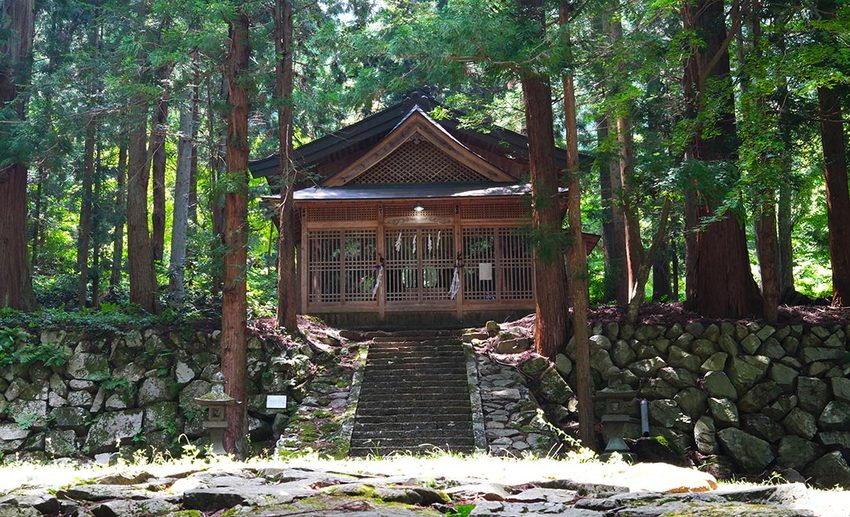
The Self-Guided Salt Road Wayfarer follows historic merchant trails through rural villages, mountain forests, and alpine countryside. 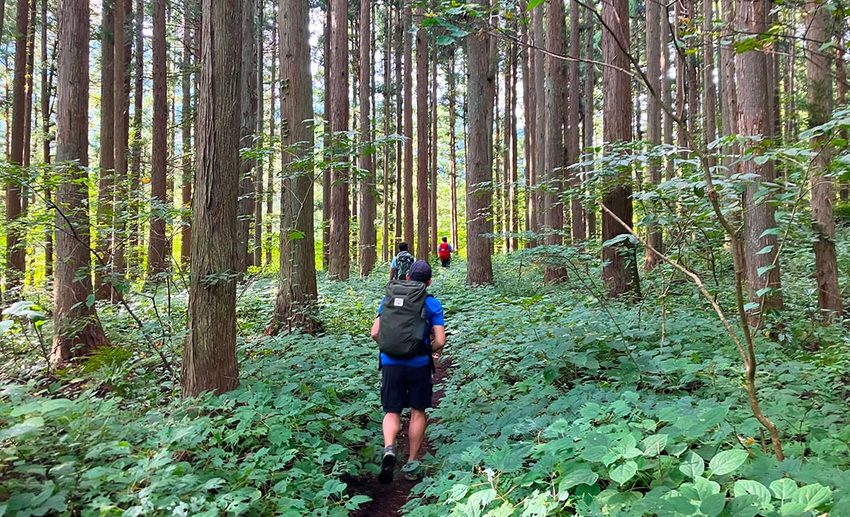
The Self-Guided Salt Road Wayfarer follows historic merchant trails through rural villages, mountain forests, and alpine countryside.
Founded in 1992, Walk Japan specialises in small-group walking experiences that combine trails with local food, traditional accommodation, history, hot springs, and community encounters along the way. Its offerings include both guided and self-guided walking tours, giving travellers different ways to explore beyond Japan’s better-known sights.
One of its newer offerings, the Self-Guided Salt Road Wayfarer, follows sections of an ancient trading route that once connected Matsumoto in Nagano Prefecture with Itoigawa on the Sea of Japan coast. The six-day, five-night route passes through the Japanese Alps, rural villages and forests, following a path once used to transport essential goods between the mountains and coast. Travellers stay in Japanese inns, with onsen and multi-course meals featuring ingredients from the surrounding region adding to the experience.
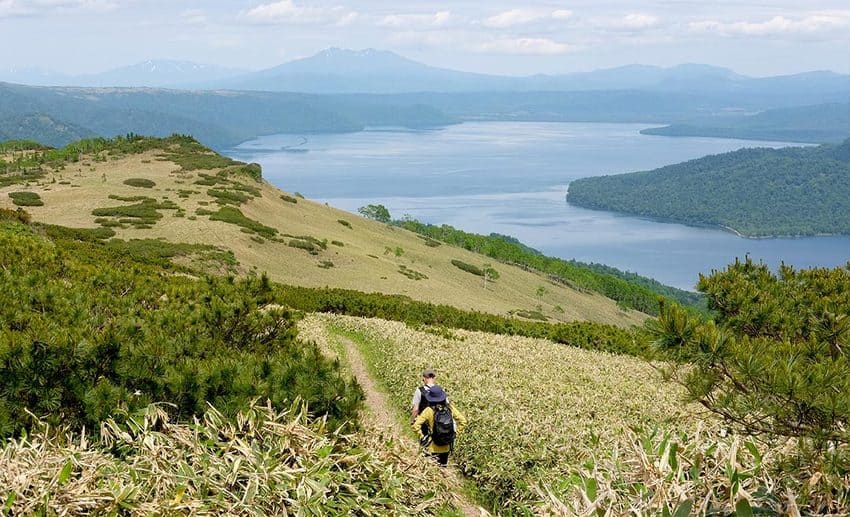
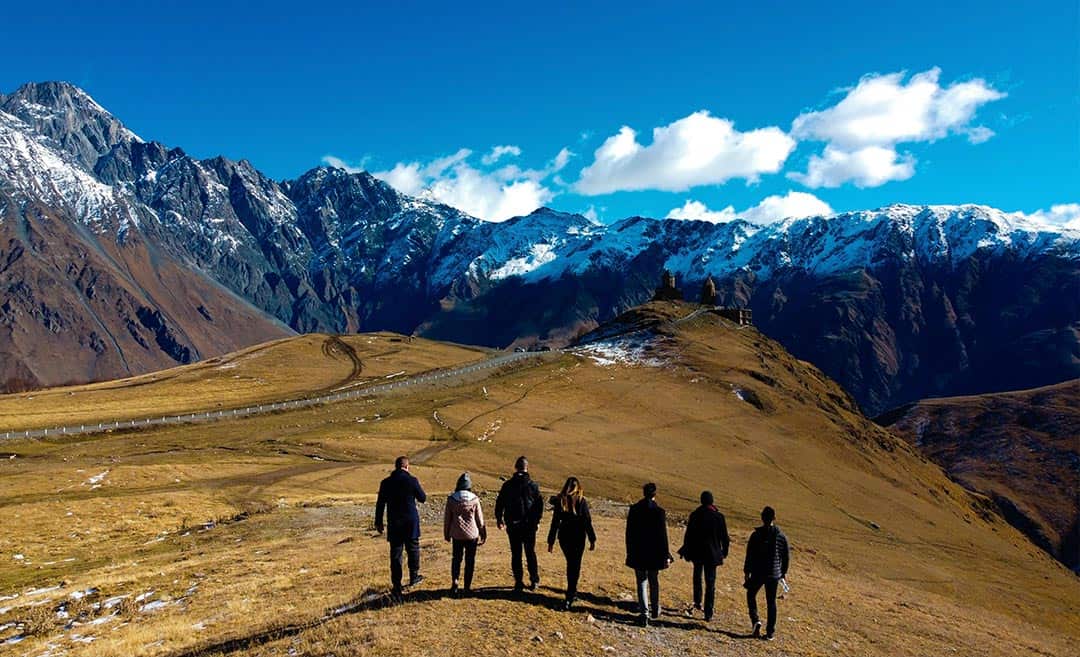
Covering 90 kilometres across eastern Hokkaido, this guided trek leads walkers through wild wetlands, volcanic landscapes, and coastal paths. 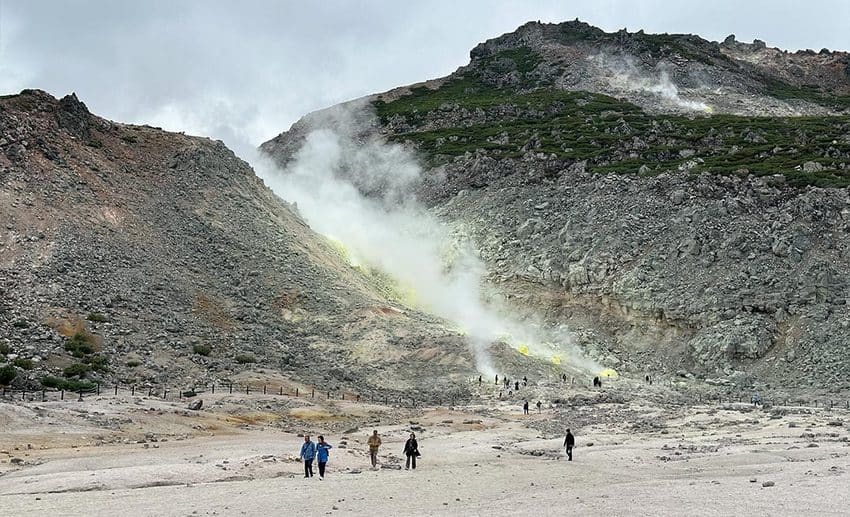
Covering 90 kilometres across eastern Hokkaido, this guided trek leads walkers through wild wetlands, volcanic landscapes, and coastal paths.
For a wilder side of Japan, the East Hokkaido Trek covers approximately 90 kilometres of the 410-kilometre Hokkaido East Trail over nine days. The guided trek moves from Kushiro’s wetlands through forests, volcanic terrain, and caldera lakes before reaching the Sea of Okhotsk. With daily walks of up to six hours and some steeper sections, it offers a more active way to experience Hokkaido’s expansive wilderness and wildlife.
Winter brings a different side of Japan
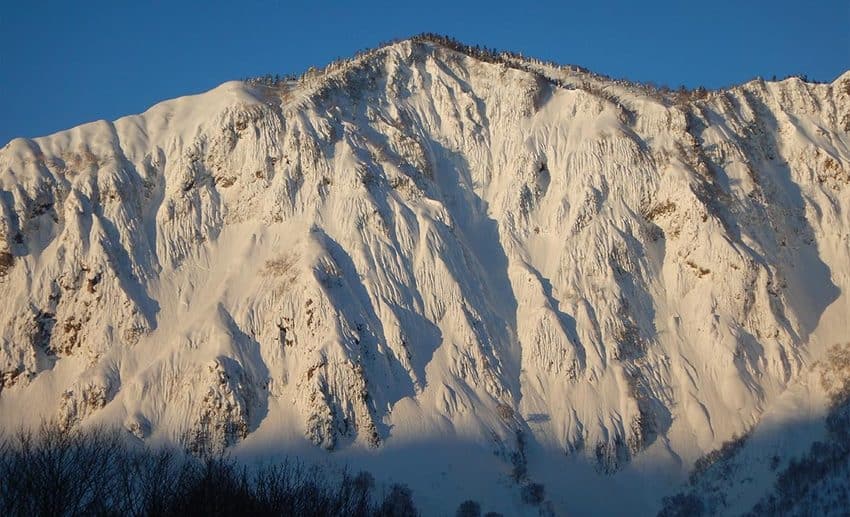
Snowshoeing through quiet beech forests and heavy snowfall in Nagano offers a peaceful perspective on rural Japan in winter. 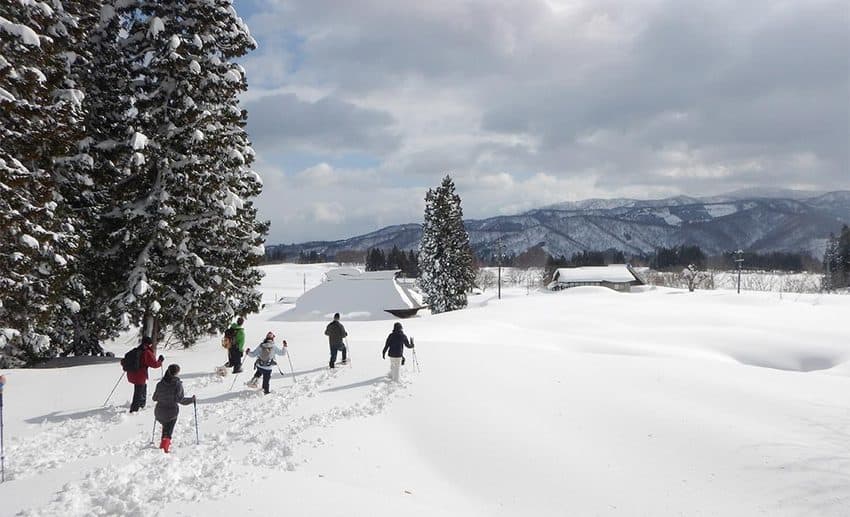
Snowshoeing through quiet beech forests and heavy snowfall in Nagano offers a peaceful perspective on rural Japan in winter.
Winter also presents a different perspective on Japan beyond its ski resorts. Walk Japan’s Nagano Snow Country tour uses snowshoes to explore a region known for some of the heaviest snowfall in the world, taking travellers through remote farming villages, forests, and winter landscapes. A night walk through a beech forest is among the highlights, while accommodation ranges from Japanese inns to snow-covered wooden cottages.
Meanwhile, Onsen Gastronomy: Snowy Aizu takes a more food-and-culture-focused approach to winter travel. The five-day tour combines short walks and snowshoeing with Aizu’s regional cuisine, sake, hot springs, and samurai heritage, including visits to the historic Tsuruga-jo Castle and Ouchi-juku, a picturesque former post town.
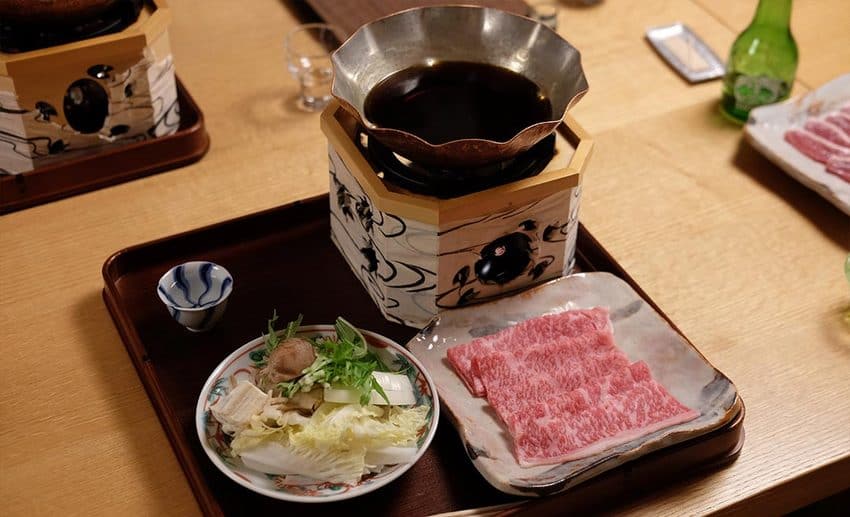
Combining light winter walks with regional Aizu cuisine, local sake, and relaxing onsen baths under Walk Japan’s Onsen Gastronomy concept. 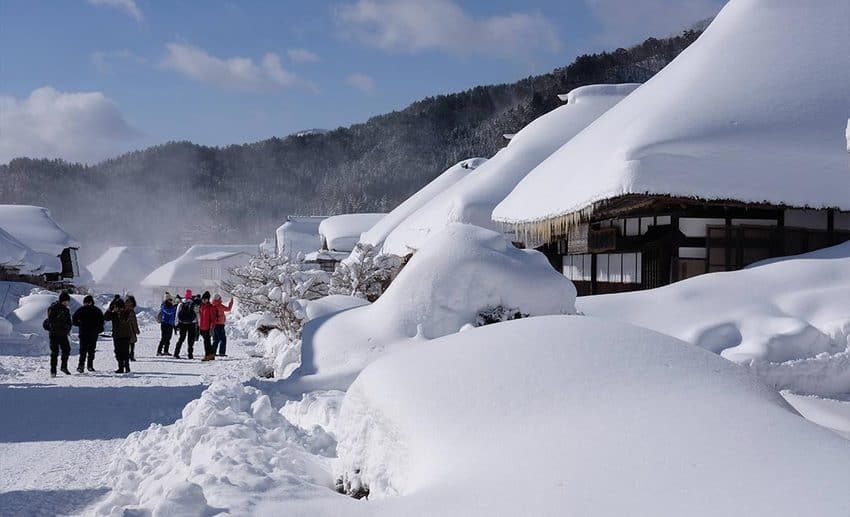
Combining light winter walks with regional Aizu cuisine, local sake, and relaxing onsen baths under Walk Japan’s Onsen Gastronomy concept. 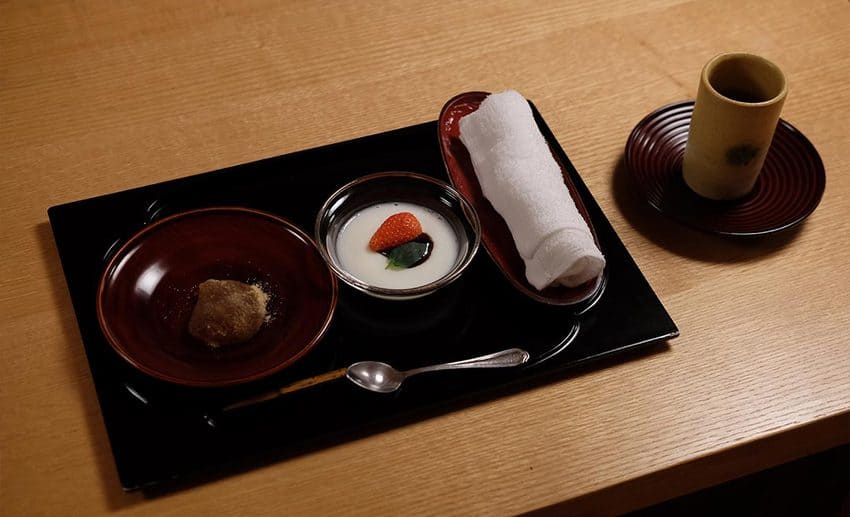
Combining light winter walks with regional Aizu cuisine, local sake, and relaxing onsen baths under Walk Japan’s Onsen Gastronomy concept.
Together, these experiences reflect Walk Japan’s broader Onsen Gastronomy concept, which brings together walking, regional cuisine, local drinks, and hot spring bathing while introducing travellers to the character and traditions of each destination.
As Walk Japan approaches its 35th year, its itineraries offer another way to see Japan, not just by ticking off famous sights, but by following old routes, eating regional food, meeting local people, and spending time in places that are often overlooked by conventional sightseeing itineraries.
All photos are by and courtesy of Walk Japan Limited.